Disposable diapers are a convenient way to keep your baby clean, dry, and comfortable throughout the day and night. This guide explains what disposable diapers are, how they work, their main uses and benefits, and how to use them safely. You will also learn how to choose the right size, prevent leaks and rashes, and make more eco-conscious diapering decisions.
Key Takeaways
- Point 1: Disposable diapers are single-use absorbent garments designed to keep babies dry, clean, and comfortable.
- Point 2: They offer major benefits like convenience, strong leak protection, and easier nighttime care for parents and caregivers.
- Point 3: Choosing the right size and fit is essential to prevent leaks, blowouts, and skin irritation.
- Point 4: Safe use of disposable diapers includes frequent changes, proper cleaning, and watching for signs of diaper rash or allergies.
- Point 5: Many options exist, including hypoallergenic, fragrance-free, and eco-friendlier disposable diapers.
- Point 6: Proper disposal and smart use can reduce odor, mess, and environmental impact.
- Point 7: Understanding how disposable diapers work helps parents feel more confident and prepared in daily baby care.
Introduction: What Are Disposable Diapers and Why Do They Matter?
Disposable diapers are one of the first baby products most parents buy. Yet many people are not exactly sure what disposable diapers are, how they work, and how to use them in the safest way. If you are a new parent, a caregiver, or you are just planning ahead, understanding disposable diapers can make life a lot easier.
In this guide, you will learn what disposable diapers are made of, how they absorb moisture, and why they are so popular. We will walk through step-by-step how to choose, use, and dispose of them. You will also discover the key uses, benefits, and safety tips, plus how to handle common problems like leaks and diaper rash. By the end, you will feel more confident using disposable diapers every day.
What Are Disposable Diapers?
Disposable diapers are single-use absorbent garments worn by babies and toddlers to catch urine and stool. After each use, you throw the diaper away instead of washing it. This is what makes them “disposable.”
Visual guide about What are disposable diapers uses benefits and safety
Image source: coachellavalleydpc.com
Most disposable diapers have three main parts:
- Top sheet (inner layer): This soft layer touches your baby’s skin. It is designed to feel dry and gentle.
- Absorbent core: This middle layer pulls in and holds urine. It often contains fluff pulp and a material called superabsorbent polymer (SAP) that turns liquid into a gel.
- Back sheet (outer layer): This outer layer keeps moisture inside the diaper. It is usually waterproof but still lets air pass through.
Disposable diapers also have stretchy leg cuffs, elastic waistbands, and adhesive tabs or hook-and-loop fasteners. These parts help the diaper fit snugly and prevent leaks. Modern disposable diapers are lightweight, thin, and very absorbent. They are designed to keep your baby dry for several hours, especially at night.
Main Uses of Disposable Diapers
Disposable diapers have many uses in daily life with a baby or toddler. Understanding these uses can help you decide when and how to rely on them.
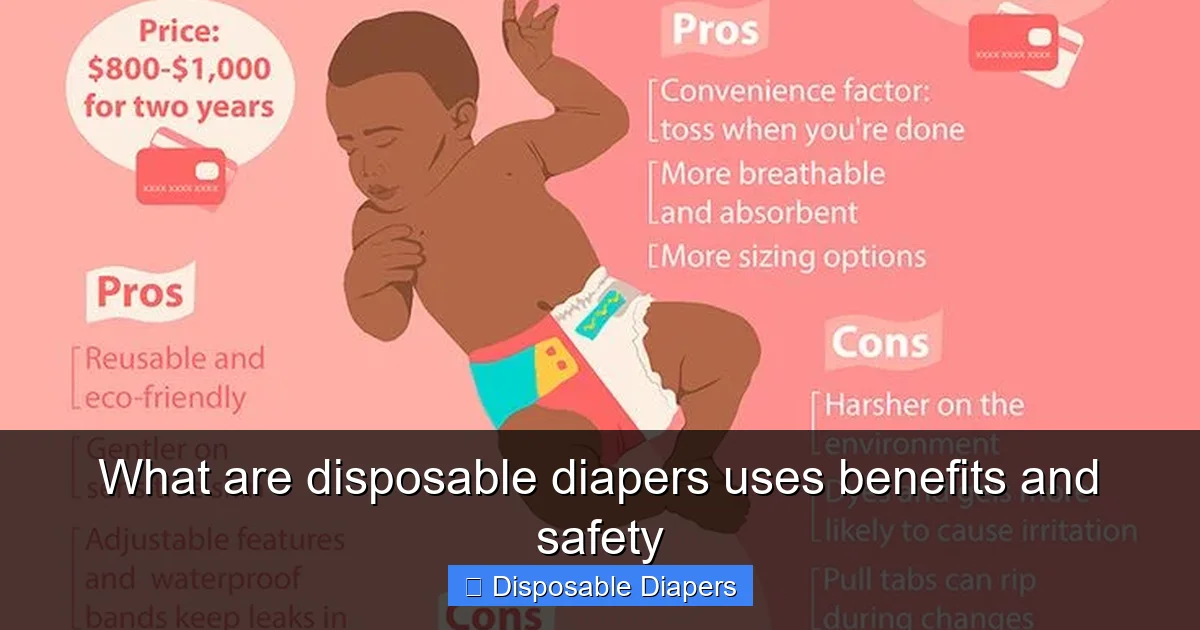
Visual guide about What are disposable diapers uses benefits and safety
Image source: i.pinimg.com
Everyday Use at Home
Most parents use disposable diapers as their main diapering choice at home. They are quick to put on and easy to change. You do not need to wash them, which saves time and effort. This is helpful if you have a busy schedule, other children, or limited laundry space.
Nighttime and Naps
Disposable diapers are especially popular at night. Many brands offer extra-absorbent nighttime styles. These diapers are designed to handle more urine and reduce the chance of leaks while your baby sleeps. A good nighttime disposable diaper can help your baby stay dry and sleep longer, and it can help you get more rest too.
Travel and Outings
Disposable diapers are very useful when you are away from home. They are compact and easy to pack in a diaper bag. You do not have to carry dirty diapers back home to wash them. You can simply change your baby and throw the used diaper into a trash bin. This makes trips, visits, and vacations much simpler.
Daycare and Babysitters
Many daycares and babysitters prefer disposable diapers because they are simple and quick to use. They fit easily into busy routines and help keep group spaces clean and hygienic. If someone else is caring for your baby, disposable diapers can make diaper changes easier for them.
Special Situations
Disposable diapers are also useful in special situations, such as:
- When your baby has diarrhea and needs frequent changes
- During long car rides or flights
- When you do not have easy access to laundry
- In emergencies, such as power outages or water shortages
In all these cases, disposable diapers provide a convenient, reliable way to keep your baby dry and clean.
Key Benefits of Disposable Diapers
Disposable diapers are popular for many reasons. Here are the main benefits they offer to parents, caregivers, and babies.
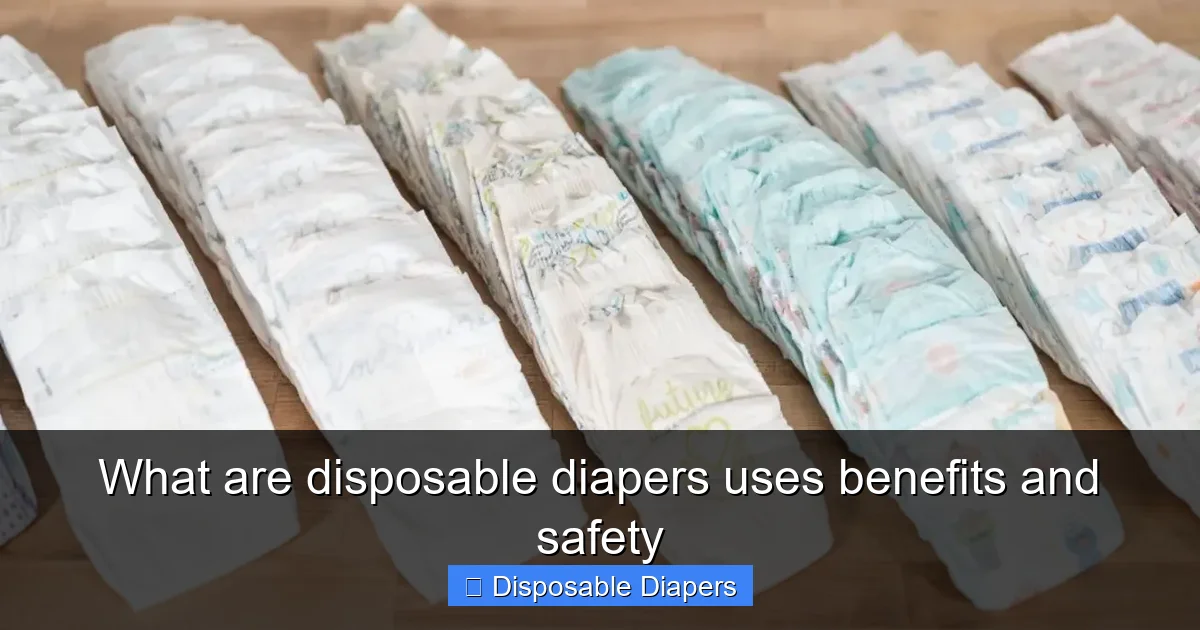
Visual guide about What are disposable diapers uses benefits and safety
Image source: flavorfulexplorer.com
1. Convenience and Time-Saving
The biggest benefit of disposable diapers is convenience. You use each diaper once and then throw it away. There is no soaking, washing, or drying. This saves a lot of time, especially during the newborn stage when babies may need 8 to 12 diaper changes per day.
Because disposable diapers are easy to store and carry, they fit well into busy lives. You can keep a pack in the car, at daycare, or at a grandparent’s house. This flexibility is a major reason many families choose disposable diapers.
2. Strong Absorbency and Leak Protection
Modern disposable diapers are designed to absorb a large amount of liquid. The absorbent core pulls urine away from your baby’s skin and locks it inside. This helps keep the surface feeling dry. Many disposable diapers also have leak guards around the legs and waist. These features work together to prevent leaks and blowouts.
Good absorbency is especially helpful overnight, during long trips, or when your baby sleeps for longer stretches. It can reduce the number of clothing and bedding changes you need to do.
3. Comfort and Skin Dryness
Disposable diapers are made to feel soft and gentle. The top sheet is often smooth and cushioned. Because the absorbent core pulls moisture away from the skin, your baby may feel drier between changes. A dry surface can help reduce the risk of diaper rash when combined with good diapering habits.
Many brands offer special lines for sensitive skin. These disposable diapers may be fragrance-free, lotion-free, or made without certain dyes. This gives parents more options to match their baby’s needs.
4. Easy to Learn and Use
Disposable diapers are simple to use, even for first-time parents or occasional caregivers. The design is straightforward. You unfold the diaper, place it under the baby, pull it up, and fasten the tabs. There is usually a clear front and back, and many diapers have helpful features like wetness indicators that change color when the diaper is wet.
This ease of use can reduce stress, especially in the early weeks when everything feels new. It also makes it easier for grandparents, babysitters, and daycare workers to help with diaper changes.
5. Wide Availability and Variety
You can find disposable diapers almost everywhere: supermarkets, pharmacies, big-box stores, and online. There are many sizes and styles to choose from, including:
- Newborn diapers with umbilical cord cutouts
- Standard baby sizes (1, 2, 3, etc.)
- Training pants and pull-ups for toddlers
- Swim diapers for pools and beaches
- Eco-friendlier disposable diapers with plant-based materials
This variety lets you choose the disposable diapers that best fit your baby’s age, weight, and stage of development.
6. Hygiene and Odor Control
Disposable diapers are designed to contain mess and reduce odor. The absorbent core holds urine and helps keep it away from the air. Many diapers also have odor control features. When you wrap up and throw away a used disposable diaper, you remove the waste from your home more quickly than with reusable diapers that must be stored until washing.
For many families, this makes disposable diapers feel more hygienic and easier to manage, especially in small living spaces.
How to Choose the Right Disposable Diapers
Not all disposable diapers are the same. Choosing the right ones can improve comfort, reduce leaks, and save money. Here is how to pick the best disposable diapers for your baby.
Step 1: Pick the Correct Size
Disposable diapers are sized by weight, not age. Most packages list a weight range on the front. For example, Size 1 might be 8–14 pounds, Size 2 might be 12–18 pounds, and so on.
To choose the right size of disposable diapers:
- Check your baby’s current weight.
- Look at the weight range on the diaper package.
- If your baby is between sizes, try the larger size for more comfort and absorbency.
A diaper that is too small can be tight and cause red marks. A diaper that is too big may gap at the legs and leak. The right size disposable diapers should fit snugly but not leave deep marks on the skin.
Step 2: Consider Your Baby’s Skin Needs
Some babies have very sensitive skin. If your baby gets rashes easily, look for disposable diapers that are:
- Fragrance-free
- Dye-free or with minimal dyes
- Hypoallergenic
- Free from lotions or added creams
Read the package details. Many brands highlight these features. You may need to try a few types of disposable diapers to see which one works best for your baby’s skin.
Step 3: Choose the Right Style for Your Routine
Think about how you will use disposable diapers each day. You might choose:
- Standard disposable diapers for everyday use at home.
- Extra-absorbent or nighttime diapers for longer sleep stretches.
- Pants-style or pull-up disposable diapers for active toddlers and potty training.
- Swim disposable diapers for the pool, beach, or water play.
Using different styles of disposable diapers for different times of day can make your routine smoother and more comfortable for your child.
Step 4: Compare Cost and Value
Disposable diapers vary in price. Premium brands may cost more per diaper but offer features like better fit, softer materials, or stronger absorbency. Store brands or value packs may be cheaper but still work very well for many babies.
To find the best value in disposable diapers:
- Calculate the cost per diaper, not just the price of the pack.
- Watch for sales, coupons, and bulk discounts.
- Buy a small pack first to test fit and performance before committing to a large box.
Remember that the “best” disposable diapers are the ones that fit your baby well, keep them dry, and fit your budget.
Step 5: Think About Eco-Friendlier Options
If you are concerned about the environment, look for disposable diapers that use more plant-based materials, have certifications, or come from brands with clear sustainability goals. Some disposable diapers use pulp from responsibly managed forests or reduce certain chemicals.
While all disposable diapers create waste, choosing more eco-conscious options can reduce your impact. You can also combine disposable diapers with reusable diapers if that works for your family.
How to Use Disposable Diapers Step by Step
Using disposable diapers is simple, but a few small details can make a big difference. Here is a clear step-by-step guide.
Step 1: Get Everything Ready
Before you start, gather what you need:
- A clean disposable diaper
- Baby wipes or a soft cloth with warm water
- Diaper cream or ointment (if needed)
- A changing pad or clean, safe surface
- A plastic bag or diaper pail for the used diaper
Having everything within reach makes the diaper change quick and safe. You can keep one hand on your baby at all times to prevent rolling or falls.
Step 2: Remove the Used Diaper
Lay your baby on their back on the changing surface. Open the diaper tabs on the used disposable diaper. Gently lift your baby’s ankles and pull the front of the diaper down. If there is stool, you can use the front of the diaper to wipe downward and contain some of the mess.
Fold the front of the used disposable diaper under your baby’s bottom to keep the dirty side facing in. This helps keep the changing area cleaner while you wipe.
Step 3: Clean Your Baby’s Skin
Use wipes or a damp cloth to clean your baby’s diaper area. Always wipe from front to back, especially for girls, to reduce the risk of infection. Be gentle but thorough, cleaning all the folds of the skin.
Allow the area to air dry for a moment if possible. You can gently pat dry with a soft cloth. Dry skin helps reduce diaper rash and makes disposable diapers feel more comfortable.
Step 4: Apply Diaper Cream if Needed
If your baby’s skin looks red or irritated, apply a thin layer of diaper cream or barrier ointment. This creates a protective layer between the skin and moisture inside the disposable diaper. Follow the directions on the product you use.
Step 5: Place the Clean Disposable Diaper
Open a clean disposable diaper and lay it under your baby. The side with the tabs goes at the back, under your baby’s bottom. The colorful or printed side usually faces the front.
Gently pull the front of the disposable diaper up between your baby’s legs. Make sure the diaper is centered. For newborns, fold the top of the diaper down under the belly button if there is a healing umbilical stump or use diapers with a cutout.
Step 6: Fasten and Adjust the Fit
Pull the tabs from the back of the disposable diaper and fasten them to the front, one side at a time. The diaper should be snug but not tight. You should be able to slide one or two fingers between the diaper and your baby’s waist.
Check the leg cuffs. Gently run your finger around the edges to pull the inner ruffles out. This helps prevent leaks. Make sure there are no gaps at the legs or waist. If the disposable diaper looks too small or too big, you may need a different size.
Step 7: Dispose of the Used Diaper
Roll up the used disposable diaper, starting at the front. Use the tabs to secure it into a tight bundle. Place it in a diaper pail, a sealed trash bin, or a plastic bag if you are on the go. If there is solid stool, many experts recommend flushing the stool into the toilet before disposing of the diaper, when possible.
Wash your hands well with soap and water after every diaper change. This step is important for hygiene and safety.
Safety Tips for Using Disposable Diapers
Disposable diapers are generally safe when used correctly. Still, there are a few important safety tips to keep in mind.
Change Frequently
Do not leave disposable diapers on for too long, even if they still feel dry. Change your baby every 2–3 hours during the day, and always after a bowel movement. Frequent changes keep the skin clean and reduce the risk of diaper rash and infection.
Watch for Skin Reactions
Some babies may react to certain brands or types of disposable diapers. Signs of a reaction include:
- Redness that does not improve after a change
- Rash that spreads beyond the diaper area
- Bumps, blisters, or open sores
If you notice these signs, try switching to a different brand or a hypoallergenic disposable diaper. If the problem continues, talk with your pediatrician.
Avoid Tight Diapers
Disposable diapers that are too tight can cause red marks, discomfort, and even chafing. They can also push stool up the back or cause leaks at the legs. Make sure you can slide a couple of fingers under the waistband. Move up to the next size of disposable diapers when your baby’s weight approaches the top of the range or when the diaper looks too snug.
Keep Plastic and Packaging Away from Babies
Disposable diapers often come wrapped in plastic. Always keep bags and packaging out of reach of babies and children. These items can be a suffocation hazard. Store packs of disposable diapers in a safe, dry place where your child cannot climb on them or pull them down.
Use on a Safe Changing Surface
When changing disposable diapers, always keep one hand on your baby. Use a changing table with a safety strap, or change your baby on the floor or a low surface where falls are less likely. Never leave your baby alone on a high surface, even for a moment.
Be Cautious with Wipes and Creams
The disposable diaper itself is only one part of diapering. Wipes and creams can also affect your baby’s skin. Choose gentle, fragrance-free products when possible. If your baby shows signs of irritation, try switching to plain water and a soft cloth for a while. Always let your pediatrician know if a rash is severe or does not improve.
Troubleshooting Common Disposable Diaper Problems
Even with good disposable diapers and careful use, problems can happen. Here is how to handle the most common issues.
Problem 1: Leaks
If urine or stool is leaking out of the disposable diaper, check these points:
- Size: The diaper may be too small or too big. Try the next size up or down.
- Fit: Make sure the tabs are snug and the leg cuffs are pulled out, not tucked in.
- Position: Center the disposable diaper and pull it high enough at the back and front.
- Timing: Change more often, especially before naps and bedtime.
For heavy wetters at night, use a nighttime disposable diaper or add a diaper booster pad if the brand allows.
Problem 2: Diaper Rash
Diaper rash is common, even with good disposable diapers. To reduce it:
- Change disposable diapers more often.
- Let your baby’s skin air out without a diaper for short periods.
- Use a barrier cream with zinc oxide or petroleum jelly.
- Use gentle wipes or plain water.
- Try a different brand of disposable diapers if rash keeps returning.
If the rash is severe, has blisters, or does not improve in a few days, contact your pediatrician.
Problem 3: Blowouts
Blowouts are messy but normal, especially with young babies. To reduce blowouts in disposable diapers:
- Check that the back of the diaper is high enough and snug at the waist.
- Move up to the next size if the diaper seems too small.
- Use diapers with strong back elastic and good leak guards.
Sometimes, blowouts happen no matter what disposable diapers you use. Keeping a change of clothes in your diaper bag is always a good idea.
Problem 4: Strong Odor
To manage odor from used disposable diapers:
- Wrap diapers tightly before throwing them away.
- Use a diaper pail with a lid or a trash can with a tight seal.
- Take out the trash often, especially in hot weather.
- Rinse or flush solid stool into the toilet when possible before disposal.
Good ventilation and regular cleaning of the diaper area also help.
Problem 5: Allergic Reactions
True allergies to disposable diapers are rare, but reactions to certain materials, fragrances, or dyes can happen. If you suspect a reaction:
- Switch to a different brand or a simple, fragrance-free disposable diaper.
- Avoid diapers with added lotions or strong scents.
- Consult your pediatrician if the reaction is severe or does not improve.
Disposal and Environmental Considerations
Disposable diapers are convenient, but they do create waste. While you cannot recycle used disposable diapers in regular household programs, you can still make more thoughtful choices.
Proper Disposal Steps
To dispose of disposable diapers safely and neatly:
- Remove as much solid waste as possible into the toilet, when practical.
- Roll up the diaper tightly and secure it with the tabs.
- Place it in a lined trash bin or diaper pail with a lid.
- Take out trash regularly to reduce odor and bacteria.
Reducing Environmental Impact
To reduce the impact of disposable diapers:
- Use only as many disposable diapers as needed; change promptly but avoid wasteful changes.
- Consider eco-friendlier brands that use more sustainable materials.
- Use cloth diapers at home and disposable diapers for nights or outings if that balance works for you.
- Buy the correct size so each disposable diaper works as efficiently as possible.
Every family will make different choices. The goal is to find a balance between convenience, cost, and environmental concerns that fits your life.
Conclusion: Making Disposable Diapers Work for Your Family
Disposable diapers are a simple tool that can make caring for a baby much easier. Understanding what disposable diapers are, how they work, and how to use them safely helps you feel more in control. With the right size, good fit, and regular changes, disposable diapers can keep your baby dry, comfortable, and happy.
By paying attention to your baby’s skin, choosing a style that fits your routine, and following basic safety steps, you can enjoy the many benefits of disposable diapers. You now know their main uses, key advantages, and how to handle common problems. Use this knowledge to build a diapering routine that works smoothly for you and your child, day and night.
🎥 Related Video: Cloth or Disposable Diapers? Here’s What You Need to Know!
📺 Mama Natural
Cloth vs. disposable diapers — which is best for baby, budget, and the planet? Here’s a quick breakdown to help you decide!