
This complete guide explains how often to change diapers from newborn through toddler years, using simple, clear timelines. You’ll learn how diaper needs change as your baby grows, how to spot a diaper that must be changed right away, and how to prevent rashes and leaks. We’ll walk through daytime, nighttime, and travel routines, plus troubleshooting tips for sensitive skin and heavy wetters.
Key Takeaways
- Point 1: Newborns usually need a diaper change every 2–3 hours and after every poop, while older babies can often go longer between changes.
- Point 2: Always change a dirty diaper right away, but a slightly wet disposable diaper can sometimes wait a short time if the baby’s skin looks healthy.
- Point 3: Nighttime diapers may last longer if they are only wet, but poop at night should be changed as soon as you notice it.
- Point 4: Watch for signs like sagging, fullness, odor, or fussiness to know how often to change diapers for your baby’s comfort.
- Point 5: Good skin care—gentle cleaning, drying, and using barrier cream—matters as much as how often you change diapers.
- Point 6: Adjust how often you change diapers during illness, teething, or diaper rash flare-ups to protect your baby’s skin.
- Point 7: Every baby is different, so use age-based guidelines as a starting point and then follow your baby’s unique patterns.
How Often Change Diapers: A Complete Guide for Parents
If you are wondering how often change diapers, you are not alone. Every new parent asks this. There is no single magic number, but there are clear guidelines that make it much easier. This guide will walk you through how often change diapers by age, time of day, and situation. You will also learn how to spot a diaper that needs changing, how to protect your baby’s skin, and how to handle special cases like nighttime and travel.
We will focus on disposable diapers, since they hold more liquid and have different rules than cloth. By the end, you will know how often change diapers for newborns, infants, and toddlers, and how to adjust as your baby grows and their routine changes.
Why Diaper Changing Frequency Matters
Understanding how often change diapers is about more than avoiding mess. It affects your baby’s comfort, skin health, and even sleep. Disposable diapers are very absorbent, but that does not mean you can leave them on for too long. Sitting in moisture or poop can irritate the skin and lead to diaper rash.

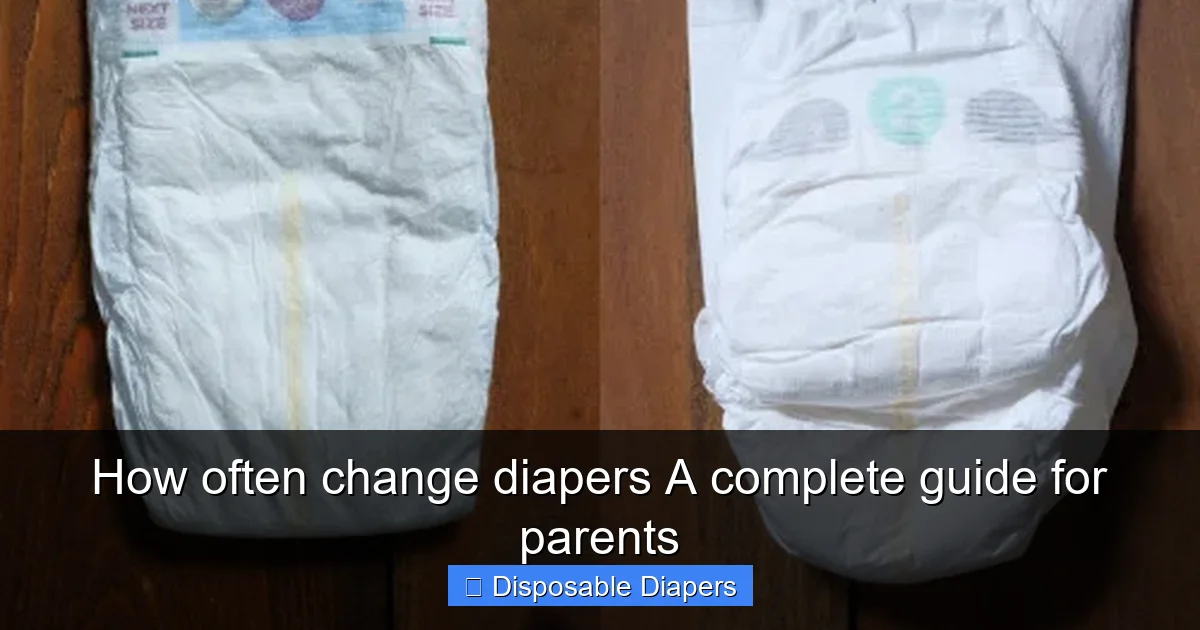
Visual guide about How often change diapers A complete guide for parents
Image source: nursinghometruth.com
When you know how often change diapers, you can:
- Keep your baby dry and comfortable
- Reduce the risk of diaper rash and infections
- Avoid leaks and blowouts
- Use diapers more efficiently without wasting them
- Build a routine that makes your day feel calmer and more predictable
The key is to balance comfort and skin health with the strong absorbency of modern disposable diapers. You do not need to change every tiny wet spot, but you should not wait so long that your baby’s skin suffers.
General Guidelines: How Often Change Diapers by Age
Every baby is unique, but you can use age-based ranges as a helpful starting point. These are average guidelines for disposable diapers and a healthy baby with no rash.

Visual guide about How often change diapers A complete guide for parents
Image source: i.pinimg.com
Newborns (0–1 month)
Newborns pee and poop very often. In the first weeks, you will see many small pees and frequent stools, especially if breastfeeding.
- Average changes per day: 8–12 times
- Typical gap between changes: Every 2–3 hours, plus after every poop
- Rule of thumb: Check the diaper at least every 2 hours while awake
At this stage, focus less on counting and more on checking often. When thinking about how often change diapers for a newborn, remember their skin is very delicate. Frequent changes help prevent rash and keep the umbilical area clean and dry.
Young Infants (1–3 months)
By one to three months, your baby may pee in larger amounts but a bit less often. Stools may also become more predictable.
- Average changes per day: 6–10 times
- Typical gap between changes: Every 3 hours or so, plus after every poop
- Rule of thumb: Do a quick diaper check at each feed
When planning how often change diapers for this age, use feeding times as a natural reminder. Many babies poop during or right after a feed, so build a quick diaper check into that routine.
Older Infants (3–12 months)
From three months to a year, babies usually pee less often but in larger amounts. They may also sleep longer stretches at night.
- Average changes per day: 5–8 times
- Typical gap between changes: Every 3–4 hours while awake, plus after every poop
- Rule of thumb: Do at least one change between each nap
At this stage, how often change diapers may depend on your baby’s drinking pattern. More fluids mean more wet diapers. As solids are added, poop may become less frequent but smellier, so quick changes after bowel movements remain very important.
Toddlers (12–24+ months)
Toddlers may have fewer wet diapers but larger pees. Some may start showing signs of readiness for potty training.
- Average changes per day: 4–6 times
- Typical gap between changes: Every 3–4 hours, plus after every poop
- Rule of thumb: Check before and after naps, and before going out
When thinking about how often change diapers for toddlers, remember they are more active. A sagging or full diaper can cause chafing and leaks as they run, climb, and play.
How Often Change Diapers: Daytime Routine
Daytime is when most of the changing happens. Here is how to build a simple routine so you do not have to guess how often change diapers during the day.
Visual guide about How often change diapers A complete guide for parents
Image source: shoestringbaby.com
Step 1: Start with a Morning Change
Always begin the day with a fresh diaper. Even if the diaper is not fully soaked, it has been on all night. A morning change resets the clock and keeps your baby comfortable.
- Change as soon as the baby wakes up fully
- Use this time to apply a thin layer of barrier cream if needed
- Check for any redness or rash from the night
Step 2: Change at or Around Each Feed
An easy way to remember how often change diapers is to link changes to feeds. Most babies feed every 2–4 hours. That is also a good window for diaper checks.
- Before a feed: Change if the diaper is clearly wet, heavy, or dirty
- After a feed: Check again, since many babies poop during or right after feeding
This simple habit helps you avoid long stretches in a wet diaper without needing to watch the clock all day.
Step 3: Always Change After Poop
How often change diapers after a poop is easy: every time, as soon as you notice. Poop is much harsher on skin than urine and can cause fast irritation.
- Do not wait, even if your baby just pooped “a little”
- If you smell something, check the diaper right away
- Clean gently but thoroughly, then dry the area before putting on a new diaper
Step 4: Check Every 2–3 Hours for Young Babies
For newborns and small infants, plan to check the diaper every 2–3 hours while they are awake. You do not always need to change, but you should look or feel for wetness and fullness.
- Use the diaper’s wetness indicator line if it has one
- Gently squeeze the front of the diaper to feel if it is full
- If in doubt, change—better a slightly early change than a rash
Step 5: For Older Babies, Aim for Every 3–4 Hours
As your baby grows, you can often stretch how often change diapers to every 3–4 hours during the day, as long as the diaper is not very full and the skin looks healthy.
- Always change if the diaper is sagging or feels heavy
- Use playtime, before going out, and before naps as natural change times
- Still change immediately after poops, no matter the schedule
How Often Change Diapers at Night
Nighttime is different. Your goal is to protect your baby’s skin while still letting everyone sleep. With disposable diapers, you can usually go longer between changes at night, but you must be smart about it.
Nighttime Basics
When thinking about how often change diapers at night, use these general rules:
- Always change before bedtime.
- Change poop right away, even at night.
- Wet-only diapers can sometimes stay on longer if they are not fully soaked.
Newborn Nighttime Changes
Newborns wake often to feed. In the early weeks, you will probably change diapers at almost every night feeding.
- Expect to change diapers every 2–3 hours at night
- Change after or in the middle of the feed, when the baby is already awake
- Keep lights low and voices soft to avoid fully waking the baby
At this stage, how often change diapers at night is similar to daytime because newborns pee and poop so often.
Older Baby Nighttime Changes
As your baby starts to sleep longer stretches, you can adjust how often change diapers at night.
- Use a high-absorbency nighttime disposable diaper
- Change right before bed, applying a barrier cream if needed
- If the baby wakes to feed, check the diaper:
- If it is only slightly wet and the skin looks fine, you may not need to change
- If it is very full, sagging, or has poop, change it
Many parents find that from about 3–4 months, they can go one long stretch at night with a good quality disposable diaper, as long as there is no poop and the baby’s skin tolerates it well.
When You Should Always Change at Night
No matter your baby’s age, you should always change the diaper at night if:
- You smell or see poop
- The diaper is leaking or clothes are wet
- Your baby is very fussy and you suspect discomfort from a full diaper
- Your baby has a diaper rash or very sensitive skin
In these cases, how often change diapers at night should be more frequent to protect the skin, even if it means a bit less sleep for a few nights.
How to Tell When a Diaper Needs Changing
Guidelines are helpful, but your baby’s diaper will also “tell” you when it needs to be changed. Learning these signs makes it easier to know how often change diapers for your own child.
Visual and Touch Signs
- Wetness indicator: Many disposable diapers have a line that changes color when wet.
- Fullness: Gently press or squeeze the front and bottom of the diaper. A full diaper feels squishy and bulky.
- Sagging: If the diaper hangs low or looks droopy, it is likely time for a change.
- Leaks: Wet spots on clothing or bedding mean the diaper is past due for a change or not the right size.
Smell and Sound
- Odor: Poop usually has a clear smell. Even breastfed baby poop, which can be milder, is still noticeable.
- Gas and grunts: If you hear your baby grunting or passing gas and then smell something, check the diaper.
Baby’s Behavior
- Fussiness: Some babies cry or fuss when they are wet or dirty.
- Pulling at the diaper: Older babies and toddlers may tug at the diaper or try to remove it when it is uncomfortable.
- Restless sleep: Waking more than usual may sometimes be due to a very full or dirty diaper.
Use these signs along with age-based guidelines to fine-tune how often change diapers for your baby.
Skin Care: Why It Affects How Often Change Diapers
How often change diapers is closely linked to diaper rash. The longer skin sits in moisture or poop, the higher the risk. Good skin care helps you stretch changes when needed, especially at night, without harming the skin.
Basic Diaper Area Care
- Wipe gently: Use soft wipes or a damp cloth. Wipe front to back, especially for girls.
- Pat dry: Allow the area to air dry for a few seconds or gently pat dry with a clean cloth.
- Barrier cream: Apply a thin layer of zinc oxide or petroleum-based cream if your baby is prone to rash or if you expect a long stretch (like nighttime).
When to Change More Often
You should increase how often change diapers when:
- Your baby already has a diaper rash
- Your baby has diarrhea or very frequent stools
- Your baby is on antibiotics, which can change stool and increase rash risk
- Your baby is teething and has looser stools
In these cases, change wet diapers more often than usual, not just dirty ones, to keep the area as dry as possible.
Special Situations: How Often Change Diapers on the Go
Leaving the house changes the routine. It can be harder to know how often change diapers when you are out, but a little planning helps.
Before You Leave
- Always change your baby’s diaper right before you go out
- Pack more diapers than you think you will need (at least 1–2 per hour for newborns, 1 per 2–3 hours for older babies)
- Bring wipes, a changing pad, and a spare outfit
While You Are Out
When deciding how often change diapers outside the home:
- Check at least every 2–3 hours, or sooner for newborns
- Change right away if the diaper is dirty, even if it is inconvenient
- If there is no changing table, use your portable changing pad on a clean, flat surface
On Long Trips
For long car rides or flights, how often change diapers depends on your baby’s age, but aim for:
- Newborns: Every 2–3 hours, plus after every poop
- Older babies: Every 3–4 hours, plus after every poop
Plan breaks around these times so you can change in a bathroom rather than in the car whenever possible.
Choosing the Right Disposable Diaper Affects Frequency
How often change diapers also depends on the type and size of disposable diaper you use. A well-fitting, absorbent diaper can safely last longer than a thin, poorly fitting one.
Size and Fit
- Correct size: Too small and it will leak and fill too fast; too big and it will sag and rub.
- Snug but not tight: You should be able to slip a finger under the waistband and leg cuffs.
- Check weight ranges: Use the weight guide on the diaper package as a starting point.
Day vs Night Diapers
For day use, regular disposable diapers are usually enough, since you change often. At night, consider:
- Using a “nighttime” or “extra absorbent” disposable diaper
- Going up one size at night for more absorbency, if it still fits well at the waist and legs
- Adding a barrier cream to protect skin during longer stretches
With the right diaper, you may safely extend how often change diapers at night, as long as your baby’s skin stays healthy and there is no poop.
Troubleshooting Common Diaper Problems
Even when you follow all the rules about how often change diapers, you may still run into issues. Here is how to handle common problems.
Frequent Diaper Rash
If your baby often has a rash, reconsider how often change diapers and your routine.
- Increase changes, especially after wet diapers, not just poop
- Let the diaper area air dry for a few minutes at each change
- Use a thicker layer of barrier cream
- Consider switching diaper brands if the rash persists
If the rash does not improve in a few days, or if it looks severe, call your pediatrician.
Leaks and Blowouts
Leaks do not always mean you need to change more often. Sometimes they mean you need a different size or fit.
- Check that the diaper is the right size for your baby’s weight
- Make sure leg cuffs are pulled out, not tucked in
- Point baby boys’ penis downward before closing the diaper
- Change a bit more often if the diaper is always full when it leaks
Very Heavy Wetters
Some babies pee a lot at once. For them, how often change diapers may need to be more frequent than average.
- Use more absorbent disposable diapers, especially at night
- Change more often during heavy drinking times (like after big bottles)
- Consider limiting large drinks right before bedtime, if age-appropriate and approved by your pediatrician
Baby Hates Diaper Changes
If your baby cries or fights diaper changes, it can be tempting to stretch how often change diapers. Try instead to make changes quicker and more fun.
- Keep everything ready before you start
- Use a toy or song as a distraction
- Talk calmly and move efficiently
- For older babies, offer a special “diaper time” toy only used during changes
Sample Daily Diaper Changing Schedules
To make all of this more concrete, here are sample routines that show how often change diapers in a typical day. Remember, these are examples, not strict rules.
Newborn Sample Day
- 7:00 – Baby wakes, diaper change
- 9:00 – Feed, diaper check and change if wet or dirty
- 11:00 – Feed, diaper change (often poop)
- 1:00 – Diaper check and change if needed
- 3:00 – Feed, diaper change
- 5:00 – Diaper check and change if needed
- 7:00 – Bedtime routine, diaper change
- Night – Change at each feed (every 2–3 hours), especially after poop
6-Month-Old Sample Day
- 7:00 – Wake and diaper change
- 9:30 – Before nap, diaper check and change if needed
- 12:00 – After nap and feed, diaper change
- 2:30 – Before nap, diaper check and change if needed
- 5:00 – Diaper change before dinner
- 7:30 – Bedtime routine and diaper change
- Night – One check and change if baby wakes to feed, or if very full or dirty
Toddler Sample Day
- 7:00 – Wake and diaper change
- 10:00 – Mid-morning change if needed
- 1:00 – Before nap, diaper change
- 3:00 – After nap, diaper check and change if needed
- 6:30 – Evening diaper change
- 8:00 – Bedtime diaper change (fresh nighttime diaper)
- Night – Usually no change unless baby poops, leaks, or has rash
Use these examples to plan how often change diapers in a way that fits your baby’s sleep and feeding rhythm.
Adjusting as Your Baby Grows
The most important thing to remember about how often change diapers is that it changes over time. What works at two weeks will not be the same at six months or at eighteen months.
To keep up, you can:
- Notice patterns in your baby’s peeing and pooping
- Adjust change times around naps and feeds
- Watch your baby’s skin for any redness or irritation
- Revisit your routine during growth spurts, illness, or big schedule changes
There is no “perfect” number of diaper changes per day. The right answer to how often change diapers is the one that keeps your baby dry, comfortable, and rash-free, while also fitting your family’s life.
Conclusion
Knowing how often change diapers makes daily life with a baby feel much more manageable. In general, newborns need a change every 2–3 hours and after every poop, while older babies and toddlers can often go 3–4 hours between changes in disposable diapers, as long as they are only wet and the skin stays healthy. Nighttime changes can be less frequent with a good, absorbent diaper, but poop should always be changed right away.
Use age-based guidelines as a starting point, then watch your baby’s unique patterns, skin, and comfort. Over time, you will develop a natural sense of how often change diapers for your child, and diaper duty will become just another smooth part of your daily routine.
🎥 Related Video: Diaper changing hacks for new parents
📺 Taking Cara Babies
Here are more diaper changing tips: ➡️ Use a disposable pad for a quick clean up. ➡️ No diaper warmer? Hold the …