
Disposable diapers are convenient, but they come with hidden drawbacks many parents never hear about. This guide explains the main disposable diapers disadvantages, from skin issues and chemical exposure to long-term costs and environmental impact. You’ll learn how to spot problems early, what safer choices to make, and simple steps to protect your baby, your budget, and the planet.
Key Takeaways
- Point 1: Disposable diapers disadvantages include skin irritation, diaper rash, and allergic reactions caused by chemicals, fragrances, and poor airflow.
- Point 2: Long-term use of disposable diapers can be expensive, especially when you add up years of daily changes and premium brands.
- Point 3: Disposable diapers create huge amounts of non-biodegradable waste, making them one of the largest contributors to household trash.
- Point 4: Some disposable diapers contain chemicals and plastics that may worry parents who want a low-toxin environment for their baby.
- Point 5: Heavy reliance on disposable diapers can delay potty training and reduce a child’s awareness of wetness.
- Point 6: Parents can reduce disposable diapers disadvantages by choosing safer products, improving diaper routines, and mixing in cloth or eco options.
- Point 7: Understanding these disadvantages helps parents make informed, balanced decisions that fit their family’s health, lifestyle, and budget.
Introduction: Why Talk About Disposable Diapers Disadvantages?
Disposable diapers are everywhere. They are easy, quick, and simple. Most parents reach for them without thinking twice. But behind the convenience, there are important disposable diapers disadvantages that parents must know.
This guide is not here to scare you. It is here to inform you. When you understand disposable diapers disadvantages, you can make better choices. You can still use disposables if you want, but you will know how to reduce the risks. You will also learn what other options exist and how to combine them with your current routine.
In this complete how-to guide, you will learn:
- What the main disposable diapers disadvantages are
- How they affect your baby’s skin and health
- How they impact your budget over time
- How they affect the environment
- How to spot problems early and fix them
- How to reduce disposable diapers disadvantages step by step
By the end, you will feel confident. You will understand disposable diapers disadvantages in simple terms. And you will know exactly what to do next.
Step 1: Understand the Main Disposable Diapers Disadvantages
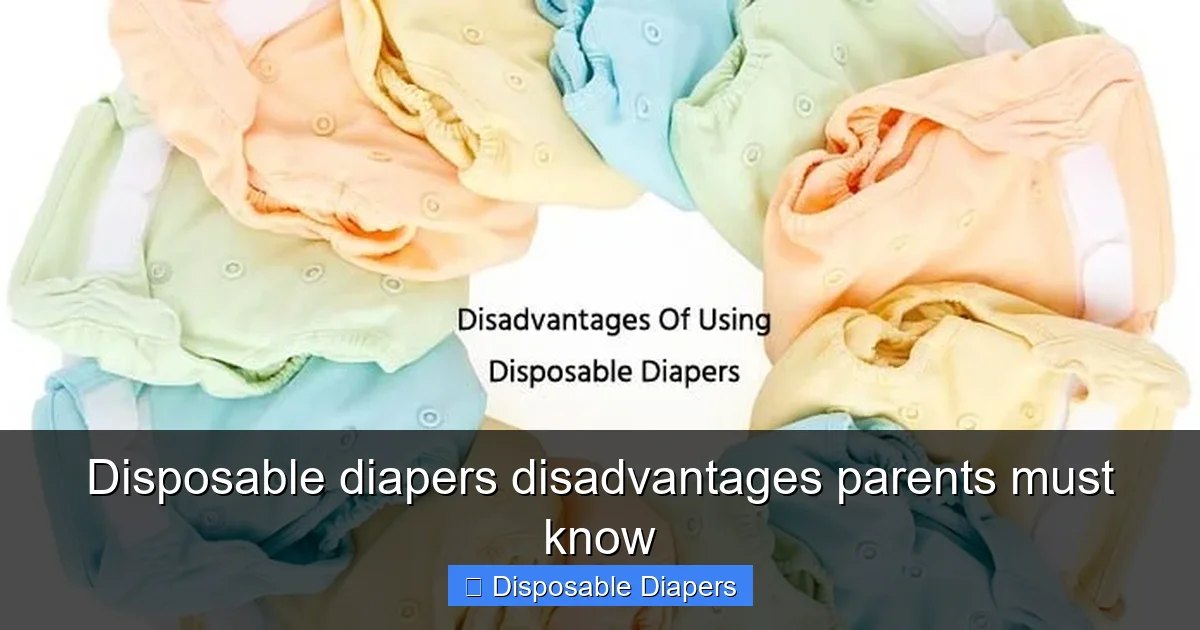
Before you can solve a problem, you need to see it clearly. The first step is to understand the main disposable diapers disadvantages. These disadvantages fall into four big areas: skin and health, cost, environment, and development.
Visual guide about Disposable diapers disadvantages parents must know
Image source: instah.com
1.1 Skin and Health Disadvantages
One of the biggest disposable diapers disadvantages is the effect on your baby’s skin. A disposable diaper keeps moisture, urine, and stool close to the skin. Even with absorbent cores, some dampness remains. Over time, this can cause problems.
- Diaper rash: Long contact with wetness and stool can irritate the skin. This leads to redness, bumps, and sore patches.
- Allergic reactions: Some babies react to fragrances, dyes, or materials in disposable diapers. This may show up as red spots, itching, or swelling.
- Poor airflow: Disposable diapers often trap heat and moisture. Warm, damp skin is more likely to get irritated or infected.
These skin issues are common disposable diapers disadvantages. But with the right care, you can reduce them a lot.
1.2 Chemical and Material Concerns
Another set of disposable diapers disadvantages comes from the materials and chemicals used. Not all diapers are the same, but many contain:
- Fragrances and lotions that can irritate sensitive skin
- Dyes used in patterns and wetness indicators
- Plastics and polymers that make the diaper waterproof and super absorbent
Some parents worry about long-term exposure to certain chemicals, even at low levels. While many diapers are tested for safety, the concern itself is a disadvantage. It creates stress and doubt for parents who want a low-toxin home.
1.3 Cost Disadvantages
Disposable diapers disadvantages are not just about health. They also hit your wallet. At first, a pack of diapers does not seem too expensive. But add it up over years.
Most babies use diapers for 2 to 3 years. Many use 6 to 10 diapers a day in the early months. That can mean thousands of diapers. When you calculate the total cost, disposable diapers can reach into the thousands of dollars per child.
Premium or “eco” brands can cost even more. This is one of the most overlooked disposable diapers disadvantages. The cost is slow and spread out, so it is easy to ignore. But it is real and can strain a family budget.
1.4 Environmental Disadvantages
One of the biggest disposable diapers disadvantages is the impact on the environment. Disposable diapers create a lot of waste. Each diaper is used once and then thrown away. Most of that diaper is plastic or mixed material that does not break down quickly.
Some key environmental disposable diapers disadvantages include:
- Huge waste volume: Billions of disposable diapers go to landfills each year worldwide.
- Slow breakdown: Many parts of a diaper can take decades or longer to decompose.
- Resource use: Making disposable diapers uses wood pulp, plastics, water, and energy.
Parents who care about sustainability often feel guilty or stressed about this. That emotional burden is another side effect of disposable diapers disadvantages.
1.5 Development and Potty Training Disadvantages
There is also a less obvious set of disposable diapers disadvantages around child development. Disposable diapers are very absorbent and keep your baby feeling dry. This sounds great, but it can have a downside.
- Babies may not feel when they are wet or have peed.
- They may not connect the feeling of needing to go with the result.
- This can delay awareness of their body’s signals.
Some experts believe this can slow down potty training. Cloth diapers or training pants let the child feel wet sooner. That feedback helps them learn faster. So one of the subtle disposable diapers disadvantages is that they may make toilet learning take longer.
Step 2: Spot Signs Your Baby Is Affected by Disposable Diapers Disadvantages
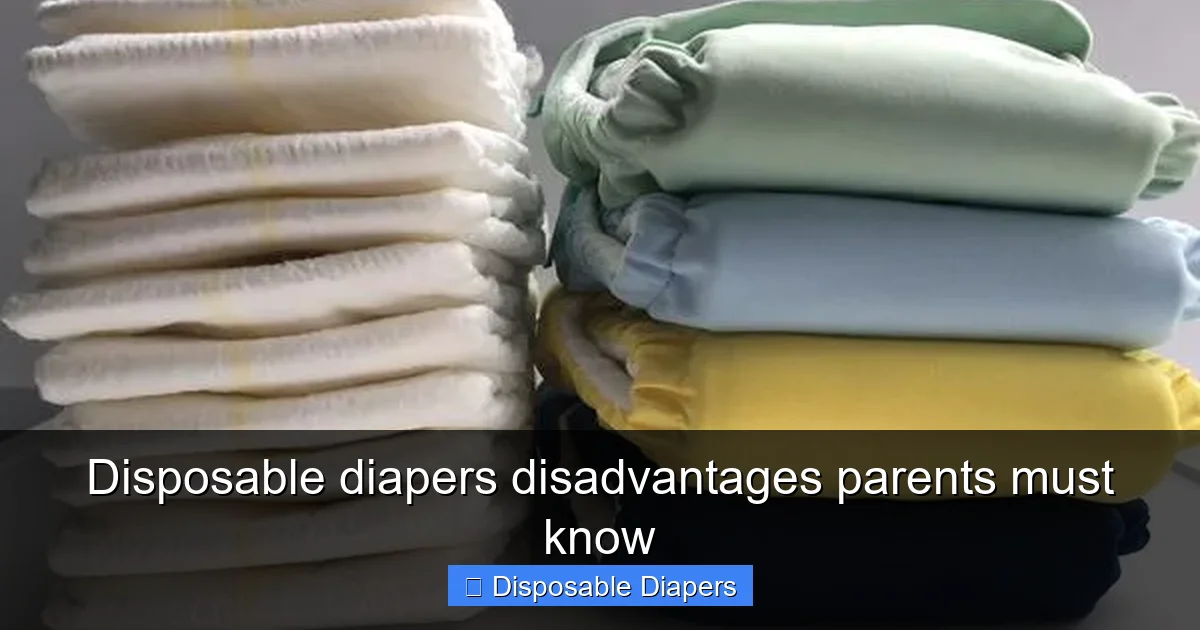
Once you know the main disposable diapers disadvantages, the next step is to watch for signs. Not every baby will have problems. But many will show small clues that something is not right.
Visual guide about Disposable diapers disadvantages parents must know
Image source: e3effa51eee72fd900e3-2fb779bd12ec72d4612275342f2c9187.ssl.cf1.rackcdn.com
2.1 Watch for Skin Reactions
Skin is often the first place you will see disposable diapers disadvantages. Check your baby’s diaper area at every change.
- Redness: Mild redness that fades quickly may be normal. But deep red or shiny skin can be a sign of irritation.
- Rash with bumps: Little red bumps, especially in skin folds, can mean a diaper rash or yeast infection.
- Dry or flaky skin: Some diapers or wipes can dry out the skin too much.
- Swelling or welts: These may be signs of an allergic reaction to the diaper materials.
If you see these signs often, they may be linked to disposable diapers disadvantages. You do not have to accept them as “normal.”
2.2 Notice Odors and Moisture
Another clue to disposable diapers disadvantages is how the diaper smells and feels.
- Strong chemical or perfume smell: This can show heavy use of fragrances. Some babies react to these.
- Very strong urine smell: If the diaper traps odors, it may be keeping moisture too close to the skin.
- Leaking: Frequent leaks mean the diaper does not fit well or is not absorbent enough. This leads to more wet contact with skin.
These issues can increase skin problems and discomfort. They also mean you use more diapers, which adds to the cost and waste disadvantages.
2.3 Track Frequency of Rashes and Infections
Keep a simple mental note or a small log of how often your baby gets diaper rash or related issues. Repeated rashes, yeast infections, or skin breakdown are clear signs that disposable diapers disadvantages are affecting your child.
If you see a pattern, it is time to take action. The next steps will show you how.
Step 3: Reduce Skin-Related Disposable Diapers Disadvantages
Now that you can spot problems, let’s work on solutions. Many disposable diapers disadvantages can be reduced with good diaper care and smart product choices.
Visual guide about Disposable diapers disadvantages parents must know
Image source: connectusfund.org
3.1 Change Diapers More Often
One of the simplest ways to reduce disposable diapers disadvantages is to change diapers more often. Even “ultra-absorbent” diapers should not stay on too long.
- Aim to change every 2 to 3 hours during the day.
- Change as soon as possible after a poop.
- For newborns, you may need to change even more often.
Frequent changes reduce contact with moisture and stool. This lowers the risk of rashes and irritation.
3.2 Let the Skin Breathe
Disposable diapers disadvantages often come from poor airflow. You can balance this by giving your baby “diaper-free” time each day.
- Lay a towel or waterproof pad on the floor.
- Let your baby lie or crawl without a diaper for 10–20 minutes.
- Do this once or twice a day if you can.
Fresh air helps the skin heal and stay healthy. It is a simple and natural way to fight disposable diapers disadvantages.
3.3 Use Gentle Cleansing and Barrier Creams
Harsh wipes and soaps can make disposable diapers disadvantages worse. Choose simple, gentle products.
- Use fragrance-free, alcohol-free wipes, or even plain water and soft cloths.
- Pat the skin dry instead of rubbing.
- Apply a thin layer of barrier cream (like zinc oxide) to protect the skin from moisture.
This creates a shield between the skin and the diaper. It reduces friction and irritation from disposable diapers.
3.4 Switch Diaper Brands or Types
If rashes or reactions continue, one of the key ways to address disposable diapers disadvantages is to switch products.
- Try fragrance-free or “sensitive” disposable diapers.
- Look for diapers without dyes or printed patterns on the inside.
- Consider “eco” or plant-based disposables with fewer synthetic materials.
Every baby is different. A brand that causes problems for one child may be fine for another. Testing a few options can help you reduce the impact of disposable diapers disadvantages on your baby’s skin.
Step 4: Manage the Cost Disadvantages of Disposable Diapers
Next, let’s look at how to reduce the financial disposable diapers disadvantages. You do not have to feel trapped by rising diaper bills.
4.1 Estimate Your Real Diaper Costs
Start by getting clear on how much you are spending. This helps you see the full weight of disposable diapers disadvantages on your budget.
- Count how many diapers you use in a day on average.
- Multiply by 30 to get a monthly estimate.
- Multiply by the cost per diaper to see your monthly and yearly total.
When you see the numbers, you may be more motivated to make changes that reduce these disposable diapers disadvantages.
4.2 Buy Smart, Not Just Cheap
To cut costs, some parents go straight to the cheapest diapers. But this can backfire. Low-quality diapers may leak more or cause rashes. That means more changes, more creams, and more stress.
Instead:
- Watch for sales on trusted brands.
- Buy in bulk sizes that your baby will fit for a while.
- Join store loyalty programs or subscribe-and-save plans.
This way you reduce cost-related disposable diapers disadvantages without sacrificing your baby’s comfort.
4.3 Mix in Reusable Options
One powerful way to reduce disposable diapers disadvantages is to use fewer of them. You do not have to go 100% cloth to see a benefit.
- Use cloth diapers at home and disposables when out.
- Use cloth during the day and disposables at night.
- Try reusable cloth diaper covers with disposable inserts.
Even replacing a few disposable diapers each day can save money over time. It also reduces environmental disposable diapers disadvantages.
Step 5: Reduce the Environmental Disadvantages
Many parents feel guilty about the environmental disposable diapers disadvantages. The good news is, you can make a difference without giving up all convenience.
5.1 Use Fewer Disposables When Possible
The most direct way to reduce environmental disposable diapers disadvantages is to use fewer disposable diapers overall.
- Add even one or two cloth diaper changes per day.
- Use cloth training pants when your child is older.
- Use reusable swim diapers instead of disposables.
These small steps add up over months and years. They cut down on waste and the resources used to make disposables.
5.2 Choose “Greener” Disposable Diapers
Not all disposable diapers have the same environmental impact. Some brands try to reduce disposable diapers disadvantages by using:
- More plant-based materials
- Less plastic
- Chlorine-free processing of the absorbent core
- Minimal or recyclable packaging
These diapers still create waste, but they may be a better option if you want to balance convenience with lower environmental disposable diapers disadvantages.
5.3 Dispose of Diapers Responsibly
How you throw away diapers also affects disposable diapers disadvantages.
- Always shake solid poop into the toilet before tossing the diaper, when possible.
- Wrap the diaper tightly to reduce odor and bulk.
- Use a simple trash can with a lid instead of heavy plastic liners when you can.
These steps will not remove all environmental disposable diapers disadvantages, but they can reduce smell, mess, and some waste volume.
Step 6: Handle Development and Potty Training Disadvantages
Now let’s address the developmental side of disposable diapers disadvantages. You can support your child’s learning even if you still use disposables.
6.1 Build Body Awareness Early
Even with very absorbent diapers, you can help your child connect to their body’s signals.
- Use simple words like “pee” and “poop” from an early age.
- Tell your baby “You are wet, time for a fresh diaper” during changes.
- Let them see and understand what is happening in a calm, matter-of-fact way.
This gentle awareness helps balance the development-related disposable diapers disadvantages.
6.2 Introduce Cloth or Training Pants Part-Time
As your child gets older, you can use cloth trainers or cotton underwear at home, even for short periods.
- Start with short “underwear time” after a potty visit.
- Expect accidents and stay calm.
- Gradually increase the time in less absorbent bottoms.
Feeling wet helps your child notice when they have gone. This can speed up toilet learning and reduce the potty training disadvantages of disposable diapers.
6.3 Watch for Readiness Signs
Do not let the comfort of disposables make you ignore potty readiness. Look for signs like:
- Staying dry for longer stretches
- Showing interest in the toilet
- Hiding to poop or telling you when they are wet
When you see these signs, start gentle potty training, even if you still use disposable diapers part of the time. This reduces the risk that disposable diapers disadvantages will delay your child’s progress.
Troubleshooting Common Problems Linked to Disposable Diapers Disadvantages
Even with good habits, you may still run into issues. Here is how to troubleshoot common problems related to disposable diapers disadvantages.
Problem 1: Constant Diaper Rash
Possible causes: Infrequent changes, harsh wipes, reaction to diaper materials, yeast infection.
What to do:
- Increase how often you change diapers.
- Switch to water and soft cloth or very gentle wipes.
- Try a different diaper brand, ideally fragrance-free.
- Use a barrier cream at every change.
- If rash does not improve in a few days, talk to your pediatrician in case it is a yeast or bacterial infection.
Problem 2: Sudden Allergic-Looking Reaction
Possible causes: New diaper brand, new wipes, added fragrance or lotion.
What to do:
- Stop using the new product right away.
- Switch to the simplest, most basic diaper and wipe option you can find.
- Use cool water to clean and pat dry.
- See your doctor if there is swelling, open sores, or if your baby seems very uncomfortable.
Problem 3: Frequent Leaks or Blowouts
Possible causes: Wrong size, poor fit, low-quality diaper, baby between sizes.
What to do:
- Check the weight range on the diaper package and adjust size if needed.
- Make sure the leg cuffs are pulled out, not tucked in.
- Try a different brand with a better fit for your baby’s body shape.
- Consider using a diaper cover over the disposable for long trips or nights.
Leaks can increase some disposable diapers disadvantages by causing more skin contact with urine and stool, so it is worth fixing this quickly.
Problem 4: Feeling Overwhelmed by Waste and Guilt
Possible causes: Awareness of environmental disposable diapers disadvantages, social pressure, eco-anxiety.
What to do:
- Remember that you are doing your best with the tools and time you have.
- Focus on small, realistic changes instead of perfection.
- Add one cloth change per day or switch to a slightly greener brand.
- Celebrate every step that reduces disposable diapers disadvantages, no matter how small.
Conclusion: Making Informed Choices About Disposable Diapers Disadvantages
Disposable diapers have changed parenting. They save time and make life easier in many ways. But they also come with real costs and risks. Skin problems, chemical concerns, high long-term costs, and environmental impact are all important disposable diapers disadvantages parents must know.
You do not have to choose between “all disposable” and “all cloth.” There is a wide middle ground. You can:
- Use disposables, but change often and care for your baby’s skin carefully.
- Pick simpler, lower-chemical diaper brands when possible.
- Mix in cloth or reusable options part-time to cut costs and waste.
- Support your child’s body awareness and potty training, even in disposables.
When you understand disposable diapers disadvantages, you gain power. You can decide what trade-offs you accept and where you want to make changes. The goal is not perfection. The goal is a healthy, happy baby and a routine that works for your family and your values.
Use this guide as a starting point. Adjust step by step. Over time, you will find a balance that reduces disposable diapers disadvantages while keeping the convenience you need.
🎥 Related Video: Is it safe to use baby diapers? answered by Dr. Abinaya Mathankumar MD, Pediatrician.
📺 Doctor Mommies