
This cloth vs disposable diapers guide for new parents walks you through the real differences in cost, convenience, comfort, and environmental impact. You will learn how each diaper type works, how to use them day to day, and how to decide which option (or mix of both) fits your baby, budget, and lifestyle. By the end, you will feel confident choosing diapers without guilt, confusion, or overwhelm.
Cloth vs disposable diapers guide for new parents
Becoming a parent means making a lot of decisions, and diapers are one of the biggest daily choices. You may be wondering if cloth diapers or disposable diapers are better for your baby, your budget, and your schedule. This cloth vs disposable diapers guide for new parents will walk you through everything you need to know in simple, clear steps.
In this guide, you will learn how each diaper type works, what they really cost, how they affect the environment, and how to use them day to day. You will also see sample routines, troubleshooting tips, and a simple decision checklist. By the end, you will feel more confident choosing cloth, disposable diapers, or a mix of both.
Key Takeaways
- Point 1: Both cloth and disposable diapers can keep your baby dry and healthy when used correctly; the best choice depends on your lifestyle and priorities.
- Point 2: Disposable diapers win for convenience and time-saving, while cloth diapers usually save more money in the long run, especially for multiple children.
- Point 3: Cloth diapers reduce landfill waste, but they use water and energy for washing; disposables create more trash but are very easy to use on the go.
- Point 4: Many parents use a hybrid approach, choosing cloth at home and disposable diapers for nights, travel, and daycare.
- Point 5: Your baby’s skin sensitivity may guide your choice; some babies do better in cloth, others in disposable diapers, and some need fragrance‑free or hypoallergenic options.
- Point 6: Planning ahead with the right supplies, storage, and routine makes any diaper system smoother and less stressful.
- Point 7: You are not locked into one choice; you can switch between cloth and disposable diapers as your baby and family needs change.
Step 1: Understand the basics of cloth vs disposable diapers
Before you choose, it helps to understand what cloth and disposable diapers actually are and how they work. This cloth vs disposable diapers guide for new parents starts with the basics so nothing feels confusing or technical.
What are disposable diapers?
Disposable diapers are single-use diapers that you throw away after each use. They are made of several layers. The inner layer is soft to touch your baby’s skin. The middle layer contains super-absorbent materials that soak up urine and lock it in. The outer layer is waterproof to prevent leaks.
Most disposable diapers also have stretchy tabs and a wetness indicator line that changes color when the diaper is wet. They come in sizes based on your baby’s weight, from newborn to size 6 or 7 for older toddlers.
What are cloth diapers?
Cloth diapers are reusable diapers made from fabric. You wash and reuse them instead of throwing them away. There are several styles, but they all have an absorbent part and a waterproof outer layer or cover.
Common types of cloth diapers include:
- Prefolds and flats: Rectangular pieces of fabric that you fold and secure with a fastener, then cover with a waterproof cover.
- Fitted diapers: Shaped like a disposable diaper, but made from absorbent fabric and used with a separate waterproof cover.
- Pocket diapers: A waterproof outer shell with a pocket where you stuff absorbent inserts.
- All-in-one (AIO) diapers: Everything is sewn together in one piece, similar to a disposable diaper in how you put it on.
Cloth diapers fasten with snaps, Velcro, or pins. They come in sized options or “one-size” styles that adjust as your baby grows.
Key differences at a glance
- Use: Disposable diapers are used once and tossed. Cloth diapers are washed and reused many times.
- Cost: Disposable diapers cost less up front but more over time. Cloth diapers cost more at the start but usually save money in the long run.
- Time: Disposable diapers save time because there is no washing. Cloth diapers require washing, drying, and some extra handling.
- Waste: Disposable diapers create more trash. Cloth diapers reduce solid waste but use water and energy for washing.
With this cloth vs disposable diapers guide for new parents, keep in mind there is no single “right” answer. Both options can work well for your baby.
Step 2: Compare cost: short-term vs long-term
Money is a big part of the cloth vs disposable diapers guide for new parents. Diapers are a daily expense, so small differences add up over time.
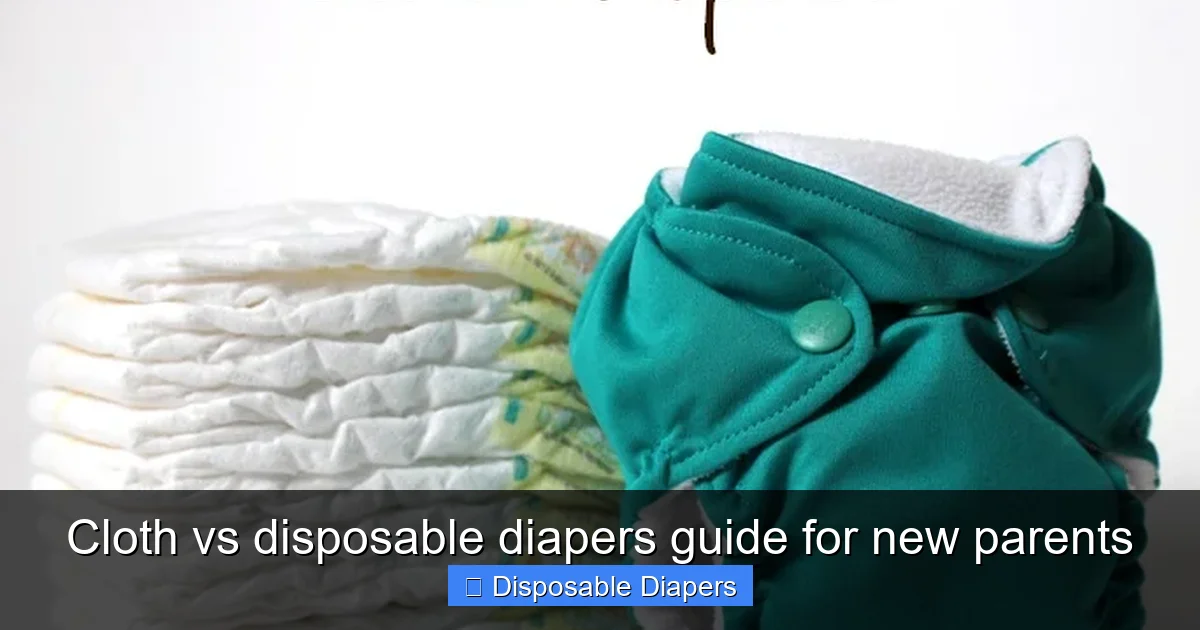
Visual guide about Cloth vs disposable diapers guide for new parents
Image source: thinking-about-cloth-diapers.com
Cost of disposable diapers
Disposable diapers are paid for as you go. You buy packs or boxes when you need them. On average, a baby uses 8–12 diapers per day in the first few months, and 6–8 per day later on.
Here is a simple way to think about cost:
- Per diaper: Many mainstream disposable diapers cost between $0.20 and $0.40 per diaper, depending on brand and size.
- Per month: This can add up to about $60–$90 per month for one baby.
- Total cost to potty training: Over 2.5–3 years, many families spend between $1,800 and $2,500 or more on disposable diapers and wipes.
Prices vary by brand, store, and whether you buy in bulk or on sale. Premium, eco, or sensitive disposable diapers may cost more per diaper.
Cost of cloth diapers
Cloth diapers require a bigger up-front investment but can save money over time. You buy a set of diapers and reuse them for years.
Typical cloth diaper costs:
- Starter stash: For full-time use from birth to potty training, many parents buy 18–24 cloth diapers plus accessories. This can cost from $200 on the low end (simple prefolds and covers) to $600 or more (premium all-in-one diapers).
- Accessories: You may need wet bags, pail liners, cloth wipes, and detergent. These can add another $50–$150 over time.
- Laundry costs: Washing cloth diapers adds to your water, electricity, and detergent use. Many families estimate $10–$25 per month in extra laundry costs.
Over 2.5–3 years, cloth diapering one child often totals $600–$1,000, including laundry. If you use the same diapers for a second child, your total cost per child drops even more.
Which is cheaper for your family?
In this cloth vs disposable diapers guide for new parents, the general rule is:
- Short term (first few months): Disposable diapers may feel cheaper because you avoid a big up-front purchase.
- Long term (full diapering years): Cloth diapers usually cost less overall, especially if you buy used, choose simpler styles, or use them for more than one child.
If your budget is tight right now, you can start small. Some parents buy a few cloth diapers to use part-time and rely on disposable diapers the rest of the time. This spreads out costs and lets you test what works.
Step 3: Compare convenience and daily routine
Next in this cloth vs disposable diapers guide for new parents is convenience. Your time and energy are valuable, especially with a new baby.
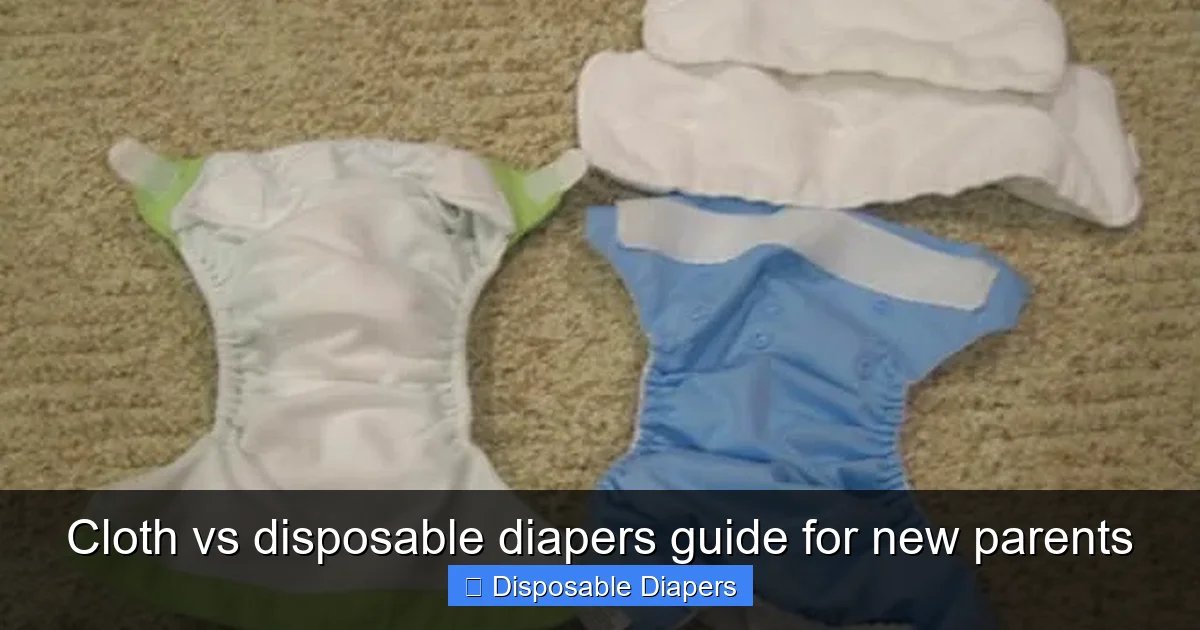
Visual guide about Cloth vs disposable diapers guide for new parents
Image source: static.diffen.com
Daily routine with disposable diapers
Using disposable diapers is simple and fast. Here is what a typical routine looks like:
- Change the diaper when it is wet or soiled.
- Wipe your baby clean with disposable or reusable wipes.
- Roll up the used diaper, fasten the tabs, and throw it in the trash or diaper pail.
- Put on a fresh disposable diaper.
There is no need to rinse, soak, or wash. You take out the trash regularly and buy more diapers when you run low. Disposable diapers are also easy for grandparents, babysitters, and daycare staff to use.
Daily routine with cloth diapers
Cloth diapers add a few extra steps, but many parents find a rhythm quickly. A basic cloth routine looks like this:
- Change the diaper when it is wet or soiled, just like with disposable diapers.
- Wipe your baby clean. Many parents use cloth wipes that can be washed with the diapers.
- Remove any solid waste into the toilet once your baby starts solids (newborn poop is usually water-soluble).
- Place the used cloth diaper in a dry pail or wet bag until wash day.
- On wash day, run a rinse cycle, then a hot wash with detergent, and a final rinse. Dry in the dryer or on a line.
This cloth vs disposable diapers guide for new parents would not be honest without saying: cloth diapers do take more time and effort. You will do extra laundry two or three times a week. However, many parents like having control over the fabrics and products that touch their baby’s skin.
Convenience on the go
When you leave the house, disposable diapers are very simple. You pack a few diapers, wipes, and a plastic bag for trash. You throw used diapers away wherever you are.
With cloth diapers, you pack clean diapers, cloth wipes or disposable wipes, and a wet bag to store used diapers until you get home. You do not throw the diaper away; you bring it back to wash.
Because of this, many families use cloth at home and disposable diapers when traveling, flying, or staying in places without easy laundry access. A mixed approach can give you the best of both worlds.
Step 4: Consider baby’s comfort and skin health
Comfort is a big part of the cloth vs disposable diapers guide for new parents. You want your baby to feel dry and happy.
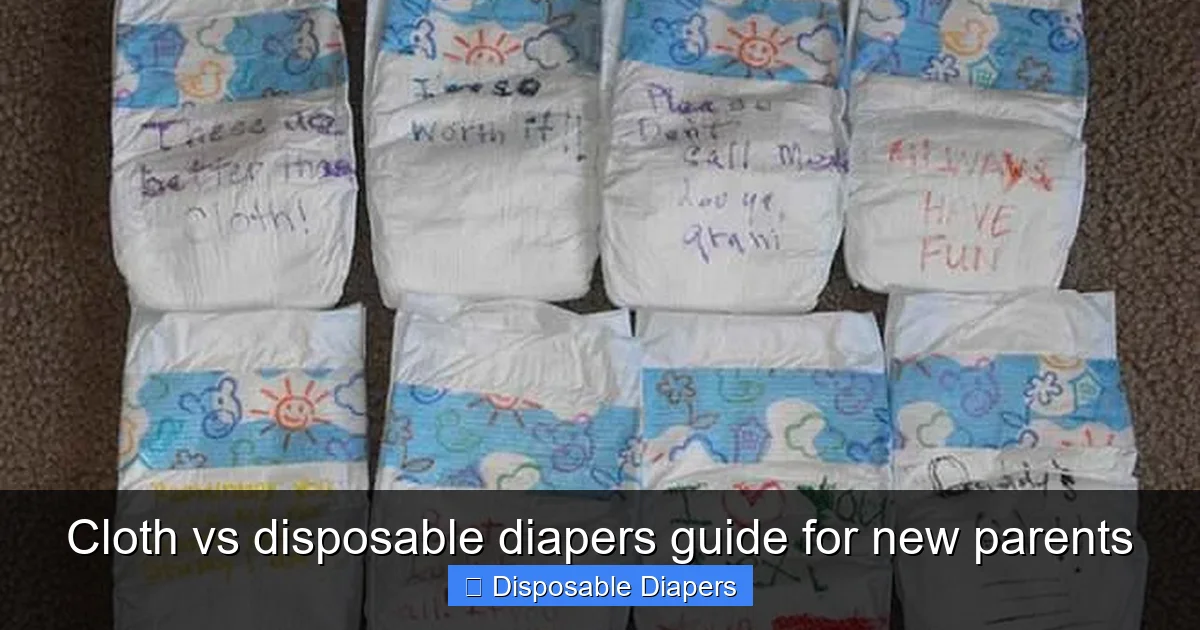
Visual guide about Cloth vs disposable diapers guide for new parents
Image source: static.diffen.com
Comfort with disposable diapers
Disposable diapers are designed to pull moisture away from the skin. The absorbent core locks in urine, so the inner layer can feel fairly dry. This can help reduce diaper rash for some babies.
However, disposable diapers may contain fragrances, dyes, or gels that can irritate very sensitive skin. Many brands now offer fragrance-free, hypoallergenic, or “sensitive” diapers to help with this.
Comfort with cloth diapers
Cloth diapers are made from natural or synthetic fabrics like cotton, bamboo, hemp, or microfiber. Many babies find them soft and comfortable. Because there are no gels, some parents feel better about using cloth on delicate skin.
Cloth diapers may feel wetter against the skin when soiled, especially if they do not have a stay-dry liner. Some parents see this as a benefit later on, because it can help toddlers notice when they are wet and support potty training.
Diaper rash and skin sensitivity
Both cloth and disposable diapers can cause or prevent diaper rash, depending on how they are used. The main causes of rash are:
- Staying in a wet or dirty diaper too long
- Sensitive skin or allergies
- New foods or antibiotics
- Strong detergents or products
To reduce rash, change diapers often, allow some diaper-free time, and use gentle creams when needed. If your baby reacts to one type of diaper, try switching to a different brand or from cloth to disposable diapers (or the other way around) to see if it helps.
Step 5: Think about environmental impact
Many parents care about the planet and want to know which option is greener. This cloth vs disposable diapers guide for new parents will keep it simple and realistic.
Environmental impact of disposable diapers
Disposable diapers create a large amount of solid waste. Each diaper is used once and thrown away. Most end up in landfills, where they can take many years to break down. The production of disposable diapers also uses raw materials, chemicals, and energy.
Some brands make “eco” or plant-based disposable diapers that use more sustainable materials and avoid certain chemicals. These may reduce some impact but still create waste.
Environmental impact of cloth diapers
Cloth diapers reduce landfill waste because you reuse each diaper many times. However, they require water, energy, and detergent for washing and drying. The overall impact depends on how you wash (water temperature, load size, dryer vs line drying) and how long you use them.
In general, cloth diapers have a lower long-term waste footprint, especially if you:
- Use them for more than one child
- Wash full loads efficiently
- Line dry when possible
- Choose durable, long-lasting diapers
If the environment is a top priority, cloth is usually the better choice. But even using cloth part-time instead of disposable diapers can reduce waste.
Step 6: Evaluate your lifestyle and support system
This cloth vs disposable diapers guide for new parents would not be complete without talking about your real life. Your schedule, housing, and support matter.
Questions to ask yourself
- Do you have easy access to a washing machine and dryer?
- Are you okay doing extra laundry two or three times a week?
- Does anyone else (partner, grandparents, daycare) help with diaper changes?
- Are they open to learning how to use cloth diapers, or do they prefer disposable diapers?
- Do you travel often or spend long days away from home?
- Is your budget tighter now or over the long term?
If you live in a small space, share laundry, or have limited time, disposable diapers may feel easier. If you are at home a lot and have your own washer, cloth may fit well.
Daycare and caregivers
Some daycare centers accept cloth diapers, but many prefer disposable diapers for simplicity. Always ask their policy before you decide. Grandparents and babysitters may also feel more comfortable with disposable diapers at first.
You can still use cloth at home and send disposable diapers to daycare. A flexible approach often works best for busy families.
Step 7: Try a hybrid approach (mixing cloth and disposable diapers)
Many families do not choose just one option. A big theme in this cloth vs disposable diapers guide for new parents is flexibility. You can combine both types in a way that fits your life.
Common hybrid setups
- Cloth at home, disposable diapers outside: Use cloth during the day at home, and switch to disposable diapers for outings, daycare, and trips.
- Disposable at night, cloth during the day: Some parents prefer the extra absorbency of disposable diapers at night to reduce leaks and changes.
- Cloth on weekdays, disposable on weekends (or vice versa): Create a rhythm that matches your work and family schedule.
- Cloth for baby, disposable diapers for newborn stage: Use disposable diapers for the first few weeks when you are recovering and adjusting, then switch to cloth later.
This flexible style can reduce waste and cost without feeling overwhelming. You are in charge, and you can change your system any time.
Step 8: How to start with disposable diapers (step-by-step)
Because this article is in the disposable diapers category, this cloth vs disposable diapers guide for new parents will give you a simple, clear path to start with disposable diapers. You can always add cloth later if you wish.
Step 8.1: Choose your disposable diaper brand and size
Start by buying a few small packs of different brands instead of one huge box. Babies grow fast, and every brand fits a little differently. Look for:
- A size that matches your baby’s weight (shown on the package)
- Soft, stretchy sides and a snug but gentle fit
- Fragrance-free or sensitive options if your baby has delicate skin
- A wetness indicator if you like that feature
Once you find a brand that fits well and does not cause irritation or leaks, you can switch to larger boxes to save money.
Step 8.2: Set up your changing area
Create a simple, safe diaper changing station. You do not need anything fancy. At minimum, you will need:
- A changing pad or safe surface
- Disposable diapers in the right size
- Wipes (disposable or reusable)
- Diaper cream or ointment for rash prevention
- A diaper pail or trash can with a lid
Keep everything within arm’s reach so you never leave your baby unattended on the changing surface.
Step 8.3: Learn the basic changing routine
Here is a simple step-by-step for using disposable diapers:
- Lay your baby on the changing pad and open the used diaper.
- Use the front of the diaper to wipe away any bulk mess, then fold it under your baby.
- Clean your baby with wipes from front to back (for girls) or all around (for boys).
- Let the skin dry for a moment. You can gently pat dry with a clean cloth if needed.
- Apply diaper cream if your baby is prone to rash.
- Slide a clean disposable diaper under your baby, pull the front up, and fasten the tabs snugly but not too tight.
- Roll up the used diaper, secure it with the tabs, and place it in your diaper pail or trash.
Check the diaper often, especially with newborns, and change it whenever it is wet or soiled. Disposable diapers are very absorbent, but long periods in a wet diaper can still cause irritation.
Step 8.4: Manage odor and trash
To keep your home smelling fresh when using disposable diapers:
- Use a diaper pail with a lid or a regular trash can with a tight lid.
- Empty the trash frequently, especially in hot weather.
- Consider using small scented bags or liners if odor is a concern.
- Rinse very messy diapers (optional) before throwing away if odor bothers you, but this is not required.
Some communities offer special waste guidelines for diapers, so check local rules if you are unsure.
Step 9: How to start with cloth diapers (optional overview)
Even though this cloth vs disposable diapers guide for new parents focuses on disposable diapers, many readers want at least a quick overview of how to start with cloth. Here is a simple outline.
Step 9.1: Build a small test stash
Instead of buying a huge cloth collection right away, start with:
- 6–8 cloth diapers in 2–3 different styles
- 1–2 waterproof wet bags for storing used diapers
- 1 pail liner if you plan to use a diaper pail
- Cloth-friendly detergent (no fabric softener)
This lets you try cloth part-time and see what you like before investing more.
Step 9.2: Learn the wash routine basics
A simple wash routine usually looks like:
- Cold rinse or quick wash with no or little detergent
- Hot wash with full recommended detergent
- Extra rinse to remove any leftover detergent
- Dry on low in the dryer or hang to dry
Always follow the care instructions from the diaper maker to protect elastic and waterproof layers.
Troubleshooting common diaper problems
No cloth vs disposable diapers guide for new parents is complete without troubleshooting. Every parent faces leaks, rashes, or fit issues at some point.
Problem 1: Leaks
Possible causes: Wrong size, poor fit, not enough absorbency, or waiting too long between changes.
Solutions:
- Check the weight range on your disposable diapers and size up or down if needed.
- Make sure the diaper is snug around the legs and waist, with ruffles pulled out, not tucked in.
- Change more often, especially with newborns or heavy wetters.
- For cloth, add an extra insert or booster for naps and nights.
Problem 2: Diaper rash
Possible causes: Prolonged wetness, skin sensitivity, new foods, or irritation from wipes or detergent.
Solutions:
- Change diapers more often to keep skin dry.
- Use a barrier cream with each change if your baby is prone to rash.
- Try fragrance-free, sensitive disposable diapers or a different brand.
- For cloth, switch to a gentler detergent and add an extra rinse.
- Give your baby some diaper-free time each day.
Problem 3: Blowouts
Possible causes: Diapers that are too small, too big, or not snug enough at the back and legs.
Solutions:
- Check sizing and move up if the diaper seems too short or tight.
- Make sure the waistband sits at or just below the belly button.
- For cloth, try a different style or add a snug cover over the absorbent layer.
Problem 4: Strong odors
Possible causes: Trash not emptied often, poor ventilation, or build-up in cloth diapers.
Solutions:
- Take out diaper trash more often and use a pail with a good lid.
- For cloth, adjust your wash routine, use enough detergent, and avoid letting diapers sit too long before washing.
- Clean diaper pails and wet bags regularly.
Step 10: Make your decision with a simple checklist
To wrap up this cloth vs disposable diapers guide for new parents, use this quick checklist to see which option fits you best right now. Remember, you can always change your mind later.
If most of these are true, disposable diapers may be your best main choice:
- You want the simplest, fastest routine with the least extra work.
- You have limited access to laundry or share machines with others.
- Your daycare or caregivers prefer disposable diapers.
- You travel often or spend long days away from home.
- Your budget is tight month-to-month, and you prefer to spread costs out.
If most of these are true, cloth may be a strong option (full or part-time):
- You have easy access to a washer and dryer.
- You do not mind doing extra laundry a few times a week.
- You want to reduce waste and use more reusable products.
- You plan to have more than one child and want long-term savings.
- Your baby has very sensitive skin, and you want to control fabrics and products.
You can also mix both: use cloth at home to save money and reduce waste, and rely on disposable diapers for nights, travel, and daycare. The best system is the one you can actually stick with while staying sane and caring for your baby.
Conclusion: There is no one “right” diaper, only the right fit for you
This cloth vs disposable diapers guide for new parents has shown that both choices can keep your baby clean, dry, and healthy. Disposable diapers shine in convenience and time-saving. Cloth diapers shine in long-term savings and reduced waste. Many families find a happy middle ground by using both.
You do not have to commit forever to one path. Start where you are comfortable. If disposable diapers make life easier in the newborn stage, that is okay. If you later feel ready to try cloth, you can. If you love cloth but need disposable diapers for travel or tough weeks, that is okay too.
The most important thing is that your baby is loved, cared for, and changed often. Whatever diapers you use, you are doing the hard work of parenting every day, and that matters far more than the material of the diaper.
🎥 Related Video: Cloth Diapers: How To Put On a Lighthouse Kids Company Cloth Diaper
📺 Lighthouse Kids Company – Cloth Diapers
Cloth Diapers: How To Put On a Lighthouse Kids Company Cloth Diaper | Complete Fit & Setup Guide Welcome to our video …