Diapers and potty training made easy for busy parents is a step-by-step guide to help you move your child from disposable diapers to the potty with less stress. You’ll learn how to pick the right diapers, spot readiness signs, start potty training in simple stages, and handle common setbacks. This guide is designed for busy parents who need clear, quick, and practical advice that fits into real-life schedules.
Key Takeaways
- Point 1: Choosing the right disposable diapers makes daily care easier and can support smoother potty training later.
- Point 2: Look for clear readiness signs before starting potty training to avoid power struggles and frustration.
- Point 3: A simple, consistent potty routine works better than long, stressful training sessions.
- Point 4: Positive rewards, praise, and patience are more effective than pressure or punishment.
- Point 5: Night-time dryness often comes later than day-time control, so keep using diapers or training pants at night.
- Point 6: Setbacks, accidents, and resistance are normal; calm, consistent responses help your child progress.
- Point 7: Busy parents can use time-saving hacks, like routine-based potty trips and easy-clean setups, to reduce stress.
Introduction: Making diapers and potty training easier for busy parents
Life with a young child is full and often hectic. Between work, home, and family, it is easy to feel stressed about diapers and potty training. The good news is that diapers and potty training do not have to be a battle. With simple steps and a calm plan, you can guide your child from disposable diapers to the potty in a smooth and gentle way.
This guide will show you how to use disposable diapers wisely and how to start potty training when your child is ready. You will learn how to pick the right diapers, how to build a simple routine, and how to handle accidents without drama. We will also look at common problems, like fear of the potty or refusal to sit, and how to solve them. The goal is to make diapers and potty training easy, even if you are a very busy parent.
Step 1: Understand the role of disposable diapers
Disposable diapers are more than just a way to keep your child dry. They are a tool that supports your child’s comfort, your sleep, and your daily routine. When used well, they can also help you move into potty training at the right time and at the right pace.
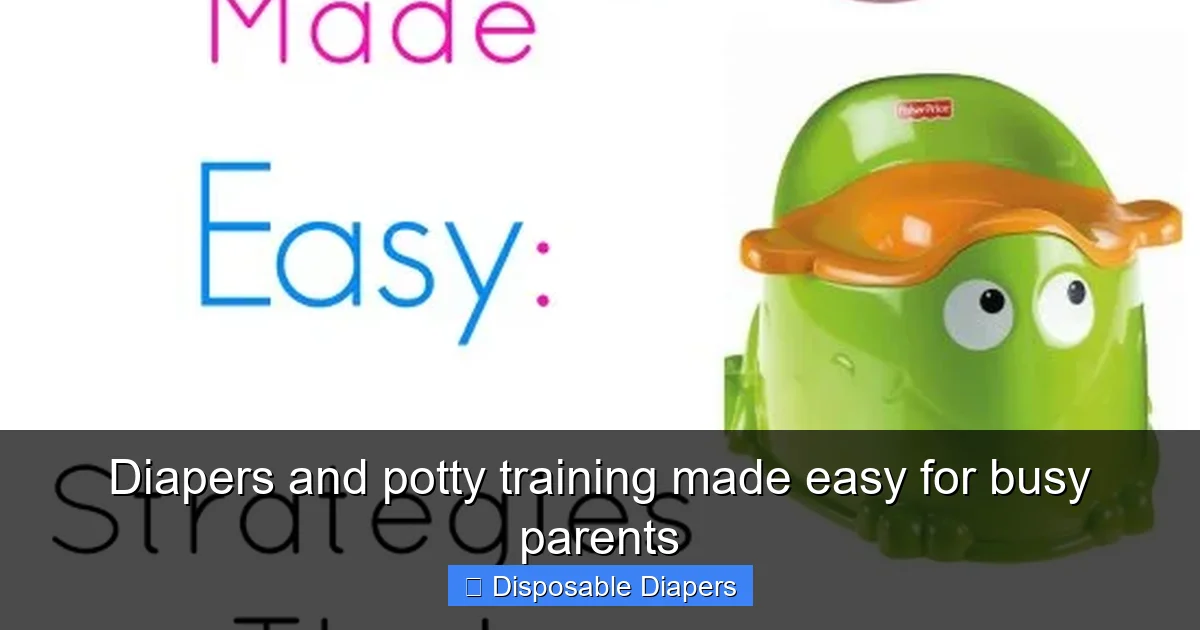
Visual guide about Diapers and potty training made easy for busy parents
Image source: mommyevolution.com
How disposable diapers support early development
In the first years, your child is learning how their body works. They do not yet know how to control their bladder or bowels. Disposable diapers protect their skin, keep them dry, and make clean-up fast. This helps you stay calm and gives your child space to grow and learn.
As your child gets older, diapers can also help you notice patterns. You may see that your child is dry for longer stretches in the day, or that they usually poop at a certain time. These patterns are very useful when you start thinking about potty training.
Choosing the right disposable diapers
Not all diapers are the same. The right disposable diapers can cut down on leaks, rashes, and stress. The wrong ones can lead to mess, discomfort, and more laundry.
- Fit: The diaper should sit snugly around the waist and legs, with no big gaps. If it is too tight, you may see red marks. If it is too loose, you may have leaks.
- Absorbency: Look for diapers that keep the surface dry. This protects your child’s skin and reduces the risk of diaper rash.
- Size: Follow the weight guide on the package, but also trust your eyes. If the diaper sags or the tabs do not reach easily, it may be time to move up a size.
- Wetness indicator: Many disposable diapers have a line that changes color when wet. This can help you time changes and later notice when your child stays dry for longer.
- Day vs night: Day diapers are lighter. Night diapers are often more absorbent and are useful once your child sleeps longer stretches.
Choosing good disposable diapers now can make your life easier during potty training. Dry, comfortable children are often more relaxed and open to learning new habits.
Step 2: Watch for potty training readiness signs
One of the biggest mistakes parents make is starting potty training too early. This can lead to power struggles and tears. Instead, watch for clear readiness signs. These signs tell you that your child’s body and mind are ready to move from diapers to the potty.
Visual guide about Diapers and potty training made easy for busy parents
Image source: mykidstime.com
Common readiness signs
- Stays dry for 2 hours or more: This shows that their bladder can hold urine for longer periods.
- Regular bowel movements: Poops often happen at similar times each day.
- Shows awareness: Your child may hide to poop, pause during play, or tell you when they are wet or dirty.
- Can follow simple instructions: They can understand and follow short steps like “Come here” or “Sit down.”
- Can pull pants up and down: Even if they need a bit of help, some control over clothing is useful.
- Interest in the bathroom: They watch you, want to flush, or ask questions about the toilet.
Typical age range
Many children show signs of readiness between 18 months and 3 years. Some are ready earlier, and some later. There is no prize for the earliest trained child. Rushing can backfire, and you may end up using diapers for longer because of stress and resistance.
As a busy parent, it is tempting to set a date and push hard. Try instead to match your timing to your child’s signals. When your child is ready, diapers and potty training both become easier.
When to delay potty training
Sometimes it is smart to wait, even if you see some signs. You may want to delay if:
- Your child is sick or has frequent constipation.
- You just had a new baby.
- You are moving homes or starting a new daycare.
- Your child is going through a big change and seems stressed.
In these times, keep using disposable diapers and focus on comfort and connection. You can always start potty training a few weeks later, when life is more stable.
Step 3: Prepare your home and routine
A little preparation can save you a lot of time and stress. Before you move from diapers to the potty, set up your home and your daily schedule to support the change.
Visual guide about Diapers and potty training made easy for busy parents
Image source: mykidstime.com
Gather simple potty training tools
- Child potty or seat reducer: Choose a small potty or a child seat that fits on your toilet. Let your child help pick it if possible.
- Step stool: This helps your child climb up and feel secure on the big toilet and reach the sink for handwashing.
- Training pants or pull-up diapers: These disposable diapers pull on and off like underwear and are useful in the early stages.
- Easy-off clothing: Use pants with elastic waists. Avoid overalls, belts, and many buttons for now.
- Cleaning supplies: Keep wipes, paper towels, and a small spray bottle handy for quick clean-ups.
Set a simple routine that fits busy life
Potty training does not need long, intense sessions. A short, steady routine works better, especially for busy parents. Try this simple schedule:
- Offer the potty after waking up.
- Offer the potty after meals and snacks.
- Offer the potty before leaving the house.
- Offer the potty before bath and bedtime.
Each potty sit can be just a few minutes. If nothing happens, that is fine. Praise your child for trying and move on. Over time, this routine helps your child link the potty with natural body rhythms.
Talk about the change in simple words
Start talking about diapers and potty training a little each day. Use short, clear sentences:
- “Soon, you will pee and poop in the potty.”
- “Diapers are for babies. You are getting big.”
- “When you feel pee or poop coming, tell me, and we will go to the potty.”
Read simple potty books or watch short, child-friendly videos. Keep the tone positive and light. The goal is to make the potty feel normal, not scary.
Step 4: Move from diapers to the potty step by step
Now that you have the right disposable diapers, a routine, and a bit of prep, you can begin. Think of potty training as a series of small steps, not a one-day event.
Step 4.1: Start with potty practice while still using diapers
At first, keep your child in diapers most of the time. Use your routine to build potty habits:
- Invite your child to sit on the potty with the diaper on, just to get used to it.
- Then try sitting with the diaper off for a short time.
- If they pee or poop, celebrate calmly: “You peed in the potty! Great job!”
Do not force your child to sit. If they say no, try again later. This gentle start helps your child feel safe and in control.
Step 4.2: Use training pants or pull-up diapers in the day
When your child is happy to sit on the potty and sometimes pees or poops there, you can add training pants or pull-up diapers during the day. These disposable diapers feel more like underwear but still protect against big messes.
- Explain the change: “These are special pants. We try to keep them dry.”
- Check them often and comment: “Your pants are still dry. Nice work!”
- If they are wet, stay calm: “Your pants are wet. Next time, let’s try to pee in the potty.”
Pull-up style disposable diapers make it easier for your child to practice pulling pants up and down, which is a key potty skill.
Step 4.3: Try short “underwear practice” periods
When your child stays dry in training pants for longer stretches and often uses the potty, you can try short times in real underwear.
- Start at home, where it is easy to clean up.
- Pick a time when you can watch closely, like a quiet morning.
- Remind your child often: “Tell me if you need to pee or poop.”
- Keep the potty close and easy to reach.
If accidents are very frequent, go back to training pants or disposable diapers for a while. You can try underwear again in a week or two. Moving back and forth is normal and does not mean you have failed.
Step 4.4: Keep diapers or pull-ups for naps and nights
Night-time control usually comes later than day-time control. Many children still need disposable diapers or pull-up diapers at night for months or even years after they are dry in the day.
- Use a more absorbent night-time diaper to protect sleep and bedding.
- Offer the potty before nap and bedtime.
- Limit drinks in the hour before sleep if your child tends to soak diapers.
- Do not shame your child for wet diapers at night; their body is still maturing.
When you notice that diapers are dry most mornings for several days, you can try a night without a diaper. Protect the mattress with a waterproof cover and have clean sheets ready, just in case.
Step 5: Use positive reinforcement and simple rewards
Children learn best when they feel proud and safe. During diapers and potty training, your reactions matter a lot. Positive reinforcement makes the process faster and less stressful.
Use praise wisely
Give clear, specific praise when your child makes an effort, not just when they succeed:
- “You told me you needed to pee. That was very helpful.”
- “You sat on the potty even when you did not feel like it. Good trying.”
- “You kept your training pants dry all morning. I am proud of you.”
Keep your tone warm and genuine. Over-the-top excitement can make some children nervous. Aim for calm, happy feedback.
Simple reward ideas
You do not need big prizes. Small, consistent rewards work better and cost less time and money.
- Sticker chart: Give a sticker for each potty try or success. After a set number of stickers, offer a small treat, like extra story time.
- Special activities: A short game, a song, or a dance can be a fun reward.
- Choice power: Let your child choose which book to read or which cup to use after a good potty day.
Avoid using food or sweets as the main reward, as this can create other issues later.
What to avoid
Try not to:
- Scold or shame your child for accidents.
- Compare them to siblings or friends.
- Threaten to go back to “baby diapers” as a punishment.
These reactions can make your child anxious and may slow down potty training. Instead, treat accidents as normal and part of learning.
Step 6: Time-saving tips for busy parents
Diapers and potty training can feel like a lot when your schedule is full. These simple hacks can help you save time and energy.
Keep a “potty station” ready
Set up a small potty station in the bathroom or a corner of the house:
- Potty or seat reducer
- Wipes and toilet paper
- Extra disposable diapers or training pants
- Clean underwear and pants
- Plastic bag or basket for wet clothes
Having everything in one place means fewer trips around the house and faster clean-ups.
Link potty trips to daily events
Instead of watching the clock, tie potty trips to things you already do:
- After waking up
- After breakfast, lunch, and dinner
- Before leaving the house
- Before bath and bedtime
This makes it easier to remember, even on busy days. It also helps your child predict when potty time will happen.
Use disposable diapers smartly outside the home
When you are out, disposable diapers or pull-up diapers are very helpful, even if your child is doing well at home.
- Put your child in a pull-up when you go out, but still offer toilets when you can.
- Carry a small bag with wipes, a spare diaper, underwear, and pants.
- If an accident happens, change quickly and calmly, then move on.
This keeps outings less stressful and protects your child’s confidence.
Troubleshooting common potty training problems
Even with the best plan, diapers and potty training can hit bumps. This is normal. Here is how to handle some common issues.
Problem 1: Your child refuses to sit on the potty
Some children say “no” to the potty, even if they are ready. They may feel unsure, scared, or just want control.
- Do not force them to sit. This can turn into a power struggle.
- Let them sit on the potty with clothes on at first.
- Read a short book or sing a song while they sit.
- Let them see you or an older sibling use the toilet.
If refusal is strong, take a short break from training. Go back to regular disposable diapers for a week or two, then try again gently.
Problem 2: Your child will pee in the potty but not poop
This is very common. Pooping can feel more scary or strange to a child.
- Watch for poop signals, like hiding or squatting, and guide them calmly to the potty.
- Let them poop in a diaper in the bathroom at first, then slowly move closer to the potty.
- Use simple words: “Poop goes in the potty. The potty is safe.”
- Make sure they are not constipated; hard stools can cause pain and fear.
Never punish poop accidents. Stay calm and reassuring.
Problem 3: Many accidents after early success
Sometimes a child seems trained and then starts having accidents again. This can happen after changes like a new baby, a move, or a new school.
- Go back to basics: more frequent potty trips and gentle reminders.
- Use training pants or disposable diapers again if needed, without blame.
- Give extra attention and comfort; your child may be seeking security.
Most regressions pass in a few weeks if you stay calm and consistent.
Problem 4: Fear of public toilets
Loud flushes, big bowls, and strange bathrooms can scare children.
- Use a small travel potty or seat if possible.
- Let your child watch you use the public toilet first.
- Cover the sensor on automatic flush toilets with a sticky note or your hand so it does not flush while they sit.
- Offer lots of praise for trying, even if they do not actually go.
Problem 5: Night-time wetting continues
Many children wet the bed at night long after they are dry in the day. This is usually normal and not under their control.
- Keep using night-time disposable diapers or pull-ups.
- Limit drinks close to bedtime, but do not restrict water all day.
- Offer a potty trip right before sleep and, if needed, a quiet one before you go to bed.
- Protect the bed with a waterproof cover.
If your child is over 5 and still very wet every night, talk with your doctor for advice.
When to ask for professional help
Most issues with diapers and potty training can be solved with time, patience, and small changes. But sometimes it is wise to seek help.
- Your child is over 4 and has no interest in the potty at all.
- Potty training battles are very intense and upsetting for both of you.
- Your child seems in pain when peeing or pooping.
- There is blood in the stool or urine, or very hard, painful poops.
- Your child has sudden, severe changes in bathroom habits.
A pediatrician can check for medical issues and give guidance. You can also ask a child psychologist or parenting coach for support if emotions around diapers and potty training feel overwhelming.
Conclusion: A calm path from diapers to independence
Diapers and potty training are big parts of early childhood, but they do not have to take over your life. With the right disposable diapers, a simple routine, and a gentle step-by-step plan, you can guide your child from full-time diapers to confident potty use.
Remember to watch for readiness signs, keep your expectations realistic, and focus on progress, not perfection. Accidents, setbacks, and slow days are all part of learning. Your calm, steady support is the most important tool you have.
As a busy parent, you do not need to do everything at once. Start small, stay consistent, and use the tips in this guide to make diapers and potty training easier for both you and your child. In time, the diapers will fade away, and your child will stand proud as they use the potty on their own.
🎥 Related Video: How to Help Baby Quit Diapers Faster? This Potty Training Toilet Is a Must-Have! #MomLife #BabyPotty
📺 BabyVK
Is your baby around 1 year old and ready to ditch diapers? Our Toddler Potty Training Toilet is the perfect tool to help your little …