This parenting diaper hygiene guide for cleaner happier babies shows you exactly how to keep your baby’s bottom fresh, comfortable, and rash-free. You will learn how often to change disposable diapers, how to clean properly, and how to prevent common skin problems. Follow these simple, step-by-step tips to build a safe, easy diaper routine that keeps both you and your baby relaxed and happy every day.
Key Takeaways
- Point 1: Clean, frequent diaper changes are the foundation of good diaper hygiene and a happier baby.
- Point 2: The right size and type of disposable diaper help prevent leaks, irritation, and rashes.
- Point 3: Gentle wiping, thorough drying, and optional barrier cream protect your baby’s sensitive skin.
- Point 4: A simple, well-organized diaper changing setup makes changes faster, safer, and less stressful.
- Point 5: Good handwashing before and after each change prevents the spread of germs in your home.
- Point 6: Watching for early signs of diaper rash and infection lets you act quickly and avoid bigger problems.
- Point 7: A calm, loving changing routine can become a bonding moment, not just a chore.
Introduction: Why Diaper Hygiene Matters So Much
The first months with a baby are full of cuddles, feeding, and of course, many diaper changes. A good parenting diaper hygiene guide for cleaner happier babies can make this part of parenting much easier. Clean diaper habits protect your baby’s skin, prevent rashes, and keep your home fresher. They also help you feel more confident and in control.
In this guide, you will learn how to choose disposable diapers, how often to change them, and how to clean your baby the right way. You will also see how to set up a safe changing area, how to handle messy situations, and how to spot problems early. The goal is simple: cleaner, happier babies and calmer, more confident parents.
Step 1: Choose the Right Disposable Diaper
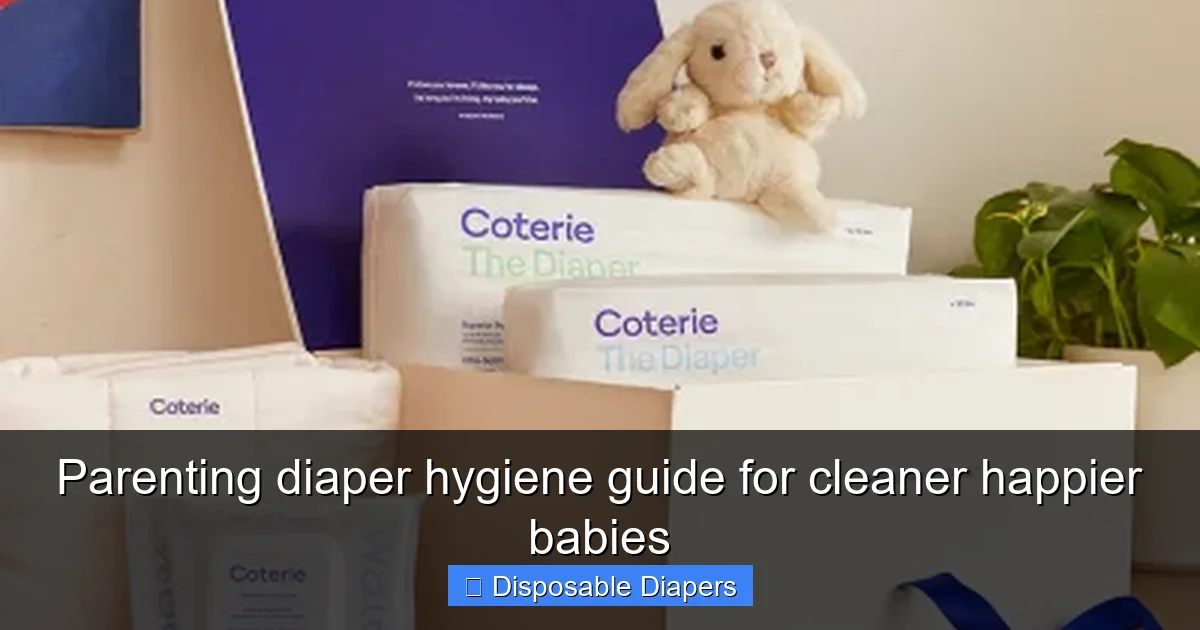
Good diaper hygiene starts with the diaper itself. The right disposable diaper keeps moisture away from your baby’s skin and helps prevent leaks and irritation. This parenting diaper hygiene guide for cleaner happier babies begins with learning how to pick the best diaper for your child.
Visual guide about Parenting diaper hygiene guide for cleaner happier babies
Image source: hellosubscription.com
Check the Diaper Size
Size matters more than brand. A diaper that is too small will be tight, cause red marks, and leak at the legs. A diaper that is too big will gap at the waist and legs, and poop can escape easily.
- Use your baby’s weight as a guide. Check the weight range on the diaper package.
- If you see deep red marks on the waist or thighs, try the next size up.
- If you have frequent leaks even when the diaper is not full, the diaper may be too big.
Look for Soft, Breathable Materials
Your baby’s skin is thin and sensitive. Soft, breathable diapers are kinder to the skin and help keep it dry. When following a parenting diaper hygiene guide for cleaner happier babies, comfort is key.
- Choose diapers that feel soft inside and out, not rough or plastic-like.
- Look for “breathable” or “airflow” features on the packaging.
- If your baby has very sensitive skin, consider fragrance-free and dye-free diapers.
Choose Good Absorbency
A diaper that absorbs well keeps urine away from the skin. This lowers the risk of diaper rash and keeps your baby more comfortable.
- For newborns, frequent changes matter more than super-high absorbency.
- For older babies or overnight use, pick diapers labeled for “overnight” or “extra absorbent.”
- If your baby often wakes up soaked, it may be time for a more absorbent or larger diaper.
Watch for Skin Reactions
Every baby is different. Some babies react to certain brands or materials. A core part of any parenting diaper hygiene guide for cleaner happier babies is watching how your child’s skin responds.
- If you see red patches where the diaper touches, try a different brand.
- If a rash appears suddenly after switching diapers, the new diaper may be the cause.
- Always change only one thing at a time (diaper, wipes, cream) so you can see what works.
Step 2: Set Up a Safe, Clean Diaper Changing Area
A simple, organized changing space makes diaper hygiene easier and safer. You do not need a fancy nursery. You just need a clean, stable surface and your supplies within reach. This parenting diaper hygiene guide for cleaner happier babies focuses on making your routine smooth and stress-free.
Visual guide about Parenting diaper hygiene guide for cleaner happier babies
Image source: hellosubscription.com
Choose a Stable Surface
Safety comes first. Babies can roll quickly, even very young ones.
- Use a changing table with safety straps if you have one.
- If not, use a firm bed, sofa, or the floor with a waterproof changing mat.
- Always keep one hand on your baby if they are on any raised surface.
Keep Essential Supplies Nearby
Before each change, make sure you have everything you need within arm’s reach. This reduces mess and keeps your baby safe.
- Clean disposable diapers in the right size.
- Baby wipes or soft cotton pads with warm water.
- Diaper cream or ointment if needed.
- A waterproof changing pad or towel.
- A plastic bag or diaper pail for dirty diapers.
- A spare set of baby clothes for unexpected leaks.
Maintain a Clean Environment
A clean area supports good diaper hygiene and reduces germs.
- Wipe down the changing pad daily with mild soap and water, or a baby-safe cleaner.
- Wash any reusable covers or towels often.
- Keep pets and food away from the changing area.
Step 3: How Often to Change a Diaper
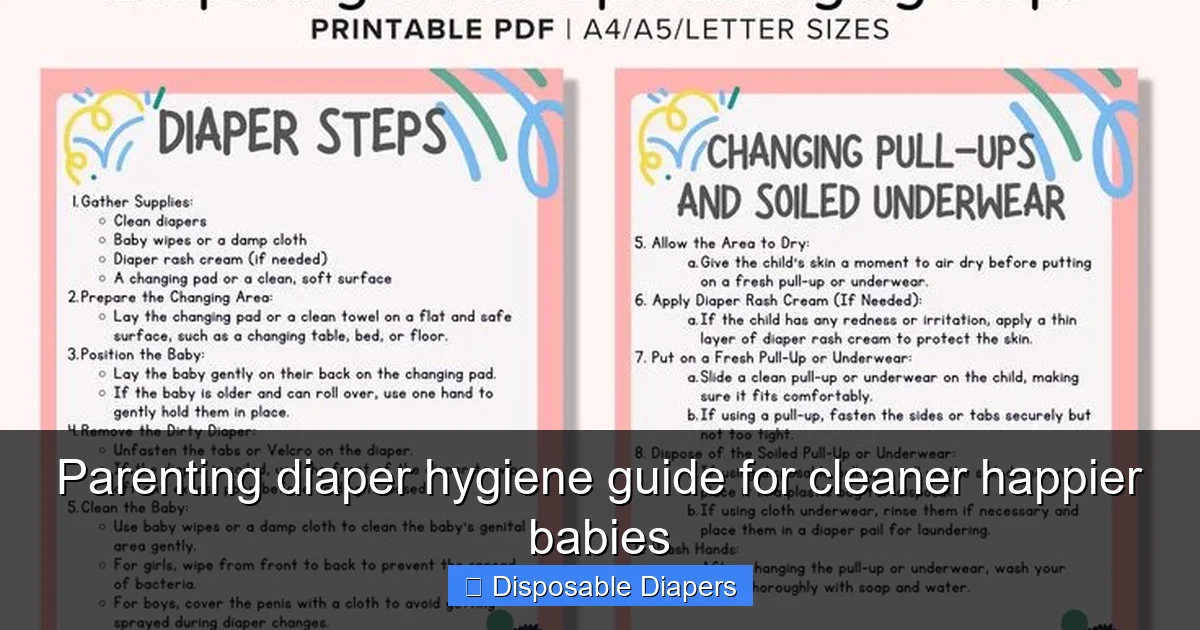
One of the most common questions in any parenting diaper hygiene guide for cleaner happier babies is, “How often should I change my baby?” The answer depends on your baby’s age and skin, but a few simple rules help.
Visual guide about Parenting diaper hygiene guide for cleaner happier babies
Image source: i.pinimg.com
General Timing Guidelines
- Newborns: Check every 1–2 hours. Expect 8–12 diaper changes per day.
- Young infants: Change every 2–3 hours, or as soon as the diaper is wet or soiled.
- Older babies: Change every 3–4 hours during the day, and after every poop.
Do not wait for the diaper to feel very heavy. Sitting in urine for too long can irritate the skin and cause diaper rash.
Always Change After Poop
Poop is harsh on the skin. It contains enzymes that can quickly break down the skin barrier.
- Change the diaper as soon as you notice a bowel movement.
- If your baby is sleeping and the poop is mild, you may wait a short time, but try not to leave it for long.
Nighttime Diaper Changes
Sleep is precious, so many parents try to avoid full wake-ups at night. Still, hygiene matters.
- Use an overnight diaper or a more absorbent diaper before bed.
- If your baby wakes for feeding, check the diaper quickly.
- Always change a poopy diaper, even at night.
- Keep lights dim and voices soft so your baby goes back to sleep more easily.
Step 4: Step-by-Step Diaper Changing Routine
Now we reach the heart of this parenting diaper hygiene guide for cleaner happier babies: the actual diaper change. A clear, repeatable routine keeps things easy and clean.
Step 4.1: Prepare Before You Start
Preparation keeps your baby safe and reduces stress.
- Wash your hands with soap and water, or use hand sanitizer if needed.
- Lay out a clean diaper, open it, and have it ready.
- Place wipes, cream, and a plastic bag or diaper pail within reach.
- Lay your baby on the changing surface and secure any safety straps.
Step 4.2: Remove the Dirty Diaper
This is where mess can happen, so move slowly and calmly.
- Unfasten the diaper tabs, but keep the front of the diaper over your baby’s body.
- Gently lift your baby’s ankles with one hand and raise the bottom slightly.
- Use the front, cleaner part of the diaper to wipe away as much poop as possible.
- Fold the dirty diaper under your baby’s bottom, clean side up, to act as a temporary pad.
Step 4.3: Clean Your Baby’s Skin
Proper cleaning is the most important part of a parenting diaper hygiene guide for cleaner happier babies. Take your time and be gentle.
- Use wipes or soft cotton pads with warm water.
- For girls, always wipe from front to back to avoid spreading bacteria.
- For boys, clean all folds and under the scrotum. Do not pull back the foreskin if your baby is not circumcised.
- Use a fresh wipe or pad for each wipe in very messy cases.
- Pay attention to skin folds in the thighs and around the groin.
Step 4.4: Let the Skin Dry
Dry skin is happy skin. Moisture trapped under a diaper can cause rashes.
- Pat the area dry gently with a clean, soft cloth. Do not rub.
- Let the area air dry for a minute or two if the room is warm.
- Use this time to talk, sing, or coo to your baby. This turns hygiene into bonding.
Step 4.5: Apply Diaper Cream (If Needed)
Barrier creams protect the skin from moisture and irritants.
- If your baby’s skin looks slightly pink, apply a thin layer of cream or ointment.
- Choose a zinc oxide or petroleum-based cream for stronger protection.
- Do not scrub off every bit of cream at each change; gently wipe and reapply.
Step 4.6: Put On the Clean Diaper
A correct fit is part of good diaper hygiene and comfort.
- Slide the clean diaper under your baby’s bottom while gently raising the legs.
- Pull the front of the diaper up between the legs and over the belly.
- Fasten the tabs snugly but not too tight. You should fit one or two fingers under the waistband.
- Make sure the leg cuffs are pulled out and not tucked in. This helps prevent leaks.
- For boys, point the penis downward before closing the diaper to reduce leaks.
Step 4.7: Dispose of the Dirty Diaper and Wash Hands
Finishing the job well is part of a complete parenting diaper hygiene guide for cleaner happier babies.
- Roll up the dirty diaper, using the tabs to seal it into a tight bundle.
- Place it in a diaper pail or a plastic bag, then into the trash.
- Never flush disposable diapers down the toilet.
- Wash your hands again with soap and water, or use sanitizer.
Step 5: Special Hygiene Tips for Boys and Girls
Boys and girls need slightly different care. A parenting diaper hygiene guide for cleaner happier babies should cover these small but important details.
Diaper Hygiene for Baby Girls
- Always wipe from front to back to avoid bringing bacteria toward the vagina.
- Gently clean between labia with a wipe or wet cotton pad if needed.
- Do not use powders or sprays near the genital area.
- A small amount of clear or white discharge in newborn girls can be normal, but talk to your doctor if you see strong odor or unusual color.
Diaper Hygiene for Baby Boys
- Place a wipe or cloth over the penis during changes to avoid getting sprayed.
- Clean around the base of the penis and under the scrotum.
- Do not force back the foreskin on uncircumcised boys. Clean only what you can see.
- If your baby is circumcised, follow your doctor’s care instructions and keep the area clean and dry.
Step 6: Preventing Diaper Rash
Diaper rash is one of the most common issues parents face. A strong parenting diaper hygiene guide for cleaner happier babies must include simple ways to prevent and manage it.
Common Causes of Diaper Rash
- Wet or dirty diapers left on too long.
- Friction from tight diapers or clothing.
- New products, such as wipes, soaps, or diapers.
- Antibiotics, which can change the balance of bacteria and yeast.
- Diarrhea or frequent stools.
Daily Habits to Prevent Rash
- Change diapers often, especially after poop.
- Clean gently with each change and let the skin dry fully.
- Use a barrier cream if your baby is prone to rash.
- Give your baby some diaper-free time each day on a towel or waterproof mat.
- Choose diapers that fit well and are not too tight.
What to Do if a Rash Appears
Even with perfect diaper hygiene, rashes can still happen. This parenting diaper hygiene guide for cleaner happier babies helps you respond quickly.
- Change diapers more often, at least every 2 hours while the rash is active.
- Use plain warm water and soft cloths instead of wipes with fragrance or alcohol.
- Apply a thick layer of zinc oxide diaper cream to protect the skin.
- Let the area air out as much as possible.
- If the rash does not improve in 2–3 days, or if it looks very red, bumpy, or has open sores, call your pediatrician.
Step 7: Handling Extra Messy Situations
Blowouts, diarrhea, and on-the-go changes are part of real life. A parenting diaper hygiene guide for cleaner happier babies should prepare you for these moments so you can stay calm.
Dealing with Diaper Blowouts
Blowouts happen when poop escapes the diaper, often up the back or out the legs.
- Stay calm and move your baby carefully to the changing area.
- Remove clothing by rolling it down the body instead of pulling it over the head when possible.
- If clothes are very soiled, rinse them in cold water before washing.
- Clean your baby gently but thoroughly, paying attention to all folds.
- Check if you need a larger diaper size or a better fit at the waist and legs.
Managing Diarrhea
Diarrhea can irritate the skin quickly, so hygiene is even more important.
- Change diapers as soon as they are soiled, even more often than usual.
- Use water and soft cloths to clean, as wipes may sting.
- Apply a thick barrier cream at each change.
- Offer extra fluids as advised by your doctor to prevent dehydration.
- Call your pediatrician if diarrhea lasts more than a day or two, or if your baby seems unwell.
Diaper Changes When You Are Out
Your parenting diaper hygiene guide for cleaner happier babies should also work outside the home.
- Pack a small diaper bag with diapers, wipes, a portable changing mat, cream, and spare clothes.
- Use changing tables in restrooms when available. Always place your own mat or a disposable cover down first.
- If no changing table is available, use the back seat of your car or a clean corner of the floor with a mat.
- Dispose of diapers in the trash. If no bin is nearby, seal the diaper in a bag and carry it with you until you find one.
Step 8: Hygiene for Parents and the Home
Good diaper hygiene is not just about the baby. It also includes the way you handle germs in your home. A complete parenting diaper hygiene guide for cleaner happier babies must cover your own habits as well.
Handwashing Basics
- Wash your hands before and after each diaper change when possible.
- Use warm water and soap, and scrub for at least 20 seconds.
- If soap and water are not available, use an alcohol-based hand sanitizer.
- Wash your hands before feeding your baby or touching their face.
Keeping the Changing Area Clean
- Wipe down the changing surface daily, or more often if there are spills.
- Wash reusable changing pad covers and towels regularly in hot water.
- Empty the diaper pail often to keep odors and bacteria down.
- Keep cleaning products out of your baby’s reach.
Safe Disposal of Disposable Diapers
- Always roll and seal dirty diapers tightly before placing them in the trash.
- Use a diaper pail with a lid if possible, especially in small spaces.
- Take out the trash regularly to avoid strong smells and germs.
- In shared living spaces, consider odor-control bags for extra privacy and cleanliness.
Troubleshooting Common Diaper Hygiene Problems
Even with a solid parenting diaper hygiene guide for cleaner happier babies, you may run into issues. Here is how to handle some common problems.
Frequent Leaks
- Check diaper size. You may need to go up a size.
- Make sure the leg cuffs are pulled out and not tucked in.
- Point a baby boy’s penis downward before closing the diaper.
- Try a more absorbent or overnight diaper, especially for nighttime.
Strong Odors
- Change diapers more often, especially in warm weather.
- Rinse very messy diapers in the toilet before rolling and trashing, if possible.
- Use a covered diaper pail and empty it daily.
- Open windows or use a small fan near (but not directly on) the changing area.
Persistent Redness or Rash
- Switch to fragrance-free, alcohol-free wipes or plain water.
- Try a different diaper brand in case of a material sensitivity.
- Give more diaper-free time each day.
- If the rash looks like small red dots or has a shiny, bright red look, it might be yeast. Contact your pediatrician for advice.
Baby Cries During Changes
- Warm your hands and wipes before touching your baby.
- Talk softly, sing, or offer a small toy for distraction.
- Check for signs of rash, cuts, or irritation that may cause pain.
- Make sure the room is warm enough, especially for newborns.
Conclusion: Building a Calm, Clean Diaper Routine
Diaper changes can feel overwhelming at first, but with practice and a clear plan, they become simple and even sweet. This parenting diaper hygiene guide for cleaner happier babies has walked you through choosing the right disposable diapers, setting up a safe space, cleaning gently, and preventing rashes. With these habits, you protect your baby’s delicate skin and create a calm, loving routine.
Remember, no parent is perfect. There will be blowouts, leaks, and rushed changes on busy days. What matters is that you do your best to keep your baby clean, dry, and comfortable most of the time. With this parenting diaper hygiene guide for cleaner happier babies, you now have the tools to handle diaper care with confidence, care, and a little more ease every single day.
🎥 Related Video: 7 Essential New Parent Hacks for Baby Bliss
📺 Emma Hubbard
Learning how to care for a newborn is a huge learning curve! But for many of the challenges you’ll face as a new parent there are …