
Are disposable diapers safe? Most babies use them every day, so it is normal to worry. This guide explains what disposable diapers are made of, what the main safety concerns are, and how to reduce risks. You will learn how to choose safer diapers, how to spot skin reactions, and when to talk to your pediatrician.
Key Takeaways
- Point 1: Disposable diapers are generally considered safe, but some babies can react to certain materials, dyes, or fragrances.
- Point 2: Understanding what is inside a disposable diaper helps you make better choices for your baby’s skin and overall health.
- Point 3: You can lower risks by choosing fragrance-free, dye-free, and chlorine-free diapers with clear ingredient lists.
- Point 4: Watch for redness, rashes, or swelling; these can be signs that a specific diaper brand or type does not suit your baby.
- Point 5: Good diaper habits, like frequent changes and proper cleaning, are just as important as the diaper you choose.
- Point 6: Eco-friendly and hypoallergenic disposable diapers may be gentler, but labels are not always regulated, so read details carefully.
- Point 7: Talk to your pediatrician or dermatologist if rashes keep coming back or if you suspect an allergy to disposable diapers.
Introduction: Are disposable diapers safe for your baby?
Parents use disposable diapers every single day. Because they touch your baby’s skin for long hours, it is normal to ask, are disposable diapers safe? You may worry about chemicals, skin rashes, or long-term health effects. You may also hear different opinions from friends, family, and social media. That can feel confusing.
This guide will walk you through what you really need to know. We will look at what is inside a disposable diaper, what science says about safety, and what risks to watch for. You will learn how to choose safer options, how to use disposable diapers correctly, and how to spot problems early. By the end, you will feel more confident deciding whether disposable diapers are safe enough for your baby and your family.
Step 1: Understand what disposable diapers are made of
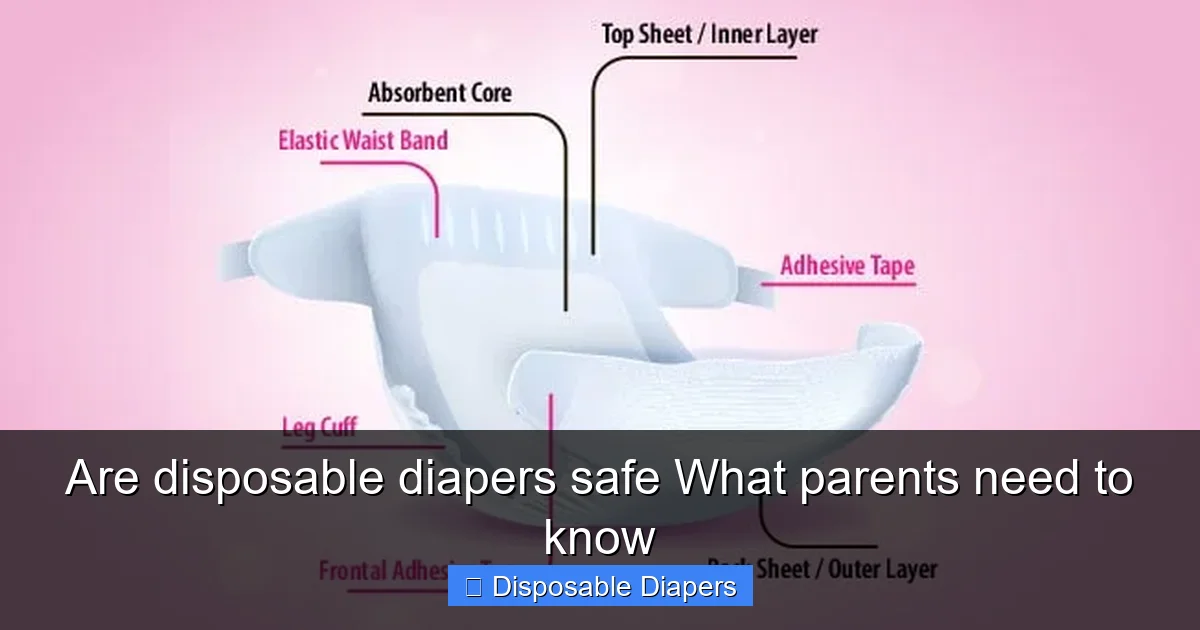
To decide if disposable diapers are safe, you first need to know what is inside them. Modern disposable diapers look simple, but they are made of several layers and materials. Most brands use similar structures, with small differences in ingredients and quality.
Visual guide about Are disposable diapers safe What parents need to know
Image source: whichdiapersarethebest.com
1.1 The main layers of a disposable diaper
A typical disposable diaper has three main parts:
- Top sheet (inner layer): This is the soft layer that touches your baby’s skin. It is usually made from polypropylene or polyethylene, which are types of plastic. These materials are chosen because they are smooth and help pull moisture away from the skin.
- Absorbent core: This is the middle layer that soaks up pee. It usually contains fluff pulp (made from wood) and superabsorbent polymers (SAP), often sodium polyacrylate. These gels can hold many times their weight in liquid.
- Back sheet (outer layer): This is the waterproof outer layer that keeps leaks from soaking clothes. It is often made of polyethylene film or a breathable plastic-like material.
1.2 Other common components
Many disposable diapers also include:
- Elastic bands: Around the legs and waist, made from elastic fibers or rubber to keep the diaper snug and prevent leaks.
- Adhesive tapes or hook-and-loop fasteners: These keep the diaper in place. They are made from plastic films, adhesives, and sometimes Velcro-type materials.
- Dyes and prints: Used for patterns, wetness indicators, and brand logos. These may include colored inks and sometimes pigments.
- Fragrances or lotions (in some brands): Added to mask odors or “condition” the skin. These can contain various chemicals and are a common cause of irritation for sensitive babies.
1.3 Why this matters for safety
When you ask, are disposable diapers safe, you are really asking if these materials can harm your baby. Most of the main plastics and absorbent gels have been studied and are considered low-risk when used as intended. However, some additives like fragrances, dyes, or certain processing chemicals may trigger skin irritation or allergies in some babies. Knowing what is in your diaper helps you choose products that match your baby’s needs.
Step 2: Learn about the main safety concerns
Most babies use disposable diapers without serious problems. Still, there are real concerns that parents should understand. These concerns fall into a few main areas: skin irritation, allergies, chemical exposure, and environmental impact. In this section, we will focus on your baby’s health and comfort.
Visual guide about Are disposable diapers safe What parents need to know
Image source: wholesomediaper.com
2.1 Skin irritation and diaper rash
Diaper rash is the most common issue parents link to disposable diapers. It usually shows up as red, sore skin on the bottom, genitals, or inner thighs. The main causes include:
- Moisture and friction: When wet diapers stay on too long, the skin gets soft and more likely to rub and break down.
- Contact with pee and poop: Urine and stool can irritate the skin and change its pH.
- Heat and lack of air: A tight diaper can trap heat and sweat, which irritates sensitive skin.
- Sensitivity to diaper materials: Some babies react to fragrances, dyes, or even certain plastics or adhesives.
Most diaper rashes are not serious and clear up with better diaper care. But if you keep seeing rash, you may wonder if disposable diapers are safe for your baby’s skin. Often, a change in brand or type solves the problem.
2.2 Allergic reactions and sensitivities
Some babies are more sensitive than others. They may react to ingredients in disposable diapers such as:
- Fragrances or perfumes
- Preservatives in lotions or diaper linings
- Certain dyes or inks
- Latex (less common now, as many brands are latex-free)
Signs of an allergic reaction can include:
- Red, raised, or bumpy rash where the diaper touches
- Swelling or intense redness
- Rash that appears quickly after switching brands
If you see these signs, ask yourself again: are disposable diapers safe for my baby? Many times, the answer depends on which product you use, not on all disposable diapers in general. Hypoallergenic, fragrance-free, and dye-free diapers can help reduce these reactions.
2.3 Chemical exposure concerns
Some parents worry about chemicals in disposable diapers, such as:
- Dioxins: These can be by-products of chlorine bleaching of wood pulp. Many modern diapers use elemental chlorine-free (ECF) or totally chlorine-free (TCF) processes to reduce or remove dioxins.
- Volatile organic compounds (VOCs) and phthalates: These may be present in some plastics, adhesives, or fragrances. They have raised concerns in other products, though levels in diapers are usually low.
- Superabsorbent polymers (SAP): These gels are considered safe in diaper use, but parents sometimes worry because they are synthetic.
Studies so far suggest that disposable diapers are safe for most babies when used as directed. Levels of many chemicals are low and often below safety limits. Still, if you want to be extra cautious, you can choose brands that clearly state “chlorine-free,” “fragrance-free,” and that list ingredients openly.
2.4 Environmental and long-term health questions
Many parents also ask if disposable diapers are safe for the planet. Disposable diapers create a lot of waste and use plastics and wood pulp. While this does not directly harm your baby’s skin, it can matter for your family’s values and future. Some parents feel better choosing eco-friendly disposable diapers or mixing cloth and disposable use.
There are also concerns about long-term health effects from low-level chemical exposure. Current research has not proven that disposable diapers cause long-term diseases. But if you feel uneasy, you can reduce exposure by choosing simpler, more natural products and following the steps in the next sections.
Step 3: How to choose safer disposable diapers
Now that you know the possible risks, you can take action. This step will help you choose disposable diapers that are as safe as possible for your baby. The goal is not perfection. The goal is to reduce risk and fit your family’s lifestyle.
Visual guide about Are disposable diapers safe What parents need to know
Image source: naturecode.org
3.1 Read labels and ingredient lists
When you wonder, are disposable diapers safe, start with the package. Many brands now list key materials. Look for:
- Fragrance-free: Fragrances are a common irritant. Choose diapers that clearly say “fragrance-free” or “no perfume.”
- Dye-free or minimal dyes: If your baby has sensitive skin, avoid diapers with heavy prints on the inside. Look for “no added dyes” or “no lotion on inner liner.”
- Chlorine-free pulp: Labels like “TCF” (totally chlorine-free) or “ECF” (elemental chlorine-free) show efforts to reduce dioxins.
- Latex-free: If your baby has or may have latex sensitivity, pick diapers that say “latex-free.”
Some brands also list the types of plastics and adhesives they use. Clear labeling is a good sign that a company cares about safety and transparency.
3.2 Understand marketing terms
Words like “natural,” “green,” or “hypoallergenic” are attractive, but they are not always strictly regulated. To judge if disposable diapers are safe, look beyond buzzwords.
- “Hypoallergenic”: This usually means the product is less likely to cause allergies, but it does not guarantee zero reaction.
- “Dermatologist-tested”: This means the diaper was tested on skin, but it does not tell you the full results.
- “Eco-friendly” or “plant-based”: Often refers to using some plant-based plastics or sustainably sourced pulp. It does not always mean chemical-free.
Use these terms as clues, not as proof. Always check the details and reviews from other parents with sensitive babies.
3.3 Choose diapers that fit well
Fit is a safety issue too. A diaper that is too tight can cause chafing and trap moisture and heat. A diaper that is too loose can leak, which means more contact with stool and urine.
- Follow the weight guidelines on the package, but also trust your eyes.
- The waistband should be snug but not leave deep marks.
- Leg cuffs should sit in the crease of the thighs, not on them.
- You should be able to slide a finger under the waistband easily.
Good fit helps keep the skin drier and reduces friction, which can make disposable diapers safer and more comfortable.
3.4 Consider sensitive-skin or specialty lines
If your baby has eczema, allergies, or very delicate skin, you may want diapers designed for sensitive skin. Look for:
- Fragrance-free and lotion-free designs
- Minimal or no inner dyes
- Soft, breathable topsheets
- Positive reviews from parents with similar issues
These diapers are not magic, but they can lower the chance of irritation. If you are still unsure whether disposable diapers are safe for your baby, you can also test a small pack before buying in bulk.
Step 4: Use disposable diapers safely day to day
Even the safest diaper can cause problems if it is not used correctly. Daily habits matter a lot. In this step, you will learn how to handle disposable diapers in a way that protects your baby’s skin and health.
4.1 Change diapers often
One of the main ways to keep disposable diapers safe is simple: change them on time. Try to:
- Change pee diapers every 2–3 hours during the day, or sooner if they feel full.
- Change poop diapers right away to avoid irritation and infection.
- Check more often if your baby has diarrhea, a rash, or very sensitive skin.
Modern disposable diapers absorb a lot, so they may not feel wet. Use your hand to feel for fullness or check any wetness indicator line. Do not rely only on smell.
4.2 Clean gently but thoroughly
How you clean the diaper area also affects whether disposable diapers are safe for your baby’s skin.
- Use warm water and soft cloths or cotton pads when possible.
- If you use wipes, choose fragrance-free, alcohol-free options made for babies.
- Pat the skin dry instead of rubbing.
- Be sure to clean all skin folds, especially in chubby thighs and under the scrotum or labia.
Let the skin air dry for a minute or two before putting on a new diaper. Dry skin is less likely to break down.
4.3 Use barrier creams when needed
Barrier creams can make disposable diapers safer by protecting the skin from moisture and irritants.
- Use a thin layer of zinc oxide or petroleum jelly if you see early redness.
- Apply more often during teething, illness, or when starting new foods, as these times can increase diaper rash.
- If a cream does not help in a few days, consider changing diaper brands or talking to your pediatrician.
4.4 Give diaper-free time
Even if you decide disposable diapers are safe for your baby, the skin still needs breaks. Try to:
- Give 10–20 minutes of diaper-free time once or twice a day.
- Lay your baby on a towel or waterproof mat.
- Use this time after a diaper change when the skin is clean and dry.
Fresh air can help heal mild redness and keep the skin stronger.
4.5 Store and handle diapers properly
Safe use also includes how you store and dispose of disposable diapers.
- Keep clean diapers in a dry, cool place away from direct sun.
- Do not let babies chew on or play with unused diapers; the absorbent gel is not meant to be ingested.
- When disposing of used diapers, wrap them securely and place them in a covered trash bin.
Some parents also choose to flush solid poop into the toilet before throwing away the diaper to reduce odor and bacteria in the home.
Step 5: Watch for signs of problems and troubleshoot
Even if you follow all the steps, you may still face issues from time to time. This section will help you answer: are disposable diapers safe for my baby right now? You will learn what warning signs to look for and what to do about them.
5.1 Common problems and what they mean
Redness and mild rash
What you see: Pink or red skin in the diaper area, sometimes slightly warm or bumpy.
Possible causes: Moisture, friction, new foods, antibiotics, or mild irritation from stool or urine.
What to do:
- Change diapers more often.
- Use a barrier cream with each change.
- Give extra diaper-free time.
- Consider trying a different diaper or wipes if the rash started after a product change.
Persistent or severe rash
What you see: Bright red skin, open sores, or rash that does not improve after 2–3 days of home care.
Possible causes: Yeast infection, bacterial infection, or strong reaction to diaper materials.
What to do:
- Call your pediatrician. Your baby may need a medicated cream.
- Ask if you should switch to a different type of disposable diaper or to cloth temporarily.
- Review how often you change diapers and how you clean the area.
Swelling, hives, or sudden intense redness
What you see: Puffy skin, raised welts, or rash that appears quickly after putting on a new diaper brand.
Possible causes: Allergic reaction to fragrance, dye, latex, or adhesive.
What to do:
- Remove the diaper right away and gently wash the area with water.
- Put on a different brand that is fragrance-free and dye-free.
- Call your pediatrician, especially if the rash is severe or your baby seems very uncomfortable.
- Seek emergency care if your baby has trouble breathing, swelling of the face or lips, or seems very unwell.
Leaks and blowouts
What you see: Frequent leaks or poop blowouts, even with regular changes.
Possible causes: Wrong size, poor fit, or diaper not absorbent enough.
What to do:
- Try a larger size or a different brand with better leg cuffs.
- Make sure you pull out the inner ruffles around the legs.
- Adjust the tabs so the diaper sits just below the belly button.
While leaks are mostly a mess issue, they can also mean more contact with irritants, which can affect whether disposable diapers are safe and comfortable for your baby.
Step 6: Compare disposable diapers with alternatives
To fully answer the question “are disposable diapers safe,” it helps to compare them with other options, such as cloth diapers or hybrid systems. Each choice has pros and cons for health, convenience, and the environment.
6.1 Cloth diapers
Pros:
- Made from natural fibers like cotton, bamboo, or hemp.
- No superabsorbent gels, and you can control what detergents you use.
- Can be gentler for some babies with chemical sensitivities.
Cons:
- Require regular washing and proper sanitizing.
- Can leak more if not fitted or layered well.
- Still need safe detergents; fragrance and harsh chemicals in laundry products can cause rashes.
Some parents find that cloth works better for their baby’s skin, while others see no difference. You can try cloth part-time if you are unsure.
6.2 Eco-friendly or “green” disposable diapers
These are still disposable diapers, but they aim to be safer for the environment and sometimes for sensitive skin.
- Often use chlorine-free pulp and some plant-based plastics.
- May avoid certain additives, fragrances, or lotions.
- Packaging may be more transparent about ingredients.
However, even “green” disposable diapers are not perfect. They still use materials that take time to break down, and “biodegradable” claims can be complicated. From a skin safety point of view, they can be a good choice if they are also fragrance-free and gentle.
6.3 Hybrid approaches
You do not have to choose only one type forever. Many families:
- Use disposable diapers during the day and cloth at home.
- Use disposable diapers at night for better absorption.
- Switch brands as their baby grows and skin changes.
The safest approach is the one that keeps your baby comfortable, your routine manageable, and your peace of mind strong.
Step 7: Talk to your pediatrician and trust your instincts
You are not alone in deciding whether disposable diapers are safe for your child. Your pediatrician, and sometimes a pediatric dermatologist, can be very helpful.
7.1 When to seek medical advice
Contact your pediatrician if:
- A diaper rash does not improve in 2–3 days with home treatment.
- The rash is severe, blistering, or oozing.
- Your baby has a fever along with a rash.
- You suspect a strong allergy to a diaper brand.
Bring the diaper package with you or take a photo of the ingredients. This can help the doctor identify possible triggers.
7.2 Balancing safety, convenience, and stress
Parenting is already demanding. Worrying all the time about whether disposable diapers are safe can add extra stress. It may help to:
- Choose a simple, fragrance-free, well-fitting diaper.
- Follow good diaper habits and watch your baby’s skin.
- Adjust if you see problems, but avoid panic over every small redness.
Remember that millions of babies have used disposable diapers safely for decades. While it is wise to be informed, it is also okay to choose what works best for your family’s daily life.
Conclusion: So, are disposable diapers safe?
After looking at all the facts, the balanced answer is this: for most babies, disposable diapers are safe when you choose carefully and use them correctly. The main risks are skin irritation, rashes, and, for some babies, allergic reactions to certain ingredients. Serious health problems from disposable diapers are rare.
You can make disposable diapers safer by picking fragrance-free, dye-free, and chlorine-free options, by changing them often, and by keeping the diaper area clean and dry. Pay close attention to your baby’s skin. If you see ongoing problems, switch brands, try sensitive-skin lines, or consider cloth diapers, and talk with your pediatrician.
In the end, the question “are disposable diapers safe” is not about one single yes or no. It is about finding the safest and most comfortable choice for your baby, with the knowledge and tools to adjust as you go. With the steps in this guide, you are well prepared to do just that.
🎥 Related Video: Cloth Diapers: How To Put On a Lighthouse Kids Company Cloth Diaper
📺 Lighthouse Kids Company – Cloth Diapers
Cloth Diapers: How To Put On a Lighthouse Kids Company Cloth Diaper | Complete Fit & Setup Guide Welcome to our video …
