
Disposable diapers are convenient, but they come with serious downsides many parents never hear about. This guide explains the main disposable diapers disadvantages, including health, environmental, and financial issues, and shows you practical steps to reduce risks. You’ll learn how to choose safer products, protect your baby’s skin, cut waste, and transition to better diapering options that fit your family and budget.
Key Takeaways
- Point 1: Disposable diapers disadvantages include hidden chemicals, skin irritation, and possible long-term health concerns for babies.
- Point 2: These diapers create massive waste, contributing to landfill problems, pollution, and a larger carbon footprint.
- Point 3: The long-term cost of disposable diapers is much higher than many parents expect, especially over several years or multiple children.
- Point 4: Over-reliance on disposables can delay potty training and reduce your child’s body awareness.
- Point 5: Parents can reduce risks by choosing safer brands, improving diaper routines, and protecting their baby’s skin.
- Point 6: Switching partly or fully to cloth, hybrids, or elimination communication can cut costs and waste without giving up all convenience.
- Point 7: Understanding disposable diapers disadvantages helps you make informed, balanced choices that support your baby, your budget, and the planet.
Introduction: Why You Must Know the Truth About Disposable Diapers Disadvantages
Disposable diapers feel like a lifesaver. They are easy, quick, and everywhere. But behind that convenience, there are important disposable diapers disadvantages that most parents never hear about.
This guide will walk you through the real costs of disposable diapers. You will learn about health risks, skin problems, environmental damage, and how much money you may be throwing away. You will also see simple steps you can take today to reduce those disadvantages without turning your life upside down.
By the end, you will understand the main disposable diapers disadvantages and know how to protect your baby, your wallet, and the planet. You do not need to be perfect. You just need clear information and a plan that works for your family.
Step 1: Understand the Hidden Health Risks of Disposable Diapers
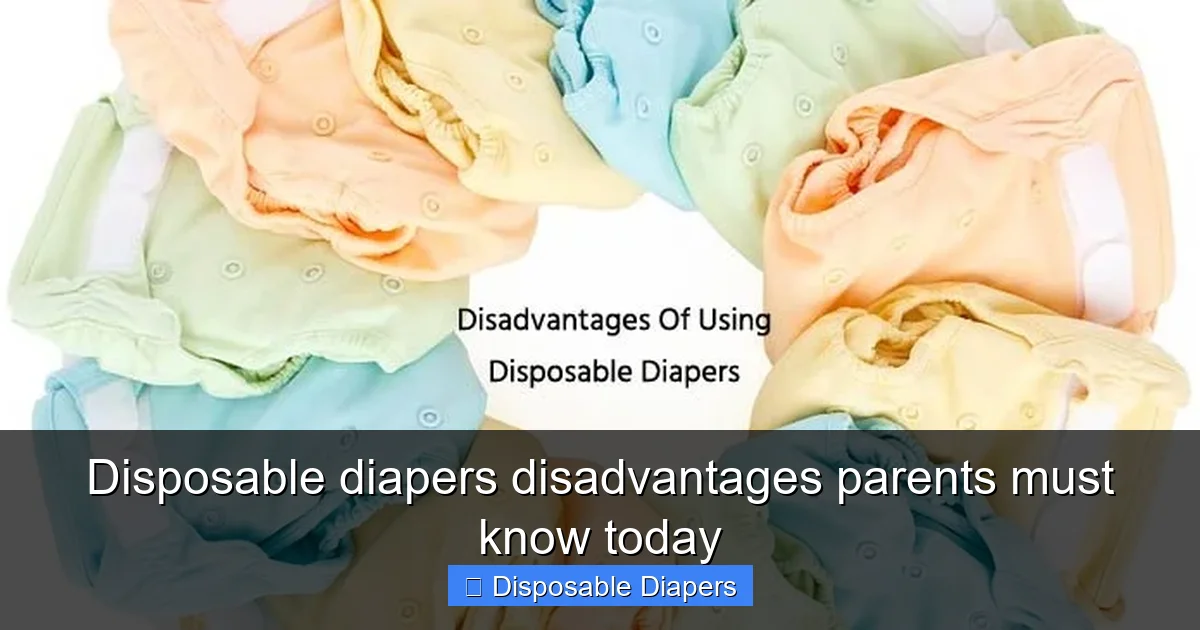
One of the biggest disposable diapers disadvantages is the possible impact on your baby’s health. Many parents assume diapers are harmless because they are sold everywhere. But not all diapers are created equal.
Visual guide about Disposable diapers disadvantages parents must know today
Image source: instah.com
1.1 Learn About Common Chemicals in Disposable Diapers
Most disposable diapers contain a mix of materials and chemicals. Some are safe. Others raise questions. Here are some you should know about:
- Fragrances: These give diapers a “clean” smell but can trigger allergies, rashes, and breathing issues in sensitive babies.
- Dyes and inks: Used for patterns and wetness indicators. Some dyes can irritate skin or cause contact allergies.
- Chlorine bleaching by-products (dioxins): Some diapers are bleached with processes that may leave tiny traces of dioxins, which are linked to long-term health concerns.
- Volatile organic compounds (VOCs): Some studies have found VOCs in diapers, which in high amounts can affect air quality and health.
- SAP (super absorbent polymer): This gel locks in moisture. It is generally considered safe, but if the diaper breaks, the gel can irritate skin.
These ingredients are part of the disposable diapers disadvantages because they sit against your baby’s skin all day and night. Even low levels can bother a sensitive baby.
1.2 Watch for Signs of Skin Irritation and Allergies
Another clear disposable diapers disadvantage is skin irritation. Your baby’s skin is thin and delicate. It absorbs things more easily than adult skin.
Watch for these warning signs:
- Red, angry rash in the diaper area that does not improve with normal diaper cream.
- Small red bumps or spots around the edges of the diaper or where the diaper touches the skin.
- Peeling or broken skin that looks raw or painful.
- Rash that gets worse after you change to a new brand or a scented diaper.
If you see these signs, your baby may be reacting to something in the diaper. This is one of the most common disposable diapers disadvantages parents face, but many do not link it to the diaper itself.
1.3 Reduce Health Risks from Disposable Diapers
You may not want to give up disposables completely. That is okay. You can still reduce health-related disposable diapers disadvantages with a few simple steps.
- Choose fragrance-free diapers: Look for “unscented” or “fragrance-free” on the package.
- Avoid bright dyes and heavy prints: Plainer diapers often use fewer dyes.
- Look for “chlorine-free” or “TCF/ECF” labels: These diapers use safer bleaching methods.
- Change diapers often: Do not wait until the diaper is totally full. This lowers exposure and reduces rashes.
- Use a barrier cream: A thin layer of zinc oxide or another gentle cream can protect the skin.
- Test new brands slowly: When you switch brands, buy a small pack first and watch your baby’s skin for a few days.
These steps do not remove all disposable diapers disadvantages, but they make them smaller and easier to manage.
Step 2: See the Environmental Impact of Disposable Diapers
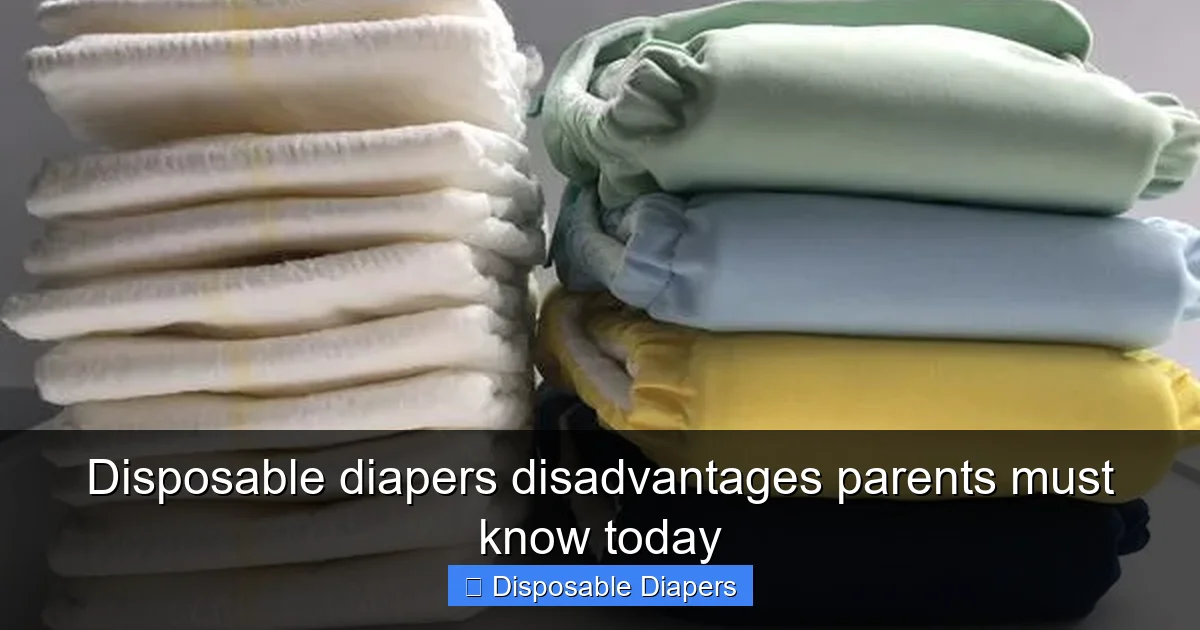
Another major group of disposable diapers disadvantages is environmental. Each diaper you toss has to go somewhere. Multiply that by years and by millions of babies worldwide, and the numbers are huge.
Visual guide about Disposable diapers disadvantages parents must know today
Image source: e3effa51eee72fd900e3-2fb779bd12ec72d4612275342f2c9187.ssl.cf1.rackcdn.com
2.1 Understand How Much Waste Disposable Diapers Create
Most babies use diapers for two to three years. Some use them longer at night. On average, a baby may go through 5 to 8 diapers a day. That can be more than 5,000 disposable diapers for one child.
Now think about this:
- Every single disposable diaper you throw away will likely end up in a landfill.
- Experts estimate that disposable diapers can take hundreds of years to break down.
- Plastic parts, elastic, and gels do not disappear quickly. They sit in the ground for generations.
This long life in landfills is one of the most serious disposable diapers disadvantages. Your baby’s diapers may still exist when your great-grandchildren are adults.
2.2 Consider Pollution and Resource Use
Disposable diapers disadvantages also include the resources used to make them and the pollution created along the way.
- Raw materials: Diapers use wood pulp, plastics, and chemicals. Trees must be cut. Oil must be used.
- Water and energy: Factories need large amounts of water and power to produce diapers.
- Transportation: Diapers are shipped from factories to stores, then to your home. Trucks and ships burn fuel.
- Landfill pollution: Waste from diapers can leak into soil and water if landfills are not managed well.
When you add all this up, disposable diapers disadvantages go far beyond your home. They affect air, water, and climate.
2.3 Cut the Environmental Disadvantages Step by Step
You do not have to switch to full-time cloth overnight to reduce environmental disposable diapers disadvantages. You can start small:
- Use cloth at home, disposables outside: Even one or two cloth diapers a day can keep hundreds of disposables out of landfills each year.
- Try hybrid systems: These have a reusable cover and a disposable insert that uses less material.
- Choose eco-friendlier disposables: Look for brands that use more plant-based materials, less plastic, and chlorine-free processes.
- Do not flush diaper liners or wipes: This can cause plumbing and water system problems.
- Dispose of poop properly: When possible, shake solid waste into the toilet before throwing away the diaper. This keeps some waste out of landfills.
Each small change chips away at the environmental disposable diapers disadvantages and shows your child that caring for the planet matters.
Step 3: Count the Real Financial Cost of Disposable Diapers
Many parents are surprised when they learn the full financial disposable diapers disadvantages. One pack at a time does not look that bad. Over years, the total can be huge.
Visual guide about Disposable diapers disadvantages parents must know today
Image source: connectusfund.org
3.1 Estimate How Much You Actually Spend
Let’s do a simple example so you can see how disposable diapers disadvantages affect your budget.
- Say you use 6 diapers a day on average.
- That is about 180 diapers a month.
- If a pack of 60 costs $15, then 180 diapers cost about $45 a month.
- Over one year, that is $540.
- Over three years, that is $1,620 for one child, not counting wipes, creams, or night diapers.
If your baby uses more diapers or you choose premium brands, your cost can be much higher. This is one of the most practical disposable diapers disadvantages for families on a tight budget.
3.2 Compare Disposables to Other Options
Now compare those costs to cloth or hybrid systems:
- Cloth diapers: A full set may cost $300–$600 up front. You wash and reuse them. You can also use them for future children.
- Hybrid diapers: A few covers plus inserts may cost less than full-time disposables over several years.
- Part-time cloth: Even using cloth only at home can cut your disposable use by half.
Yes, you will pay for water and detergent, but in most cases you still save money over time. The ongoing monthly cost of disposables is one of the clearest disposable diapers disadvantages once you do the math.
3.3 Simple Ways to Reduce Diaper Spending
If you are not ready to give up disposables, you can still soften the financial disposable diapers disadvantages.
- Buy in bulk: Larger boxes often cost less per diaper.
- Use store brands: Many store brands are similar to big names at a lower price.
- Sign up for subscriptions: Some stores and online shops give discounts for regular deliveries.
- Use cloth part-time: Start with 4–6 cloth diapers for daytime at home.
- Size correctly: Do not move up a size too early. Too-big diapers leak and waste money.
- Avoid “just in case” changes: It is good to keep baby dry, but constant unnecessary changes add up. Find a balance.
These steps help you handle the financial disposable diapers disadvantages while you explore other options at your own pace.
Step 4: Recognize Development and Comfort Issues
Some disposable diapers disadvantages are less obvious. They have to do with how diapers affect your child’s comfort, movement, and even potty training.
4.1 Understand the Impact on Potty Training
Disposable diapers are very absorbent. They pull wetness away from the skin. That feels nice, but it can also be a disadvantage.
Here is why:
- When a diaper stays dry to the touch, your child may not notice they are wet.
- They do not feel the cause-and-effect of “I pee, then I feel wet.”
- This can make it harder for them to connect body signals to what happens in the diaper.
Some parents and experts believe this can delay potty training. It is one of the less discussed disposable diapers disadvantages, but many families see a difference when they switch to less-absorbent options during training.
4.2 Check Fit, Movement, and Comfort
Disposable diapers can also affect how your baby moves and feels.
- Bulk between the legs: Very thick diapers can change how babies spread their legs when they crawl or walk.
- Tight elastic: Leg and waistbands can leave marks or dig into the skin if the diaper is too tight.
- Heat and lack of airflow: Plastic layers can trap heat and moisture. This can make rashes worse and cause discomfort.
These comfort issues are part of the everyday disposable diapers disadvantages. They may not be dangerous, but they can make your baby fussy and restless.
4.3 Support Healthy Development While Using Diapers
You can reduce these disposable diapers disadvantages by paying attention to how the diaper fits and how your baby moves.
- Choose the right size: Follow the weight range on the pack, but also check for red marks and leaks.
- Allow diaper-free time: Let your baby play on a waterproof mat or towel without a diaper each day.
- Use training pants or cloth for potty learning: Less-absorbent options can help your child feel when they are wet.
- Check for overheating: In hot weather, change more often and use light clothing over the diaper.
These simple habits help limit development-related disposable diapers disadvantages while keeping the ease you need.
Step 5: Choose Safer Disposable Diapers (If You Still Use Them)
Knowing the main disposable diapers disadvantages does not mean you must quit disposables completely. Life is busy. Sometimes you need quick and easy. But you can choose better products.
5.1 Read Labels and Marketing Claims Carefully
Diaper packages are full of claims: “natural,” “eco,” “pure,” “green,” “gentle.” Not all of these terms are clear or regulated. To reduce disposable diapers disadvantages, learn what to look for.
- Fragrance-free: Prefer this over “lightly scented.”
- Chlorine-free: Look for “TCF” (totally chlorine free) or “ECF” (elemental chlorine free).
- No lotions or added creams: This lowers the risk of skin reactions.
- Transparency: Brands that list materials and explain them are usually more trustworthy.
- Independent certifications: Look for third-party eco or safety labels, not just brand-made logos.
Better diapers do not remove all disposable diapers disadvantages, but they can lower chemical and environmental concerns.
5.2 Test Different Brands for Your Baby’s Skin
Every baby is different. A diaper that works for one child may cause rashes for another. To manage disposable diapers disadvantages, treat diaper choice like a test, not a one-time decision.
- Buy small packs from a few brands.
- Use each brand for several days in a row.
- Watch your baby’s skin, mood, and sleep.
- Note any leaks, smells, or red marks.
Keep a simple note on your phone. Over time, you will see which diapers cause fewer problems and fewer disposable diapers disadvantages for your child.
5.3 Build a “Diaper Strategy” That Fits Your Life
Instead of thinking “all disposable” or “all cloth,” design a mix that limits disposable diapers disadvantages while respecting your reality.
- Option A – Mostly disposable, some cloth: Use cloth at home during the day, disposables at night and outside.
- Option B – Hybrid approach: Use reusable covers with disposable or washable inserts.
- Option C – Eco disposables only: Switch to brands with better materials and practices.
- Option D – Gradual change: Add one cloth diaper a day for a week, then two, and so on.
There is no perfect plan. The goal is to reduce disposable diapers disadvantages step by step, not to be perfect from day one.
Step 6: Explore Alternatives to Reduce Disposable Diapers Disadvantages
If you want to go further, you can look at options that replace some or all disposables. Each option has its own pros and cons, but all can reduce disposable diapers disadvantages.
6.1 Cloth Diapers
Modern cloth diapers are not like old-fashioned pins and plastic pants. They come in easy styles with snaps or Velcro.
- Pros: Less waste, lower long-term cost, fewer chemicals, can be reused for siblings, cute designs.
- Cons: Upfront cost, more laundry, need storage for dirty diapers, learning curve at first.
Cloth diapers greatly cut environmental and financial disposable diapers disadvantages. You can start with a small set and grow from there.
6.2 Hybrid Diapers
Hybrid systems have a reusable outer cover and either disposable or washable inserts.
- Pros: Less waste than full disposables, flexible, easier than full cloth, fewer leaks with good fit.
- Cons: Still some waste, some laundry, may cost more than regular disposables at first.
This is a good middle path if you want to lower disposable diapers disadvantages without a full cloth commitment.
6.3 Elimination Communication (EC)
Elimination communication is a method where you watch your baby’s signals and offer a potty at certain times, even from birth.
- Pros: Fewer diapers, more body awareness, can speed up potty learning.
- Cons: Requires time, patience, and close attention, not always easy with work or multiple kids.
You can use EC part-time, such as after naps or in the morning, to reduce disposable diapers disadvantages and help your baby learn early.
Troubleshooting: Common Problems When Reducing Disposable Diapers Disadvantages
Problem 1: My Baby Gets Rashes No Matter What Diaper I Use
Sometimes rashes continue even when you change brands. This does not mean disposable diapers disadvantages are not real. It may mean you need a wider plan.
- Change more often, even if the diaper is not full.
- Give your baby diaper-free time daily.
- Use a gentle barrier cream every change.
- Clean with warm water and soft cloths instead of wipes for a few days.
- If the rash is severe or lasts more than a few days, see your pediatrician.
Problem 2: I Want to Use Less Disposable, But Laundry Feels Overwhelming
Laundry is a common worry when you try to reduce disposable diapers disadvantages with cloth.
- Start very small: 2–4 cloth diapers a day, not full-time.
- Wash every 2–3 days so loads are manageable.
- Use simple routines: cold rinse, warm wash, extra rinse.
- Choose easy styles like all-in-ones or pockets if you do not like folding.
Problem 3: My Partner or Caregivers Prefer Disposables
Not everyone in your life will care about disposable diapers disadvantages as much as you do. That is normal.
- Explain your reasons calmly and share simple facts.
- Offer easy options, like pre-stuffed cloth diapers that work like disposables.
- Allow disposables with babysitters or daycare if that keeps things smooth.
- Focus your efforts at home, where you have more control.
Problem 4: Eco Diapers Are Too Expensive
Some “green” diapers cost more. This can make it hard to avoid disposable diapers disadvantages if money is tight.
- Use eco brands part-time, such as at night or when rashes appear.
- Combine cheaper store brands with a few cloth diapers.
- Watch for sales, coupons, and bulk deals.
- Remember that even small changes reduce disposable diapers disadvantages over time.
Conclusion: Make Informed Choices About Disposable Diapers Disadvantages
Disposable diapers give you freedom and convenience, but they also bring real costs. The main disposable diapers disadvantages include possible exposure to chemicals, skin irritation, huge amounts of waste, high long-term costs, and effects on your child’s comfort and potty learning.
You do not need to feel guilty for using disposables. You simply need clear information and a plan. By choosing safer brands, changing how you use diapers, adding cloth or hybrid options, and giving your baby more diaper-free time, you can reduce disposable diapers disadvantages in a way that fits your life.
Start with one small change this week. Maybe you switch to fragrance-free diapers, add one cloth diaper a day, or give your baby 15 minutes of diaper-free play. Each step protects your baby’s skin, saves money, and cuts waste. Over time, those small steps add up to a big difference for your family and for the planet.
🎥 Related Video: Is it safe to use baby diapers? answered by Dr. Abinaya Mathankumar MD, Pediatrician.
📺 Doctor Mommies
