
Disposable diapers history is a fascinating journey from simple cloth wraps to high-tech, eco-aware designs. This guide walks you through every major milestone, explains how disposable diapers changed parenting, and shows how materials and technology evolved over time. By the end, you’ll understand where diapers came from, how they work today, and what trends will shape their future.
Key Takeaways
- Point 1: Disposable diapers history begins with ancient cloth wraps and natural fibers long before modern products existed.
- Point 2: The first commercial disposable diapers appeared in the mid-20th century and quickly changed everyday life for parents.
- Point 3: Advances in absorbent materials, especially superabsorbent polymers, made diapers thinner, drier, and more comfortable.
- Point 4: The disposable diapers history story includes major shifts driven by working parents, marketing, and changing social norms.
- Point 5: Environmental concerns pushed brands to improve manufacturing, reduce waste, and explore biodegradable and hybrid options.
- Point 6: Modern diaper tech now includes wetness indicators, better fits, and even smart features that connect to apps.
- Point 7: Understanding disposable diapers history helps you make more informed choices about comfort, cost, and sustainability.
Introduction: Why Disposable Diapers History Matters
When you pick up a pack of diapers at the store, it is easy to forget how new this convenience really is. The full disposable diapers history covers thousands of years of human problem solving. Parents always needed a way to keep babies dry, warm, and clean. But the tools they used changed again and again.
In this guide, you will learn how we moved from simple cloth wraps to the modern disposable diaper. You will see how each step shaped comfort, health, and daily life. You will also learn how new technology, new materials, and new ideas still push diapers forward today. By the end, you will understand disposable diapers history well enough to see your own diaper choices in a whole new light.
Step 1: Explore the Earliest Diaper Solutions
To understand disposable diapers history, start long before anything “disposable” existed. For most of human history, parents used what they had on hand. This often meant cloth, plant fibers, or even ash and moss.
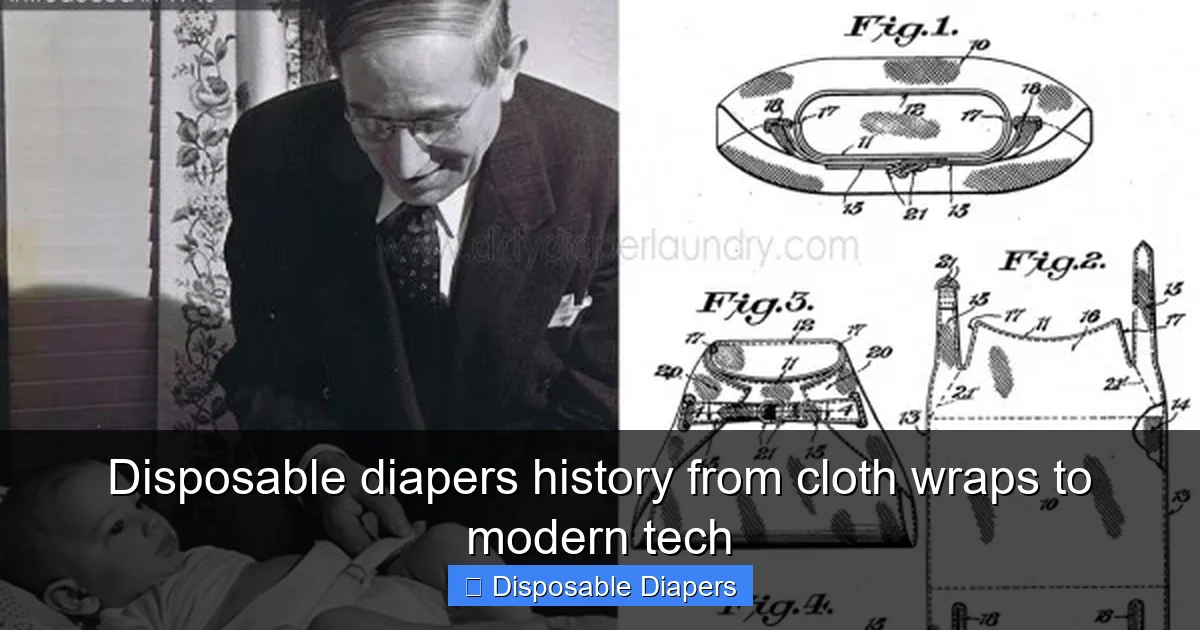
Visual guide about Disposable diapers history from cloth wraps to modern tech
Image source: dirtydiaperlaundry.com
Ancient cloth and natural padding
In many early cultures, babies were wrapped in simple cloth. Families used linen, wool, or cotton when it was available. The cloth was tied around the baby’s waist or wrapped around the whole body. In colder regions, parents added grass, moss, or animal fur for extra warmth and absorbency.
Some Native American groups used soft inner bark and moss as padding. In parts of Europe and Asia, parents used strips of linen or old clothing as diapers. These early methods were not disposable. They needed constant washing, drying, and reuse. Still, they were the first real step in disposable diapers history, because they showed the basic idea: you need something to catch and hold waste.
Elimination communication in early cultures
In many societies, parents also used timing and cues to reduce the need for constant diapering. This is now called “elimination communication.” Caregivers watched for signs that a baby needed to go. Then they held the baby over a bowl, outside, or over a special spot. With this method, cloth or wraps were used less often.
This approach is an important part of disposable diapers history. It reminds us that diapers were not always the main solution. For a long time, people balanced minimal cloth, close contact, and careful observation instead of relying on thick padding.
Step 2: Follow the Rise of Cloth Diapers
The next big chapter in disposable diapers history is the growth of reusable cloth diapers. These became common as weaving improved and cotton became more available and affordable.
Visual guide about Disposable diapers history from cloth wraps to modern tech
Image source: images-na.ssl-images-amazon.com
Flat cloth squares and safety pins
By the 18th and 19th centuries, many families in Europe and North America used flat squares of cotton or linen. Parents folded these squares in different shapes to fit the baby. They used safety pins to hold everything in place. The design was simple but flexible. You could fold the same piece of cloth for a newborn or a toddler.
These cloth diapers were not disposable. They needed soaking, boiling, scrubbing, and drying. Laundry was hard work, and there were no washing machines yet. Still, this stage in disposable diapers history brought a clear, repeatable diaper form: a separate piece of fabric made just for babies.
Diaper services and early convenience
In the early 20th century, urban families started to use diaper services. These companies delivered clean cloth diapers to your home and picked up the dirty ones. They washed and sanitized them in bulk. This was one of the first attempts to add convenience to the diaper routine.
Diaper services played a key role in disposable diapers history. They showed that parents were willing to pay to avoid some of the mess and work. This demand for convenience prepared the market for fully disposable products later on.
Step 3: Meet the First Disposable Diaper Concepts
The modern disposable diaper did not appear overnight. It grew slowly from simple ideas and small experiments. To understand disposable diapers history, you need to see how inventors tested new materials and designs.
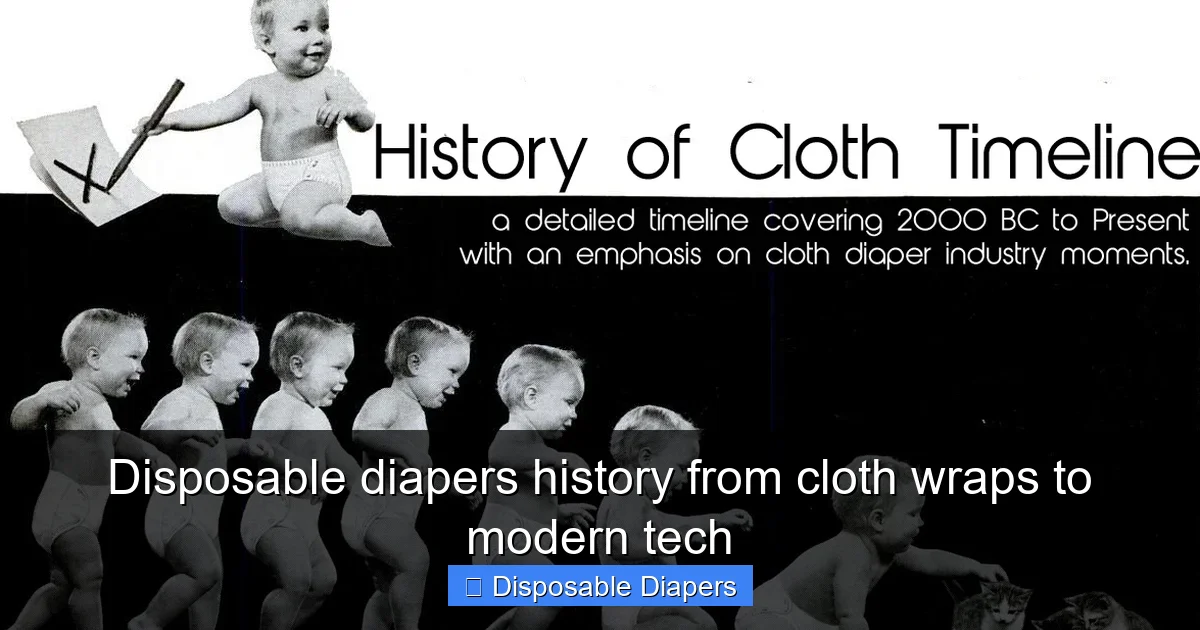
Visual guide about Disposable diapers history from cloth wraps to modern tech
Image source: dirtydiaperlaundry.com
Paper pads and early experiments
In the 1930s and 1940s, some companies tried to use paper as an absorbent layer. The idea was to place a paper pad inside a reusable pant. After use, you could throw away the pad and keep the pant. This was not yet a full disposable diaper, but it was a big step in disposable diapers history.
These early pads did not work very well. They were bulky, broke apart when wet, and leaked often. But they proved that parents liked the idea of throwing away at least part of the diaper. That insight pushed more inventors to try again.
The post-war push for convenience
After World War II, many countries saw rapid social change. More women entered the workforce. Cities grew. Homes became smaller. Washing large loads of cloth diapers became more difficult for many families. At the same time, the paper industry was growing and looking for new uses for its products.
This mix of social need and industrial growth created the perfect moment in disposable diapers history. Parents wanted easier options. Companies had the tools and materials to try something new. All the pieces were in place for the first real disposable diapers.
Step 4: Discover the Birth of the Modern Disposable Diaper
The mid-20th century is where disposable diapers history truly changes. This is when the first recognizable disposable diapers reached the market and began to spread around the world.
Early commercial disposable diapers
In the late 1940s and 1950s, several companies launched disposable diaper products in Europe and North America. These early diapers used layers of tissue paper or fluff pulp inside a waterproof outer layer. Some used plastic pants over the diaper to prevent leaks.
These first disposable diapers were still thick and not very soft. They were also expensive compared to cloth. At first, many families used them only for travel, visits, or special occasions. Still, they marked a major turning point in disposable diapers history. For the first time, parents could skip washing and simply throw the diaper away.
Key design features that took hold
Even in these early days, some features of modern disposable diapers were already taking shape:
- A soft inner layer to touch the baby’s skin
- An absorbent core made of paper or fluff pulp
- A waterproof outer layer to reduce leaks
- Adhesive or tape fasteners to hold the diaper in place
These core ideas became the base for all later improvements in disposable diapers history. Over time, companies kept the basic structure but made every layer better.
Step 5: Track the Big Innovations in Diaper Technology
Once disposable diapers were on store shelves, competition grew fast. Brands fought to offer the driest, thinnest, and most comfortable diaper. This part of disposable diapers history is full of clever materials and smart design tweaks.
Thinner cores and better absorbency
Early disposable diapers were bulky. To improve them, companies looked for materials that could hold more liquid with less fluff. The answer came in the form of superabsorbent polymers, often called SAP. These tiny gel beads can soak up many times their weight in liquid.
When SAP entered disposable diapers history in the 1970s and 1980s, everything changed. Diapers became much thinner and lighter. Babies could move more freely. Parents could carry more diapers in a bag. This one material transformed both comfort and convenience.
Elastic legs and better fit
Another big step in disposable diapers history was the use of elastic. Early diapers often leaked around the legs and waist. By adding soft elastic bands, brands could create a snug but gentle seal. This helped keep messes inside the diaper.
Later, stretch panels and flexible waistbands improved the fit even more. Diapers could now move with the baby, from rolling to crawling to walking. Better fit meant fewer leaks and happier parents.
Breathable and skin-friendly materials
As more families used disposable diapers full-time, skin health became a major focus. Brands began to use breathable outer layers that let air flow while still blocking moisture. They also tested softer inner liners and lotion-like coatings to protect skin.
These changes in disposable diapers history helped reduce diaper rash and irritation. They also made diapers feel more like cloth, which many parents preferred.
Wetness indicators and size ranges
Modern disposable diapers often include a wetness indicator, usually a line that changes color when the diaper is wet. This simple feature made it easier for new parents to know when to change a diaper. It is a small detail, but it shows how disposable diapers history includes many tiny improvements, not just big inventions.
Brands also expanded size ranges over time. Instead of just “small” and “large,” you can now find newborn, preemie, and multiple stages up to training pants. This better sizing is another way disposable diapers history followed the real needs of families.
Step 6: Understand the Social Impact of Disposable Diapers
Disposable diapers history is not only about materials and patents. It also changed how families live, work, and care for children. To see the full picture, you need to look at the social side.
Changing daily routines for parents
Before disposable diapers, laundry was a constant task. Parents soaked, scrubbed, and boiled cloth diapers every day. With disposables, much of that work disappeared. This saved time and energy, especially for parents who were also working outside the home.
This shift in disposable diapers history supported changing gender roles. As more mothers joined the workforce, disposable diapers made it easier to balance baby care and jobs. Fathers also found it simpler to help with diaper changes, since there was less washing involved.
Marketing, status, and expectations
As brands grew, marketing became a huge part of disposable diapers history. Ads showed smiling babies, spotless homes, and relaxed parents. Disposable diapers were sold not just as a product, but as a symbol of modern, caring parenting.
In some places, using disposable diapers became a sign of status or progress. This created pressure on families to use them even when cloth might have been cheaper. It also raised expectations for cleanliness and dryness. Parents started to feel that a “good” diaper should keep a baby almost completely dry all the time.
Step 7: Look at Environmental Concerns and Responses
As disposable diapers became the norm, one big issue grew more visible: waste. This part of disposable diapers history is still unfolding today, as brands and parents search for better answers.
The landfill problem
Disposable diapers are used once and then thrown away. In many countries, they make up a noticeable share of household waste. Each diaper can take many years to break down in a landfill. As awareness of pollution and climate change grew, people began to question the cost of this convenience.
These concerns became a turning point in disposable diapers history. Parents started to ask how they could balance ease of use with care for the planet.
Eco-friendly materials and designs
In response, some brands began to offer more eco-conscious disposable diapers. These might include:
- Plant-based or sustainably sourced fluff pulp
- Chlorine-free bleaching processes
- Biodegradable or compostable components
- Reduced plastic in packaging and outer layers
While no disposable diaper is impact-free, these steps mark a new chapter in disposable diapers history. They show that innovation now considers both baby comfort and environmental health.
Hybrid and reusable alternatives
At the same time, there has been a revival of modern cloth diapers and hybrid systems. Some products use a reusable outer cover with a disposable insert. Others are fully washable but designed to be easier than old-fashioned cloth.
This mix of options is part of the broader disposable diapers history. It shows that families are not locked into a single solution. Instead, they can blend disposable and reusable products to match their values and lifestyle.
Step 8: Explore Modern High-Tech Diapers
Today, disposable diapers history is entering a new phase. Technology is moving beyond simple absorbency and fit. Some diapers now include smart features and advanced designs that were hard to imagine a few decades ago.
Smart diapers and sensors
A small but growing segment of the market offers “smart” disposable diapers. These may include:
- Sensors that detect moisture and send alerts to a phone
- Systems that track diaper changes and sleep patterns
- Tools that help parents monitor health signs over time
These products are still niche, but they show where disposable diapers history might go next. As connected devices spread, diapers may become part of a larger set of baby care tools.
Advanced comfort and specialty designs
Modern disposable diapers also include many special features for comfort and specific needs. Some examples are:
- Newborn diapers with a cutout for the umbilical cord stump
- Overnight diapers with extra absorbency for long sleep periods
- Swim diapers that hold solids but do not swell in water
- Diapers designed for sensitive skin or allergy concerns
These specialty products highlight how far disposable diapers history has come from simple cloth wraps. Diapers are now fine-tuned for different ages, activities, and health needs.
Step 9: How to Use History to Make Better Diaper Choices
Knowing disposable diapers history is not just interesting. It can also help you choose the right products today. When you see how needs and solutions changed over time, you can think more clearly about your own priorities.
Step 9.1: Decide what matters most to you
Start by asking a few simple questions:
- Is my top priority convenience and time savings?
- Do I care most about cost over the first few years?
- Is reducing waste and environmental impact very important to me?
- Does my baby have sensitive skin or special needs?
Disposable diapers history shows that no single diaper is perfect for every family. Different eras focused on different goals: less laundry, better dryness, lower waste. Knowing this helps you see that your choice is also about trade-offs.
Step 9.2: Compare modern options with the past in mind
When you look at today’s diapers, think about how each feature fits into disposable diapers history:
- Thin, light diapers reflect the move to superabsorbent cores.
- Soft, cloth-like covers echo the comfort of traditional cloth wraps.
- Eco features respond to modern environmental concerns.
- Smart sensors represent the newest wave of tech innovation.
By seeing these links, you can judge whether a feature truly helps you or is just marketing. For example, if you value simplicity, you may skip high-tech extras. If you worry about waste, you may choose a brand that clearly explains its materials and recycling or composting options.
Step 9.3: Mix methods if needed
Disposable diapers history shows that people have always used more than one method to manage baby care. You can do the same. Some families use disposable diapers during the day and cloth at night. Others use disposables for travel and reusables at home.
There is no single “correct” way. The long story of disposable diapers history proves that parents adapt tools to their lives, not the other way around.
Troubleshooting Common Diaper Issues (With History in Mind)
Even with all the progress in disposable diapers history, problems still come up. Here are common issues and how to handle them, with a nod to how past solutions shaped today’s advice.
Leaks and blowouts
Leaks happened with early cloth wraps and still happen with modern disposables. To reduce them:
- Check the fit around legs and waist. Elastic should be snug but not tight.
- Make sure ruffles around the legs are pulled out, not tucked in.
- Consider a larger size if the diaper seems too small or leaves deep marks.
- Use diapers labeled for “overnight” if leaks happen during long sleep.
Improved fit and elastic were major milestones in disposable diapers history. Using those features well is key to avoiding messes.
Diaper rash and skin irritation
Diaper rash has been a challenge since the days of moss and cloth. To help prevent it:
- Change diapers often so skin stays as dry as possible.
- Use a barrier cream if your baby’s skin is sensitive.
- Try a different brand or style if irritation continues. Materials vary.
- Give your baby some diaper-free time each day to let skin breathe.
Modern breathable layers and skin-friendly liners are the result of long decades of trial and error in disposable diapers history. If one product does not suit your baby, another may.
Waste and guilt about disposables
Many parents feel torn between convenience and environmental impact. Remember that disposable diapers history is still moving. You can:
- Choose brands that publish clear information about their materials.
- Use fewer diapers by changing just before naps and outings when possible.
- Combine disposables with cloth or hybrids if that fits your life.
- Support local recycling or composting projects if they exist in your area.
You do not need to be perfect. Understanding disposable diapers history can help you see your choices as part of a larger pattern of gradual improvement.
Conclusion: From Cloth Wraps to Smart Diapers
Disposable diapers history is a story of constant change. It starts with simple cloth and natural padding. It passes through the rise of flat cotton squares, diaper services, and early paper pads. Then it explodes into the world of modern disposable diapers with thin cores, elastic legs, and soft, breathable materials.
Along the way, disposable diapers history reflects deeper shifts in society. It shows how parents value time, cleanliness, and comfort. It also reveals growing concern for the planet and the search for greener options. Today, we even see smart diapers and advanced designs that would surprise parents from just a few generations ago.
When you change a diaper now, you are using the latest step in a very long journey. By understanding disposable diapers history, you can make more thoughtful choices, appreciate the convenience you have, and support the innovations you want to see in the future.
🎥 Related Video: When Was The First Disposable Diaper Invented? – Raising A Toddler
📺 Raising A Toddler
When Was The First Disposable Diaper Invented? Have you ever considered the fascinating evolution of baby care products, …
