
This donate unused diapers guide shows you simple, safe ways to give leftover disposable diapers to families who really need them. You will learn where to donate, how to prepare and package diapers, and what organizations accept open packs. Use this step-by-step guide to turn extra diapers into real help for struggling parents in your community.
Key Takeaways
- Point 1: Donating unused diapers is a powerful way to support families in need and reduce waste from leftover disposable diapers.
- Point 2: Many diaper banks, shelters, churches, and community centers accept both sealed and open packs of diapers in good condition.
- Point 3: Always check donation guidelines first, then sort, count, and label your unused diapers clearly by size and type.
- Point 4: Proper packaging and storage keep donated disposable diapers clean, dry, and safe for babies.
- Point 5: You can donate unused diapers through in-person drop-offs, local drives, or by mailing to national diaper bank partners.
- Point 6: If you cannot find a place to donate diapers locally, you can still help families in need with gift cards or online wish lists.
- Point 7: Following this donate unused diapers guide ensures your gift is useful, respectful, and truly helpful to parents.
Introduction: Why a Donate Unused Diapers Guide Matters
Many parents end up with extra disposable diapers. Maybe your baby grew to the next size suddenly. Maybe your child potty trained faster than expected. Or a brand did not work for your baby’s skin. Those unused diapers often sit in a closet or end up in the trash.
This donate unused diapers guide will show you how to turn those extra disposable diapers into real help for families in need. You will learn where to donate unused diapers, how to prepare them, and what to avoid. We will cover sealed boxes, open packs, loose diapers, wipes, and related supplies.
By the end, you will know exactly how to donate unused diapers in a safe, simple, and respectful way. You will also see how your donation fights “diaper need” and supports babies and caregivers in your community.
Understanding Diaper Need and Why Your Donation Helps
Before we dive into how to donate unused diapers, it helps to know why your donation matters so much.
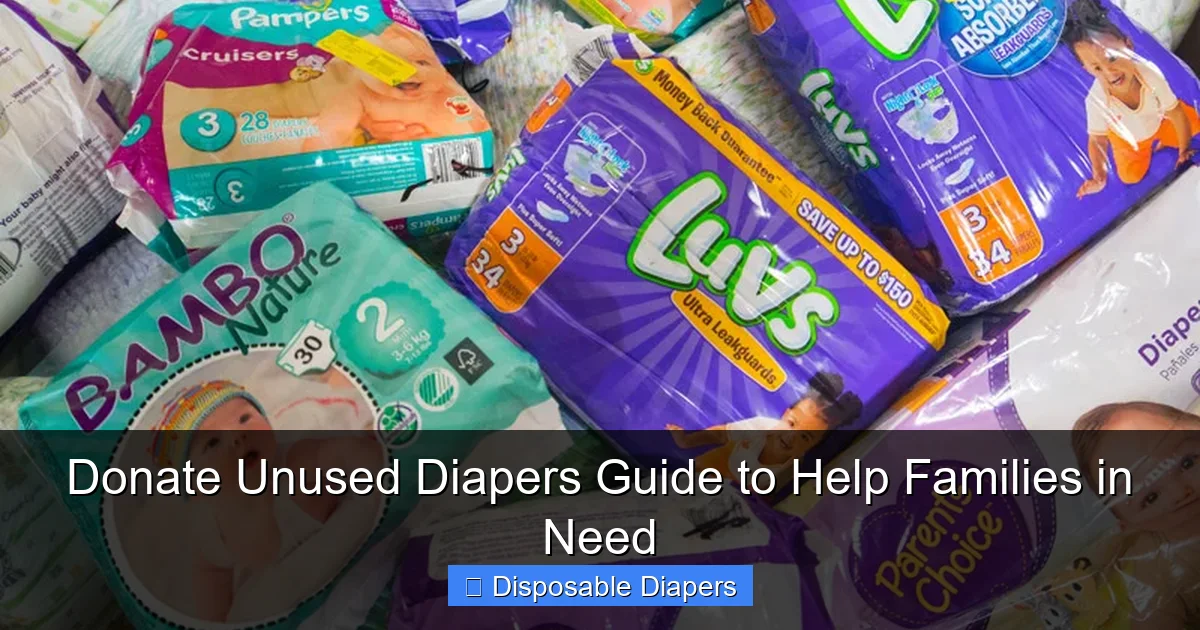
Visual guide about Donate Unused Diapers Guide to Help Families in Need
Image source: distributehope.org
What Is Diaper Need?
Diaper need means not having enough clean disposable diapers to keep a baby dry, healthy, and comfortable. Many families must choose between diapers, rent, food, or gas. Some parents stretch diapers too long or try to rinse and reuse them, which can lead to rashes and infections.
Government programs like SNAP and WIC do not usually cover disposable diapers. That leaves a big gap for families with low incomes, single parents, and caregivers facing sudden job loss or emergencies.
How Donating Unused Diapers Helps Families
When you follow this donate unused diapers guide, you help:
- Protect baby health: Adequate disposable diapers reduce rashes and infections.
- Support parents’ mental health: Less stress about basic needs means more focus on bonding and work.
- Improve financial stability: Families can put limited money toward food, housing, or utilities instead.
- Reduce waste: Donating unused diapers keeps them out of landfills and gives them a second life.
Your extra pack of disposable diapers might seem small, but to a parent in crisis, it can be a huge relief.
Step 1: Check What You Have Before You Donate Unused Diapers
The first step in this donate unused diapers guide is to look closely at what you plan to give.
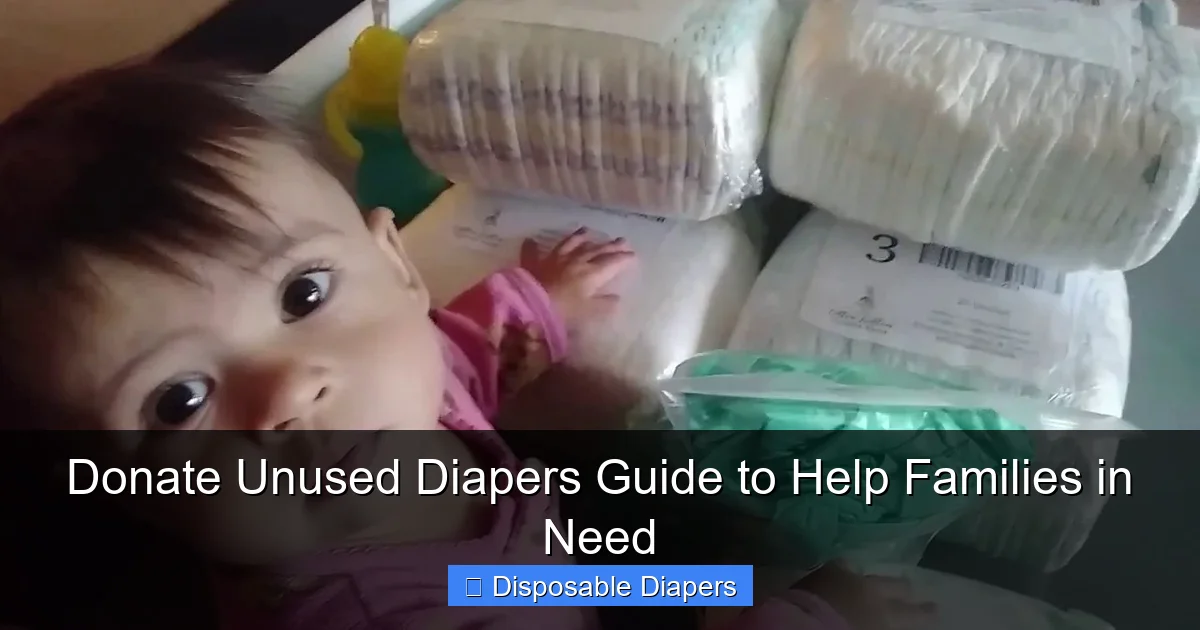
Visual guide about Donate Unused Diapers Guide to Help Families in Need
Image source: i.ytimg.com
Sort by Condition
Gather all your leftover disposable diapers in one place. Then divide them into groups:
- Sealed boxes or bags: Completely unopened and in original packaging.
- Open packages: Partially used packs with the remaining diapers still clean and unused.
- Loose diapers: Individual diapers not in any original bag or box.
- Related items: Wipes, diaper cream (unopened), pull-ups, swim diapers, and training pants.
Most places prefer sealed packs, but many will still accept open packages and loose disposable diapers if they are clean and in good condition.
Check Diaper Condition Carefully
Inspect each diaper. Only donate unused diapers that are:
- Clean: No stains, dirt, or signs of previous use.
- Dry: No moisture damage or water exposure.
- Intact: No torn tabs, ripped sides, or major defects.
- Odor-free: No musty or strong smells from storage.
If any disposable diapers look damaged, discolored, or questionable, do not donate them. When in doubt, leave it out. Respect for the receiving family is key in this donate unused diapers guide.
Note Sizes and Types
Next, sort your unused diapers by size and type:
- Newborn, Size 1, Size 2, Size 3, Size 4, Size 5, Size 6, etc.
- Regular disposable diapers vs. pull-ups or training pants.
- Daytime vs. overnight diapers if labeled.
Most diaper banks and shelters accept all sizes, but there is often a higher need for sizes 3, 4, and 5. Still, newborn and larger sizes are helpful too. Accurate size labels make your donation easier to distribute.
Step 2: Find Places That Accept Unused Diapers
The next step in this donate unused diapers guide is finding the right organization. Different places have different rules, so always confirm first.
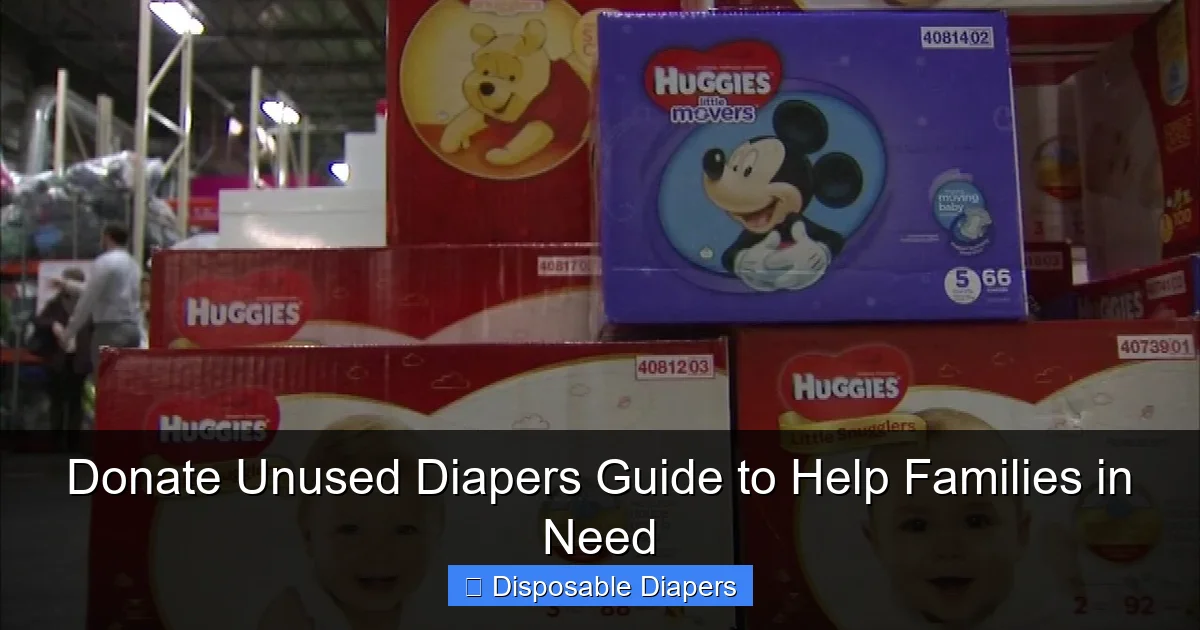
Visual guide about Donate Unused Diapers Guide to Help Families in Need
Image source: cdn.abcotvs.com
Option 1: Local Diaper Banks
Diaper banks specialize in collecting and distributing disposable diapers to families in need. They are usually the best first choice.
- Search online for “diaper bank near me” or “donate unused diapers + your city.”
- Visit the National Diaper Bank Network website to find member organizations.
- Check their site or call to ask what types of unused diapers they accept.
Most diaper banks take sealed and open packs. Some even accept loose diapers if you group and label them by size.
Option 2: Food Pantries and Community Centers
Many food pantries and community centers now collect disposable diapers along with food and hygiene items.
- Look up local food pantries, family resource centers, or community outreach programs.
- Ask if they accept donated unused diapers and what their guidelines are.
- Confirm drop-off days and hours before you go.
Option 3: Shelters and Transitional Housing Programs
Women’s shelters, homeless shelters, and family shelters often welcome diaper donations.
- Contact shelters that serve women, children, and families.
- Ask if they accept disposable diapers directly or prefer donations through a partner diaper bank.
- Check whether they will take open packs or only sealed ones.
Option 4: Churches, Mosques, Synagogues, and Faith Groups
Many faith communities run clothing closets or support programs for families in need.
- Call local churches, mosques, synagogues, or temples.
- Ask if they have a baby pantry, family ministry, or community outreach that accepts unused diapers.
- Some may run seasonal diaper drives where your donation fits perfectly.
Option 5: Hospitals, Clinics, and Social Service Agencies
Some hospitals, pediatric clinics, and social service offices keep emergency diaper supplies.
- Check with social workers, case managers, or community health workers.
- Ask if they accept donated unused diapers or can connect you with a partner organization.
Option 6: Online and Peer-to-Peer Giving
If you cannot find a local organization, consider direct giving.
- Post in local parenting groups or neighborhood forums, offering your unused diapers for free.
- Use “Buy Nothing” or community swap groups to match with families in need.
- Always meet in a safe, public place and package disposable diapers neatly and respectfully.
Even with peer-to-peer giving, follow the same standards from this donate unused diapers guide: clean, unused, and clearly labeled.
Step 3: Confirm Donation Guidelines Before You Go
Every place has its own rules. The most important part of this donate unused diapers guide is to ask first and avoid surprises.
Questions to Ask
When you call or email, ask:
- What types of diapers do you accept? (Sealed packs only, or open packs and loose diapers too?)
- Do you accept all brands and sizes?
- Do you accept related items? (Wipes, creams, pull-ups, swim diapers.)
- Are there any items you cannot take? (Expired creams, damaged packages, cloth diapers, etc.)
- What are your drop-off hours and location details?
Common Rules to Expect
Many organizations that accept donated unused diapers will require:
- Disposable diapers must be new and unused.
- Diapers must be free of odors, stains, or pet hair.
- Open packs should be taped or sealed in a clean bag.
- Loose diapers should be grouped and labeled by size and count.
Following their rules shows respect and makes your donation easier to distribute.
Step 4: Prepare and Package Your Unused Diapers
Proper preparation is what turns a random pile of leftover disposable diapers into a helpful donation. This step in the donate unused diapers guide focuses on packaging.
How to Handle Sealed Boxes and Bags
Sealed packages are the simplest to donate.
- Leave them in their original packaging.
- Wipe off any dust or surface dirt.
- If the cardboard box is damaged but the inner plastic bag is intact, you can remove the outer box and donate the inner sealed bag.
- Use a marker or label to highlight the size and count if it is not clear.
How to Prepare Open Packs
Many people wonder if they can donate unused diapers from open packs. Often, yes.
- Check each diaper to ensure it is clean and undamaged.
- Place remaining diapers in a clean, clear plastic bag (like a gallon zip bag or larger storage bag).
- Push out excess air and seal the bag tightly.
- Write the diaper size and number of diapers on the bag with a marker.
- If you have multiple bags of the same size, group them together in a larger bag or box.
This simple step makes it easy for staff to count and distribute your donated unused diapers.
How to Package Loose Diapers
If you have loose disposable diapers, you can still often donate them.
- Sort by size so each bag contains only one size.
- Place diapers in clean, sealable plastic bags.
- Count the diapers and write the size and quantity on the bag.
- Keep bags neat and flat to make storage easier.
Including Wipes and Other Supplies
Many families in need also struggle to afford wipes and creams.
- Unopened wipes: Most places accept them if the seal is intact.
- Opened wipes: Many do not accept these for safety reasons, but ask your local group.
- Diaper cream: Usually must be unopened and unexpired.
- Pull-ups and training pants: Prepare and label them just like regular disposable diapers.
Labeling Your Donation Clearly
Good labels are a key part of this donate unused diapers guide. On each bag or box, clearly write:
- Size (for example: “Size 3” or “4T–5T pull-ups”).
- Number of diapers inside.
- Type if helpful (overnight, sensitive, etc.).
Clear labels save volunteers time and help families receive the right size quickly.
Step 5: Store and Transport Donated Unused Diapers Safely
Once your disposable diapers are packed, you need to keep them clean and dry until they reach their new home.
Short-Term Storage Tips
Until drop-off day, store your donation:
- In a cool, dry place away from moisture.
- Off the floor if possible, especially in basements or garages.
- Away from strong smells like smoke or chemicals.
- In closed boxes or bags to protect from dust and pets.
Transporting Your Donation
When you are ready to donate unused diapers:
- Place bags of diapers into sturdy boxes or reusable bags.
- Do not overload boxes, so they remain easy to lift.
- Keep sizes grouped together for quick unloading.
- Bring any written list or inventory if the organization requested it.
Step 6: Drop Off or Mail Your Donation
This step in the donate unused diapers guide covers how to complete the donation process.
In-Person Drop-Off
Most local donations happen in person.
- Confirm address, hours, and any appointment needs.
- Arrive during open hours and follow their check-in process.
- Let staff or volunteers know what you are donating and mention any special items (like overnight diapers or pull-ups).
- Ask for a receipt if you want one for your records or for tax purposes, where applicable.
Mail-In Donations
If you do not have a local option, some national organizations or smaller groups accept mailed donations of unused diapers.
- Check their website for mailing guidelines.
- Use a sturdy box and pack diapers tightly to avoid shifting.
- Label the box with “Donated diapers” and your return address.
- Consider shipping costs; sometimes sending a financial donation is more efficient than mailing heavy disposable diapers.
Participating in Diaper Drives
Community diaper drives are a great way to donate unused diapers and encourage others to give.
- Watch for diaper drives at schools, workplaces, or places of worship.
- Bring your sorted and labeled unused diapers to the collection site.
- Share information with friends and family to increase impact.
Step 7: Consider Extra Ways to Help Beyond This Donate Unused Diapers Guide
Once you donate unused diapers, you might feel inspired to do more. There are many simple options.
Give Gift Cards or Financial Support
Some families need specific brands for sensitive skin or certain sizes urgently.
- Donate gift cards to big-box stores or grocery stores where parents can buy disposable diapers.
- Give directly to diaper banks so they can purchase high-need sizes in bulk.
- Support online wish lists created by shelters or family programs.
Organize Your Own Mini Diaper Drive
You can expand the impact of this donate unused diapers guide by involving others.
- Ask friends, coworkers, or neighbors to gather their unused diapers.
- Set up a collection box at your workplace or community center (with permission).
- Choose a local diaper bank or shelter to receive the donations.
- Use social media or email to share details and encourage participation.
Volunteer Your Time
Diaper banks and pantries often need volunteers to sort, pack, and distribute disposable diapers.
- Offer to help with inventory, packing, or events.
- Use your skills: marketing, web design, fundraising, or logistics.
- Teach others about diaper need and share this donate unused diapers guide as a resource.
Troubleshooting: Common Questions and Issues When Donating Unused Diapers
Even with a clear donate unused diapers guide, you might run into a few problems. Here is how to handle them.
What If No One Accepts Open Packs?
Some organizations accept only sealed packages of disposable diapers.
- Ask if they can suggest another local group that accepts open packs.
- Try peer-to-peer giving in local parent groups or neighborhood apps.
- If you still cannot place them, you may need to dispose of the open pack and donate only sealed items or consider giving to a trusted individual directly.
What If the Diapers Are Old?
Disposable diapers do not usually have a strict expiration date, but very old diapers may be less effective.
- Check for yellowing, brittleness, or crumbling elastic.
- If the diapers look or feel degraded, do not donate them.
- When unsure, ask the organization if they have a policy on older diapers.
Can You Donate Cloth Diapers?
This donate unused diapers guide focuses on disposable diapers, but some groups do accept cloth diapers.
- Search specifically for cloth diaper banks or cloth diaper lending programs.
- Most will accept gently used, clean cloth diapers and covers.
- Follow their washing and preparation instructions before donating.
What If You Live in a Rural Area With Few Options?
In rural areas, it can be harder to find a diaper bank or shelter.
- Check regional organizations that serve multiple counties.
- Ask local churches, schools, or health departments if they know where to donate unused diapers.
- Consider mailing your donation or using online giving to support families elsewhere.
Respect and Dignity: The Heart of This Donate Unused Diapers Guide
At every step, remember that your donated unused diapers go to real babies and caregivers facing hard times. Treat your donation with the same care you would want for your own child.
- Donate only items you would feel comfortable using yourself.
- Keep packaging neat and clean.
- Avoid sharing photos or stories that expose families’ privacy without permission.
- Listen to what organizations say they need most.
Respectful giving turns simple disposable diapers into a powerful act of community support.
Conclusion: Turn Extra Diapers Into Real Help Today
This donate unused diapers guide has walked you through every step: checking your supplies, finding the right place, confirming rules, packaging properly, and delivering your donation. With a little time and care, your leftover disposable diapers can bring comfort, health, and peace of mind to families in need.
Instead of letting unused diapers sit in a closet or end up in the trash, you can give them a second life. Start by gathering what you have, reach out to a local diaper bank or community group, and follow the simple steps in this guide. Your decision to donate unused diapers today can make tomorrow easier for a parent who is struggling—and that impact is worth every effort.
🎥 Related Video: DUMPSTER DIVER JUMPS IN DUMPSTER TO RESCUE FOOD #dumpsterdiving #donatenotdump
📺 Nniffer
