
The environmental impact of diapers is bigger than most parents realize, from landfill waste to resource use and chemicals. This guide explains how disposable diapers affect the planet and shows you simple, realistic ways to make greener choices without sacrificing convenience. Learn about eco-disposables, cloth options, hybrids, and smart daily habits so you can reduce waste, save money, and still meet your baby’s needs.
Key Takeaways
- Point 1: The environmental impact of diapers comes from raw materials, production, transport, use, and disposal, not just landfill waste.
- Point 2: Small changes—like using fewer diapers per day and disposing of waste correctly—can greatly reduce your diaper footprint.
- Point 3: Cloth diapers can cut solid waste, but their impact depends on how you wash, dry, and store them.
- Point 4: Eco-disposable diapers use more plant-based materials and fewer chemicals, but still create waste if not managed well.
- Point 5: Hybrid systems (reusable covers with disposable inserts) offer a balance between convenience and lower environmental impact.
- Point 6: Choosing greener diaper brands, buying secondhand gear, and line-drying can all lower your baby’s diaper footprint.
- Point 7: There is no perfect diaper; the best choice is the one that fits your lifestyle and reduces impact step by step.
Introduction: Why the Environmental Impact of Diapers Matters
The environmental impact of diapers is something many parents do not think about at first. You are busy, tired, and just trying to keep your baby clean and happy. Yet diapers are one of the biggest single sources of household waste during your child’s early years. One baby can use thousands of diapers before potty training. That adds up fast.
This guide will help you understand the environmental impact of diapers in simple, clear language. You will learn how disposable diapers affect landfills, climate, water, and resources. You will also see how cloth diapers and hybrid systems compare. Most important, you will get easy, step-by-step ways to make greener choices that fit real life. You do not need to be perfect. You just need to know your options and pick the steps that work for you.
Step 1: Understand the Full Environmental Impact of Diapers
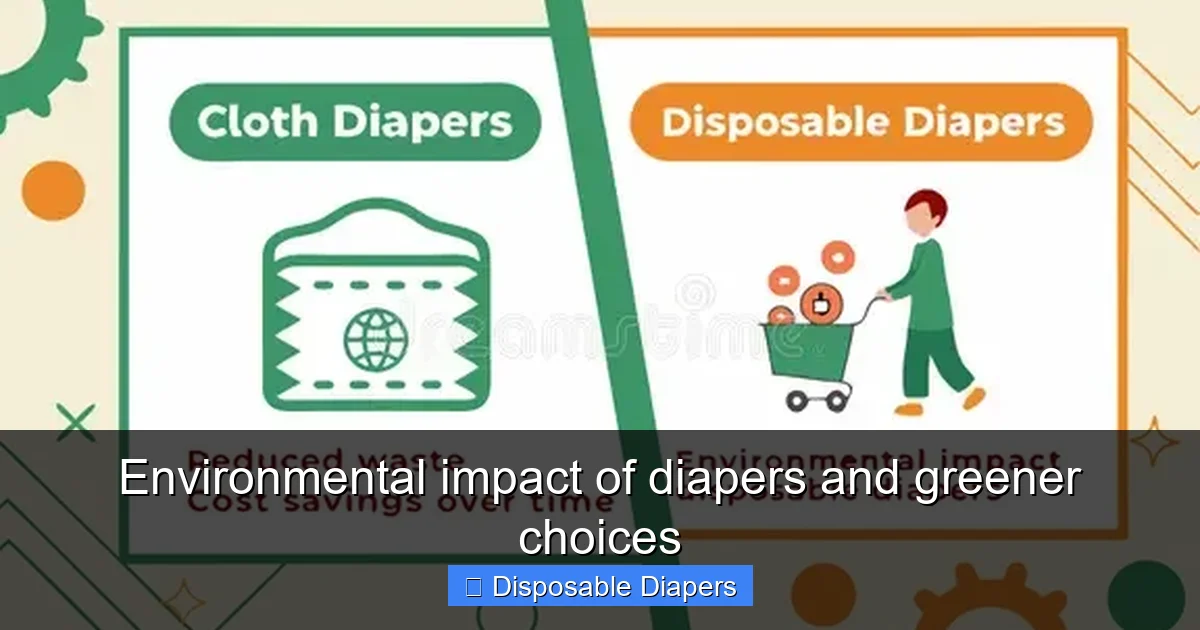
When people talk about the environmental impact of diapers, they often think only about trash. But there is much more to it. Each diaper has a life cycle. It starts with raw materials and ends with disposal. Every stage has an impact.
Visual guide about Environmental impact of diapers and greener choices
Image source: thumbs.dreamstime.com
1.1 Raw materials and resource use
Disposable diapers use wood pulp, plastics, and super-absorbent polymers. These materials come from trees, fossil fuels, and complex chemical processes. Harvesting trees and pumping oil both use energy and damage ecosystems. Cloth diapers use cotton, bamboo, or synthetic fabrics. Cotton needs land, water, and often pesticides. Bamboo grows fast but still needs processing. So the environmental impact of diapers begins long before your baby wears them.
1.2 Manufacturing and energy
Factories that make disposable diapers run day and night. They use large amounts of electricity and water. They also create emissions and sometimes chemical waste. Cloth diapers also need energy to produce, but they are made once and reused many times. The environmental impact of diapers in this stage depends on how efficient factories are and what kind of energy they use.
1.3 Packaging and transport
Diapers are bulky. They are wrapped in plastic packaging and shipped long distances. Every trip from factory to warehouse to store adds to the environmental impact of diapers through fuel use and emissions. Cloth diapers and reusable covers also travel, but you buy them less often. That can reduce overall transport impact over time.
1.4 Use phase: washing versus single-use
Disposable diapers are used once and thrown away. That seems simple, but the environmental impact of diapers continues in your trash can and beyond. Cloth diapers are washed many times. Washing uses water, energy, and detergent. So the use phase impact depends on your habits. Hot washes, long dryer cycles, and frequent small loads increase the footprint of cloth. Smarter washing can reduce it.
1.5 End of life: landfill and beyond
Most disposable diapers end up in landfills. They can take hundreds of years to break down. They also trap human waste, which can release methane and other gases. Some diapers are burned in waste-to-energy plants, which has its own emissions. Cloth diapers avoid landfill waste, but they still wear out and may be thrown away after years of use. The environmental impact of diapers at the end of life is a key reason many parents look for greener choices.
Step 2: Know the Main Types of Diapers and Their Impacts
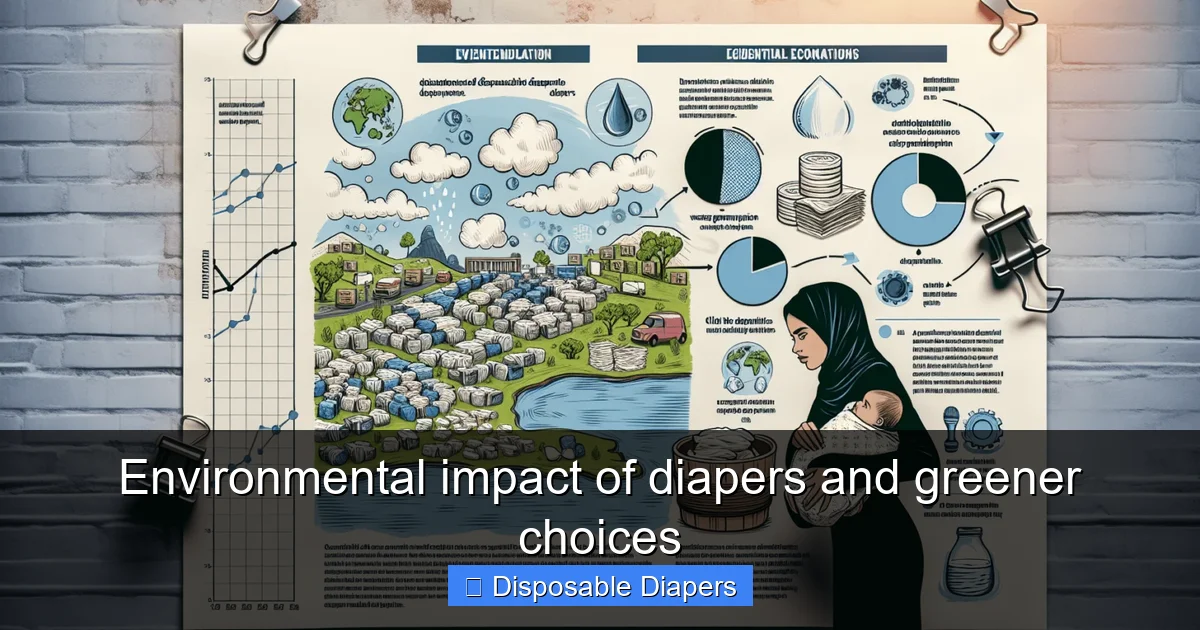
To reduce the environmental impact of diapers, it helps to know your options. Each main type has pros, cons, and trade-offs. There is no perfect answer, but there is a best answer for you.
Visual guide about Environmental impact of diapers and greener choices
Image source: zengreen.net
2.1 Standard disposable diapers
Standard disposables are the most common type. They are cheap, easy to find, and very convenient. But they also have a high environmental impact. They use a lot of plastic and synthetic materials. They create large amounts of landfill waste. They also often contain lotions, fragrances, and dyes. These can cause skin issues for some babies and add to chemical impact.
If you use standard disposables, you are not alone. The goal is not to feel guilty. The goal is to understand the environmental impact of diapers and see where you can make small changes to reduce it.
2.2 Eco-disposable diapers
Eco-disposables are designed to lower the environmental impact of diapers while keeping convenience. They often use more plant-based materials, like sustainably sourced pulp or some biodegradable components. They may avoid chlorine, fragrances, and certain plastics. Some brands use more renewable energy in production.
However, eco-disposables are still mostly single-use. Many “biodegradable” parts do not break down well in regular landfills. So the environmental impact of diapers in this category is lower than standard disposables, but not zero. They are a good step for parents who want greener choices without changing their routine too much.
2.3 Cloth diapers
Cloth diapers are reusable. They can be made from cotton, bamboo, hemp, or microfiber. You wash and dry them between uses. This can greatly reduce solid waste. Over time, one set of cloth diapers can replace thousands of disposables. That is a big change in the environmental impact of diapers.
But cloth is not impact-free. Growing cotton uses water and chemicals. Washing uses energy, water, and detergent. Drying in a machine uses even more energy. The environmental impact of diapers in cloth form depends a lot on how you wash, how many you own, and whether you line-dry when possible.
2.4 Hybrid diaper systems
Hybrid systems use a reusable outer cover with a disposable or washable insert. You can mix and match based on your day. For example, you might use washable inserts at home and disposable inserts when traveling. This can reduce waste while keeping some convenience.
The environmental impact of diapers in hybrid systems sits between full cloth and full disposable. You throw away less, but you still have some single-use parts. For many busy families, hybrids are a practical way to cut impact without a full lifestyle shift.
Step 3: Choose the Right Greener Option for Your Family
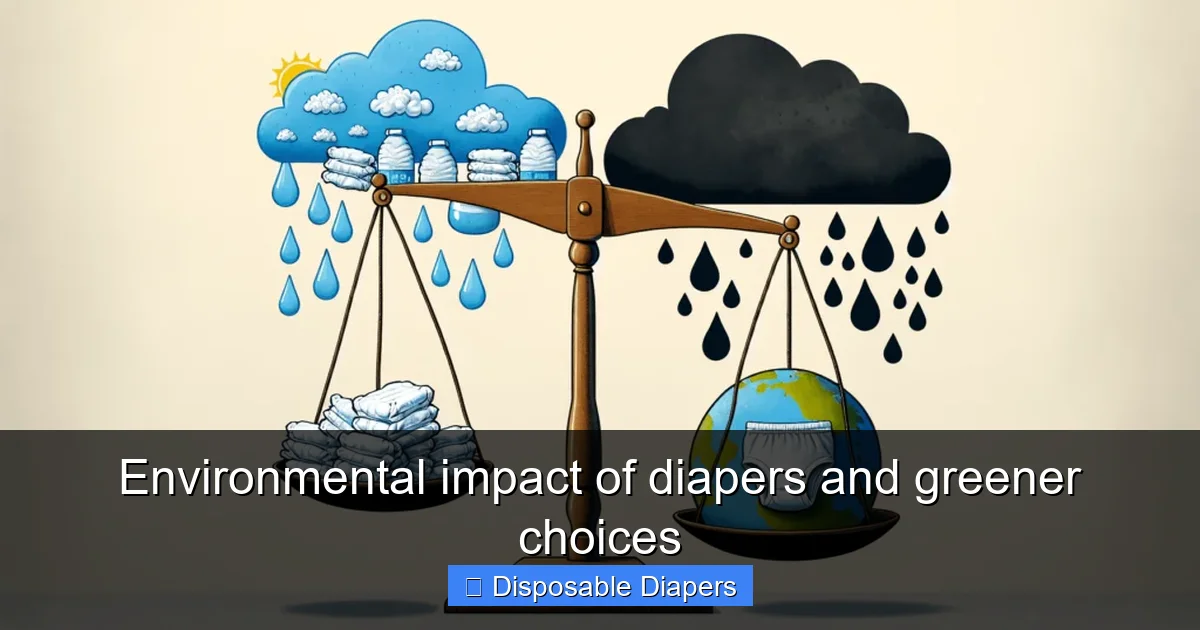
Now that you know the main types, how do you pick the best way to reduce the environmental impact of diapers in your home? The answer depends on your budget, time, space, and comfort level.
Visual guide about Environmental impact of diapers and greener choices
Image source: zengreen.net
3.1 Ask yourself key lifestyle questions
Before you decide, pause and think about your daily routine. Honest answers will help you choose a plan you can stick with.
- How much time do you have for laundry each week?
- Do you have a washing machine at home, or do you use a shared laundry?
- Do you have outdoor space or a balcony for line-drying?
- Is your baby in daycare, and what diaper types do they allow?
- What is your budget for upfront costs versus monthly spending?
The environmental impact of diapers will be lower if you choose a system that fits your real life. A perfect plan that you cannot maintain will not help.
3.2 If you want maximum convenience
If you need easy, grab-and-go diapering, standard disposables or eco-disposables may be best. To reduce the environmental impact of diapers in this case, focus on smarter brand choices and better disposal habits. You can also mix in a few reusable items, like cloth wipes or reusable swim diapers, to cut waste.
3.3 If you want maximum waste reduction
If cutting landfill waste is your top goal, cloth diapers are the strongest option. You can build a small stash and wash every two to three days. To keep the environmental impact of diapers low with cloth, you will need good washing habits. We will cover that in detail in the next steps.
3.4 If you want a balanced middle path
Many parents choose a mix. For example, they use cloth at home and disposables at night or when out. Or they use a hybrid system. This flexible plan can greatly reduce the environmental impact of diapers while still fitting a busy life. Do not be afraid to mix types and adjust over time.
Step 4: How to Reduce the Impact of Disposable Diapers
Even if you stick with disposables, you can still lower the environmental impact of diapers with some simple habits. Every small change helps.
4.1 Pick greener disposable brands
When shopping, read labels and websites. Look for brands that:
- Use chlorine-free or totally chlorine-free pulp
- Include plant-based materials in the top sheet or core
- Avoid fragrances and lotions
- Use certified sustainable pulp (like FSC-certified)
- Share clear information about their energy use and emissions
These features do not remove all impact. But they reduce the environmental impact of diapers compared to standard options.
4.2 Use the right size and change smartly
Using the correct size helps avoid leaks and wasted diapers. If a diaper is too small or too big, you may change it more often. This increases the environmental impact of diapers because you use more per day.
Change when wet or soiled, but avoid “just in case” changes when a diaper is still mostly dry. At night, consider more absorbent options so you do not need multiple changes. This saves resources and money.
4.3 Dispose of waste correctly
Most parents throw the whole diaper, including solid waste, into the trash. This adds to the environmental impact of diapers by sending untreated human waste to landfills. A better way is to:
- Shake or scrape solid waste into the toilet before tossing the diaper
- Wrap the diaper snugly to reduce odor and volume
- Use a simple trash bin with a lid instead of many plastic liners
Removing solids lowers methane and pathogen risks in landfills. It is a small habit that can improve the environmental impact of diapers over time.
4.4 Buy in bulk and store wisely
Buying larger packs reduces packaging per diaper and cuts down on trips to the store. This slightly lowers the environmental impact of diapers by saving fuel and materials. Store diapers in a dry place so they do not get damaged and wasted.
Step 5: How to Use Cloth Diapers in a Low-Impact Way
Cloth diapers can greatly cut the environmental impact of diapers, but only if you use and wash them wisely. Here is how to do that step by step.
5.1 Start with a realistic cloth stash
Many guides suggest huge collections of cloth diapers. You do not need that. A simple stash of 20 to 24 diapers is enough for most babies if you wash every two to three days. Buying only what you need reduces the environmental impact of diapers by lowering production and cost.
Choose durable styles you can adjust as your baby grows. One-size or adjustable diapers last longer and reduce waste.
5.2 Use liners and covers smartly
Using reusable or flushable liners can help catch solids. This makes cleaning easier and reduces stains. You can also reuse covers for several changes if they are not soiled, swapping only the inner absorbent part. This lowers laundry volume and the environmental impact of diapers in daily use.
5.3 Build an efficient washing routine
Washing is where the environmental impact of diapers in cloth form can rise or fall. Follow these steps to keep it low:
- Store dirty diapers dry in a pail or wet bag. Avoid soaking in water, which can lead to more water use and odors.
- Do a short rinse or pre-wash in cold water to remove solids and urine.
- Wash in warm, not very hot, water unless your baby has specific health needs. Warm water cleans well and uses less energy than hot.
- Use the right amount of detergent. Too much can cause build-up. Too little may not clean well. Follow the brand guide.
- Wash full loads, but do not overstuff the machine. This balances water use and cleaning power.
These habits keep the environmental impact of diapers lower while still giving you clean, safe cloth.
5.4 Choose lower-impact drying methods
Dryers use a lot of energy. Line-drying or rack-drying your cloth diapers is one of the best ways to cut the environmental impact of diapers. Sunlight also helps bleach stains and kill bacteria.
If you must use a dryer, try these tips:
- Use a medium heat setting instead of high
- Dry in batches and avoid very small loads
- Consider dryer balls to shorten drying time
You can also line-dry covers and put only the thick inserts in the dryer. Every bit helps reduce the environmental impact of diapers in your laundry room.
5.5 Reuse, resell, and recycle where possible
Cloth diapers often last through more than one child. You can use them for siblings, share with friends, or resell them. This spreads the environmental impact of diapers over many years of use. When they are too worn for diapering, some can be cut into cleaning cloths. A few brands and local groups offer textile recycling. Check in your area to see what is possible.
Step 6: Try Hybrid and Mixed Systems for Flexibility
Not every family can go all-in on cloth or all-in on eco-disposables. That is fine. A mixed system can still greatly cut the environmental impact of diapers.
6.1 Use cloth at home and disposables on the go
One simple plan is to use cloth during the day at home, where you can store and wash easily. Then use disposables for nights, travel, or daycare. This can cut your disposable use in half or more. That is a big drop in the environmental impact of diapers without a full change in lifestyle.
6.2 Try hybrid covers with different inserts
Hybrid covers can hold both washable and disposable inserts. You can:
- Use washable inserts most days to reduce waste
- Switch to disposable inserts when you are out or on vacation
Because you reuse the covers many times, you still lower the environmental impact of diapers compared to full disposables. You also have less laundry than full cloth systems.
6.3 Adjust as your baby grows
Your baby’s needs will change. Newborns may need more changes and softer materials. Older babies and toddlers may need more absorbency. Do not be afraid to shift your mix of diapers over time. The environmental impact of diapers will still be lower if you keep some reusable parts in the mix.
Step 7: Extra Ways to Shrink Your Diaper Footprint
Beyond the diapers themselves, there are other ways to reduce the environmental impact of diapers and your whole baby care routine.
7.1 Use reusable wipes
Disposable wipes add more plastic and chemicals to your trash. Reusable cloth wipes are easy to use with both cloth and disposable diapers. You can wash them with your diapers or regular laundry. This small change lowers the overall environmental impact of diapers and baby care.
7.2 Choose secondhand gear
Changing tables, diaper pails, wet bags, and cloth diapers can often be bought secondhand. This avoids new production and spreads out the environmental impact of diapers and related items. Just check for safety, cleanliness, and good condition.
7.3 Support better waste systems
Some cities and private services offer diaper recycling or special collection. These are still rare, but they are growing. If you have access, using them can reduce the environmental impact of diapers by recovering materials and managing waste better. You can also support policies that improve landfill rules, renewable energy, and sustainable forestry.
7.4 Think about potty readiness
Rushing potty training is not helpful, but being aware of signs of readiness can shorten the diaper years. A few months less in diapers can mean hundreds fewer used. That reduces both cost and the environmental impact of diapers in your home. Look for signs like staying dry longer, showing interest in the toilet, and being able to follow simple instructions.
Troubleshooting Common Diaper Challenges (Greener Edition)
Trying to lower the environmental impact of diapers can bring new questions and problems. Here is how to handle some common ones.
8.1 Leaks with cloth or eco-diapers
If you get leaks after switching to greener options, do not give up. Check fit first. Gaps at the legs or back often cause leaks. Adjust snaps or velcro so the diaper is snug but not tight. You may also need more absorbent inserts, especially at night. Fixing leaks will help you stick with your plan and keep the environmental impact of diapers lower.
8.2 Rashes after changing diaper types
Some babies react to new materials or detergents. If rashes appear, try switching to a gentle, fragrance-free detergent. Rinse diapers well. For disposables, look for brands without fragrances or lotions. Keeping skin dry and clean is key. Once you solve the rash, you can keep reducing the environmental impact of diapers without sacrificing comfort.
8.3 Overwhelmed by laundry
Cloth laundry can feel like a lot at first. To make it easier, set a simple schedule. For example, wash every Monday, Wednesday, and Friday. Use a good wet bag or pail to control odor. Remember that each wash replaces many disposables. The environmental impact of diapers drops with every load you complete.
8.4 Pushback from caregivers or daycare
Some caregivers are not used to cloth or hybrids. Offer simple instructions and pre-stuffed diapers that work like disposables. If they still prefer disposables, you can use cloth at home and disposables there. The environmental impact of diapers will still be lower than if you used disposables full-time.
Conclusion: Small Steps, Big Difference
The environmental impact of diapers is real, but you do not need to feel helpless. By understanding how diapers are made, used, and thrown away, you can make better choices. You have seen the pros and cons of standard disposables, eco-disposables, cloth, and hybrid systems. You have learned how washing habits, drying methods, and waste disposal all shape the environmental impact of diapers.
You do not need to be perfect or follow one strict system. Even one cloth diaper a day replaces hundreds of disposables over time. Choosing a greener brand, line-drying when you can, or using reusable wipes all help. The best plan is the one you can keep doing. Step by step, you can protect your baby’s health and reduce the environmental impact of diapers, making a positive difference for the planet they will grow up in.
🎥 Related Video: ENVIRONMENTAL IMPACTS OF DISPOSABL DIAPERS AND SANITARY TOWELS
📺 Vivienne Irikefe
Much of what we buy and use are disposables. From medical and electronic waste to kitchen and dining products, the list goes on.
