
This guide explains how often to change diapers based on your baby’s age, feeding style, and daily routine. You’ll learn simple rules of thumb, how to spot when a diaper needs changing, and how to prevent rashes and leaks. We’ll also cover night changes, travel days, and what to do when life gets busy, so you can feel confident and calm about diaper changes.
Key Takeaways
- Point 1: Newborns usually need a diaper change every 2–3 hours and after every poop, because they pee and poop very often.
- Point 2: As babies grow, you can often change diapers every 3–4 hours in the day, but always change a dirty diaper right away.
- Point 3: Use your eyes, nose, and touch to check diapers often, instead of waiting for leaks or fussing.
- Point 4: Night diaper changes depend on your baby’s age, skin sensitivity, and sleep; with older babies you can often skip changes if the diaper is only wet.
- Point 5: Disposable diapers with good absorbency, the right size, and snug fit help you go a bit longer between changes without leaks.
- Point 6: Frequent diaper changes and a simple skin-care routine are the best way to prevent diaper rash.
- Point 7: Every baby is different; use general rules as a starting point, then adjust how often you change diapers to fit your baby and your family’s routine.
How often change diapers: A realistic guide for parents
When you bring home a new baby, it can feel like your whole day is just feeding, burping, and changing diapers. You might wonder, how often change diapers so my baby stays clean and comfy, but I’m not changing nonstop?
This guide gives you a realistic, judgment-free look at how often to change diapers. We’ll walk through what is normal at each age, how to tell when it’s time, and how to handle nights, travel, and busy days. You’ll also get simple tips to prevent diaper rash and leaks, and learn how disposable diapers can make life easier.
By the end, you will:
- Understand how often change diapers for newborns, infants, and toddlers
- Know the clear signs that a diaper needs changing
- Have a simple daily rhythm for diaper changes
- Be able to adjust your routine to your baby’s needs
- Feel more confident and less stressed about diaper duty
Step 1: Understand what affects how often you change diapers
There is no single magic number that fits every baby. To decide how often change diapers for your child, you need to know what factors change how often they pee and poop, and how wet a diaper can get before it needs changing.

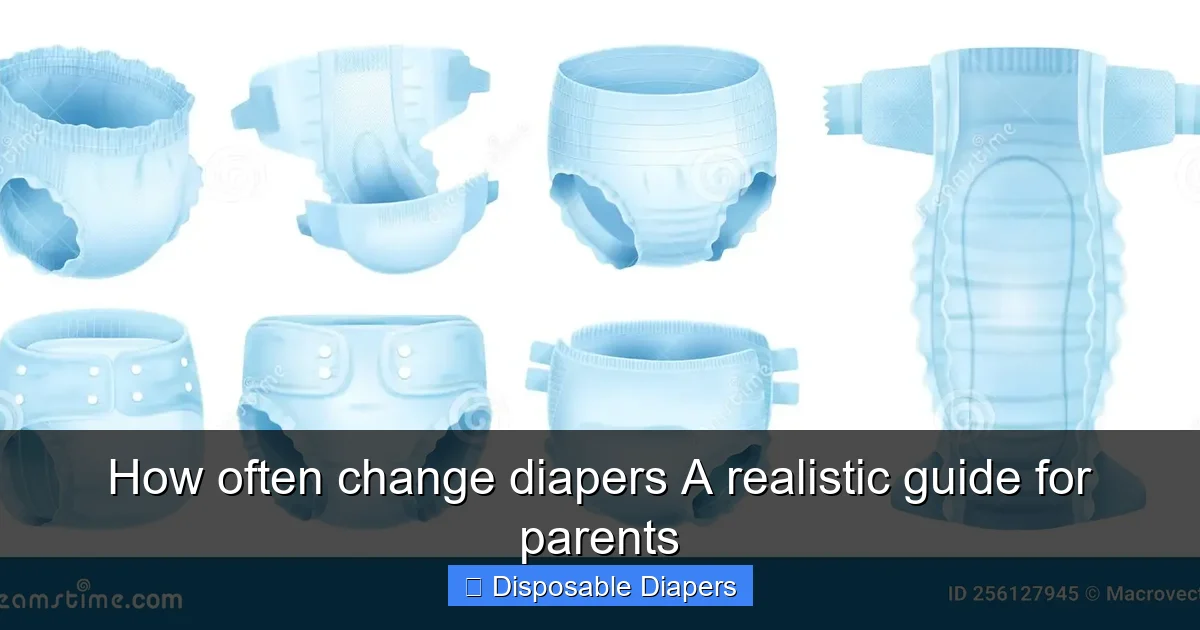
Visual guide about How often change diapers A realistic guide for parents
Image source: thumbs.dreamstime.com
Age: the biggest factor
Age is the main thing that shapes how often change diapers. In the first months, babies pee and poop very often. As they grow, their bladder gets bigger, and their bowel habits change.
- Newborns (0–4 weeks): Very frequent pee and poop. Expect 8–12 diaper changes a day, sometimes more.
- Young infants (1–3 months): Still many wet diapers, but poop may slow down a bit. Around 7–10 changes a day.
- Older infants (3–12 months): Pee is still regular, but more predictable. About 5–8 changes a day.
- Toddlers (12–24+ months): Fewer changes, more routine. Often 4–6 changes a day, plus any extra for poop.
Feeding: breastfed vs. formula-fed
How your baby eats also affects how often change diapers.
- Breastfed babies: In the early weeks, they may poop after almost every feed. Stools are usually soft or runny. This can mean many diaper changes, especially in the first month.
- Formula-fed babies: Often poop less often but may have larger stools when they do. Pee patterns are usually steady.
- Mixed-fed babies: Can follow either pattern, or something in between.
No matter how you feed your baby, a dirty diaper should be changed right away. But understanding feeding patterns helps you guess how often change diapers during the day.
Disposable diaper type and size
Disposable diapers are designed to hold a lot of liquid. A good disposable diaper pulls moisture away from your baby’s skin and keeps it in an absorbent core.
Two details matter:
- Absorbency: Some brands and styles hold more liquid. Daytime diapers may be thinner. Night diapers are often thicker and more absorbent.
- Size and fit: A diaper that is too small will leak sooner and feel tight. A diaper that is too big may gap and leak even if it is not very full.
When you use a well-fitting, absorbent disposable diaper, you can usually follow the general guidelines for how often change diapers without worrying about leaks every hour.
Your baby’s skin sensitivity
Some babies have very sensitive skin. They may get red or rashy quickly if a diaper stays wet for too long. Other babies can handle a bit more time between changes.
If your baby often gets redness or rashes, you may need to:
- Change wet diapers more often
- Use extra barrier cream
- Choose diapers made for sensitive skin
In that case, how often change diapers will be a bit more frequent than average, especially in the early months.
Step 2: Use age-based guidelines for how often change diapers
Now let’s break down how often change diapers by age. Remember, these are starting points. Your baby may need a little more or a little less.
Visual guide about How often change diapers A realistic guide for parents
Image source: thumbs.dreamstime.com
Newborns (0–4 weeks)
Newborns pee and poop a lot. Their stomachs are tiny, so they feed often, and what goes in must come out.
Typical pattern:
- At least 6–8 wet diapers a day, often more
- Poop 3–10 times a day, especially for breastfed babies
- Diaper changes every 2–3 hours in the day, and as needed at night
How often change diapers for newborns:
- Change after every poop, even if it is just a little
- Check for wetness every 2 hours in the day
- At night, change when they wake to feed, or if you smell or see poop
For newborns, it is better to change too often than not enough. Their skin is very delicate, and frequent changes help prevent diaper rash.
Young infants (1–3 months)
After the first month, your baby may still pee often, but poop may become more regular. Some breastfed babies may even skip a day or two without pooping, which can be normal if they are otherwise happy and feeding well.
Typical pattern:
- 6–8 wet diapers a day
- Poop from several times a day to once every few days (varies by baby)
- Diaper changes every 2–3 hours in the day
How often change diapers for 1–3 month olds:
- Keep changing after every poop
- Change wet diapers about every 3 hours during the day
- At night, change during feeds if the diaper is very wet or dirty
Some babies start to sleep longer stretches at night in this age range. If your baby sleeps 4–5 hours and the diaper is only wet, not dirty, many parents choose not to wake the baby just for a change. You can decide based on your baby’s skin and comfort.
Older infants (3–12 months)
As your baby grows, their bladder holds more urine. They may pee less often but in larger amounts. Once they start solid foods, their poop also changes in texture and smell.
Typical pattern:
- 5–7 wet diapers a day
- 1–3 poops a day, or sometimes less
- More predictable times for pooping, often after meals
How often change diapers for 3–12 month olds:
- Change every 3–4 hours in the day, or sooner if the diaper feels heavy
- Change immediately after poop to avoid rash and discomfort
- At night, many babies can stay in one diaper for a longer stretch if it is just wet and the diaper is very absorbent
With older infants, you can rely more on a routine. For example, you might change:
- After morning wake-up
- Mid-morning
- After lunch or midday feed
- Late afternoon
- Before bed
Then add extra changes for poop or very full diapers.
Toddlers (12–24+ months)
Toddlers are often more active. They may drink more water and eat more solid food. Some toddlers also start showing signs of potty readiness.
Typical pattern:
- 4–6 diaper changes a day
- 1–3 poops a day, often at fairly regular times
How often change diapers for toddlers:
- Change every 3–4 hours in the day
- Always change right after poop
- Use a fresh diaper before naps and bedtime
At this stage, you might also talk to your toddler about what is happening. You can say, “Your diaper is wet. Let’s change it.” This helps them learn body awareness and can support later potty training.
Step 3: Learn the clear signs it’s time to change
Even with a schedule, you still need to check your baby’s diaper often. Knowing the signs helps you decide how often change diapers in real life, not just on paper.
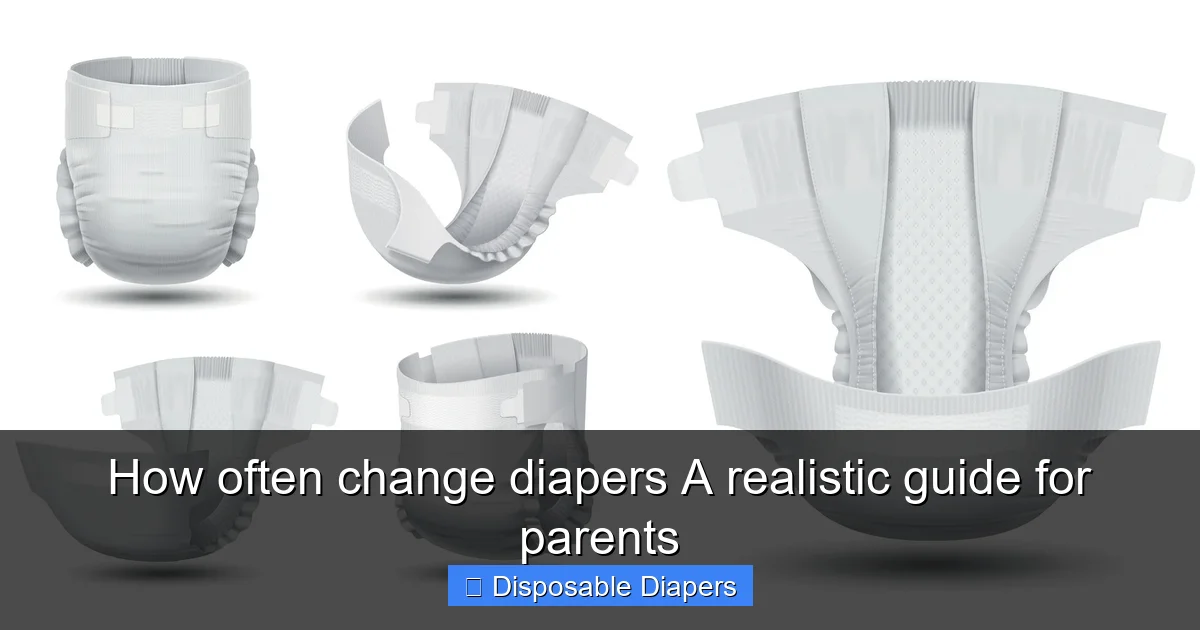
Visual guide about How often change diapers A realistic guide for parents
Image source: static.vecteezy.com
Visual signs
- Color change strip: Many disposable diapers have a yellow line that turns blue or green when wet.
- Bulging diaper: If the diaper looks puffy or saggy, it is probably wet and full.
- Leakage: Wet spots on clothes or bedding mean the diaper is full or not fitting well.
- Obvious poop: Any visible poop, even a small smear, calls for a change.
Touch signs
- Heaviness: Gently press or lift the diaper. If it feels heavy, it is likely quite wet.
- Dampness at the edges: Check around the leg openings and waistband. If they feel damp, it is time to change.
Smell signs
- Poop smell: Even if you do not see it yet, a strong smell usually means poop.
- Strong urine smell: A sharp ammonia-like smell can mean the diaper has been wet for a while.
Baby behavior signs
- Fussing or crying: Some babies cry when they feel wet or dirty.
- Pulling at the diaper: Older babies and toddlers may tug at the front or sides.
- Sudden restlessness: A baby who was playing calmly but now seems uncomfortable may need a change.
Use these signs together with age-based guidelines to decide how often change diapers throughout the day.
Step 4: Build a simple daily diaper-change routine
A routine makes diaper changes feel less random and more manageable. It also helps you remember to check diapers often enough.
Sample routine for a newborn
Here is an example of how often change diapers in a typical newborn day:
- Change after early-morning feed
- Change mid-morning (or after a poop)
- Change around lunchtime feed
- Change mid-afternoon
- Change early evening
- Change before bed
- Change during each night feed, especially if there is poop
You might end up changing even more often, but this gives you a base rhythm.
Sample routine for an older infant
For a 6–12 month old, how often change diapers might look like this:
- Change after morning wake-up
- Change mid-morning (after a bottle or snack)
- Change after lunch
- Change mid-afternoon
- Change before bed
- Optional: one change overnight if needed
Always add extra changes for poop or very full diapers. The idea is to check often and not let a wet diaper sit all day.
Sample routine for a toddler
For toddlers, you can pair diaper checks with daily activities:
- After morning wake-up
- Before going out or starting an activity
- After lunch
- After nap
- Before or after dinner
- Before bed
This structure helps you remember how often change diapers without staring at the clock.
Step 5: Handling night-time diaper changes
Nights can be tricky. You want your baby to sleep, but you also want to protect their skin and avoid leaks. How often change diapers at night depends on age, skin, and sleep patterns.
Newborn nights
Newborns wake often to feed. At this stage:
- Change the diaper at almost every night feed
- Always change if there is poop
- Use a barrier cream at bedtime to protect skin
Newborns usually go back to sleep fairly easily, even after a change.
Older baby nights (3–12 months)
Once your baby starts sleeping longer:
- Use a high-absorbency disposable diaper for night
- Change right before bed, even if the diaper is not very wet
- If your baby sleeps 6–8 hours and the diaper is only wet, you can often skip a change
- Always change if there is poop, or if the diaper has leaked
If your baby has sensitive skin or frequent rashes, you may still choose to change once at night, even for pee only. In that case, keep lights low and talk softly to help them go back to sleep.
Toddler nights
Toddlers in diapers can often go the whole night in one diaper, if it is absorbent and fits well.
- Change right before bedtime
- Use a night-time or extra-absorbent disposable diaper
- Change during the night only for poop, leaks, or clear discomfort
For older toddlers, you can start talking about staying dry at night as a gentle lead-in to potty training, while still using diapers for sleep until they are ready.
Step 6: Prevent diaper rash with smart changing habits
One of the main reasons to think about how often change diapers is to prevent diaper rash. Rash happens when skin is in contact with moisture, urine, or poop for too long.
Core rash-prevention habits
- Change promptly after poop: This is the most important rule.
- Avoid very long stretches in a wet diaper: Try not to go more than 3–4 hours in the day.
- Gently clean: Use soft wipes or a damp cloth, and pat dry instead of rubbing hard.
- Let skin air-dry: If you can, leave the diaper off for a few minutes between changes.
- Use barrier cream: Apply a thin layer of cream or ointment, especially at night or if the skin looks a bit red.
When to change more often
You may need to adjust how often change diapers if:
- Your baby has diarrhea or very frequent, loose stools
- You notice redness in the diaper area
- Your baby is on antibiotics, which can change poop patterns
In these cases, change as soon as you notice wetness or poop, and use plenty of barrier cream to protect the skin.
Step 7: Make disposable diapers work for you
Disposable diapers are designed to keep your baby dry and make changes easier. Using them well can reduce how often change diapers without risking leaks or rashes.
Choose the right size
Size affects both comfort and absorbency.
- Too small: Tight, red marks on the skin, frequent leaks at legs or waist, diaper looks very stuffed.
- Too big: Gaps at legs, sagging, leaks even when not very full.
Most diaper packages list weight ranges. If you are in between sizes and leaks are common, try the larger size.
Use day vs. night diapers
For daytime, a regular disposable diaper is usually enough, with changes every 3 hours or so. For night, consider:
- Night-specific diapers with higher absorbency
- One size up at night if your baby pees a lot
- Extra barrier cream before bed
This setup lets you reduce how often change diapers at night without leaving your baby in a soaked diaper.
Watch for wetness indicators
Many disposable diapers have a wetness line. Use it to:
- Check quickly without fully opening the diaper
- Decide if you can wait a bit or should change now
- Track how often change diapers over a day
If the line is bright and the diaper feels heavy, it is time to change.
Troubleshooting common diaper-change problems
Even with a good plan for how often change diapers, things happen. Here is how to handle some common issues.
Problem: Constant leaks
Possible causes:
- Diaper too small or too big
- Waiting too long between changes for your baby’s pee pattern
- Diaper not fastened snugly around legs and waist
- Baby sleeping on their side or tummy with a very full diaper
What to try:
- Check the size and move up if you see red marks or a tight fit
- Make changes a bit more often, especially before naps and bedtime
- Pull the diaper snug and smooth the leg cuffs outward, not tucked in
- Use a more absorbent disposable diaper for night
Problem: Frequent diaper rash
Possible causes:
- Diaper staying wet or dirty too long
- Very sensitive skin
- New wipes, soap, or detergent causing irritation
- Antibiotics or new foods changing poop
What to try:
- Increase how often change diapers, especially after poop
- Use fragrance-free wipes or plain water and cotton pads
- Apply a thicker layer of barrier cream at each change
- Give diaper-free time on a towel when possible
If rash is severe, has blisters, or does not improve in a few days, talk to your pediatrician.
Problem: Baby fights diaper changes
Possible causes:
- Cold wipes or cold room
- Discomfort from rash or irritation
- Older baby or toddler wants to keep playing
What to try:
- Warm the wipes in your hands for a moment
- Keep the room comfortably warm
- Offer a special toy only for diaper time
- For toddlers, change standing up when it is just a wet diaper
Even if your baby protests, stick with a healthy routine for how often change diapers. Comfort and skin health come first.
How often change diapers on busy or special days
Some days are not “normal” days. Travel, outings, or illness can change how often you are able to change diapers.
On the go or traveling
When you are out of the house, it can be harder to change as often as you do at home.
- Pack more diapers than you think you will need
- Plan to change at least every 3–4 hours, plus after every poop
- Use a portable changing pad and a small wet bag for dirty diapers
- Choose high-absorbency disposable diapers for long car rides or flights
Even when it is harder, try not to stretch how often change diapers too far. A quick change in a restroom, car, or quiet corner can prevent leaks and rashes.
When your baby is sick
Illness can change pee and poop patterns.
- With diarrhea: Change as soon as you notice poop, even if it means many changes in one day.
- With fever: Check diapers more often, because dehydration can reduce pee.
- With vomiting or low appetite: Fewer wet diapers can be a warning sign; call your doctor if you see a big drop.
When your baby is sick, be extra gentle with wipes and use plenty of barrier cream. How often change diapers will usually increase when there is diarrhea, and that is normal.
Putting it all together: A realistic approach
Thinking about how often change diapers can feel overwhelming at first, but it gets easier with practice. You will start to notice your baby’s own pattern, and you will adjust without even thinking about it.
To sum up:
- Use age-based guidelines as a starting point
- Always change right away after poop
- Check for wetness every 2–3 hours in the day
- Use more absorbent disposable diapers for night and travel
- Adjust how often change diapers if your baby has sensitive skin or frequent rashes
- Watch your baby’s cues and trust your growing experience
There is no perfect schedule that fits every family. Some days you will change more often, some days a bit less. As long as your baby’s skin is healthy, they seem comfortable, and you are changing regularly, you are doing a good job.
Conclusion
Learning how often change diapers is part of getting to know your baby. At first, you may feel like you are changing nonstop, especially with a newborn. Over time, you will find a rhythm that works for your baby’s age, your routine, and your chosen disposable diapers.
Remember these basics: change after every poop, check often for wetness, use a good barrier cream, and choose the right diaper size and absorbency. Use general rules as a guide, then adjust based on your baby’s skin, comfort, and daily life. With a little practice, diaper changes will become just another simple part of your day, not a constant mystery.
🎥 Related Video: Diaper changing hacks for new parents
📺 Taking Cara Babies
Here are more diaper changing tips: ➡️ Use a disposable pad for a quick clean up. ➡️ No diaper warmer? Hold the …
