
Disposable diapers are convenient, single-use baby diapers designed to keep your little one dry, clean, and comfortable. This guide explains what disposable diapers are, their main benefits, the different types available, and how to choose and use them step by step. You will also learn practical tips, troubleshooting solutions, and answers to common questions so you can diaper your baby with confidence.
Key Takeaways
- Point 1: Disposable diapers are single-use diapers made from absorbent materials that keep babies dry and comfortable.
- Point 2: They offer major benefits such as convenience, strong leak protection, and quick changes at home or on the go.
- Point 3: There are many types of disposable diapers, including newborn, overnight, eco-friendly, and swim diapers.
- Point 4: Choosing the right size and fit is essential to prevent leaks, blowouts, and skin irritation.
- Point 5: Proper diapering technique and a calm routine help keep your baby’s skin healthy and your changing area clean.
- Point 6: Common problems like rashes and leaks are usually easy to fix with better fit, more frequent changes, or gentler products.
- Point 7: Understanding what disposable diapers are and how they work helps you make informed, confident choices for your baby.
Introduction: What Are Disposable Diapers and Why They Matter
Disposable diapers are one of the most used baby products in the world. If you are a new parent, caregiver, or simply curious, you may wonder: What are disposable diapers exactly, and how do they work? This guide will walk you through everything you need to know in clear, simple language.
We will explain what disposable diapers are, what they are made of, and why so many families choose them. You will learn about the different types of disposable diapers, how to pick the right one, and how to use them step by step. We will also cover common problems, like leaks and rashes, and how to fix them. By the end, you will feel confident about using disposable diapers every day.
Understanding What Disposable Diapers Are
Before you choose or use them, it helps to understand what disposable diapers are and how they work. This makes it easier to pick the right kind and avoid common mistakes.
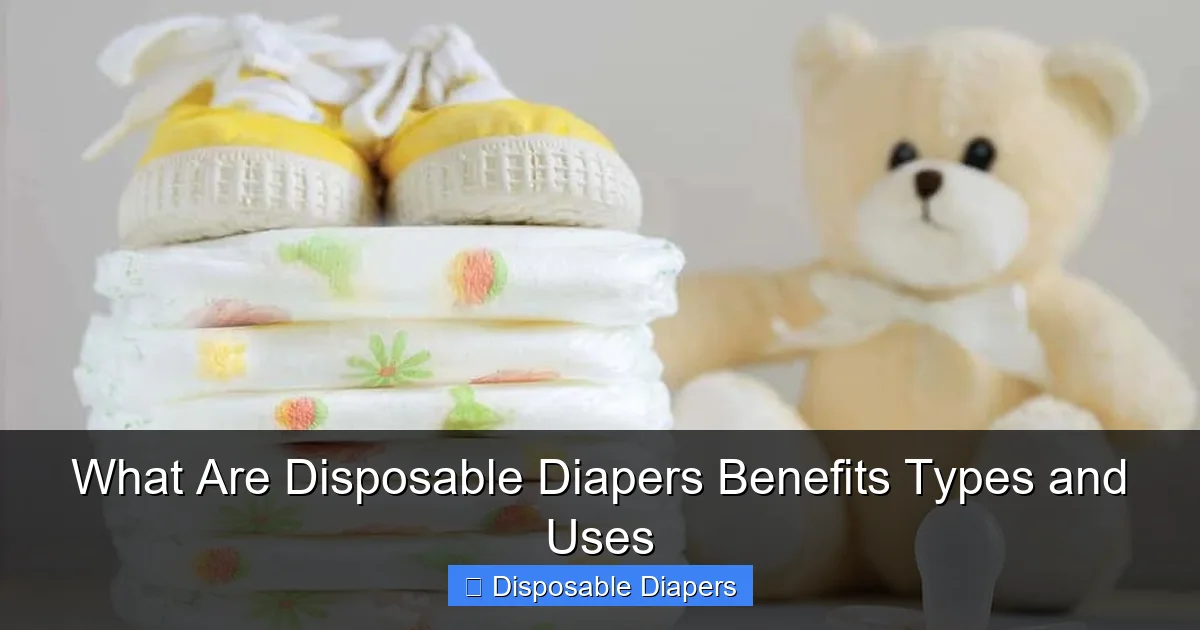
Visual guide about What Are Disposable Diapers Benefits Types and Uses
Image source: babylove.co.th
What Are Disposable Diapers?
Disposable diapers are single-use baby diapers that you throw away after they get wet or soiled. They are designed to absorb urine, contain stool, and keep your baby’s skin as dry as possible. Unlike cloth diapers, disposable diapers do not need to be washed. You simply remove the used diaper, wrap it up, and discard it.
Most disposable diapers have three main parts:
- Top sheet (inner layer): The soft layer that touches your baby’s skin. It is usually made from gentle, non-woven fabric that pulls moisture away from the skin.
- Absorbent core: The middle layer that soaks up and holds urine. It often contains fluff pulp and a super-absorbent polymer that turns liquid into gel.
- Back sheet (outer layer): The waterproof outer cover that keeps moisture inside the diaper and off your baby’s clothes.
Most disposable diapers also include stretchy side panels, leg cuffs, and adhesive tabs to keep the diaper snug and prevent leaks.
How Do Disposable Diapers Work?
When your baby pees, the liquid passes through the top sheet into the absorbent core. The core contains materials that pull in the liquid and trap it. This helps keep the top layer drier against your baby’s skin. The waterproof outer layer stops the wetness from soaking through to clothing or bedding.
Modern disposable diapers are designed to be thin but very absorbent. Many also have features like wetness indicators, stretchy waistbands, and special liners to handle runny newborn poop.
Why Many Parents Choose Disposable Diapers
Many families choose disposable diapers because they are easy to use and save time. You do not need to wash them, and they are simple to change quickly. They are also widely available in supermarkets, pharmacies, and online. For busy parents, disposable diapers can make daily life much easier.
Main Benefits of Disposable Diapers
To understand what disposable diapers are in a practical way, it helps to look at their main benefits. These benefits explain why they are so popular around the world.
Visual guide about What Are Disposable Diapers Benefits Types and Uses
Image source: babylove.co.th
1. Convenience and Time-Saving
Disposable diapers are very convenient. You open a fresh diaper, put it on, and throw it away when it is dirty. There is no washing, drying, or folding. This saves a lot of time, especially in the newborn months when babies may need 8–12 diaper changes a day.
They are also useful when you are out of the house. You can carry a few disposable diapers in a diaper bag, change your baby quickly, and then throw the used diaper in a trash bin. This makes travel and errands much easier.
2. Strong Absorption and Leak Protection
Modern disposable diapers are designed to absorb a lot of liquid. The absorbent core can hold multiple pees, especially in overnight diapers. This helps keep your baby dry and reduces the number of nighttime changes.
Leak guards around the legs and back help keep messes inside the diaper. When you choose the right size and fit, disposable diapers offer very good protection from leaks and blowouts.
3. Comfort for Baby
Disposable diapers are usually soft, light, and flexible. They are made to move with your baby as they kick, roll, crawl, and walk. Many have stretchy waistbands and sides for a snug but gentle fit.
Because they pull moisture away from the skin, they can help reduce the time your baby’s skin stays wet. This may lower the risk of diaper rash when combined with regular changes and good hygiene.
4. Easy to Use for New Caregivers
If grandparents, babysitters, or daycare workers help with your baby, disposable diapers are easy for them to use. There is no special folding or pinning. The diaper has clear front and back sides and sticky tabs for closing.
This makes it simple for anyone to help with diaper changes, even if they have little experience.
5. Wide Range of Options
Because disposable diapers are so common, you can find many options to match your needs and budget. There are basic diapers, premium diapers, eco-friendly diapers, and more. You can choose based on price, softness, materials, or special features.
Types of Disposable Diapers
Now that you know what disposable diapers are and why they are useful, let’s look at the main types. Understanding the different types of disposable diapers helps you choose the best ones for your baby and your lifestyle.
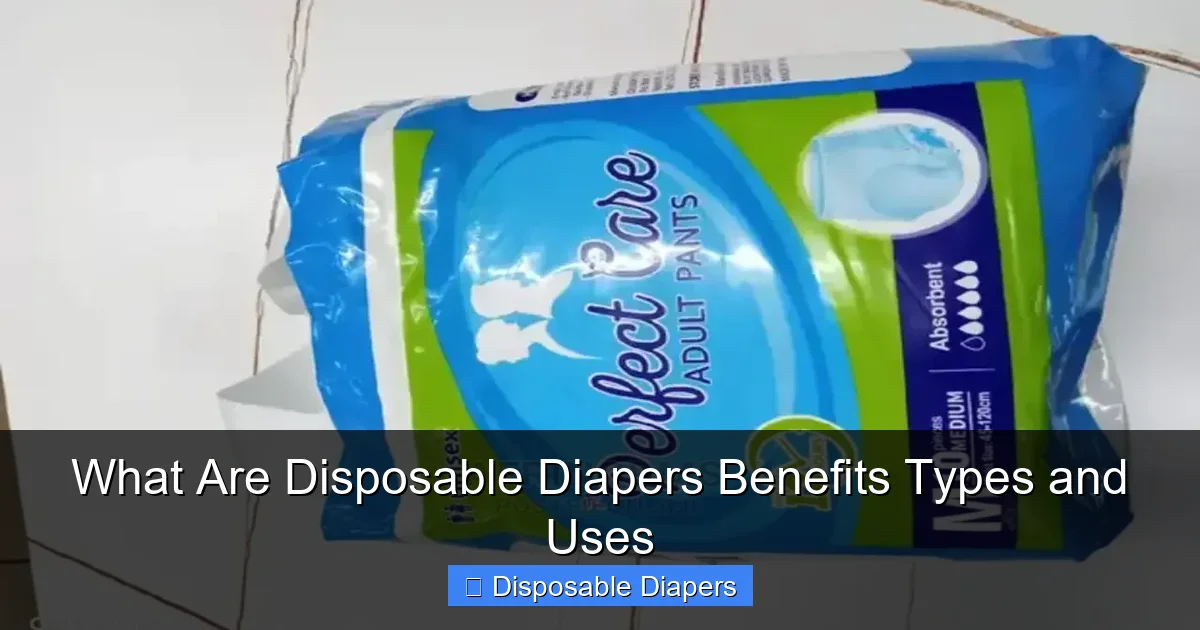
Visual guide about What Are Disposable Diapers Benefits Types and Uses
Image source: flavorfulexplorer.com
1. Newborn and Size-Based Diapers
Most disposable diapers are sold by size. The sizes are based on your baby’s weight, not age. Common sizes include:
- Newborn (NB): For very small babies, often up to about 4–5 kg (8–10 lb). Many have a cut-out for the umbilical cord stump.
- Size 1–2: For young babies as they grow and gain weight.
- Size 3–6 (and beyond): For older babies and toddlers as they become more active.
Newborn disposable diapers are usually softer and designed to handle very frequent, often runny stools. As sizes increase, diapers may become more focused on movement and active play.
2. Overnight Disposable Diapers
Overnight disposable diapers are made to last longer, usually through the night. They have extra absorbent cores to handle more urine and keep your baby dry for many hours. This can help reduce night wakings due to wetness.
If your baby often leaks at night or wakes up soaked, switching to an overnight disposable diaper in the correct size can make a big difference.
3. Eco-Friendly or “Green” Disposable Diapers
Some families want the convenience of disposable diapers but also care about environmental impact. Eco-friendly disposable diapers aim to use more plant-based materials and fewer chemicals.
Features may include:
- Chlorine-free processing
- Fragrance-free and lotion-free topsheets
- More biodegradable or compostable components (where facilities exist)
- Use of bamboo, wood pulp from sustainable forests, or other plant fibers
Eco-friendly disposable diapers may cost more, but they can be a good choice if you are concerned about ingredients and sustainability.
4. Sensitive Skin or Hypoallergenic Diapers
If your baby has very sensitive skin, you may want disposable diapers designed for that. These diapers usually avoid common irritants like perfumes, dyes, and some lotions. They often highlight that they are “hypoallergenic” or “for sensitive skin.”
While every baby is different, some parents find these diapers help reduce redness and irritation.
5. Training Pants and Pull-Ups
As your child gets older and starts potty training, you may move from regular disposable diapers to training pants. These are also disposable, but they look and feel a bit more like underwear. They usually pull up and down easily, so your child can practice using the toilet.
Training pants still have an absorbent core and leak protection, but they are a step between diapers and real underwear.
6. Swim Diapers
Swim diapers are special disposable diapers made for use in pools, lakes, or the ocean. They do not swell up in water the way regular disposable diapers do. Instead, they are designed to contain solid waste while your baby swims.
Swim diapers are not meant to absorb urine. Their main job is to keep poop out of the water for hygiene and safety.
How to Choose the Right Disposable Diapers
Choosing the right disposable diapers can feel confusing at first. There are many brands, sizes, and types. Here is a simple step-by-step method to help you decide.
Step 1: Know Your Baby’s Weight and Age
Start by checking your baby’s current weight. Look at the weight range on the diaper package. For example, a pack might say “Size 2: 4–8 kg (9–18 lb).” Choose the size that matches your baby’s weight, not just their age.
If your baby is between sizes, you may need to try both. Some babies fit better in the smaller size; others need the larger one for comfort and fewer leaks.
Step 2: Consider Your Baby’s Skin Needs
If your baby has very sensitive skin, frequent rashes, or allergies, look for disposable diapers that are:
- Fragrance-free
- Dye-free around the inner layer
- Lotion-free if lotions seem to irritate your baby
- Labeled hypoallergenic or for sensitive skin
What disposable diapers are made of can matter for some babies. You may need to test a few brands to see which one works best for your child’s skin.
Step 3: Think About When You Will Use Them
Ask yourself when and where you will use disposable diapers the most:
- All day and night: You may want a good everyday diaper plus special overnight diapers.
- Mainly for outings and travel: You might choose a mid-range, reliable brand that is easy to find everywhere.
- Swimming or beach days: You will need swim diapers in the right size.
Your routine will guide which types of disposable diapers you need to keep on hand.
Step 4: Balance Cost and Quality
Disposable diapers come in many price levels. Store brands are often cheaper. Premium brands may be softer, thinner, or more absorbent.
To balance cost and quality:
- Start with small packs from a few brands.
- See which diapers fit best and cause the fewest leaks or rashes.
- Once you find a favorite, look for bulk boxes or subscription deals to save money.
Remember that the “best” disposable diapers are the ones that work well for your baby and your budget.
Step 5: Check for Useful Features
Many disposable diapers have extra features that can make life easier:
- Wetness indicator: A line that changes color when the diaper is wet.
- Umbilical cord notch: A dip in the front for newborns so the diaper does not rub on the healing stump.
- Stretchy sides and waistband: For a better, more flexible fit.
- Extra leak guards: Around the legs and back to reduce blowouts.
Decide which features matter most to you and choose diapers that include them.
How to Use Disposable Diapers Step by Step
Once you choose your diapers, you need to know how to use them correctly. Good diapering technique keeps your baby comfortable and reduces leaks and rashes.
Step 1: Gather Your Supplies
Before you start, make sure you have everything you need within reach:
- Clean disposable diaper in the right size
- Baby wipes or a soft cloth with warm water
- Diaper cream or ointment (if needed)
- Changing pad or clean towel
- Plastic bag or diaper pail for the used diaper
Having supplies ready keeps your baby safe and prevents accidents while you search for items.
Step 2: Lay Your Baby Down Safely
Place your baby on their back on a safe, flat surface. This could be a changing table with a safety strap, a bed, or the floor with a changing pad. Always keep one hand on your baby if they are on a raised surface.
Step 3: Remove the Used Diaper
Open the diaper tabs on each side. Gently lift your baby’s ankles with one hand and pull down the front of the diaper with the other. If there is poop, you can use the front part of the diaper to wipe some of it away before folding it under your baby.
Fold the dirty diaper inward under your baby’s bottom, clean side up. This gives you a temporary barrier between your baby and the changing surface.
Step 4: Clean Your Baby’s Skin
Use wipes or a damp cloth to clean your baby’s diaper area. For girls, always wipe from front to back to avoid spreading bacteria. For boys, clean around the penis and scrotum gently.
Be sure to clean all the folds and creases where moisture and poop can hide. Allow the skin to air dry for a few seconds, or gently pat it dry with a clean cloth.
Step 5: Apply Diaper Cream If Needed
If your baby has any redness or rash, or if you want to prevent it, apply a thin layer of diaper cream or ointment. This creates a barrier between the skin and moisture inside the diaper.
Do not use too much cream. A light layer is usually enough.
Step 6: Place the Clean Disposable Diaper
Open a fresh disposable diaper and lay it flat. Slide the back of the diaper under your baby’s bottom while gently lifting their legs. The back side is usually the side with the tabs.
Pull the front of the diaper up between your baby’s legs and onto their belly. The top front of the diaper should sit just under the belly button, unless there is a special umbilical notch.
Step 7: Fasten the Tabs Securely
Pull one side tab across the front of the diaper and stick it down. Then do the same on the other side. The diaper should be snug but not too tight. You should be able to slide one or two fingers between the diaper and your baby’s waist.
Check the leg cuffs around the thighs. Gently run your finger around the edges to pull out any tucked-in ruffles. This helps prevent leaks.
Step 8: Dispose of the Used Diaper
Roll up the used diaper, securing it with its own tabs to keep everything contained. Place it in a diaper pail or a plastic bag and then into the trash. If there is solid waste, you can shake it into the toilet before discarding the diaper, if you wish.
Wash your hands well with soap and water after every diaper change.
Practical Tips for Using Disposable Diapers
Knowing what disposable diapers are is only part of the story. These simple tips will help you use them more effectively every day.
Change Diapers Often
Even though disposable diapers are very absorbent, you should still change them regularly. For newborns, this might be every 2–3 hours or after every poop. Older babies may need changes every 3–4 hours.
Frequent changes help keep the skin dry and reduce the risk of rashes.
Check the Fit Regularly
Babies grow quickly. A diaper that fit last week may be too small now. Signs that you need a bigger size include:
- Red marks around the waist or thighs
- Frequent leaks or blowouts up the back
- The tabs barely reach the front of the diaper
Move up a size when needed to keep your baby comfortable and dry.
Use Overnight Diapers for Sleep
If your baby sleeps for longer stretches at night, consider using a special overnight disposable diaper. These are designed to hold more liquid and can help keep your baby dry until morning.
If you do not have overnight diapers, you can sometimes size up one size at night for extra coverage, as long as the fit is still safe and snug.
Pack a Diaper Bag Smartly
When you go out, always carry:
- More disposable diapers than you think you will need
- Wipes
- A small changing pad
- Plastic bags for used diapers
- Extra baby clothes in case of leaks
This simple packing routine makes diaper changes on the go much easier.
Watch for Signs of Irritation
Even with the best disposable diapers, some babies will get rashes or irritation at times. Check your baby’s skin at every change. If you see redness, bumps, or broken skin, treat it early with diaper cream and more frequent changes.
Troubleshooting Common Disposable Diaper Problems
Even when you know what disposable diapers are and how to use them, problems can still happen. Here is how to fix the most common issues.
Problem 1: Leaks Around the Legs or Back
Possible causes:
- Diaper is too big or too small
- Tabs are not tight enough
- Leg cuffs are tucked inside
Solutions:
- Check the size and move up or down if needed.
- Make sure the diaper sits at the waist and the tabs are snug.
- Run your fingers around the leg openings to pull out the ruffles.
Problem 2: Blowouts Up the Back
Possible causes:
- Diaper too small for your baby’s weight
- Back waistband not high enough on the back
Solutions:
- Try the next diaper size up.
- Make sure the back of the diaper is pulled up high enough before fastening.
- For very runny poop, consider brands with stronger back elastic.
Problem 3: Diaper Rash
Possible causes:
- Skin stays wet too long between changes
- Reaction to wipes, creams, or diaper materials
- Friction from a too-tight diaper
Solutions:
- Change diapers more often, especially after poop.
- Let the skin air dry for a few minutes at each change.
- Use a barrier cream with zinc oxide.
- Try fragrance-free, sensitive-skin disposable diapers and wipes.
- Talk to your pediatrician if rash is severe or does not improve.
Problem 4: Strong Odor
Possible causes:
- Soiled diapers sitting too long in a warm room
- Diaper pail not emptied often enough
Solutions:
- Empty the diaper pail daily or every other day.
- Use a pail with a lid or a sealed bag system.
- Rinse solid waste into the toilet before discarding if odor is a big concern.
Problem 5: Red Marks from the Diaper
Possible causes:
- Diaper is too tight or too small
- Tabs pulled too far
Solutions:
- Loosen the tabs slightly while keeping the diaper secure.
- Try the next size up in disposable diapers.
- Check that clothing is not too tight over the diaper.
Safety and Hygiene Tips for Disposable Diapers
Good safety and hygiene habits make disposable diaper use healthier for your baby and cleaner for your home.
Always Supervise on a Changing Table
If you use a raised changing table, always keep one hand on your baby. Babies can roll suddenly, even very young ones. Use the safety strap if your table has one, but do not rely on it alone.
Wash Your Hands Often
After every diaper change, wash your hands with soap and water. If you are away from home, use hand sanitizer until you can wash properly. This helps prevent the spread of germs.
Store Diapers in a Dry Place
Keep your disposable diapers in a cool, dry area away from direct sunlight. Moisture or heat can damage the absorbent materials over time.
Dispose of Diapers Properly
Wrap used diapers tightly and place them in a covered trash bin or diaper pail. Do not flush disposable diapers down the toilet. They can clog plumbing and damage sewage systems.
Conclusion: Confidently Using Disposable Diapers
Now you understand what disposable diapers are, how they work, and why they are such a popular choice for families. They are single-use, absorbent diapers designed to keep your baby dry, comfortable, and clean with minimal effort from you. With many types available—newborn, overnight, eco-friendly, sensitive-skin, training pants, and swim diapers—you can always find an option that fits your baby’s stage and your lifestyle.
By choosing the right size, paying attention to your baby’s skin, and following simple step-by-step diapering techniques, you can reduce leaks, prevent rashes, and keep diaper changes calm and quick. When problems do happen, small adjustments in fit, products, or routine usually solve them. With this knowledge, you can use disposable diapers with confidence and focus more on enjoying time with your baby.
🎥 Related Video: Cloth or Disposable Diapers? Here’s What You Need to Know!
📺 Mama Natural
Cloth vs. disposable diapers — which is best for baby, budget, and the planet? Here’s a quick breakdown to help you decide!
