
Disposable diapers changed parenting forever, but few people know who actually invented them or how they evolved. This guide walks you through the full history of disposable diapers, from the first simple paper designs to today’s ultra-absorbent products. You’ll learn about the key inventors, major brands, and how each innovation shaped the diapers we use now.
Key Takeaways
- Point 1: Disposable diapers did not come from a single inventor, but from several key people and companies over many decades.
- Point 2: Early disposable diapers in the 1940s and 1950s were simple paper pads with plastic covers and were often leaky and uncomfortable.
- Point 3: Marion Donovan and Valerie Hunter Gordon were two early pioneers who helped move parents away from cloth and safety pins.
- Point 4: Major brands like Pampers, Huggies, and others refined disposable diapers with elastic legs, tapes, and super-absorbent gels.
- Point 5: Modern disposable diapers are the result of continuous improvements in materials, fit, and absorbency over more than 70 years.
- Point 6: Environmental concerns are now driving new innovations like thinner cores, plant-based materials, and recycling experiments.
- Point 7: Knowing who invented disposable diapers helps parents understand why today’s designs look and work the way they do.
Introduction: Why the History of Disposable Diapers Matters
When you open a pack of disposable diapers today, you see something simple and familiar. Soft, light, easy to use. But behind that everyday product lies a long story of trial, error, and clever ideas. Parents struggled for centuries with cloth, pins, and leaks before disposable diapers became a real option.
If you have ever wondered who invented disposable diapers, the answer is more complex than one name or one date. Many people contributed. Different inventors, brands, and engineers each added a piece to the puzzle. This guide walks you step by step through that history. You will learn about the early paper diapers, the key inventors, the rise of big brands, and how we reached the modern disposable diaper.
By the end, you will not only know who invented disposable diapers, but also how each invention changed parenting, home life, and even the environment.
Step 1: Understand Life Before Disposable Diapers
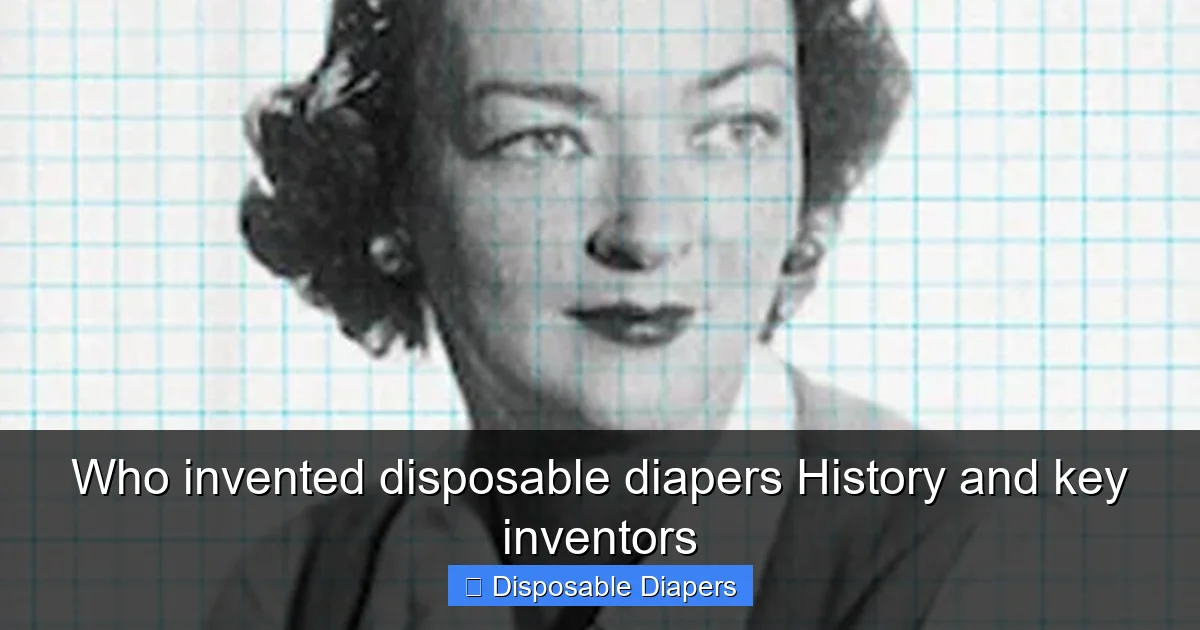
To understand who invented disposable diapers, you first need to see what came before. For most of history, there was only one real option: cloth.
Visual guide about Who invented disposable diapers History and key inventors
Image source: leadersaward.com
Cloth Diapers and Safety Pins
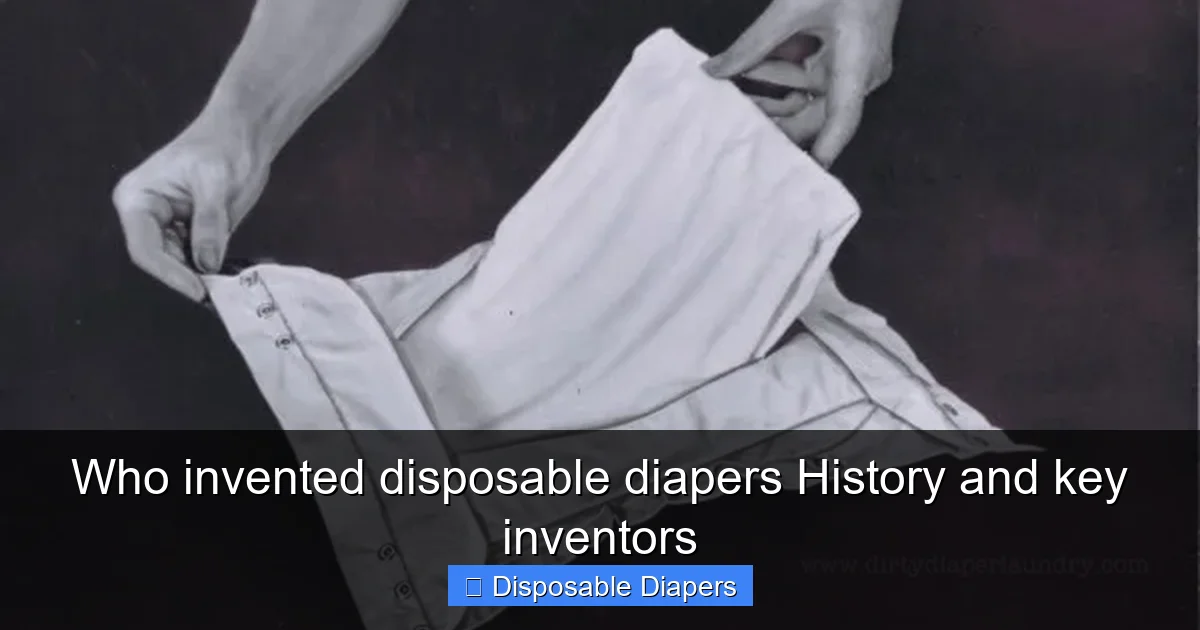
For generations, parents used squares or rectangles of cloth. These were usually made from cotton, linen, or flannel. They folded the cloth around the baby and fastened it with safety pins. A rubber or plastic cover sometimes went on top to reduce leaks.
This system had some benefits. Cloth was reusable. It could be washed and used again for years. But it also had many problems:
- Washing took a lot of time, water, and effort.
- Drying in cold or wet weather was hard.
- Leaks were common, especially at night or on trips.
- Safety pins could pop open and scratch the baby.
Parents dreamed of something easier. They wanted a diaper they could use once and then throw away. This dream is what led to the first attempts at something like a disposable diaper.
Early “Disposable” Ideas Before the Modern Diaper
Even before the modern disposable diaper, some parents tried creative one-time-use solutions. They sometimes used:
- Paper towels or tissue layered inside cloth.
- Moss, leaves, or other natural fibers in older times.
- Homemade paper pads wrapped in plastic or rubber pants.
These ideas were not true disposable diapers. But they showed the same wish: less washing, less work, and more convenience. That wish set the stage for the first people who can truly be called the inventors of disposable diapers.
Step 2: Meet the Early Pioneers of Disposable Diapers
When we ask who invented disposable diapers, two names come up again and again: Marion Donovan and Valerie Hunter Gordon. They were not the only inventors, but they were two of the most important early pioneers.
Visual guide about Who invented disposable diapers History and key inventors
Image source: leadersaward.com
Marion Donovan: The American Mother Who Hated Leaks
In the 1940s, an American mother named Marion Donovan was tired of changing wet sheets. Her baby’s cloth diapers leaked often, especially at night. She wanted something better. She started experimenting with a shower curtain and a sewing machine.
Her first big idea was not a full disposable diaper, but a waterproof cover for cloth. She cut a piece of shower curtain into the shape of a diaper cover. She added snaps instead of pins. This design kept the baby’s clothes and bedding dry.
In 1949, she patented this invention and called it the “Boater.” At first, big companies laughed at her idea. They thought parents would never stop using traditional cloth and rubber pants. But when her product reached stores, it sold very well.
Marion Donovan did not stop there. She also imagined a fully disposable diaper made from absorbent paper. She designed it and applied for a patent in the early 1950s. Again, companies were slow to accept her idea. They did not want to invest in something new. But her patent and her vision became part of the foundation for later disposable diapers.
Valerie Hunter Gordon: The British Inventor of “Paddi”
Around the same time, in the United Kingdom, another mother was working on the same problem. Valerie Hunter Gordon was a Scottish woman with a young family. After World War II, resources were limited, and washing cloth diapers was a heavy chore.
She invented a system called Paddi in the late 1940s. It had two parts:
- A washable outer cover made of fabric.
- A disposable inner pad made of cellulose wadding (a kind of soft paper fiber).
Parents could throw away the inner pad and reuse the cover. This was one of the first commercially successful disposable diaper systems. Paddi went on sale in the early 1950s in Britain and some other countries. It showed that disposable diapers were not just an idea. They could be a real product that parents would buy.
Because of this, many people credit Valerie Hunter Gordon as one of the key inventors of disposable diapers. She proved there was a market and a need.
Why There Is No Single “Inventor”
Both Marion Donovan and Valerie Hunter Gordon played huge roles. But they were not alone. Other smaller inventors and small companies were also experimenting with paper pads, plastic covers, and better fasteners.
So when we ask who invented disposable diapers, the fairest answer is this: disposable diapers came from many inventors over time. Some created the first waterproof covers. Some created inner pads. Others later added tapes, elastic, and super-absorbent gels. The modern diaper is a team effort across decades.
Step 3: See How Big Brands Turned the Idea into a Global Product
The early pioneers proved that disposable diapers could work. The next step was to make them affordable, reliable, and widely available. This is where large companies and brands enter the story.
Visual guide about Who invented disposable diapers History and key inventors
Image source: dirtydiaperlaundry.com
Pampers and the Role of Victor Mills
One of the most famous names connected with the history of disposable diapers is Victor Mills. He was a chemical engineer at Procter & Gamble (P&G). In the late 1950s, he worked on many consumer products. He was also a grandfather who did not enjoy changing cloth diapers.
In 1956, P&G started a project to explore disposable diapers. Victor Mills led a team that tested different designs. They worked on:
- Finding the right kind of absorbent paper pulp.
- Developing a plastic backing that did not tear easily.
- Designing a shape that fit babies better than simple squares.
In 1961, P&G launched the first Pampers diapers in parts of the United States. These early Pampers were bulky and used pins or separate fasteners. They were more expensive than cloth at first. But they saved parents time and effort. As production improved, prices dropped, and more families tried them.
Over time, Pampers added new features like tape fasteners, better shapes, and thinner cores. Victor Mills is often called “the father of Pampers,” and some people even say he invented disposable diapers. In truth, he helped transform earlier ideas into a mass-market product that changed parenting around the world.
Other Early Brands and Competitors
Pampers was not alone. As more parents learned about disposable diapers, other companies joined the race. In different countries, different brands tested new designs.
Some important players included:
- Chux: An early American disposable diaper brand sold in the 1940s and 1950s. It used tissue and gauze and was often used in hospitals.
- Johnson & Johnson: Sold disposable diaper products in some markets before and during the early Pampers years.
- Kimberly-Clark: Later launched Huggies, which became a major rival to Pampers.
These companies experimented with different materials, shapes, and marketing strategies. Some focused on hospital use. Others aimed at busy families with two working parents. Together, they pushed disposable diapers from a niche product to a normal part of baby care.
Step 4: Follow the Key Innovations That Shaped Modern Diapers
Once disposable diapers became popular, the next step was improvement. Companies wanted diapers that were thinner, drier, softer, and more comfortable. To understand who invented disposable diapers as we know them today, you need to look at these key innovations.
From Pins to Tapes and Hook-and-Loop Fasteners
Early disposable diapers often still used safety pins, just like cloth. This was not ideal. Pins were slow and could hurt the baby. In the 1960s and 1970s, companies began to add:
- Adhesive tapes on the sides, so parents could fasten the diaper quickly.
- Later, refastenable tapes that could be opened and closed more than once.
- In some designs, hook-and-loop style fasteners similar to Velcro.
These changes made disposable diapers simpler and safer. They also helped them fit more snugly, which reduced leaks.
Elastic Leg Cuffs and Better Fit
Another big step was the addition of elastic leg gathers and stretch waistbands. Before elastic, diapers often gapped at the legs, causing leaks and messes. With elastic, the diaper could hug the baby’s body more closely.
Different brands developed different shapes and stretch zones. They studied how babies move and sleep. They created:
- Contoured shapes instead of flat rectangles.
- Elastic at the back to hold in messes.
- Special cuts for newborns and larger toddlers.
These improvements were not the work of a single inventor. They came from many engineers, designers, and test labs over many years. But they were crucial in making disposable diapers truly practical.
Super-Absorbent Polymers: The Diaper Core Revolution
One of the most important changes in the history of disposable diapers was the switch from thick paper pulp to super-absorbent polymers (often called SAP). These are special gel-like materials that can absorb many times their own weight in liquid.
Before SAP, disposable diapers were thick and bulky. They used lots of fluff pulp to soak up urine. With SAP, companies could:
- Make diapers much thinner and lighter.
- Improve absorbency and keep babies drier for longer.
- Reduce the amount of raw material used in each diaper.
Different chemical companies and diaper makers worked together to bring SAP into diapers in the 1980s and 1990s. This change did not come from one person alone. It was a major industry-wide shift. But it is one of the reasons modern disposable diapers feel so light and slim compared to older versions.
Gender-Specific and Stage-Specific Designs
As technology improved, brands began to tailor diapers for different needs. They created:
- Newborn diapers with cut-outs for the umbilical cord.
- Training pants for toddlers starting potty training.
- In some markets, boy and girl diapers with absorbency zones placed differently.
These designs came from studies of how babies of different ages move, sleep, and wet their diapers. Again, there is no single inventor here. The story of who invented disposable diapers at this stage is the story of many research teams improving details step by step.
Step 5: Learn the Timeline of Disposable Diaper History
To put everything together, it helps to see a simple timeline. This will give you a clear picture of how disposable diapers evolved.
Key Dates and Milestones
- Pre-1900s: Cloth diapers and pins dominate baby care. No true disposable diapers exist.
- Early 1900s: Some parents and small makers experiment with paper liners and rubber pants.
- 1940s: Marion Donovan develops waterproof diaper covers and later patents a disposable paper diaper design.
- Late 1940s–early 1950s: Valerie Hunter Gordon creates the Paddi system with disposable pads and reusable covers.
- 1950s: Products like Chux and other early disposable diapers appear, often used in hospitals.
- 1961: Procter & Gamble launches Pampers, designed by a team led by Victor Mills.
- 1970s: Tapes, better plastics, and contoured shapes become common in disposable diapers.
- 1980s: Super-absorbent polymers enter the diaper core, making them thinner and more absorbent.
- 1990s–2000s: Stretchy sides, cloth-like covers, and softer inner layers become standard.
- 2000s–today: Focus on skin health, eco-friendlier materials, and more advanced fit and leak protection.
This timeline shows that who invented disposable diapers depends on which stage you look at. The first concept, the first commercial success, the first mass-market brand, and the modern high-tech diaper all have different key players.
Step 6: Understand the Impact of Disposable Diapers on Society
Knowing who invented disposable diapers is not just a fun fact. It also helps you see how this product changed daily life, work, and even the environment.
Changes in Parenting and Family Life
Disposable diapers saved parents hours of washing and drying each week. This had many effects:
- Parents could spend more time playing with their baby instead of doing laundry.
- Travel with babies became easier, since you could pack diapers and throw them away.
- Nighttime care improved, as modern diapers can last longer without leaks.
For families with two working parents, disposable diapers made childcare more practical. Caregivers in daycare centers found them more convenient and hygienic than cloth in many settings.
Health and Hygiene
Better absorbency and drier surfaces helped reduce diaper rash for many babies. Hospitals often used disposable diapers to keep conditions cleaner and reduce cross-contamination. At the same time, parents had to learn how to change diapers often enough and choose the right size to avoid skin problems.
Environmental Concerns
One of the biggest issues linked to disposable diapers is waste. Billions of diapers are thrown away each year. They contain plastic and other materials that can take a long time to break down in landfills.
Because of this, many people have asked whether the inventors of disposable diapers created more problems than they solved. In response, companies and researchers now work on:
- Thinner diapers that use fewer materials.
- Plant-based plastics and renewable fibers.
- Recycling and composting experiments in some regions.
The story of who invented disposable diapers is still being written. New inventors and engineers are trying to create diapers that are both convenient and kinder to the planet.
Step 7: Compare Disposable Diapers and Cloth Today
Knowing the history of disposable diapers also helps you make choices today. Many parents now consider both cloth and disposable options.
Modern Disposable Diapers
Today’s disposable diapers are far more advanced than the early versions. They usually include:
- A soft, nonwoven top sheet that touches the baby’s skin.
- A super-absorbent core with fluff pulp and SAP.
- A breathable but waterproof back sheet.
- Elastic legs, stretchy sides, and easy fasteners.
- Wetness indicators and size-specific designs.
These features come from decades of research and many inventors. When you ask who invented disposable diapers, you are really asking about the long chain of people who created all these layers and systems.
Cloth Diapers in the Modern Era
Cloth diapers have also changed. They are no longer just simple squares with pins. Many modern cloth systems use:
- Snaps or hook-and-loop closures.
- Waterproof covers made from breathable fabrics.
- Shaped inserts and liners for easier changes.
Some families choose cloth for environmental reasons or cost savings. Others use a mix: disposable diapers for nights and travel, cloth at home. The choice is personal. Understanding who invented disposable diapers and how they evolved can help you weigh the pros and cons with more knowledge.
Troubleshooting Common Myths About Who Invented Disposable Diapers
Because the story is long and complex, there are many myths about who invented disposable diapers. Let’s clear up some of the most common ones.
Myth 1: One Person Alone Invented Disposable Diapers
Many people want a simple answer, like “Victor Mills invented disposable diapers.” While he played a big role in creating Pampers, he built on earlier ideas from inventors like Marion Donovan and Valerie Hunter Gordon. The truth is that no single person can claim full credit.
Myth 2: Disposable Diapers Appeared Suddenly in the 1960s
Some think disposable diapers just appeared when big brands launched. In reality, there were earlier versions in the 1940s and 1950s. These early products were less advanced, but they were still disposable diaper systems. The 1960s were more about mass adoption than first invention.
Myth 3: Early Disposable Diapers Were Just Like Today’s
If you imagine that the first disposable diapers were thin, soft, and leak-proof, that is not correct. Early versions were bulky, stiff, and often leaky. It took decades of improvement to reach the performance of modern diapers.
Myth 4: Eco-Friendly Diapers Are a Brand-New Idea
While the term “eco-friendly” is modern, inventors have always worried about resources and waste. Valerie Hunter Gordon’s Paddi system, for example, combined reusable covers with disposable pads. Today’s efforts to use fewer materials and more natural fibers are a new chapter in a long history of trying to balance convenience and responsibility.
Conclusion: A Shared Invention That Keeps Evolving
When you first asked yourself who invented disposable diapers, you might have hoped for one name and one date. Instead, you now know that disposable diapers are the result of many minds, many trials, and many years of work.
Marion Donovan and Valerie Hunter Gordon helped move the world from cloth and pins toward disposable solutions. Victor Mills and his team at Procter & Gamble helped bring disposable diapers to millions of families through Pampers. Countless engineers, chemists, and designers then added tapes, elastic, super-absorbent gels, and softer materials.
The story is still not over. New inventors are working on greener materials, better comfort, and smarter designs. So, the answer to who invented disposable diapers is this: it was not one person, but a long line of people, each adding their own idea to make life a little easier for parents and a little more comfortable for babies.
🎥 Related Video: The Mother Who Invented a Precursor to the Disposable Diaper
📺 Booster
The Mother Who Invented a Precursor to the Disposable Diaper REVISION, Marion Donovan Like many famous inventors, Marion …
