Babywearing can positively impact your pelvic floor health. Proper babywearing techniques support both the mother and baby.
Babywearing involves carrying your baby close to you using a carrier or wrap. This practice offers numerous benefits for both the mother and the baby. For mothers, babywearing can help distribute the baby’s weight evenly, reducing strain on the back and pelvic floor.
It also promotes bonding, as the baby feels secure and comforted. Choosing the right baby carrier is crucial for ensuring proper support. Ergonomic carriers that distribute weight across your shoulders and hips can prevent undue pressure on the pelvic area.
Always consult with a healthcare professional to ensure babywearing is safe and beneficial for your specific situation.
Introduction To Babywearing
Babywearing is a wonderful way to bond with your baby. It involves carrying your baby close to your body using a carrier. This practice has been used for centuries. It provides comfort and security for your little one. Babywearing also helps in managing daily tasks while keeping your baby close.
Benefits Of Babywearing
- Enhanced Bonding: Keeping your baby close increases bonding time.
- Hands-Free: Babywearing allows you to use your hands for other tasks.
- Reduced Crying: Babies who are worn tend to cry less.
- Improved Sleep: Babies often sleep better when worn.
- Breastfeeding Support: Easier to breastfeed while wearing your baby.
Types Of Baby Carriers
| Type | Features |
|---|---|
| Wraps | Long pieces of fabric, versatile, snug fit. |
| Slings | One-shoulder carriers, easy to use, adjustable. |
| Structured Carriers | Padded straps, buckles, ergonomic support. |
| Mei Tais | Combination of wrap and structured carrier, tied with straps. |

Credit: enlightenedbaby.com
Understanding The Pelvic Floor
The pelvic floor is a crucial part of your body’s core. It supports many vital organs. For parents, especially moms, understanding this area is essential. It helps in maintaining overall health and well-being.
Pelvic Floor Anatomy
The pelvic floor is a group of muscles and tissues. These stretch across the pelvis. These muscles form a hammock-like structure. They support the bladder, uterus, and rectum. These organs rely on the pelvic floor for proper function.
| Organ | Function |
|---|---|
| Bladder | Stores urine |
| Uterus | Supports fetal development |
| Rectum | Stores stool |
The muscles of the pelvic floor contract and relax. This action helps in urination, defecation, and sexual function. These muscles also play a role in supporting the spine.
Common Pelvic Floor Issues
Many face pelvic floor issues. Knowing these problems can help in early detection and management. Here are some common problems:
- Incontinence: Involuntary loss of urine or stool.
- Pelvic Organ Prolapse: Organs drop from their normal position.
- Pelvic Pain: Discomfort in the lower abdomen.
These issues can arise from various factors. Childbirth, aging, and heavy lifting are common causes. Regular pelvic floor exercises can help. These strengthen the muscles and improve function.
- Perform Kegel exercises regularly.
- Avoid straining during bowel movements.
- Maintain a healthy weight.
By understanding and caring for your pelvic floor, you can prevent many issues. This knowledge is vital for a healthy life.
Impact Of Babywearing On Pelvic Floor
Babywearing has become a popular practice among new parents. But how does it impact the pelvic floor? This section explores both the positive effects and potential concerns. Understanding these can help parents make informed choices about babywearing.
Positive Effects
Babywearing can offer significant benefits to the pelvic floor. Here are some positive effects:
- Improved Core Strength: Carrying your baby engages your core muscles.
- Posture Support: A good baby carrier promotes proper body alignment.
- Enhanced Bonding: Close contact with your baby can reduce stress.
Potential Concerns
While there are many benefits, some potential concerns need attention:
- Overloading: Carrying a heavy baby for long periods can stress the pelvic floor.
- Incorrect Positioning: Poorly adjusted carriers can lead to discomfort.
- Pre-existing Conditions: Those with pelvic floor issues should consult a specialist.
| Aspect | Positive Effect | Potential Concern |
|---|---|---|
| Core Strength | Improves muscle engagement | Can cause strain if overdone |
| Posture | Supports alignment | Incorrect positioning can harm posture |
| Stress Levels | Reduces stress through bonding | May increase physical stress if mismanaged |
Choosing The Right Carrier
Choosing the right carrier is crucial for both comfort and safety. This section will guide you on the essential features to look for in a baby carrier. Ensuring both your baby’s well-being and your pelvic floor health.
Ergonomic Features
Ergonomic features in a baby carrier help in distributing weight evenly. This prevents strain on your back and pelvic floor. Look for a carrier with:
- Wide, padded shoulder straps for even weight distribution.
- Adjustable waist belts to fit your body shape.
- Supportive back panel to keep your posture upright.
Supportive Designs
Supportive designs are essential for both the baby’s and parent’s comfort. A well-designed carrier will offer:
- Head and neck support for your baby.
- Hip-healthy positions to support your baby’s development.
- Breathable materials to keep both of you cool.
Here’s a quick comparison table for easy reference:
| Feature | Benefits |
|---|---|
| Wide, padded shoulder straps | Even weight distribution, less strain |
| Adjustable waist belts | Customized fit, better support |
| Supportive back panel | Improved posture |
| Head and neck support | Baby’s safety and comfort |
| Hip-healthy positions | Promotes baby’s hip development |
| Breathable materials | Temperature regulation |
Proper Babywearing Techniques
Babywearing offers many benefits, including a stronger bond with your baby. To maximize these benefits, it’s crucial to use proper techniques. Proper babywearing helps both you and your baby stay comfortable and safe. It also supports your pelvic floor health, especially after childbirth.
Correct Posture
Maintaining correct posture is essential when babywearing. Keep your back straight and shoulders relaxed. Your baby’s weight should be distributed evenly. Ensure your hips are aligned with your spine.
Here’s a simple checklist for maintaining correct posture:
- Stand tall with a neutral spine.
- Keep your shoulders back and down.
- Engage your core muscles.
- Bend your knees slightly if needed.
Safe Baby Positioning
Safe baby positioning is vital for your baby’s comfort and development. Always keep your baby’s head close enough to kiss. Ensure their face is visible at all times.
Follow these guidelines for safe baby positioning:
- Baby’s legs should form an “M” shape.
- Baby’s back should be supported and slightly rounded.
- Ensure the baby’s airway is always clear.
- Use a carrier that supports the baby’s hips and spine.
Proper baby positioning also helps protect your pelvic floor. It reduces strain and promotes better posture.
Exercises To Strengthen Pelvic Floor
Strengthening your pelvic floor is crucial for new moms. It helps in recovery and supports babywearing. We have included some exercises to help you. These exercises are easy and effective.
Kegel Exercises
Kegel exercises are vital for a strong pelvic floor. They help in controlling bladder functions. Follow these simple steps:
- Sit comfortably with your knees apart.
- Contract your pelvic floor muscles for 5 seconds.
- Relax for 5 seconds.
- Repeat this 10 times.
Perform this routine three times a day. It will improve your pelvic strength.
Core Strengthening
Core strengthening supports your pelvic floor. These exercises are easy to do at home. Here are a few:
| Exercise | Steps |
|---|---|
| Bridges |
|
| Planks |
|
Practice these exercises daily. They will enhance your core strength and pelvic health.
Integrating Babywearing Into Daily Life
Babywearing can transform your everyday routines. It keeps your baby close and your hands free. This practice also supports your feline pelvic floor. Let’s explore how you can integrate babywearing into your daily life.
Daily Routines
Babywearing blends seamlessly into your daily routines. From morning to night, it offers ease and efficiency. Here are some ways to incorporate babywearing:
- Morning chores: Wear your baby while making breakfast. This keeps your baby calm and you productive.
- Errands: Babywearing makes grocery shopping and other errands simpler. It frees up your hands for bags and tasks.
- Nap time: Babies often sleep better when worn. You can complete your tasks while your baby naps.
Physical Activities
Physical activities become more manageable with babywearing. It supports your pelvic floor and keeps you active. Here are some physical activities to try:
- Walking: A daily walk with your baby is beneficial. It’s a simple way to stay fit.
- Yoga: Many yoga poses are babywearing-friendly. This helps strengthen your core and pelvic floor.
- Light exercises: Squats, lunges, and gentle stretches can be done while wearing your baby. Always ensure safety first.
| Activity | Benefits |
|---|---|
| Walking | Boosts cardiovascular health and mood |
| Yoga | Improves flexibility and core strength |
| Light Exercises | Enhances muscle tone and pelvic support |
Remember, babywearing is versatile. It fits into many aspects of daily life. Embrace it for better routines and a healthier pelvic floor.
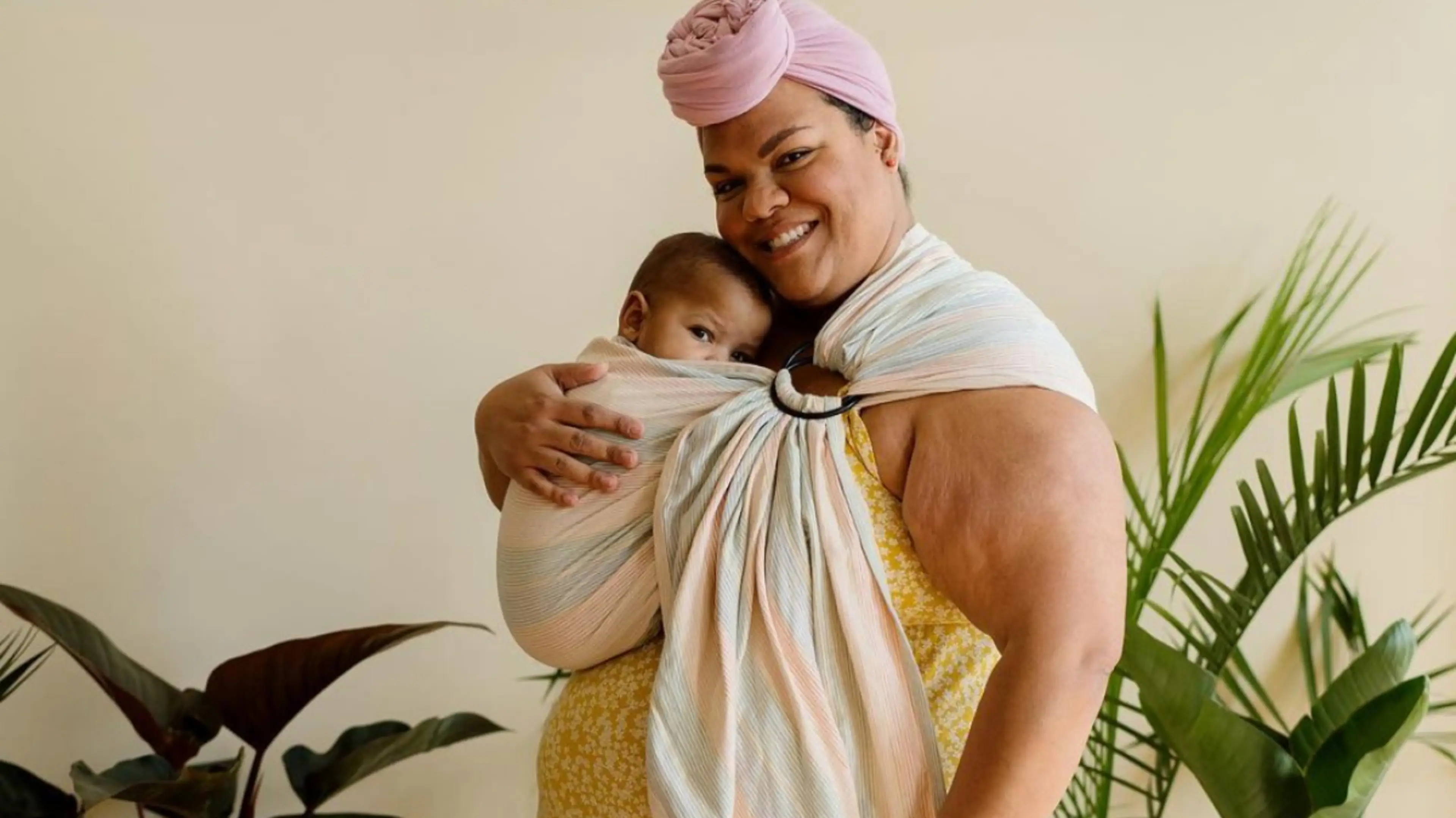
Credit: expectful.com
Tips For New Parents
Becoming a new parent is full of joy and challenges. Babywearing can help soothe your baby and keep them close. It’s also important to take care of your pelvic floor, especially after childbirth.
Consulting Professionals
Always seek advice from healthcare professionals. They can provide personalized guidance on babywearing and pelvic floor health. A physical therapist can show safe babywearing techniques. A pediatrician can ensure your baby’s safety.
Listening To Your Body
Your body will send signals if something is wrong. Pay attention to these signals. If you feel pain or discomfort, stop and rest. Adjust the baby carrier for better support. Use a mirror to check your posture. This can prevent strain on your back and pelvis.
Choosing The Right Baby Carrier
Not all baby carriers are the same. Choose one that offers good support for both you and your baby. Look for carriers with adjustable straps. This ensures a snug fit. Consider ergonomic designs that distribute weight evenly.
Practicing Proper Posture
Good posture is crucial for pelvic floor health. Stand up straight, with shoulders back. Keep your knees slightly bent. This helps maintain balance and reduces strain.
Taking Breaks
Even with the best carrier, it’s important to take breaks. Set a timer to remind yourself. Remove the carrier and stretch. This can help relieve pressure on your pelvic floor.
Pelvic Floor Exercises
Performing pelvic floor exercises can strengthen muscles. Kegels are a simple and effective exercise. Contract the muscles you use to stop urinating. Hold for a few seconds, then release. Repeat several times a day.
Staying Hydrated
Drink plenty of water throughout the day. Hydration aids in muscle recovery. It also supports overall health.

Credit: www.thepregnancycentre.com.au
Frequently Asked Questions
What Is Babywearing?
Babywearing involves carrying your baby in a sling or carrier.
Can Babywearing Affect My Pelvic Floor?
Yes, proper posture during babywearing supports your pelvic floor health.
How To Choose A Baby Carrier?
Select a carrier that evenly distributes weight and supports your posture.
Is Babywearing Safe For Pelvic Floor Recovery?
Yes, when done correctly, babywearing can aid in pelvic floor recovery.
Tips For Safe Babywearing?
Ensure proper alignment, use a supportive carrier, and avoid prolonged wearing.
Conclusion
Babywearing offers numerous benefits for both parents and babies. It supports bonding and provides comfort. Strengthening your pelvic floor is crucial for overall health.
Incorporating babywearing into daily routines can enhance your well-being. Embrace the practice and enjoy a healthier lifestyle with your little one.