A baby can be in a carrier for up to two hours at a time. It’s important to ensure comfort and safety.
Baby carriers provide a convenient way for parents to keep their little ones close while keeping their hands free. These carriers support bonding and offer a sense of security for the baby. Parents must be mindful of the time spent in the carrier to avoid discomfort.
Regular breaks are essential to allow the baby to stretch and move. Ensuring proper positioning and checking for any signs of discomfort is crucial. Consulting a pediatrician for personalized advice can be beneficial. Baby carriers can be a valuable tool when used correctly and in moderation.
Types Of Baby Carriers
When choosing a baby carrier, understanding the different types is essential. Each type offers unique benefits and features. The right carrier can make all the difference in comfort and safety. Here’s a breakdown of the main types of baby carriers available.
Wraps
Wraps are long pieces of fabric that you wrap around your body. They provide a snug fit for your baby. These carriers are versatile and can be tied in various ways. Wraps are great for newborns and can be adjusted as your baby grows.
- Soft and stretchy material
- Offers excellent support
- Requires practice to master tying techniques
Slings
Slings are made from a single piece of fabric. They have a ring or a loop for adjustment. Slings are easy to use and allow quick access to your baby. They are perfect for short trips and quick errands.
- Easy to put on and take off
- Great for breastfeeding
- Offers hip-carrying option
Structured Carriers
Structured carriers come with padded straps and a supportive waistband. They distribute the baby’s weight evenly. These carriers are ideal for long walks and extended use. They offer multiple carrying positions, including front, back, and hip.
- Padded for comfort
- Provides excellent support for both parent and baby
- Suitable for older babies and toddlers
Mei Tais
Mei Tais combine features of wraps and structured carriers. They have a rectangular piece of fabric with four straps. You tie the straps around your waist and shoulders. Mei Tais offer a secure and comfortable fit.
- Adjustable and versatile
- Easy to use once familiar
- Suitable for various carrying positions
Choosing the right carrier depends on your needs and your baby’s comfort. Each type has its own unique benefits, so consider what works best for you.
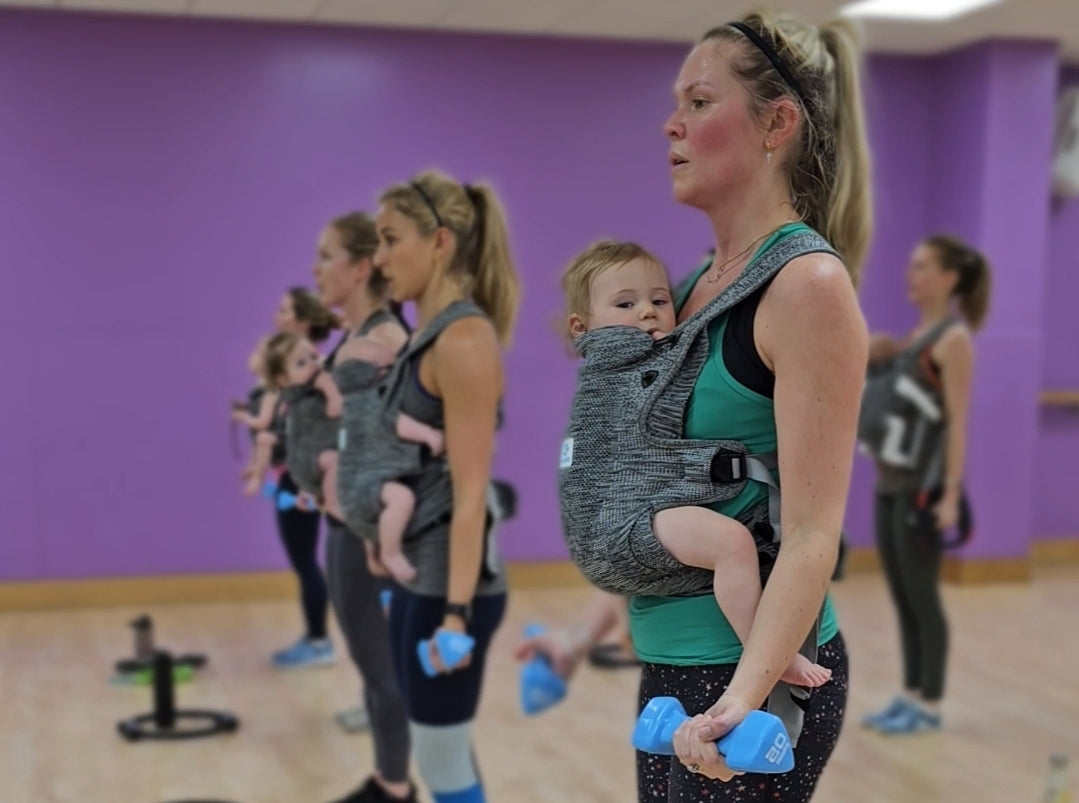
Credit: www.getcarifit.com
Age And Weight Considerations
Understanding age and weight considerations is key for safely using a baby carrier. Different age groups have unique needs. Let’s explore the guidelines for newborns, infants, and toddlers.
Newborn Guidelines
Newborns are fragile and require special care. Safety is the top priority.
- Newborns should only stay in a carrier for 30 minutes at a time.
- Ensure the carrier provides head and neck support.
- Check baby’s position frequently to avoid breathing issues.
Infant Recommendations
Infants have more muscle strength compared to newborns. They can stay in carriers longer.
- For infants aged 3-6 months, limit carrier time to 1-2 hours.
- Ensure the baby’s legs are in an M-position.
- Look for signs of discomfort like fussiness or red marks.
Toddler Tips
Toddlers can handle more time in carriers but still need breaks.
- For toddlers, limit time in the carrier to 2-3 hours at a stretch.
- Choose a carrier with good back support for the parent.
- Ensure the toddler can move legs freely.
| Age Group | Recommended Time in Carrier |
|---|---|
| Newborn | 30 minutes |
| Infant (3-6 months) | 1-2 hours |
| Toddler | 2-3 hours |
Safety Tips
Ensuring your baby’s safety in a carrier is paramount. This section provides essential safety tips for keeping your baby secure. Read on to learn more.
Proper Positioning
Proper positioning is crucial for your baby’s comfort and safety. Always make sure your baby’s head is upright and supported. Their back should be straight and not slouched. Follow the “M” position for their legs. This means their knees should be higher than their bum. This supports hip development.
Carrier Adjustments
Adjust the carrier to fit your body snugly. Ensure straps are tight but comfortable. Check the carrier’s weight limit. Ensure your baby’s weight falls within this range. Use the carrier’s adjustable features to get a custom fit.
Breathing And Visibility
Your baby’s face should be visible at all times. This ensures they can breathe easily. Make sure there is nothing covering their face. Keep their chin off their chest. You should be able to fit two fingers between their chin and chest. This helps prevent restricted breathing.
| Tip | Details |
|---|---|
| Proper Positioning | Head upright, back straight, legs in “M” position. |
| Carrier Adjustments | Snug fit, correct weight limit, use adjustable features. |
| Breathing and Visibility | Face visible, chin off chest, no face covering. |
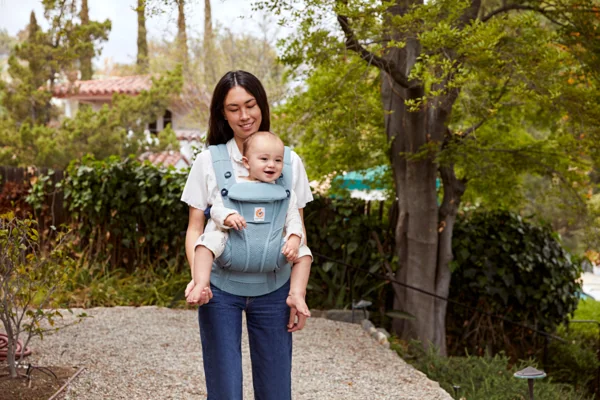
Credit: ergobaby.com
Duration Guidelines
Using a baby carrier offers many benefits, but it’s crucial to understand how long your baby should be in it. This ensures their comfort and safety. Here are some guidelines to help you.
Daily Limits
Experts suggest limiting carrier time to one to two hours at a stretch. This prevents strain on the baby’s body.
- Newborns: Up to 1 hour
- Infants: 1-2 hours
- Toddlers: 2 hours, with breaks
Signs Of Discomfort
Watch for signs your baby might be uncomfortable.
| Sign | Description |
|---|---|
| Crying | Your baby cries often in the carrier. |
| Fidgeting | Your baby moves a lot to find a comfy spot. |
| Red Marks | Marks appear where the carrier straps touch. |
Breaks And Intervals
Regular breaks are essential for your baby.
- Take your baby out every 30-45 minutes.
- Allow them to stretch and move freely.
- Switch carrying positions to avoid strain.
These steps help maintain your baby’s comfort and well-being.
Health Benefits
Baby carriers offer numerous health benefits for both infants and parents. Understanding these benefits can help you decide how long your baby can be in a carrier.
Physical Development
Baby carriers promote healthy hip development. They keep the baby’s legs in an ergonomic position. This helps prevent hip dysplasia. Carriers also support the baby’s spine. This aids in proper spine alignment. Holding the baby close can reduce flat head syndrome. It evenly distributes the baby’s weight.
Emotional Bonding
Using a baby carrier enhances emotional bonding. The baby feels the parent’s heartbeat and warmth. This creates a sense of security. It also helps in regulating the baby’s emotions. Babies in carriers often cry less. They feel more comforted and loved.
Convenience For Parents
Baby carriers are convenient for parents. They allow hands-free movement. Parents can do chores while holding the baby. Carriers are also easy to transport. They can be taken anywhere. This convenience increases the time parents can spend with their babies. It also helps in multitasking efficiently.
Potential Risks
Carrying a baby in a carrier can be very convenient. But it’s essential to understand the potential risks associated with prolonged use. These risks include hip dysplasia, strain on baby’s spine, and parental fatigue.
Hip Dysplasia
Hip dysplasia is a condition where the hip joint doesn’t fit into the hip socket correctly. Using a carrier for too long can contribute to this issue. Babies need their hips to be in an “M” shape position. Carriers that don’t support this can cause hip problems. Always ensure the carrier supports the baby’s thighs and allows their legs to spread.
Strain On Baby’s Spine
The baby’s spine is very delicate. Prolonged use of carriers can strain their spine. Babies have a natural “C” shaped spine. Carriers that force a straight posture can be harmful. Ensure the carrier supports the baby’s natural spinal curve. Change positions frequently to avoid strain.
Parental Fatigue
Carrying a baby for long periods can be tiring for parents. This can lead to back and shoulder pain. Parental fatigue can affect your ability to care for the baby. Use a carrier with good padding and support. Take breaks and share the carrying duties if possible.
Expert Recommendations
Understanding how long a baby can stay in a carrier is important. It ensures the baby’s safety and comfort. Experts have various guidelines on this. Below, we explore advice from pediatricians, experienced parents, and carrier brands.
Pediatrician Advice
Pediatricians recommend keeping carrier sessions short. Babies under 6 months should not be in carriers for more than an hour at a time. They need frequent breaks. Older babies can stay longer but need breaks too. Watch for signs of discomfort. Change positions often to avoid strain.
Experienced Parents’ Tips
Experienced parents have practical tips for using baby carriers. Here are some key points:
- Listen to your baby: If they seem uncomfortable, take them out.
- Check their posture: Ensure the baby’s back is supported.
- Stay active: Move around to keep the baby entertained.
- Monitor temperature: Make sure the baby doesn’t overheat.
Carrier Brand Guidelines
Carrier brands offer their own guidelines. These are essential for safe use. Here are some examples:
| Brand | Recommended Duration |
|---|---|
| Ergobaby | 1-2 hours |
| Boba | 1 hour |
| BabyBjörn | 30-45 minutes |
Always read the user manual for specific instructions. Follow the weight and age limits set by the brand.
Frequently Asked Questions
- How Long Can A Baby Stay In A Carrier?
A baby can stay in a carrier for about 2 hours.
- Is It Safe For Newborns To Be In Carriers?
Yes, but ensure proper neck and head support.
- When Should You Take Breaks From Baby Carriers?
Take breaks every 1-2 hours to prevent discomfort.
- Can Baby Carriers Cause Hip Problems?
Proper carriers support hips and reduce the risk of hip dysplasia.
- What Is The Best Position For A Baby In A Carrier?
The ergonomic “M” position supports hips and spine.
Conclusion
Finding the right duration for your baby in a carrier is crucial. Always prioritize safety and comfort. Pay attention to your baby’s cues and consult your pediatrician.
Regular breaks can help ensure a positive experience. A balanced approach can make babywearing enjoyable for both you and your little one.