
Are baby car seat covers safe? This guide answers that question clearly. It shows you how to choose, fit, and use covers safely. You get easy steps, common hazards, and quick fixes. Use these tips to keep your child comfortable and secure on every trip.
Key Takeaways
- Point 1: Are baby car seat covers safe depends on the cover type and how you use it. Some covers are safe when used correctly; others are not.
- Point 2: Always follow the car seat and cover maker instructions. Incorrect use can weaken the seat’s protection.
- Point 3: Avoid bulky padding, loose blankets, and thick covers while the harness is in use. They can change crash performance.
- Point 4: Choose breathable, flame-resistant fabrics and thin liners made for your seat model.
- Point 5: Remove covers in hot weather. Overheating is a real risk for infants in cars.
- Point 6: Regularly inspect straps, buckles, and fit. Replace covers that block or alter the harness path.
Introduction
This guide answers a key question: are baby car seat covers safe? You will learn what makes a cover safe or risky. You will get step-by-step checks. You will get tips for buying and using covers. You will learn how to avoid common hazards. The words are clear. The steps are simple. Read on to keep your child safe.
Step 1: Understand the basics
Before you buy a cover, know the basics. A car seat protects in a crash. The harness and shell work together. Any cover can change how the seat works. So ask: are baby car seat covers safe in general? The short answer: some are, some are not. It depends on fit and design.
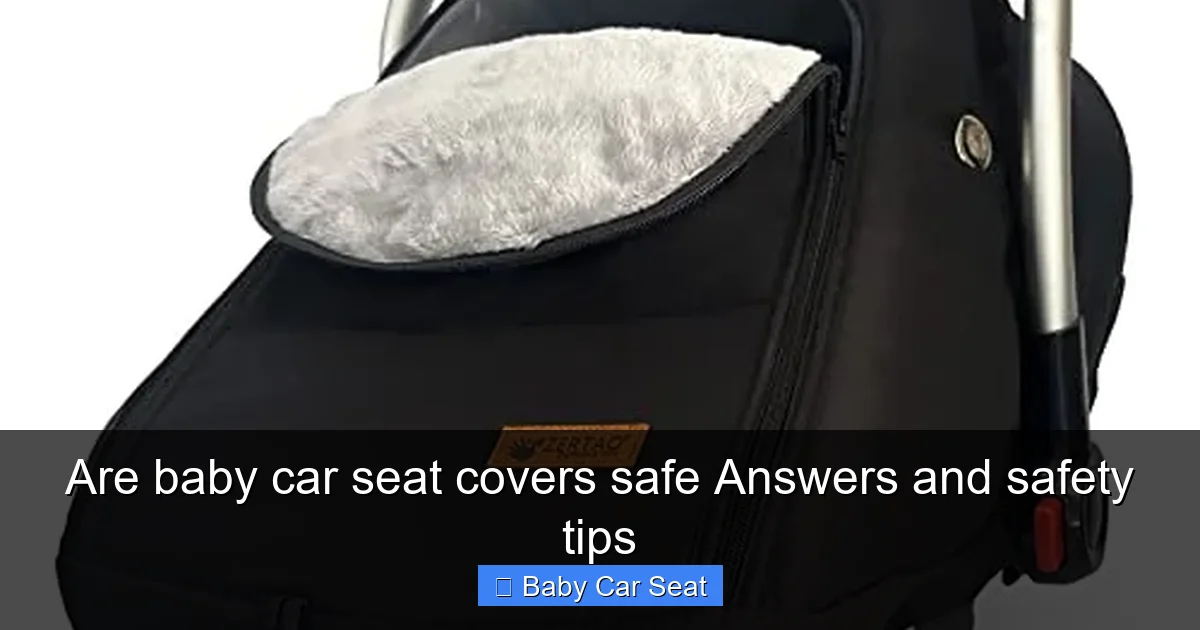
Visual guide about Are baby car seat covers safe Answers and safety tips
Image source: m.media-amazon.com
Why covers are used
Parents use covers for warmth, cleanliness, sun protection, and looks. Covers can keep the seat clean. They can calm a fussy baby. They can help with cold weather. But the added material may change crash forces. That is the risk.
Key safety points
- Never add extra padding between your child and the harness.
- Only use covers made for your seat model when possible.
- Check the car seat manual for approved accessories.
- Do not use covers that hide the harness or buckle.
Step 2: Check the car seat manual
The manual is your best guide. It tells you what accessories are allowed. It shows proper harness routing. It may name approved covers. Ask: does the manual say covers are safe? If the manual forbids covers, do not use one.
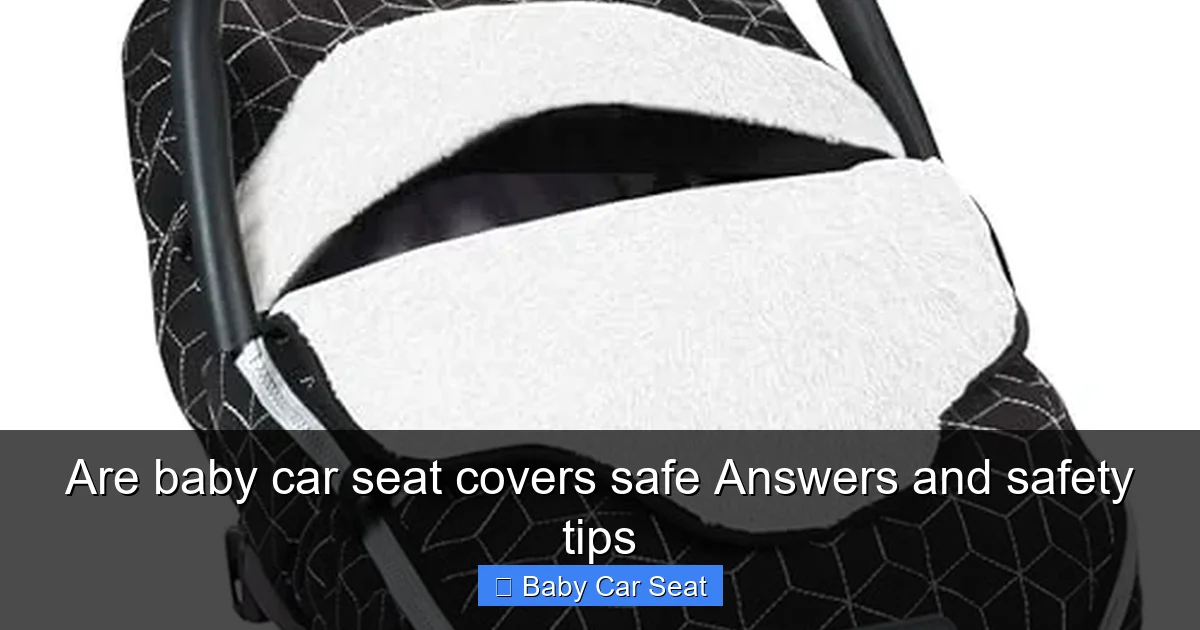
Visual guide about Are baby car seat covers safe Answers and safety tips
Image source: m.media-amazon.com
Where to find information
Find the manual in the box or online. Search the maker’s website. Look for an FAQ or accessory page. If in doubt, contact customer service. Keep proof of approval if you use a cover that the maker endorses.
Step 3: Choose the right type of cover
There are many cover types. Not all meet safety needs. When you ask are baby car seat covers safe, think of the type first. Below are safe options and risky ones.
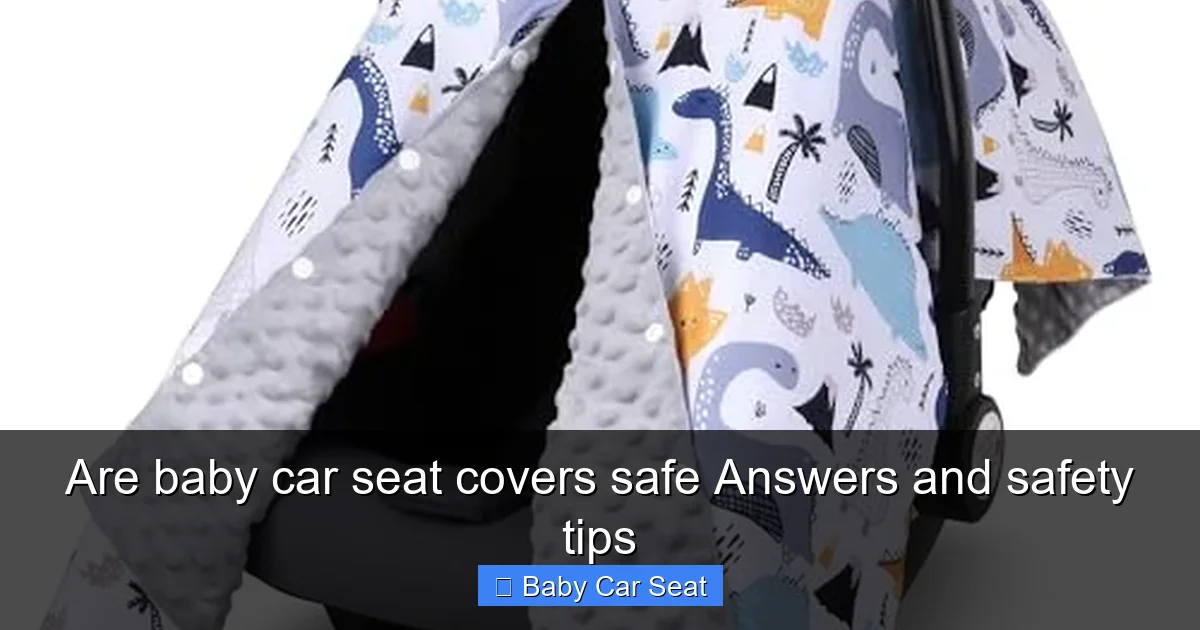
Visual guide about Are baby car seat covers safe Answers and safety tips
Image source: m.media-amazon.com
Safer options
- Thin fitted liners made by the seat maker.
- UV shades that attach to the car, not the seat.
- Breathable, flame-resistant fabrics that do not change harness fit.
- Seat-specific covers that allow harness access and routing.
Risky options
- Thick padded inserts not approved by the seat maker.
- Blanket-type covers that tuck behind the child.
- Aftermarket items that cover straps or buckles.
- Generic covers that do not fit your exact seat model.
Step 4: How to test a cover before first use
Testing helps you see if a cover is safe for everyday use. Follow this step-by-step check. This helps answer: are baby car seat covers safe for your seat and child?
1. Dry fit the cover
Place the cover on the empty seat. Make sure it fits tight. A loose cover can move in a crash. Check that no fabric covers the harness slots.
2. Check harness fit
Thread the harness through the cover. Buckle it. Tighten the straps. The harness should lie flat. No twists. It should fit snug on a thin layer only.
3. Test buckle access
Make sure you can reach and click the buckle easily. A cover that hides the buckle can delay fastening in an emergency.
4. Look for gaps
Check the seat shell and base. The cover should not block vents or labels. It should not hide the recline indicator or airbag warnings.
Step 5: Install and adjust with your child
Install the seat per the manual first. Then add the cover if it is allowed. Ask: does the cover change harness fit when your child is in place? This step answers are baby car seat covers safe for your child right now.
Place your child and tighten
Set the child in the seat. Place hands on the harness. Pull the strap tight. The webbing should be close to the skin. You should not be able to pinch any slack at the shoulder.
Check head position
Make sure the cover does not push the head forward. The head should be in a neutral position. If the cover lifts the head, remove it.
Final quick check
Do these fast checks every ride:
- The harness is tight and flat.
- The chest clip sits at armpit level.
- No fabric is behind the child under the harness.
- Temperature feels fine. The baby is not sweating.
Step 6: Special rules for winter and cold weather
Parents often worry about cold. They ask: are baby car seat covers safe in winter? The answer changes with the item. Thick coats are a big no. Covers can be okay if thin and approved.
Warmth without bulk
Use thin layers under the harness. Use a blanket over the harness after it is snug. Use seat-approved covers that wrap over the shell but not under the child. Heat packs are not recommended inside the seat.
Car warming tips
- Warm the car first if you can.
- Dress the baby in thin layers and a hat.
- Use a cover that zips over the seat and that the seat maker approves.
Step 7: Airflow, overheating, and summer use
Many parents ask: are baby car seat covers safe in hot weather? Overheating is dangerous. Breathable covers help. Also avoid dark, heat-trapping fabrics inside hot cars.
Ways to stay cool
- Use mesh or breathable fabrics.
- Park in shade whenever possible.
- Use a sunshade on the window, not one on the child.
- Open windows to let air circulate when safe to do so.
Step 8: Materials, standards, and flame resistance
Check materials. Many countries require flame resistance in baby gear. Ask the seller for fabric safety info. When you search are baby car seat covers safe, look for labels about fire safety.
What to look for
- Labels that list material and safety certifications.
- Manufacturer statements about flame resistance.
- Care instructions that match seat cleaning rules.
Step 9: Cleaning and maintenance
A clean seat is a safe seat. Covers can trap crumbs and moisture. Dirty covers can irritate skin. They can also hide damage. Clean per the car seat manual. If you must remove the cover, follow these steps.
Remove and wash
Unbuckle the harness. Remove the cover. Wash per label instructions. Let it dry fully. Do not use heavy fabric softeners. Replace with the same fit and shape.
Inspect straps and buckles
Check straps for frays. Check buckles for dirt. Clean as the manual says. Never oil or grease a buckle. Replace parts that show wear.
Step 10: Travel safety and airport covers
Travel adds choices. Many parents use covers to protect the seat in airplanes or taxis. Think: are baby car seat covers safe for travel? Some covers help. Some add weight or block harness access.
Airport and stroller covers
Use only lightweight travel covers that do not change harness fit. If you use a bag for the seat, keep the straps clear. Remove bulky travel padding before flight takeoff if the harness is used.
Practical tips and examples
Here are quick tips from real parents and experts. They answer the daily question: are baby car seat covers safe in common scenarios.
- If you run errands, skip a thick cover. Use a blanket over the frozen baby after you buckle the harness.
- If you ride in cold climates, preheat the car. Thin liners under the child are safer than coats.
- If you drive with a rear passenger sunshade, attach it to the window. Avoid clips on the seat itself.
- If a cover comes with straps that loop around the harness, do not use them unless the car seat maker approves.
Troubleshooting: common problems and fixes
Problems happen. Here are fixes to common cover issues that affect safety and answer: are baby car seat covers safe for your setup.
Problem: The harness feels loose after adding the cover
Fix: Remove the cover and refit the harness. If the harness is tight without the cover, the cover added bulk. Use a thinner cover or no cover.
Problem: The chest clip sits too low
Fix: Check cover position. The cover may push the clip down. Remove or reposition the cover. Re-tighten the harness after adjusting.
Problem: The cover hides labels or indicators
Fix: Reposition or remove the cover. You must see the recline and warning labels. If you can’t, use a different cover.
Problem: The baby is sweating or feels hot
Fix: Remove the cover. Switch to a breathable fabric. Do not travel with a child showing signs of overheating.
When to stop using a cover
Stop using a cover if it changes fit or blocks access. Stop if the seat maker says so. Stop if the cover shows wear or shifts. If you ask: are baby car seat covers safe and your answer is “no,” remove it.
Conclusion
So, are baby car seat covers safe? The short answer is: it depends. A cover can be safe if it is thin, approved, and does not alter the harness or shell. Avoid bulky padding and items that hide buckles or labels. Always follow your car seat manual. Test the cover with the child in place. If it changes fit or comfort, do not use it. Safety is simple. Tight harness. Proper fit. Clear access. Use covers wisely. That keeps your child secure on every ride.
🎥 Related Video: Important Baby Car Seat Safety Tips for Parents
📺 FirstCry Parenting
Ensuring your baby’s safety during car rides is a top priority for every parent. In this essential video, we cover the most important …
