
In this guide, you will learn about the safety of baby carriers, focusing on the comfort and security of your little one. Explore key features, tips for usage, and best practices for ensuring your baby’s safety.
Key Takeaways
- Point 1: Baby carriers can be safe when used correctly, providing comfort and security for both parent and child.
- Point 2: Choose carriers that support your baby’s hips and spine in a natural position.
- Point 3: Always check the weight limits and age recommendations for each carrier.
- Point 4: Regularly inspect your carrier for wear and tear to ensure ongoing safety.
- Point 5: Practice safe babywearing techniques to prevent accidents and ensure the baby’s comfort.
- Point 6: Monitor your baby’s temperature and comfort level while in the carrier.
- Point 7: Consult pediatric guidelines and seek advice from experienced babywearers for best practices.
Are Baby Carriers Safe for Your Little One’s Comfort and Security?
Finding the right way to keep your baby close while still being hands-free can be a challenge. Baby carriers offer a solution that many parents love. However, safety is a primary concern when it comes to using these carriers. In this guide, you will learn the ins and outs of baby carriers, how to choose the safest option, and tips for ensuring your baby’s comfort and security.
Understanding Baby Carriers
Baby carriers come in various styles, including wraps, slings, and structured carriers. Each type has its own unique features and benefits. Understanding these options is the first step towards ensuring your baby’s safety.
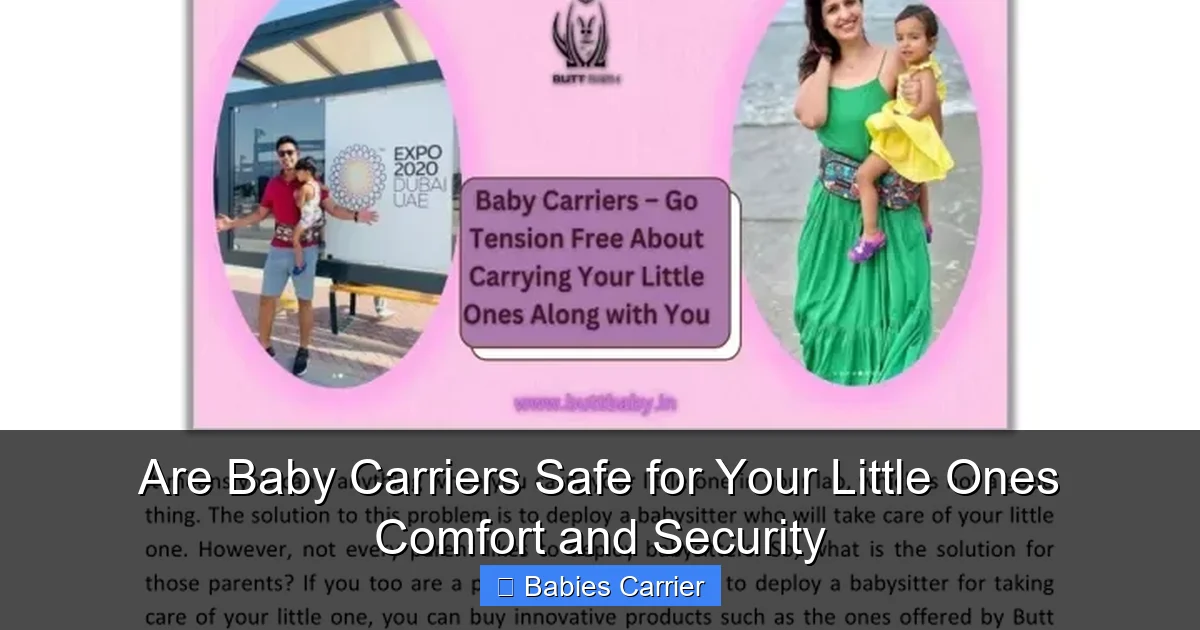
Visual guide about Are Baby Carriers Safe for Your Little Ones Comfort and Security
Image source: cdn6.slideserve.com
Types of Baby Carriers
- Wraps: These are long pieces of fabric that you tie around your body to hold your baby securely. They distribute weight evenly, which can be comfortable for both parent and child.
- Slings: A sling is a loop of fabric worn over one shoulder. It allows for quick access to your baby but may not provide as much support for older infants.
- Structured Carriers: These have buckles and straps designed for ease of use. They often come with extra support for your baby’s head and back.
Assessing Safety Features
Before purchasing a baby carrier, look for essential safety features. Here’s how you can assess them:
1. Body Positioning
Ensure the carrier supports your baby’s natural position. Their knees should be higher than their bottom, creating a “M” shape with their legs. This positioning helps in proper hip development.
2. Head and Neck Support
For newborns, head and neck support is critical. Look for carriers that offer adjustable head support to keep your baby safe and secure.
3. Weight Limits
Always check the manufacturer’s weight limit. Using a carrier that is not rated for your baby’s weight can lead to accidents.
Choosing the Right Carrier
Choosing the right baby carrier is crucial for safety. Here are steps to consider:
1. Evaluate Your Lifestyle
Think about how you plan to use the carrier. If you’re active, a structured carrier may be best. For more relaxed outings, a wrap or sling might suffice.
2. Try Before You Buy
Whenever possible, try different carriers before purchasing. Many stores offer babywearing consultations where you can test various options.
3. Read Reviews
Research and read reviews from other parents. Look for feedback specifically about safety and comfort.
Using Your Carrier Safely
Once you have your carrier, it’s time to learn how to use it safely. Here’s how:
1. Adjust the Carrier Properly
Make sure all straps and buckles are adjusted according to your body size and shape. A snug fit keeps your baby secure.
2. Monitor Your Baby’s Position
Regularly check your baby’s positioning in the carrier. They should be visible, their airways clear, and their chin should not be tucked into their chest.
3. Stay Aware of Your Surroundings
When wearing your baby, be mindful of your surroundings. Avoid low doorways, crowded spaces, or situations where your baby could be bumped or jostled.
Practical Tips for Comfort
Keeping your baby comfortable while using a carrier ensures a positive experience for both of you. Here are some practical tips:
1. Dress Appropriately
Dress your baby in layers. This allows you to adjust their clothing based on the temperature, especially when they are close to your body.
2. Take Breaks
Don’t keep your baby in the carrier for long periods. Take breaks to let them stretch and move, which is essential for their development.
3. Hydration and Snacks
Stay hydrated and have snacks on hand for yourself. A comfortable parent creates a comfortable environment for the baby.
Troubleshooting Common Issues
Sometimes, you may encounter issues while using a baby carrier. Here are some common problems and solutions:
1. Baby Fidgeting
If your baby seems fidgety, check their position. They may be uncomfortable, so readjusting can help.
2. Straps Digging In
If the straps dig into your shoulders, try adjusting them for a better fit. Sometimes, re-positioning the carrier can alleviate this discomfort.
3. Baby Overheating
Watch for signs of overheating, such as sweating or flushed skin. If your baby seems too warm, remove them from the carrier and let them cool down.
Conclusion
Baby carriers can be a safe and comfortable option for both you and your little one when used correctly. By understanding the different types of carriers, assessing their safety features, and following best practices for usage, you can enjoy the many benefits of babywearing. Remember, the key to a successful experience is to stay informed and attentive to your baby’s needs. Happy babywearing!
🎥 Related Video: The do’s and don’ts of baby carriers 🚼 #shorts #babycarrier #momtip #chiro #baby #chiropractor
📺 Momma’s Chiro
