
Are you concerned about the safety of baby carriers for your baby’s hips? This guide explores the relationship between baby carriers and hip health, offering practical tips and insights to help you make informed decisions for your little one.
Key Takeaways
- Proper Positioning is Key: Ensure your baby is in an ergonomic position to support hip development.
- Choose the Right Carrier: Select carriers that are certified and designed for optimal hip positioning.
- Follow Age and Weight Guidelines: Always adhere to the manufacturer’s guidelines for weight and age limits.
- Monitor Your Baby’s Comfort: Look for signs of discomfort or distress while using the carrier.
- Consider Pediatric Recommendations: Consult with a pediatrician for personalized advice on baby carriers and hip safety.
- Regularly Check Carrier Condition: Inspect your carrier for wear and tear to ensure it remains safe for use.
- Practice Safe Carrying Techniques: Use proper lifting and wearing techniques to prevent strain on both you and your baby.
Are Baby Carriers Safe for Babies’ Hips? A Comprehensive Guide
When it comes to carrying your baby, safety and comfort are paramount. Baby carriers are popular tools for parents, but concerns about their impact on hip development often arise. In this guide, we will delve into the safety of baby carriers for your baby’s hips, helping you make informed choices.
Understanding Hip Health in Babies
Before we discuss baby carriers, it’s essential to understand what contributes to healthy hip development in infants. Babies are born with soft, flexible bones, including the hip joint. As they grow, their hips need to develop correctly to avoid potential issues, such as hip dysplasia.
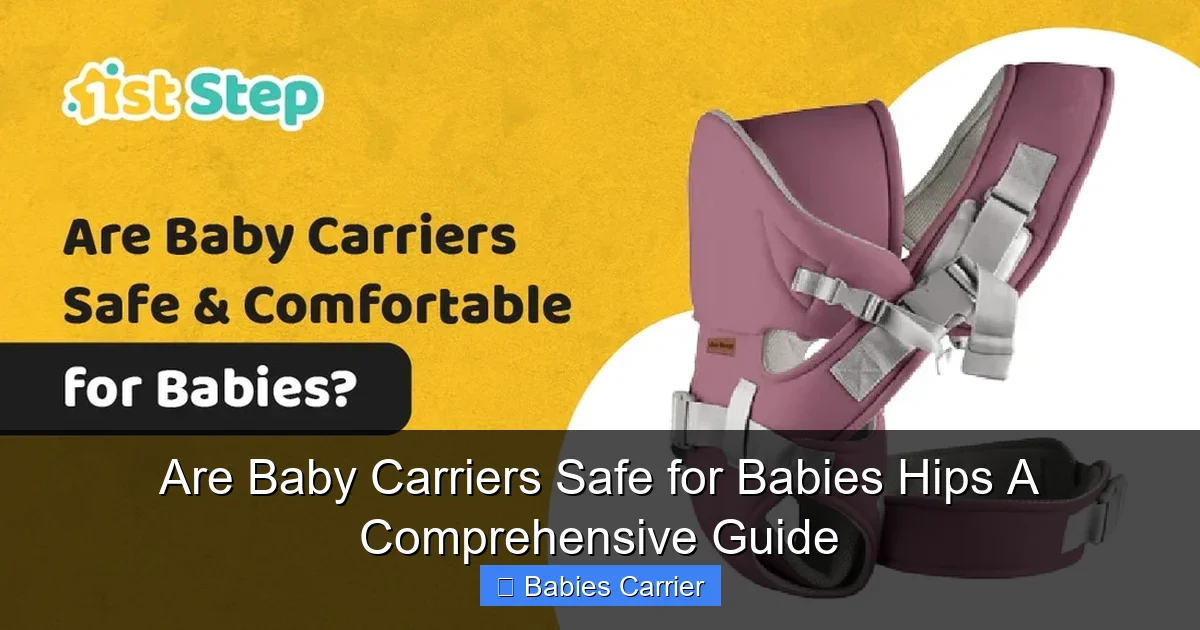
Visual guide about Are Baby Carriers Safe for Babies Hips A Comprehensive Guide
Image source: 1ststep.com
Hip dysplasia occurs when the hip joint doesn’t form correctly, potentially leading to discomfort or mobility issues later in life. Therefore, ensuring that your baby is positioned correctly in a carrier is crucial for their overall hip health.
Choosing the Right Baby Carrier
Not all baby carriers are created equal. Here are the main types of carriers and what to look for in each:
1. Soft Structured Carriers
Soft structured carriers (SSCs) are one of the most popular types. They typically have padded shoulder straps and a supportive waistband, making them comfortable for both parent and baby.
- Look for: An adjustable seat that allows your baby to sit in an “M” position, with their knees higher than their bottom.
- Benefits: They distribute your baby’s weight evenly and provide good support for their hips.
2. Wraps
Wraps are long pieces of fabric that you tie around your body to hold your baby close. They can be very versatile, allowing for various carrying positions.
- Look for: A wrap that provides a snug fit without being too tight. Ensure your baby’s legs are in the correct position.
- Benefits: Wraps can promote bonding and are typically comfortable for both parent and baby.
3. Mei Tais
Mei Tais are a hybrid between wraps and structured carriers. They consist of a rectangular piece of fabric with straps that you tie around your waist and shoulders.
- Look for: Adjustable straps to ensure a proper fit, maintaining your baby in an ergonomic position.
- Benefits: They offer good support for the baby’s hips and can be used for front or back carrying.
4. Sling Carriers
Slings are typically made from a single piece of fabric that is worn over one shoulder, allowing for a quick and easy way to carry your baby.
- Look for: A sling that allows for a deep seat for your baby, keeping their legs in the correct position.
- Benefits: They are convenient for quick trips but may not provide as much support for longer periods.
How to Position Your Baby in a Carrier
Correct positioning in a baby carrier is vital for hip health. Here’s how to ensure your baby is positioned safely:
1. The “M” Position
Ensure your baby’s knees are higher than their bottom, creating an “M” shape with their legs when in the carrier. This position helps support the hip joints.
2. Support the Back
Your baby’s back should be supported in a natural, rounded position, which is crucial for their overall comfort and development.
3. Keep Their Airway Clear
Always ensure your baby’s face is visible and that their airway is clear. This is essential for their safety while in the carrier.
Practical Tips for Safe Carrying
Here are some additional tips to ensure you are using your baby carrier safely:
1. Follow Age and Weight Guidelines
Always adhere to the manufacturer’s instructions regarding the age and weight limits for the carrier. This ensures that the carrier is safe for your baby’s size and development stage.
2. Regularly Check the Carrier
Inspect your baby carrier regularly for any signs of wear and tear. Ensure that the straps, buckles, and fabric are in good condition to maintain safety.
3. Monitor Your Baby’s Comfort
Keep an eye on your baby while they are in the carrier. Look for signs of discomfort, such as fussiness or crying, which could indicate that they need to be repositioned.
Consulting with a Pediatrician
If you have concerns about your baby’s hip development or the use of a baby carrier, it’s always a good idea to consult with a pediatrician. They can provide personalized advice based on your baby’s individual needs.
Troubleshooting Common Issues
Sometimes, using a baby carrier can come with challenges. Here are some common issues and how to address them:
1. Baby is Uncomfortable
If your baby seems uncomfortable, check their position. Ensure they are in an ergonomic position and that the carrier is adjusted properly.
2. Carrier is Difficult to Use
If you find it challenging to put on or adjust your carrier, practice in front of a mirror or watch tutorial videos. Familiarity will make it easier.
Conclusion
In summary, baby carriers can be safe for your baby’s hips when used correctly. Choosing the right type of carrier, ensuring proper positioning, and following safety guidelines are all essential for your baby’s hip health. Remember to consult with your pediatrician if you have any concerns. By following these tips, you can enjoy the convenience of baby carriers while promoting your baby’s healthy development.
🎥 Related Video: Honest review of the baby carriers I have had as a mom of 6 of BIG babies 👶
📺 Chrissy Horton
I’m a mom of 6 who gives honest reviews on the baby items I use! Today, I am giving my honest review of each baby carrier I have …
