
This biodegradable diapers guide for eco conscious parents explains how to pick safer, greener disposable diapers without sacrificing convenience. You will learn what “biodegradable” really means, how to compare brands, how to use and dispose of them correctly, and how to balance cost, comfort, and sustainability for your baby and the planet.
Key Takeaways
- Point 1: Biodegradable diapers are still disposable diapers, but they use more plant-based, compostable materials to reduce long-term landfill waste.
- Point 2: No diaper is 100% impact-free, so eco conscious parents should look for clear ingredient lists, certifications, and honest claims on biodegradability.
- Point 3: The right fit, absorbency, and skin-friendliness matter as much as eco benefits to keep your baby dry, safe, and comfortable.
- Point 4: Proper disposal is key: even the best biodegradable diapers break down faster only in the right conditions, such as industrial composting or special programs.
- Point 5: You can reduce your footprint further by using fewer diapers overall, changing efficiently, and combining biodegradable diapers with other eco habits.
- Point 6: Budget-friendly strategies like buying in bulk, using subscription discounts, and mixing brands help make greener choices more affordable.
- Point 7: A simple step-by-step process makes it easier to switch to biodegradable diapers and stay consistent as your baby grows.
Introduction: Why a Biodegradable Diapers Guide Matters
If you are a new parent, you are probably changing more diapers than you ever imagined. At the same time, you may worry about the pile of trash going out to the curb every week. This is where a clear, honest biodegradable diapers guide can help. Many eco conscious parents want the ease of disposable diapers, but with less harm to the planet.
In this biodegradable diapers guide for eco conscious parents, you will learn what biodegradable diapers are, how they work, and how to choose them wisely. You will see simple steps for switching from regular disposable diapers. You will also learn how to dispose of biodegradable diapers in a way that actually reduces waste. By the end, you will know how to balance your baby’s comfort, your budget, and your values.
Step 1: Understand What Biodegradable Diapers Really Are
Before you buy your first pack, it helps to know what you are getting. There is a lot of green marketing out there. This biodegradable diapers guide will show you how to see through the buzzwords and spot real benefits.
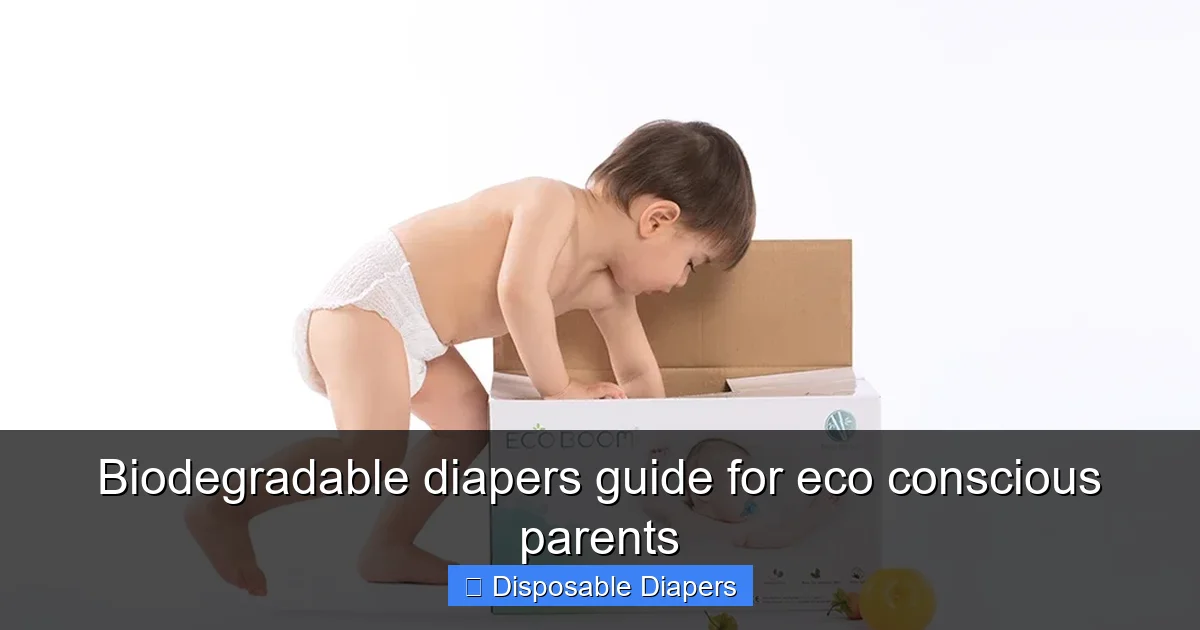
Visual guide about Biodegradable diapers guide for eco conscious parents
Image source: img2.tradewheel.com
What “Biodegradable” Means
A biodegradable diaper is a disposable diaper made with materials that can break down into natural elements over time. This happens with the help of bacteria, fungi, and other living organisms. The goal is to reduce how long diaper waste stays in landfills and to use fewer fossil-fuel plastics.
But there is a catch. Biodegradation depends on the right conditions. Many landfills are sealed and low in oxygen. That means even biodegradable diapers may break down slowly there. So eco conscious parents need more than a label. You need to know where and how the diaper can break down.
Biodegradable vs. Regular Disposable Diapers
- Regular disposable diapers often use mostly petroleum-based plastics, synthetic fragrances, and chlorine-bleached pulp. They can sit in landfills for decades or longer.
- Biodegradable diapers replace some of these materials with plant-based fibers, compostable films, and gentler processing. They are designed to break down faster under the right conditions.
The key idea in this biodegradable diapers guide is not perfection. It is progress. Even if a diaper is not 100% biodegradable, a higher share of plant-based materials is better than none.
Common Materials in Biodegradable Diapers
Look for these materials when reading labels:
- Plant-based topsheet and backsheet: Often made from bamboo, corn, or sustainably sourced wood pulp. These touch your baby’s skin and form the outer layer.
- Absorbent core: Usually a mix of fluff pulp and super absorbent polymers (SAP). Some brands use bio-based SAP to lower the plastic content.
- Elastic and fasteners: These may still contain some synthetic materials, though some brands use partially plant-based options.
- Fragrance-free, lotion-free designs: Better for sensitive skin and for the environment.
In short, this biodegradable diapers guide for eco conscious parents shows that the goal is “more natural, less plastic,” even if not every part of the diaper is yet biodegradable.
Step 2: Learn to Read Labels and Claims
The next step in this biodegradable diapers guide is label reading. This is where you protect yourself from greenwashing and make smart choices.
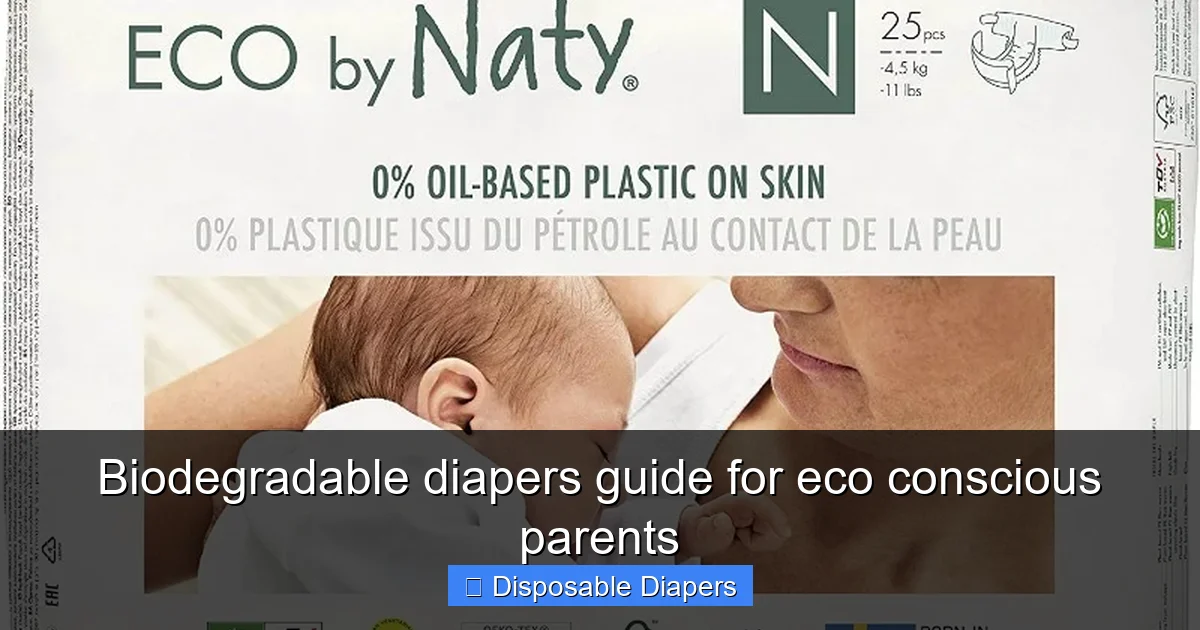
Visual guide about Biodegradable diapers guide for eco conscious parents
Image source: realgreenmom.com
Key Terms to Look For
- Biodegradable components: Some brands state the percentage of biodegradable materials, such as “up to 80% biodegradable.” Higher is better, but read the fine print.
- Compostable: This means the material can break down into non-toxic parts in a composting system. “Home compostable” is different from “industrial compostable.” Diapers are almost never safe for home compost because of human waste.
- Chlorine-free (TCF or ECF): TCF means totally chlorine free pulp bleaching. ECF means elemental chlorine free. Both are better than older methods that create more toxins.
- Fragrance-free and dye-free: Fewer added chemicals can be better for baby and the planet.
Certifications That Help Eco Conscious Parents
In a solid biodegradable diapers guide, third-party certifications matter. They add some trust to the claims on the pack. Look for:
- FSC or PEFC: These show that the wood pulp comes from responsibly managed forests.
- OEKO-TEX or similar skin safety labels: These check for harmful substances in materials that touch your baby’s skin.
- Biobased content labels: Some regions have official labels that state the percentage of plant-based content.
No single logo is perfect, but in this biodegradable diapers guide for eco conscious parents, they are helpful clues. A brand that invests in testing and certification is often more serious about its claims.
Red Flags and Greenwashing
Be cautious with:
- Vague words: Terms like “eco,” “natural,” or “green” without details or numbers.
- No ingredient list: If a company hides what is in the diaper, that is not a good sign.
- 100% biodegradable diaper claims: These are rare and often not accurate, especially for the entire product.
A good biodegradable diapers guide encourages healthy doubt. Ask: “What part is biodegradable? Under what conditions? Is there any proof?”
Step 3: Choose the Right Biodegradable Diaper for Your Baby
Now that you understand the basics, this biodegradable diapers guide will help you pick a brand and size that work for your child. Eco benefits do not matter if the diaper leaks or irritates your baby’s skin.
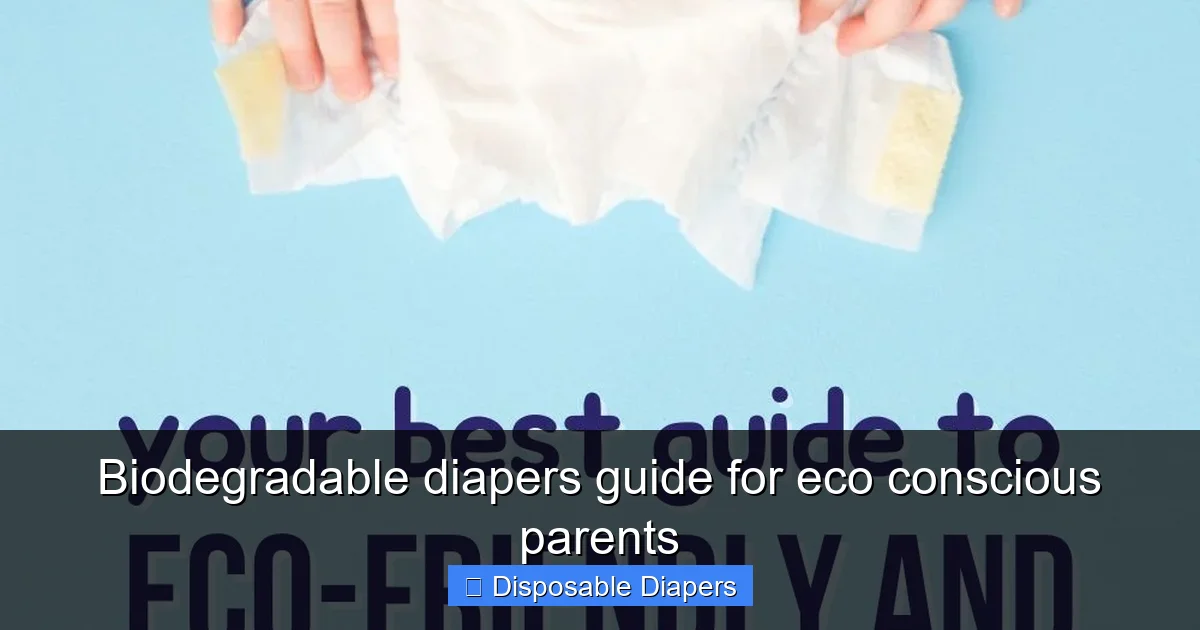
Visual guide about Biodegradable diapers guide for eco conscious parents
Image source: i.pinimg.com
Consider Your Baby’s Skin and Sensitivities
Many eco conscious parents turn to biodegradable diapers because their baby has sensitive skin. When choosing:
- Look for fragrance-free and lotion-free options.
- Seek diapers labeled for sensitive skin or with dermatological testing.
- Choose brands that avoid known irritants like some dyes or latex.
In this biodegradable diapers guide, comfort is just as important as sustainability. A rash-free baby is a happy baby.
Check Absorbency and Leak Protection
Biodegradable diapers have improved a lot. Many now match or come close to regular disposable diapers in performance. Still, you should:
- Read reviews focused on overnight use and heavy wetters.
- Test a small pack during the day first, when leaks are easier to manage.
- Use a snug onesie or diaper cover to help contain any small leaks at night.
A reliable biodegradable diaper should keep your baby dry for several hours and handle full naps or overnight stretches, depending on your child’s age.
Find the Right Fit and Size
Each brand fits a bit differently. To get the best fit:
- Use the size chart on the package, based on your baby’s current weight.
- Check that the diaper sits just below the belly button and covers the bottom fully.
- Run a finger along the leg cuffs to make sure they are pulled out and not tucked in.
A key tip from this biodegradable diapers guide: if you see red marks on the skin, the diaper may be too tight. If you see gaps at the legs or waist, it may be too loose or the wrong shape for your baby.
Balance Cost and Eco Benefits
Biodegradable diapers often cost more than regular disposable diapers. To keep them affordable:
- Look for subscription discounts or bulk packs.
- Mix and match: use premium biodegradable diapers at night and a mid-range eco brand by day.
- Watch for sales and coupons, especially when trying new brands.
This biodegradable diapers guide for eco conscious parents is about realistic choices. Even partial use of greener diapers is better than none.
Step 4: Use Biodegradable Diapers Correctly
Using biodegradable diapers is similar to regular disposable diapers. Still, there are a few best practices that help you get the most from them.
How to Put on a Biodegradable Diaper
Follow this simple process:
- Lay your baby on a safe, flat surface.
- Slide the clean biodegradable diaper under the bottom, with the tabs at the back.
- Pull the front of the diaper up between the legs.
- Fasten the tabs snugly but not too tight. You should fit one or two fingers under the waistband.
- Check the leg cuffs. Gently pull them out to form soft ruffles around the thighs.
This basic method works for any disposable diaper, and it helps your biodegradable diapers perform at their best.
How Often to Change the Diaper
To protect your baby’s skin and make the most of your biodegradable diapers:
- Change every 2–3 hours during the day, or sooner if the diaper is very wet or soiled.
- For newborns, you may change 10–12 times per day.
- As your baby grows, you may move to 6–8 changes per day.
Frequent changes mean less time in moisture and waste. This supports both comfort and hygiene, no matter which biodegradable diapers you use.
Preventing Diaper Rash with Biodegradable Diapers
Many eco conscious parents notice fewer rashes when they switch. To keep your baby’s skin healthy:
- Let the skin air dry for a minute or two at each change.
- Use a simple, fragrance-free barrier cream if needed.
- Choose biodegradable baby wipes or soft cloths with warm water.
This biodegradable diapers guide also suggests a short “diaper-free time” each day on a towel or waterproof mat. Fresh air is great for baby skin.
Step 5: Dispose of Biodegradable Diapers the Smart Way
Disposal is where this biodegradable diapers guide becomes very practical. How you throw away a diaper affects how well it can actually break down.
Always Remove Solid Waste First
No matter which disposable diapers you use, you should:
- Shake or gently scrape solid poop into the toilet.
- Use diaper liners for easier clean-up if you like.
- Wrap the used biodegradable diaper tightly before putting it in the bin.
This reduces odors, helps hygiene, and keeps some waste out of landfills and out of any composting system that may be used.
Landfill Disposal Reality Check
Most families will still put biodegradable diapers in the regular trash. In a sealed landfill, even biodegradable diapers break down slowly. However:
- Plant-based materials still tend to have a lower long-term impact than pure plastics.
- The production of biodegradable diapers often uses more renewable resources and fewer harsh chemicals.
This biodegradable diapers guide for eco conscious parents is honest: landfill disposal is not perfect. But better materials and better habits still matter.
Industrial Composting and Special Programs
Some regions now offer:
- Industrial composting facilities that accept baby diapers.
- Brand-specific take-back programs that collect used diapers for special treatment.
- Municipal pilot schemes for diaper recycling or energy recovery.
If your area has these options, follow their rules closely. Often, they accept only certain biodegradable diapers. In this biodegradable diapers guide, the rule is simple: never put diapers in home compost unless a local authority or expert program clearly says it is safe and legal.
Step 6: Reduce Your Overall Diaper Footprint
Choosing biodegradable diapers is a big step. You can go further by using them more efficiently. This biodegradable diapers guide offers small changes that add up.
Use Fewer Diapers Without Risk
You never want to leave a baby in a dirty diaper. But you can:
- Avoid “just in case” changes if the diaper is still mostly dry.
- Time changes around feeding and nap routines.
- Use a diaper-free window at home, on a towel, to give the skin a break.
Fewer total diapers used means less waste, even when you choose biodegradable diapers every time.
Combine Biodegradable Diapers with Other Eco Habits
Some eco conscious parents:
- Use cloth diapers at home and biodegradable diapers when out.
- Choose biodegradable wipes or reusable cloth wipes.
- Switch to eco friendly laundry soaps, baby bath products, and toys.
This biodegradable diapers guide is part of a bigger picture. Each greener choice supports a healthier future for your child.
Troubleshooting: Common Issues with Biodegradable Diapers
Even with the best biodegradable diapers guide, you may run into problems. Here are common issues and simple fixes.
Problem 1: Leaks and Blowouts
If you notice frequent leaks:
- Check the size. You may need to move up or down.
- Make sure the leg cuffs are pulled out and not tucked in.
- Try a different brand with a different cut around the legs and waist.
- For nighttime, consider a booster pad or a diaper cover for extra security.
Problem 2: Diaper Rash
If your baby gets a rash after switching to biodegradable diapers:
- Check for a new food, detergent, or wipe that might be the real cause.
- Try a different biodegradable diaper brand with simpler ingredients.
- Change more often and use a gentle barrier cream.
Most babies do well with biodegradable diapers, but every child is unique. This biodegradable diapers guide reminds you to listen to your baby’s skin.
Problem 3: Strong Odors
If your diaper pail smells worse after switching:
- Make sure you are removing solid waste into the toilet first.
- Use a pail with a tight lid and compostable liners if available.
- Empty the pail more often, especially in hot weather.
Some biodegradable diapers skip perfumes that mask smells. This is better for health, but it means you may notice natural odors more.
Problem 4: Confusing or Misleading Claims
If you are not sure whether a product is truly eco friendly:
- Visit the brand’s website and look for full ingredient lists.
- Check for clear data, such as “X% plant-based materials.”
- Look for independent reviews that mention both pros and cons.
A trustworthy biodegradable diapers guide always pushes you to ask questions. Brands that respond with clear answers are often the best partners for eco conscious parents.
Step 7: Build a Simple Biodegradable Diaper Routine
To make your new habit stick, this biodegradable diapers guide suggests building a routine that fits your life.
Plan Your Supplies
Keep on hand:
- Biodegradable diapers in the right size.
- Biodegradable or reusable wipes.
- Barrier cream and a small spray bottle of water if desired.
- Compostable diaper bags or liners for your pail.
Store a small kit in the car or diaper bag so you can stay consistent when you go out.
Set a Buying Schedule
To avoid last-minute runs:
- Track how many biodegradable diapers you use per day.
- Set reminders to reorder a week before you run out.
- Use a subscription if it saves money and time.
This simple system lets you focus on your baby instead of diaper emergencies.
Review and Adjust as Your Baby Grows
Babies grow fast. Every few months:
- Check if the size still fits well.
- See if your baby’s skin, sleep, or feeding changes affect diaper needs.
- Revisit this biodegradable diapers guide to update your routine.
Being flexible is part of being an eco conscious parent. Your needs and options will change over time.
Conclusion: Making Biodegradable Diapers Work for Your Family
This biodegradable diapers guide for eco conscious parents has walked you through every step. You learned what biodegradable diapers are, how they differ from regular disposable diapers, and how to sort real eco benefits from marketing. You saw how to choose a brand that fits your baby’s skin, your budget, and your values.
You also learned how to use biodegradable diapers correctly, how to dispose of them in the smartest way, and how to reduce your overall diaper footprint. There is no perfect solution, but every better choice counts. By following this biodegradable diapers guide, you can care for your baby with confidence and reduce your impact on the planet, one change at a time.
🎥 Related Video: What Are Eco-friendly Disposable Diaper Options For My Baby? – The Millennial Mother
📺 The Millennial Mother
What Are Eco-friendly Disposable Diaper Options For My Baby? Are you curious about eco-friendly disposable diaper options for …
