
If you’re a new parent wondering, “Can a baby carrier be used for a 2-month-old?” this guide is for you! We’ll explore safety tips, carrier types, and best practices to ensure your baby’s comfort and security while you carry them.
Key Takeaways
- Safe Age for Baby Carriers: Most baby carriers are suitable for infants as young as 2 months, but always check specific product guidelines.
- Proper Positioning: Ensure your baby’s head, neck, and spine are properly supported to promote healthy development.
- Carrier Types Matter: Choose a carrier designed for newborns or infants with appropriate support features.
- Comfort is Key: Opt for soft fabrics and padded straps to maximize comfort for both you and your baby.
- Monitor Baby’s Response: Always watch for signs of discomfort or distress when using the carrier.
- Practice Safe Usage: Follow safety guidelines on how to put the carrier on and adjust it correctly.
- Check Weight Limits: Adhere to the manufacturer’s weight limits for safety and comfort.
Introduction
As a new parent, you might find yourself constantly juggling tasks while caring for your precious little one. Baby carriers can be a lifesaver, allowing you to keep your baby close while having your hands free. But if you’re asking, “Can a baby carrier be used for a 2-month-old?”, you’re not alone. This guide will provide you with safe tips, best practices, and everything you need to know about using a baby carrier for your infant. Let’s dive in!
Understanding Baby Carriers
Baby carriers come in various styles, including wraps, slings, and structured carriers. Each type has its pros and cons, especially when it comes to supporting a young baby. At two months old, your baby is still developing muscle strength and control, making it essential to choose a carrier that offers the right support.
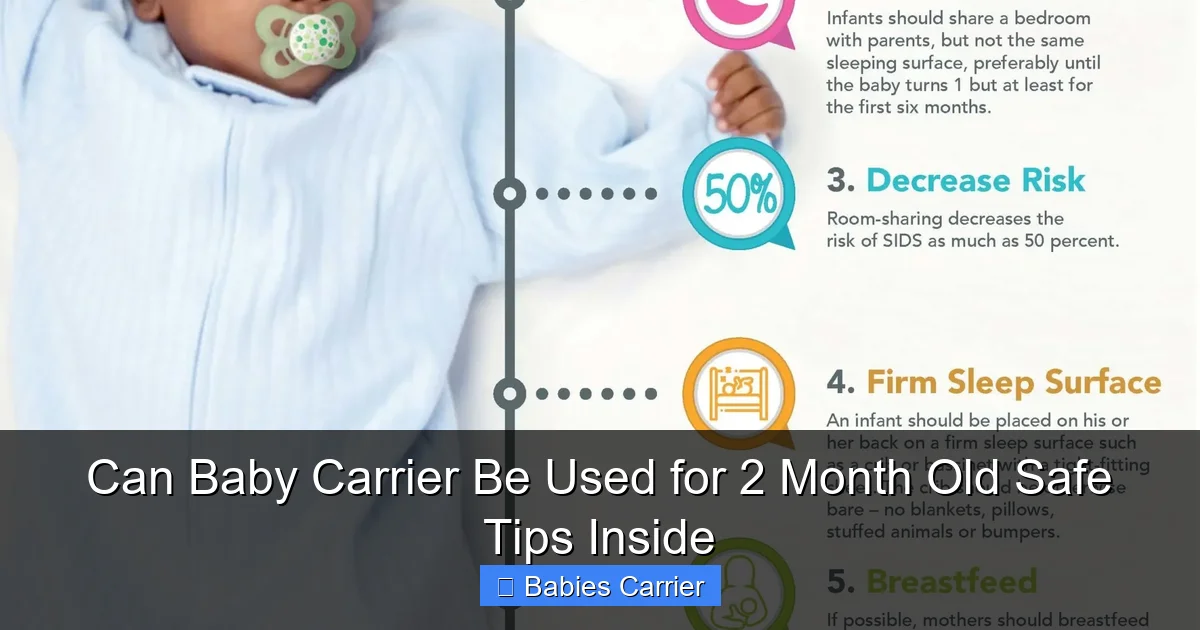
Visual guide about Can Baby Carrier Be Used for 2 Month Old Safe Tips Inside
Image source: i0.wp.com
Step 1: Types of Baby Carriers
When selecting a carrier for your 2-month-old, consider the following options:
1. Wraps
Wraps are long pieces of fabric that you can tie around your body and your baby. They are highly adjustable, providing excellent support for young infants.
2. Slings
Slings are simple fabric loops that can be worn over one shoulder. They allow for easy access to your baby but may not provide the best support for their head and neck.
3. Structured Carriers
These carriers come with built-in frames and buckles. Many are designed with newborns in mind, featuring additional head and neck support.
Step 2: Check for Safety Features
Before using any baby carrier, ensure it has the following safety features:
- Head and Neck Support: Look for a carrier that cradles your baby’s head and neck adequately.
- Wide Base: A wide seat helps your baby sit in a natural position, promoting healthy hip development.
- Adjustable Straps: Make sure the carrier has adjustable straps that allow a snug fit around your baby.
- Breathable Fabric: Choose carriers made from breathable materials to keep your baby comfortable.
Step 3: Proper Positioning
How you position your baby in the carrier is crucial for their comfort and safety. Follow these guidelines:
1. Ensure a “M” Position
Your baby’s legs should be in an “M” shape when in the carrier. Their knees should be higher than their hips, promoting healthy hip development.
2. Support the Head and Neck
Especially for a 2-month-old, ensure that their head and neck are supported. Use neck pillows or integrated support features in the carrier.
3. Check the Chin Position
Your baby’s chin should not be resting on their chest, as this can restrict airflow. Ensure there is enough space between their chin and chest.
Step 4: Getting Comfortable
Both you and your baby should be comfortable when using a carrier. Here are some tips:
- Adjust the Carrier: Before placing your baby inside, ensure the carrier is adjusted to fit snugly but comfortably on your body.
- Use Cushioned Straps: Opt for carriers with padded shoulder straps to reduce strain on your shoulders.
- Practice Walking: Take a few steps around the house with the carrier on before venturing outside. This helps you and your baby adjust.
Step 5: Monitor Baby’s Response
Keep an eye on your baby’s demeanor while using the carrier. Here’s what to check:
1. Signs of Discomfort
If your baby is fussy or crying, it may be a sign they aren’t comfortable. Adjust the carrier or take a break.
2. Regular Breaks
Even if your baby seems comfortable, it’s important to take regular breaks, especially if you plan to wear the carrier for an extended period.
Step 6: Troubleshooting Common Issues
Even with the best preparations, you may encounter challenges. Here are some common issues and how to address them:
1. Baby Fussy in Carrier
If your baby seems unhappy, check if the carrier is too tight or if they need a diaper change. Sometimes, a gentle rock can help soothe them.
2. Difficulty Adjusting Straps
If you’re having trouble adjusting the straps, refer to the manufacturer’s instructions. Practice makes perfect!
Conclusion
Using a baby carrier for your 2-month-old can be a safe and enjoyable experience if you take the right precautions. Always choose a carrier designed for infants, monitor your baby’s comfort, and practice proper positioning. With these tips, you can confidently carry your little one while keeping your hands free for other tasks. Embrace the bonding experience that a baby carrier offers; it can be a wonderful way to connect with your baby during these early months.
🎥 Related Video: How to wear a Newborn in a baby carrier properly | Babywearing Basics by Baby Tula
📺 Baby Tula
Getting the right fit with a tiny newborn can feel intimidating, especially with so many baby carriers to choose from. The Baby Tula …
