
In this guide, you’ll learn whether *baby carriers can be used from birth* for the comfort of your newborn. You’ll find helpful tips on choosing the right carrier, ensuring safety, and practical steps for usage. Embrace the convenience of babywearing while keeping your little one close and secure!
Key Takeaways
- Point 1: Not all baby carriers are suitable for newborns; ensure the carrier supports their head and neck properly.
- Point 2: Choose carriers with adjustable features to fit your baby’s growth and provide comfort.
- Point 3: Follow manufacturer guidelines regarding weight limits and usage age to ensure safety.
- Point 4: Consider ergonomic designs to support both your baby’s posture and your back while carrying.
- Point 5: Practice safe babywearing techniques to foster a secure and comfortable experience for both you and your baby.
- Point 6: Always monitor your baby’s position and comfort while in the carrier to prevent any potential issues.
- Point 7: Baby carriers can help strengthen the bond between you and your newborn while allowing hands-free movement.
Can Baby Carrier Be Used From Birth for Newborn Comfort
As a new parent, you might be wondering if a baby carrier can be used from birth. Baby carriers offer a convenient way to keep your newborn close while allowing you to move about freely. This guide will help you understand how to safely use a baby carrier from birth, what to look for in a carrier, and offer practical tips for a comfortable experience.
Understanding Baby Carriers
Baby carriers come in various styles, including wraps, slings, and structured carriers. Each type has its unique features and benefits. When it comes to using them from birth, it’s essential to choose the right type that offers proper support for your newborn.
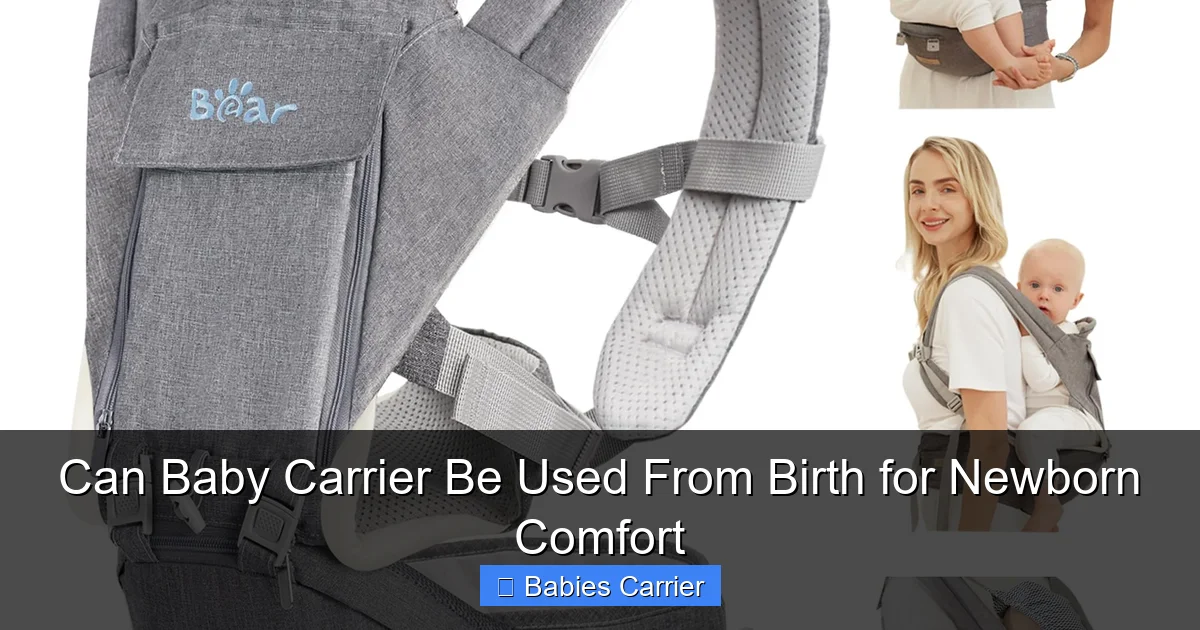
Visual guide about Can Baby Carrier Be Used From Birth for Newborn Comfort
Image source: images-na.ssl-images-amazon.com
Types of Baby Carriers
- Wraps: These are long pieces of fabric that you can wrap around your body to create a secure hold for your baby. They can be adjusted to fit your baby snugly from birth.
- Slings: Slings are similar to wraps but typically have a ring or buckle to secure the fabric. They can be used from birth but require careful positioning.
- Structured Carriers: These carriers often have padding and structure, making them easy to use. Look for those specifically designed for newborns.
Choosing the Right Carrier for Newborns
When selecting a baby carrier for your newborn, consider the following factors:
Safety Features
Ensure the carrier supports your baby’s head and neck. Look for options with a wide seat that keeps their legs in a natural position.
Weight and Age Guidelines
Always check the manufacturer’s guidelines regarding weight limits. Some carriers are designed for babies from 7 pounds, while others may require a minimum weight of 8-10 pounds.
Adjustability
Choose a carrier that can be adjusted as your baby grows. This ensures a snug fit, which is crucial for their safety and comfort.
How to Use a Baby Carrier from Birth
Once you’ve chosen the right carrier, follow these steps to use it safely and effectively:
Step 1: Prepare the Carrier
Before placing your baby in the carrier, read the instruction manual thoroughly. Adjust the straps to fit your body properly.
Step 2: Position Your Baby
Gently place your newborn in the carrier. Ensure their head is supported and their back is straight. Here’s how:
- For wraps, create a pocket for your baby, ensuring their legs are in an ‘M’ position.
- For slings, position your baby so their head is above the edge of the sling.
- For structured carriers, place your baby in the seat and buckle them securely.
Step 3: Secure the Carrier
Make sure all buckles and straps are tightly secured but not too tight. You should be able to fit two fingers between the carrier and your baby.
Step 4: Check Your Baby’s Position
After securing your baby, double-check their position. Their chin should not be pressed to their chest, and their airways should be clear.
Practical Tips for Babywearing
Here are some tips to enhance your babywearing experience:
Comfort for You and Baby
Make sure you’re comfortable too. Adjust the straps to distribute the weight evenly across your shoulders and back.
Choose the Right Time
Babywearing is great for short outings or when you need your hands free. Avoid using the carrier for long periods initially, especially as your baby adjusts to it.
Keep an Eye on Temperature
Monitor your baby’s temperature, especially in warmer weather. Dress them lightly, and always ensure they are not overheating.
Troubleshooting Common Issues
If you encounter issues when using a baby carrier, here are some common problems and solutions:
Baby Isn’t Comfortable
If your baby seems fussy or uncomfortable, check their position. They may need to be adjusted or repositioned.
Carrier Feels Uncomfortable
If the carrier is causing you discomfort, readjust the straps. Ensure the weight is balanced and that you’re using the carrier correctly.
Baby Is Too Hot
If your baby feels hot, take them out of the carrier and let them cool down. Consider using a lighter fabric or waiting until it’s cooler to wear them.
Conclusion
Using a baby carrier from birth can significantly enhance your bond with your newborn while allowing for mobility in your daily life. Always prioritize safety by choosing the right type of carrier, following guidelines, and ensuring your baby is positioned correctly. With the right knowledge and practice, babywearing can be a rewarding experience for both you and your little one!
🎥 Related Video: Honest review of the baby carriers I have had as a mom of 6 of BIG babies 👶
📺 Chrissy Horton
I’m a mom of 6 who gives honest reviews on the baby items I use! Today, I am giving my honest review of each baby carrier I have …
