
Are you concerned that using a baby carrier might cause bow legs in your child? This guide clarifies the myths and facts surrounding baby carriers and their potential impact on leg development, ensuring you have the right information for safe babywearing.
Key Takeaways
- Understanding Bow Legs: Bow legs, or genu varum, are common in infants and usually correct themselves as they grow.
- Myth vs. Fact: Baby carriers do not cause bow legs; the position in which babies are carried is crucial.
- Importance of Proper Positioning: Using carriers that support the baby’s hips and legs properly can aid in healthy development.
- Age Matters: Baby carriers are safe for use from infancy, but the type of carrier should match your baby’s age and development stage.
- Consult Professionals: Always consult pediatricians if you have concerns about your baby’s leg development.
- Choosing the Right Carrier: Look for ergonomic designs that promote healthy hip positioning.
- Monitor Development: Regularly observe your baby’s leg positioning and consult a specialist if you notice any abnormalities.
Do Baby Carriers Cause Bow Legs? Myths and Facts Explained
As new parents, the choices you make about caring for your baby can be overwhelming. One of the most common concerns is whether using a baby carrier can lead to bow legs. This guide will explore the facts and myths surrounding this topic, helping you make informed decisions about babywearing.
What Are Bow Legs?
Bow legs, medically known as genu varum, is a condition where a child’s knees remain wide apart while their feet are together. This condition is often seen in infants and toddlers, primarily due to their natural posture and development stages. In most cases, bow legs are a normal part of growth and tend to correct themselves as children start walking and developing muscle strength.
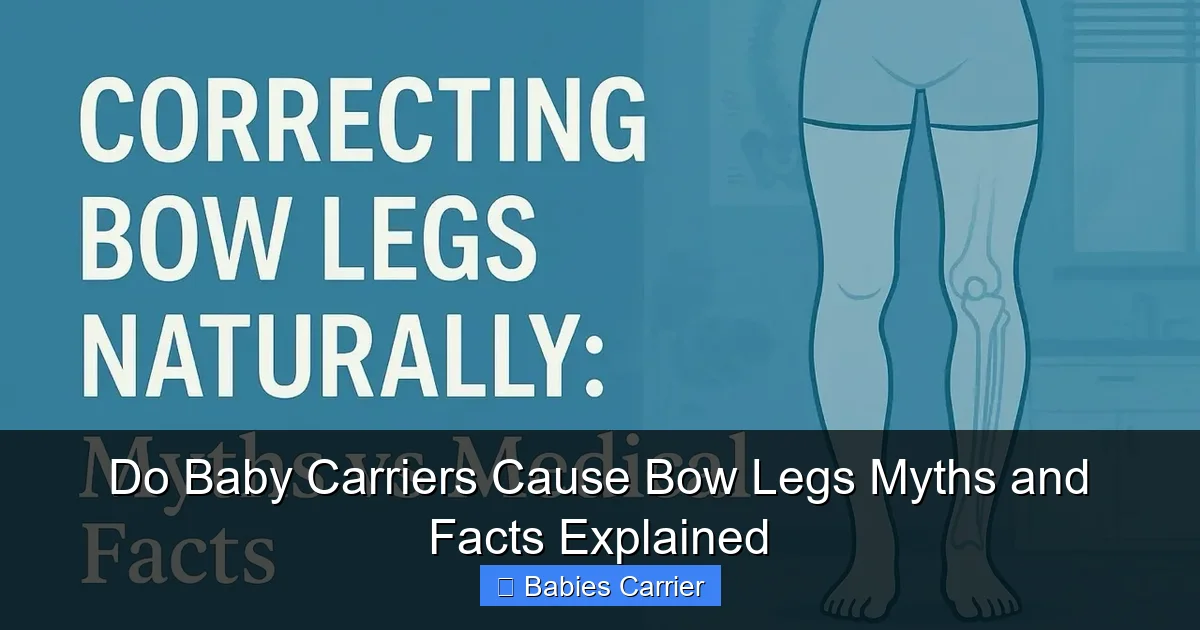
Visual guide about Do Baby Carriers Cause Bow Legs Myths and Facts Explained
Image source: deformity.co.in
Understanding the Myths
Many myths circulate about baby carriers and their effects on leg development. Let’s dive into some of the most common misconceptions.
Myth 1: Baby Carriers Directly Cause Bow Legs
This is one of the most pervasive myths. Baby carriers, when used correctly, do not cause bow legs. The position of the legs in the carrier is essential; improper support could potentially contribute to leg issues, but this is more about the carrier’s design than the act of babywearing itself.
Myth 2: All Carriers Are Unsafe
Not all baby carriers are created equal. Some carriers are ergonomically designed to support a baby’s hips and legs, while others may not. It is crucial to choose a carrier that promotes healthy positioning.
Myth 3: Bow Legs are Permanent
Many parents worry that bow legs will be a lifelong issue. However, most children outgrow bow legs as they develop and strengthen their legs through walking and physical activity.
Facts About Baby Carriers and Leg Development
Now that we’ve debunked some myths, let’s look at the facts regarding baby carriers and their impact on a baby’s leg development.
Fact 1: The Right Carrier Matters
Choosing an ergonomic baby carrier is crucial. Look for designs that allow the baby’s legs to be in an “M” position, where the knees are higher than the bottom, which supports healthy hip development.
Fact 2: Babywearing Can Be Beneficial
When used correctly, baby carriers can promote bonding and make it easier for parents to go about their daily activities. They also provide a sense of security for babies, which can positively impact their overall development.
Fact 3: Consult Experts
If you have concerns about your baby’s leg development, it’s always best to consult with a pediatrician or a specialist. They can provide guidance tailored to your child’s specific needs.
Choosing the Right Baby Carrier
When selecting a baby carrier, consider the following:
1. Type of Carrier
There are various types of baby carriers, such as wraps, slings, and structured carriers. Each has its advantages, so choose one that fits your lifestyle and comfort needs.
2. Ergonomic Design
Ensure the carrier supports the baby’s hips and legs properly. Look for features like padded leg openings and adjustable settings to accommodate your growing child.
3. Age Appropriateness
Different carriers are suitable for different age groups. For newborns, consider wraps or slings that provide close contact. For older infants, structured carriers that support sitting up may be more appropriate.
4. Comfort for You
The carrier should be comfortable for you as well. Look for adjustable straps and supportive designs to reduce strain on your back and shoulders.
Practical Tips for Safe Babywearing
Here are some practical tips to ensure safe and beneficial babywearing:
1. Regular Check-Ins
Regularly check your baby’s position in the carrier. Ensure their legs are supported and not hanging loosely.
2. Limit Time in Carriers
While babywearing is beneficial, it’s essential to balance it with tummy time and other positions to promote overall physical development.
3. Monitor Development
Keep an eye on your baby’s leg positioning as they grow. If you notice any concerns, consult a pediatrician.
Troubleshooting Common Concerns
If you’re facing issues with your baby carrier or have concerns about your baby’s leg development, consider these troubleshooting tips:
1. Discomfort in the Carrier
If your baby seems uncomfortable in the carrier, reassess the fit and ensure their legs are well-supported. Adjust the straps and seating position as needed.
2. Signs of Developmental Issues
If you notice excessive bowing of the legs or any other unusual leg positioning, consult a healthcare professional for guidance.
Conclusion
In summary, the myth that baby carriers cause bow legs is unfounded. With proper usage and the right choice of carrier, babywearing can be a safe and enjoyable experience for both you and your baby. Always prioritize ergonomic designs, monitor your baby’s development, and consult with professionals if you have any concerns. Happy babywearing!
🎥 Related Video: How to Induce Labor (Part 1)
📺 What To Expect
Ready to get labor going? Walking ay help bring it on. #inducelabor #laboranddelivery WHAT TO EXPECT APP USERS: Learn …
