
In this guide, you’ll learn whether baby carriers come in sizes and how to choose the right one for your family. Understanding sizing can enhance your baby-wearing experience and ensure comfort for both you and your little one. Let’s dive into the world of baby carriers!
Key Takeaways
- Point 1: Not all baby carriers have specific sizes; some are adjustable to fit various body types.
- Point 2: Choosing the right carrier size is essential for your comfort and your baby’s safety.
- Point 3: Consider the age and weight of your baby when selecting a carrier.
- Point 4: Test the carrier with your baby before making a final decision.
- Point 5: Look for features like padded straps and lumbar support for better comfort.
- Point 6: Check reviews and ratings to find a carrier that suits your lifestyle.
- Point 7: Don’t forget to consider the weather and your daily activities when choosing a carrier type.
Do Baby Carriers Have Sizes and Which One Is Right for You
Choosing a baby carrier is an exciting part of parenthood! However, many new parents wonder, Do baby carriers have sizes? This guide will walk you through understanding the sizing of baby carriers and how to select the perfect one for you and your little one. By the end, you’ll be equipped with the knowledge to make an informed choice.
Understanding Baby Carrier Sizes
First things first: baby carriers can vary widely in terms of size. Some carriers are designed to be adjustable, while others come in specific sizes. Here’s a closer look:
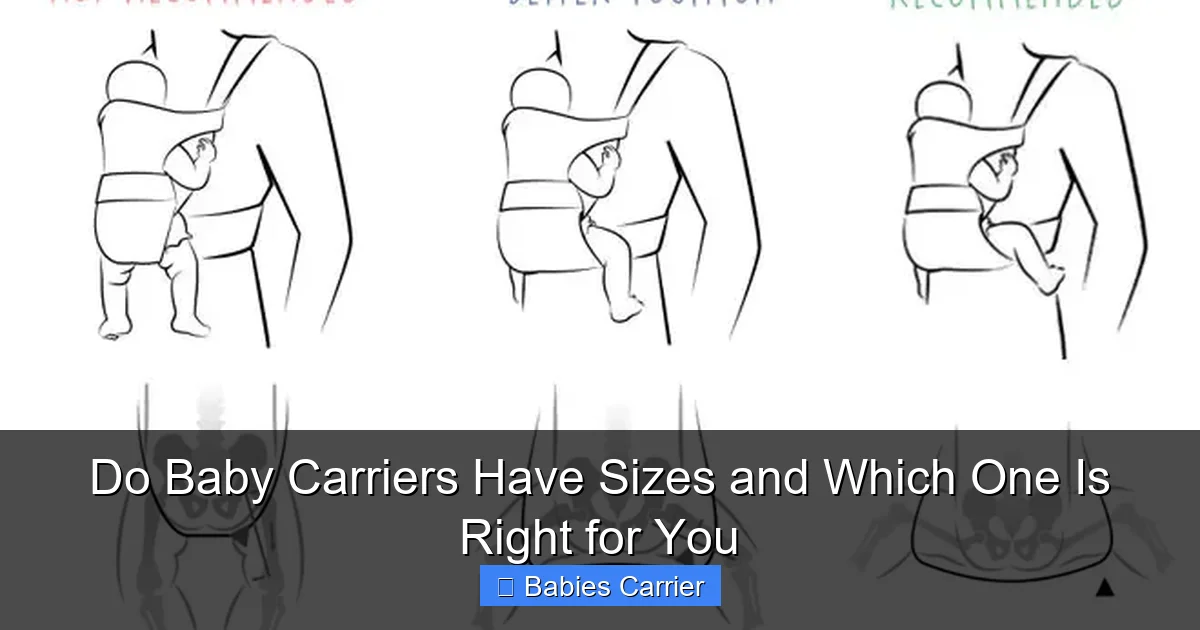
Visual guide about Do Baby Carriers Have Sizes and Which One Is Right for You
Image source: mumsgrapevine.com.au
Adjustable Carriers
Many modern baby carriers are adjustable. This means they can fit a range of body sizes and shapes. These carriers usually have adjustable straps and waistbands, allowing you to find a snug fit for both you and your baby.
Size-Specific Carriers
Some carriers are size-specific and come in small, medium, large, or even extra-large options. These carriers may be more tailored to fit specific body types for optimal comfort and support.
Factors to Consider When Choosing a Carrier
Now that we know that sizing can vary, let’s discuss what factors you need to consider when selecting a baby carrier:
1. Baby’s Age and Weight
Your baby’s age and weight are crucial in determining the right carrier. Different carriers are designed for different weight limits. For instance, newborns may require a specific type of carrier that offers more head and neck support.
2. Your Body Type
Your body type will also influence the size of the carrier you choose. If you’re petite, a smaller carrier may work best. If you have a larger frame, look for adjustable options or those designed for bigger sizes.
3. Activity Level
Trying Out Baby Carriers
Once you have a few options in mind, it’s time to try them out!
1. Visit a Store
If possible, visit a store specializing in baby gear. Trying on different carriers can help you understand what feels most comfortable. Bring your baby along to test how the carrier works with them.
2. Check for Adjustability
When trying on a carrier, check for adjustability. Make sure it can be easily tightened or loosened to fit your body. A good carrier should feel secure without being too tight.
3. Test the Fit
Once the carrier is on, walk around a bit. Bend, twist, and move your arms. The carrier should feel stable and not shift or slide around.
Practical Tips for Choosing the Right Carrier
Here are some practical tips to help you choose the right baby carrier:
- Read Reviews: Check online reviews and ratings to see what other parents have to say about the carriers you’re considering.
- Look for Comfort Features: Seek out padded straps and lumbar support to make wearing the carrier more comfortable for long periods.
- Consider Weather: If you live in a hot climate, look for breathable materials. For colder weather, consider a carrier that allows for layering.
- Test Different Carrying Positions: Some carriers allow you to carry your baby on your front, back, or hip. Try them all to see what feels best.
Troubleshooting Common Issues
Sometimes, even after choosing a carrier, you might face issues. Here are some common problems and how to troubleshoot them:
1. Discomfort for You or the Baby
If the carrier feels uncomfortable, double-check the adjustments. Ensure that the weight is distributed evenly and that the carrier is not too tight or loose.
2. Baby’s Position
Always make sure your baby is in an ergonomic position. Their knees should be higher than their bottom, and their back should be supported. If the baby seems uncomfortable, readjust their position.
3. Difficulty Putting on the Carrier
If you struggle to put on the carrier, practice in front of a mirror or watch instructional videos online. Many brands offer helpful tutorials.
Conclusion
In summary, yes, baby carriers do have sizes, but many are adjustable to fit a variety of body types. Choosing the right carrier is vital for both your comfort and your baby’s safety. By considering factors like your baby’s age, your body type, and how you intend to use the carrier, you can find the perfect fit. Don’t forget to try before you buy and read reviews to ensure you’re making a decision that works for your family. Happy baby-wearing!
🎥 Related Video: The do’s and don’ts of baby carriers 🚼 #shorts #babycarrier #momtip #chiro #baby #chiropractor
📺 Momma’s Chiro
