
How long baby bottles last depends on material, use, and care. This guide shows simple steps to clean, inspect, and store bottles, plus when to replace parts to keep baby safe.
Key Takeaways
- Point 1: Bottles last different times by material—plastic, glass, silicone, and stainless need different care.
- Point 2: Regular inspections catch cracks, clouding, and damage early. Toss damaged bottles right away.
- Point 3: Clean and sterilize correctly. Newborns need more frequent sterilizing than older babies.
- Point 4: Replace nipples and valves often. Worn parts can leak or harbor bacteria.
- Point 5: Proper storage extends life. Keep bottles dry, disassembled, and away from direct heat.
- Point 6: Follow manufacturer guidance. It is the best source for safe use and exact replacement times.
Introduction
This guide explains how long baby bottles last and how to care for them. You will learn how to check bottles. You will learn cleaning and sterilizing steps. You will learn when to replace parts. The tips are simple. They keep bottles safe. They also save money.
Step 1: Know the Types and Materials
First, know the bottle type. The material changes how long baby bottles last. Each type needs unique care.
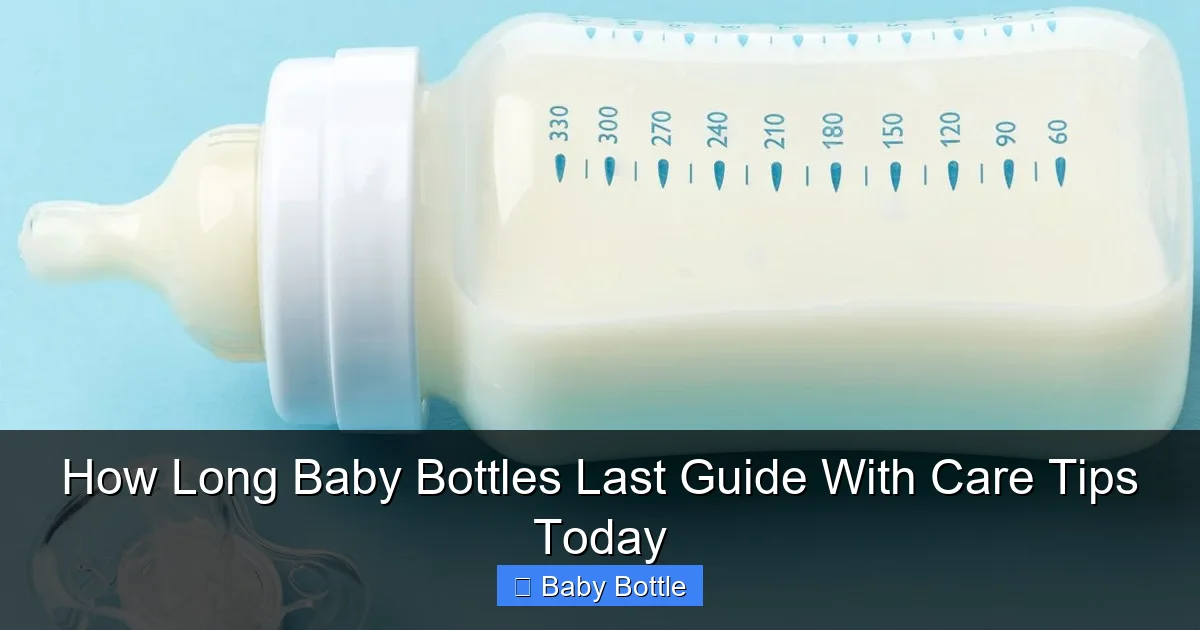
Visual guide about How Long Baby Bottles Last Guide With Care Tips Today
Image source: breastfeeding-mom.com
Plastic Bottles
Plastic bottles are light and cheap. They are common. They are easy to carry. But plastic can scratch and cloud. Scratches trap food and bacteria. Sun and heat can weaken plastic. As a rule, expect plastic bottles to last about 6 to 12 months with regular use. Still, check them often.
Glass Bottles
Glass bottles are heavy and durable. They do not cloud. Glass lasts longer than plastic. A glass bottle can last for years if it is not chipped or cracked. But glass can break on impact. So watch for chips or hairline cracks. If you ask how long baby bottles last, glass often lasts the longest among common types.
Silicone Bottles
Silicone is soft and flexible. It resists heat and stains well. Silicone bottles can last 1 to 2 years. They can also show wear near the rim. Follow the maker’s instructions. Replace parts as needed.
Stainless Steel Bottles
Stainless steel is tough. It does not shatter. It resists odor and stains. Stainless steel can last many years if you care for it. But check seals, lids, and valves. Replace rubber parts when they wear out.
Step 2: Inspect Bottles Regularly
Regular checks tell you how long baby bottles last in your home. Do simple inspections. Do them often.
Visual guide about How Long Baby Bottles Last Guide With Care Tips Today
Image source: todaysparent.com
When to Inspect
- Inspect after each wash.
- Do a deep look weekly.
- Check parts right before use.
What to Look For
Look for cracks, clouding, and scratches. Check nipples for tears and thinning. Look at rings and caps for warps and mold. If you see any damage, stop using the bottle. Toss or recycle it. This step helps you know how long baby bottles last in real life.
Simple Tests
Fill the bottle with water. Hold it to the light. Turn it. Look for hairline cracks. Smell the nipple. If it has a sour smell, it may hide bacteria. Replace it. These tests are fast and easy.
Step 3: Clean and Sterilize Properly
Cleaning and sterilizing are key to extending life. They also keep baby healthy. Clean every bottle after use. Sterilize often for newborns.
Visual guide about How Long Baby Bottles Last Guide With Care Tips Today
Image source: cdn.findyourmomtribe.com
Daily Cleaning
- Rinse milk residue right away.
- Use warm soapy water and a bottle brush.
- Clean all nooks, nipples, and valves.
- Rinse well to remove soap.
Sterilizing Methods
Sterilize by boiling bottles for 5 minutes. Use an electric steam sterilizer or microwave sterilizer. Many dishwashers on the top rack are safe for glass or high-grade plastic. Follow your bottle maker’s rules. For many parents, sterilizing after each use is best for the first 6 months. After that, you can sterilize less often, but keep bottles clean.
How Often to Sterilize
Newborns and preemies need more care. Sterilize after each use for the first few months. For older babies, daily hot soapy cleaning is often fine. If your baby is ill, return to daily sterilizing. Proper cleaning also helps you know how long baby bottles last by preventing damage and staining.
Step 4: Store Bottles Correctly
Good storage prevents damage. It also keeps bottles ready to use. Proper storage increases how long baby bottles last.
Tips for Dry Storage
- Dry bottles fully before storing.
- Store disassembled—nipple, ring, cap apart.
- Keep lids on to avoid dust.
- Store in a clean cabinet away from direct heat.
Storing Filled Bottles
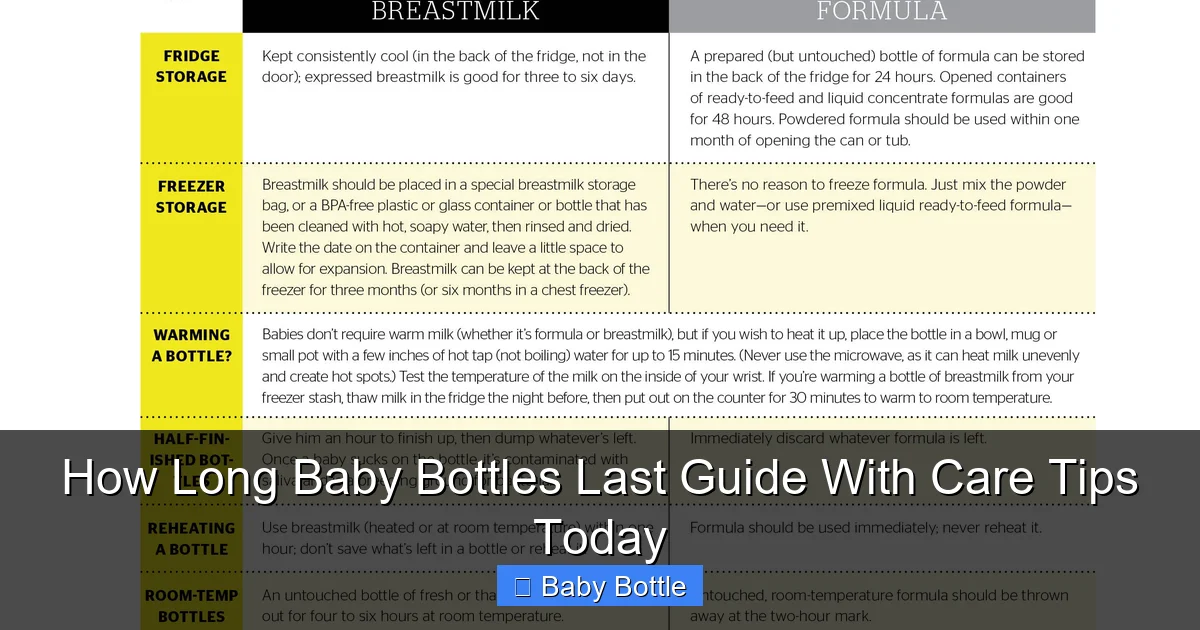
Do not leave milk in a bottle at room temp for more than 2 hours. Refrigerate milk right away. Use bottles within 24 hours if refrigerated. For travel, use coolers with ice packs. Never store used milk for later more than recommended. This affects both safety and how long baby bottles last for feeding use.
Step 5: Replace Parts and Set a Schedule
Replacing parts keeps bottles safe. It also extends the life of the main bottle. Set a simple schedule to swap parts.
Nipple Replacement
Replace nipples every 2 to 3 months or sooner if you see wear. A thin nipple or one with cracks is unsafe. Also replace nipples if your baby bites them or chews them. Worn nipples can change flow and hide bacteria.
Valves, Rings, and Seals
Replace valves and seals when they show wear or start to leak. Check these parts monthly. Many valves fail before the bottle does. Keeping these parts fresh helps answer how long baby bottles last. It can make the bottle usable longer.
Full Bottle Replacement
Toss the whole bottle if the shell is cracked, warped, or persistent cloudy. If the bottle has a strange smell after cleaning, it may be time to replace it. When you ask how long baby bottles last, know that good care can stretch life, but damaged bottles must go.
Step 6: Special Cases and Travel
Travel and special use can shorten life. Use cases and bags protect bottles. Follow extra steps for travel care.
Travel Tips
- Use a padded bottle bag to prevent breakage.
- Bring spare nipples and seals in a zip bag.
- Keep used bottles in sealed bags until you can clean them.
Using Bottle Warmers
Bottle warmers are handy. They can heat bottles evenly. Follow the maker’s guide. Heat can weaken some plastics over time. This changes how long baby bottles last. For heat-sensitive bottles, avoid repeated strong heat cycles.
How Long Baby Bottles Last: A Quick Lifespan Chart
Below are rough life spans. Use them as a guide. Actual life depends on use and care.
- Plastic bottles: 6–12 months with daily use. Replace sooner if scratched or cloudy.
- Glass bottles: Several years if not chipped or cracked.
- Silicone bottles: 1–2 years with regular use.
- Stainless steel: Many years; replace rubber parts as needed.
- Nipples (all types): Replace every 2–3 months or when they show wear.
These ranges help you plan. They also show how long baby bottles last under normal use.
Safety Signs: When to Toss a Bottle
Do not gamble with damage. Toss bottles if you see worry signs. These signs mean the bottle may not be safe.
Clear Toss Signs
- Cracks, chips, or deep scratches.
- Persistent clouding that won’t clean.
- Strong or sour odor after cleaning.
- Warped or misshapen parts that leak.
- Discoloration from boiled milk that won’t go away.
If any of these signs appear, stop using the bottle. Replace it. This is the best way to protect your baby and also to know how long baby bottles last in safe use.
Troubleshooting Common Issues
Problems happen. Here are quick fixes and warnings. These help extend bottle life and safety.
Clouding or Stains
Clouding on plastic can come from minerals or heat. Try a soak in white vinegar and water. Rinse well. If clouding stays, replace the bottle. Stains that do not come out may hide bacteria.
Bad Odors
Soak nipples in warm soapy water and rinse. Use baking soda and water for a deeper clean. If odor persists, replace the nipple. Persistent odors can mean trapped bacteria.
Leaks and Poor Seal
Disassemble and clean all threads and seals. Check O-rings and replace if worn. If the bottle still leaks, try a new ring or cap. If that fails, replace the bottle.
Slow or Fast Flow
Use the correct nipple flow for your baby. Replace a stretched or chewed nipple. Test flow with water at feeding time. A faulty flow can frustrate baby and increase feeding time.
Maintenance Tips to Extend Bottle Life
Follow these tips to get the most out of each bottle. These tips keep bottles safe and useful for longer.
- Wash right after use to avoid dried milk residue.
- Use soft brushes to avoid scratching the bottle.
- Avoid boiling plastic if the maker warns against it.
- Rotate bottles so none are used too often. This evens wear.
- Store dry and loose to prevent trapped moisture.
- Follow manufacturer timelines and safety notes.
Practical Examples
Example 1: A family with two babies. They rotate six bottles. Each bottle is used every other day. With proper cleaning and parts replacement, their plastic bottles last about 9 months. Nipples get replaced every 8 weeks.
Example 2: A single baby family using glass bottles. They clean after every use and sterilize daily for the first 3 months. The glass bottles show no damage after a year. They will likely last several years unless dropped.
These examples show how usage patterns change how long baby bottles last.
Conclusion
Knowing how long baby bottles last keeps your baby safe. Material type, cleaning, and storage all matter. Inspect parts often. Replace nipples and seals on a schedule. Sterilize when needed. Store bottles dry and away from heat. These steps extend bottle life. They also keep feedings safer and easier. Follow maker guidance. When in doubt, replace the bottle or part. Your baby’s safety is worth the cost.
🎥 Related Video: How to bottle feed?
📺 Dr Pankhuri Multani
What is pace feeding and why should we try it?! Baby is fed in a way that allows a slower …
