
How long baby bottles stay sterile depends on the sterilizing method, how they are stored, and your home conditions. Use simple steps below to sterilize, store, and check bottles so feeds stay safe and stress stays low.
Key Takeaways
- Point 1: The time that how long baby bottles stay sterile varies by method — boiled, steam, or chemical sterilizers give different safe windows.
- Point 2: Clean hands and dry, sealed storage extend how long baby bottles stay sterile after sterilizing.
- Point 3: Room temperature storage generally keeps bottles sterile for 24 hours; sealed cool storage can extend how long baby bottles stay sterile to 48 hours or more.
- Point 4: If a bottle touches a non-sterile surface, you must re-sterilize — do not rely on how long baby bottles stay sterile in that case.
- Point 5: Follow manufacturer guidance and simple tests to judge how long baby bottles stay sterile before feeding.
Introduction
You will learn clear, practical steps on how long baby bottles stay sterile and how to keep bottles safe between uses. This guide explains sterilizing methods, storage tips, and when to re-sterilize. You will get simple rules you can use at home. The language is short and easy. Follow the steps and feel confident at feed time.
Why sterilize bottles?
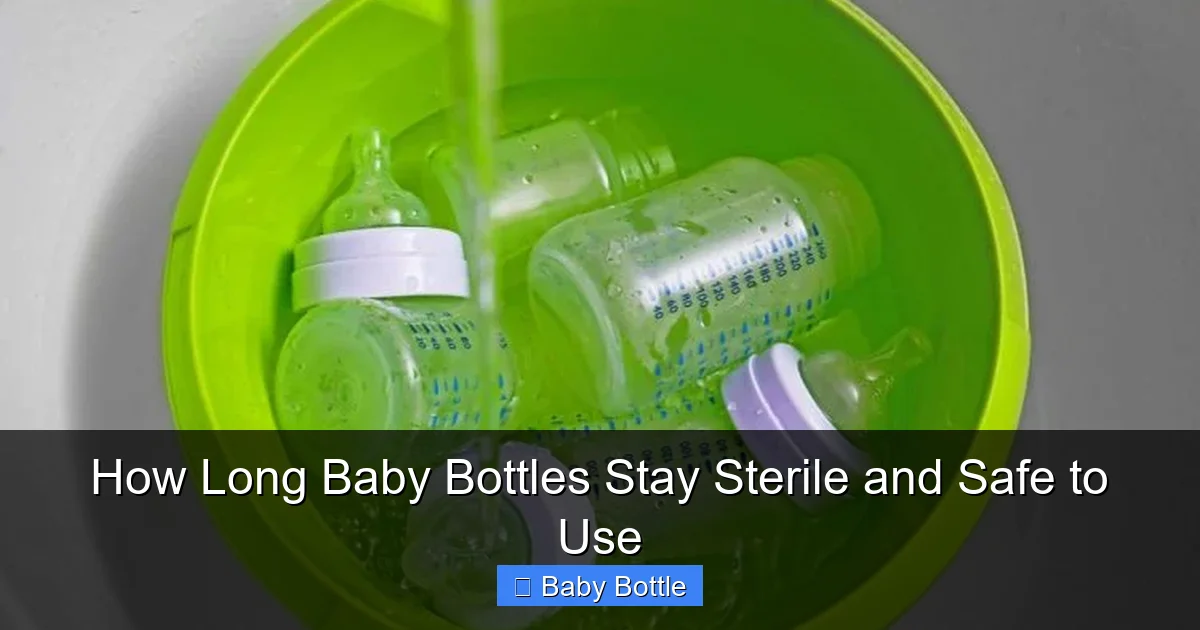
Sterilizing kills germs. Babies have small immune systems. A few bacteria can cause illness. Sterilizing reduces that risk. Knowing how long baby bottles stay sterile helps you plan feeds and keep bottles ready. It also saves time and worry.
Visual guide about How Long Baby Bottles Stay Sterile and Safe to Use
Image source: simplerandsmarter.com.au
Overview: Common sterilizing methods
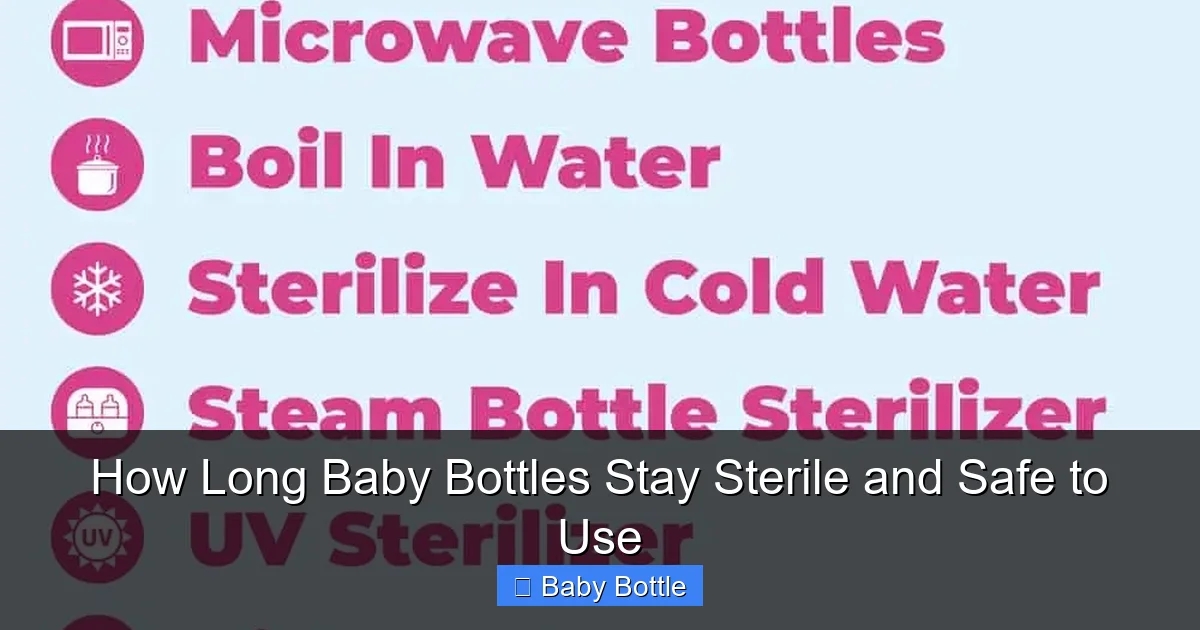
Each method affects how long baby bottles stay sterile. Below are the main ways parents sterilize bottles.
Visual guide about How Long Baby Bottles Stay Sterile and Safe to Use
Image source: momlovesbest.com
Boiling
Boil bottles and parts in water for 5 minutes. This is simple and chemical-free. Bottles sterilized this way are safe if handled well. How long they stay sterile depends on storage.
Steam sterilizers
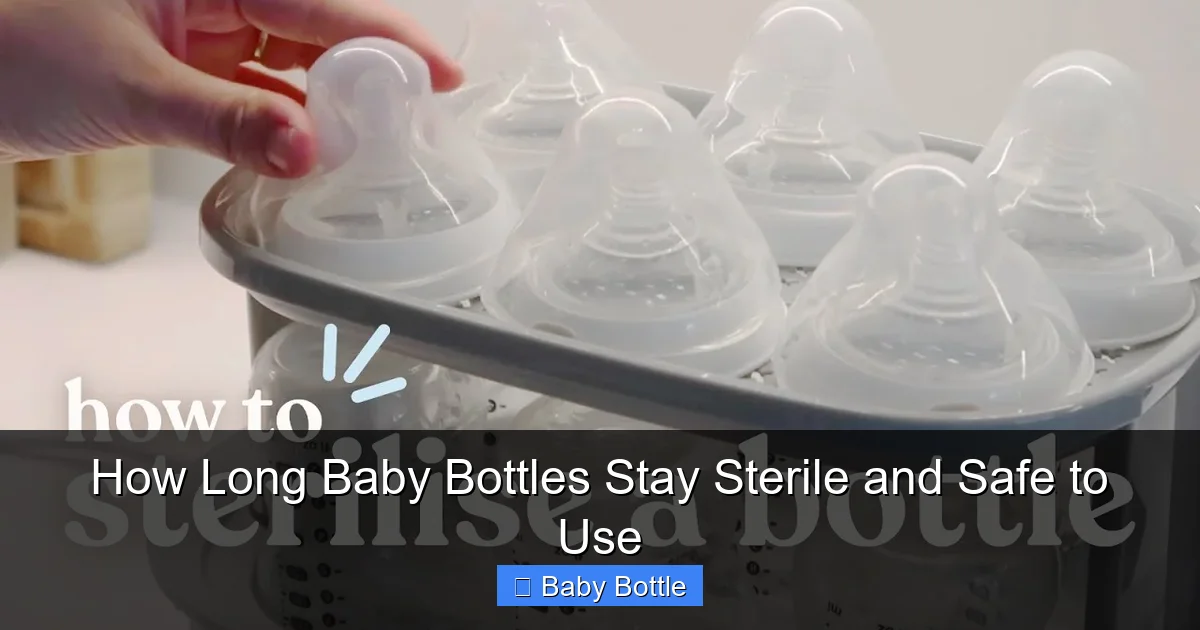
Electric steam or microwave steam bags use hot steam to kill germs. They are fast and effective. Steam sterilizing often leaves items sterile for many hours if stored properly.
Chemical sterilizing (cold water)
Use sterilizing solutions or tablets in cool water. Items soak for the recommended time. Chemical methods are handy while traveling. They affect how long baby bottles stay sterile based on the soaking time and storage technique.
UV sterilizers
UV sanitizers use light to destroy microbes. They are quick and dry the parts. UV can extend how long baby bottles stay sterile if the device and storage are clean.
Step-by-step: How to sterilize bottles
Follow these steps. Each step is short. Be careful and tidy.
Visual guide about How Long Baby Bottles Stay Sterile and Safe to Use
Image source: i.ytimg.com
Step 1: Wash hands and clear your area
Wash your hands with soap for 20 seconds. Dry with a clean towel. Clear a clean surface for parts. This affects how long baby bottles stay sterile after you finish.
Step 2: Clean each part
Wash bottles, nipples, rings, and caps with warm soapy water. Use a bottle brush for inside. Rinse well. Cleaning removes milk and reduces germs before sterilizing. Clean parts prolong how long baby bottles stay sterile.
Step 3: Choose a sterilizing method
Pick boiling, steam, chemical, or UV. Follow device directions. For boiling, fully submerge parts and boil for 5 minutes. For steam, run the full cycle. For chemicals, follow the soak time. The method you pick sets the baseline for how long baby bottles stay sterile.
Step 4: Dry and store
Either use a clean surface to air dry or place parts in a sealed, sterile container while still warm. If drying, use a clean paper towel or air dry on a rack. Proper storage extends how long baby bottles stay sterile.
How long bottles stay sterile: practical windows
Here are simple rules you can use. These windows are common-sense guides. Local conditions or product instructions may change them. Remember, small changes in handling change how long baby bottles stay sterile.
- Immediate use (best): Use bottles right after sterilizing. This is the safest option and shows how long baby bottles stay sterile at that instant.
- Up to 24 hours: Bottles kept in a closed, sterile container at room temperature often stay sterile up to 24 hours.
- 24 to 48 hours: If stored sealed in the fridge or a very clean, dry container, bottles can stay sterile up to 48 hours in many cases.
- Over 48 hours: Many manufacturers recommend re-sterilizing if bottles are unused for more than 48 hours. This cautious approach protects babies and clarifies how long baby bottles stay sterile.
These are general guides. The exact answer to how long baby bottles stay sterile depends on your sterilizing method and how careful you are with storage and handling.
Best practices for storing sterile bottles
Good storage keeps bottles sterile longer. Use these steps:
1. Use a clean, sealed container
Place bottles in a clean, airtight box or sterilizer tray. Avoid open air. Sealed storage helps determine how long baby bottles stay sterile.
2. Keep them dry
Moisture supports bacteria. Dry bottles fully before sealing. Dry parts are part of how long baby bottles stay sterile.
3. Store in a cool, clean spot
Avoid warm or dusty spaces. Do not store near trash or cleaning chemicals. Clean spots help extend how long baby bottles stay sterile.
4. Label with date and time
Write when you sterilized them. This makes it easy to track how long baby bottles stay sterile and decide when to re-sterilize.
What to do before each feed
Quick checks keep feeding safe. Follow this short routine.
Visual check
Look for dust, dirt, or water inside. If you see anything, clean and re-sterilize. Do not assume how long baby bottles stay sterile if contaminated.
Touch check
Handle with clean hands. If a nipple touches a non-sterile surface, re-sterilize. This rule helps when tracking how long baby bottles stay sterile.
Smell check
If there is a sour or off smell, clean and sterilize again. Smell can signal bacterial growth and shorten how long baby bottles stay sterile.
How to re-sterilize quickly
Sometimes you must re-sterilize. Here are fast options.
Quick steam in microwave
Use a microwave steam bag or a microwave-safe sterilizer. This takes 2–5 minutes. Quick steam helps restore how long baby bottles stay sterile before the next feed.
Boil briefly
Boil all parts for 5 minutes. This is reliable and chemical-free. Boiling resets how long baby bottles stay sterile.
Chemical soak
Use a sterilizing tablet in cool water. Soak for the time the product says. This is handy on the go when you must reset how long baby bottles stay sterile.
Special situations: travel and daycare
Travel and childcare add complexity. Follow these tips to preserve sterility and know how long baby bottles stay sterile.
Travel tips
- Carry a small, sealed sterile container or single-use sterile bags.
- Use pre-sterilized disposable bottles or nipples if handy.
- Carry sterilizing tablets or a microwave steam bag for quick re-sterilizing.
Daycare tips
- Share your storage rules with staff.
- Label bottles with sterilize time so caregivers know how long baby bottles stay sterile.
- Ask the daycare about their sterilizing methods and schedule.
How to test if a bottle is sterile
You cannot see all germs. But you can use common checks and safe habits to judge sterility.
Simple checks
- Visual: No dust or film inside.
- Smell: No odd or sour odor.
- Touch: Parts feel dry and were handled with clean hands.
When in doubt, re-sterilize
If you are unsure, re-sterilize. This rule is safe. It also answers the question of how long baby bottles stay sterile — uncertainty means reset the clock.
Common mistakes that shorten sterility
These actions make bottles lose sterility faster. Avoid them.
- Touching nipples or bottle openings after sterilizing.
- Storing in an open or dusty place.
- Leaving wet bottles in a sealed container (trap moisture).
- Mixing sterile and non-sterile items in the same box.
Each mistake affects how long baby bottles stay sterile. Fix these for longer safe windows.
Troubleshooting: quick fixes
Short, clear solutions to common problems.
Problem: Bottles develop a smell
Solution: Clean with hot, soapy water. Rinse and boil for 5 minutes or use a steam cycle. Dry and reseal. This cleans and resets how long baby bottles stay sterile.
Problem: Dust in a sealed box
Solution: Empty the box. Wash and re-sterilize all parts. Check seals. Replace the storage container if it is damaged. This restores how long baby bottles stay sterile.
Problem: You forgot when you sterilized
Solution: Re-sterilize. Label next time. This keeps feeds safe and clarifies how long baby bottles stay sterile going forward.
Safety checklist before feeding
- Hands washed and dry.
- Bottle visually clean and dry.
- Nipple and ring intact (no cracks).
- Storage date within the recommended window for how long baby bottles stay sterile.
- Warm the feed safely and test temperature.
Practical timelines and examples
These examples show how parents often use the rules about how long baby bottles stay sterile.
Example 1: Busy parent at home
Morning: Sterilize all bottles. Store in sealed box. Use bottles within 24 hours. If another feed is needed after 48 hours, re-sterilize. This routine is simple and reliable for how long baby bottles stay sterile.
Example 2: Traveling parent
Sterilize with tablets each morning. Store in sterile bags. Use within 24 hours. Re-soak when in doubt. This keeps how long baby bottles stay sterile manageable on the road.
Example 3: Daycare
Label bottles with the sterilize time. Ask staff to use within 24 hours. If a bottle sits longer, ask for re-sterilization. This helps both parents and caregivers follow guidelines for how long baby bottles stay sterile.
When to replace bottles and nipples
Wear and tear can hide germs. Replace parts on this schedule:
- Nipples: Replace every 2–3 months or sooner if cracked or sticky.
- Bottles: Replace if scratched, cloudy, or cracked.
- Seals and caps: Replace if warped or no longer seal tightly.
Replacing parts helps maintain how long baby bottles stay sterile after each sterilizing cycle.
Conclusion
Knowing how long baby bottles stay sterile helps you plan feeds and reduce risk. Use a clear sterilizing method. Store clean and dry in a sealed container. Use bottles within 24–48 hours when possible. Re-sterilize if you are unsure or if parts touch non-sterile surfaces. Simple steps keep your baby safe and feeding stress low.
🎥 Related Video: Is Sterilizing Baby Bottles Necessary?
📺 The New York Times
Subscribe on YouTube: http://bit.ly/U8Ys7n Ask Well – Your mother and grandmother may have sterilized baby bottles, but the …
