
In this guide, you’ll learn how long a baby should be in a carrier for their comfort and safety. We’ll cover best practices, tips, and signs to watch for, ensuring your baby enjoys their time in the carrier while staying secure and supported.
Key Takeaways
- Optimal Time Frame: Babies can typically be in a carrier for 1-2 hours at a time, depending on their age and comfort level.
- Frequent Breaks: It’s essential to take breaks every hour to allow your baby to stretch and adjust, especially for longer outings.
- Watch for Signs: Pay attention to your baby’s cues, like fussing or squirming, as indicators of when they need a break.
- Age Considerations: Newborns may be comfortable in the carrier for shorter periods, while older babies can handle longer durations.
- Proper Positioning: Ensure your baby is in the correct position to avoid discomfort and promote healthy development.
- Stay Active: Engaging in light activities while your baby is in the carrier can help keep them entertained and comfortable.
- Consult Professionals: If unsure, consult with pediatricians or babywearing experts for personalized advice.
How Long Should a Baby Be in a Carrier for Comfort and Safety
Carrying your baby in a carrier can be a wonderful experience for both you and your little one. It allows you to bond and keeps your hands free for other tasks. However, knowing how long to keep your baby in a carrier is crucial for their comfort and safety. In this guide, we’ll explore everything you need to know about the optimal duration for babywearing, signs to look for, and best practices to follow.
Understanding the Basics of Babywearing
Before diving into specifics, let’s understand what babywearing is and why it’s beneficial. Babywearing refers to the practice of carrying your baby in a carrier, which can be a sling, wrap, or structured carrier. Benefits include:
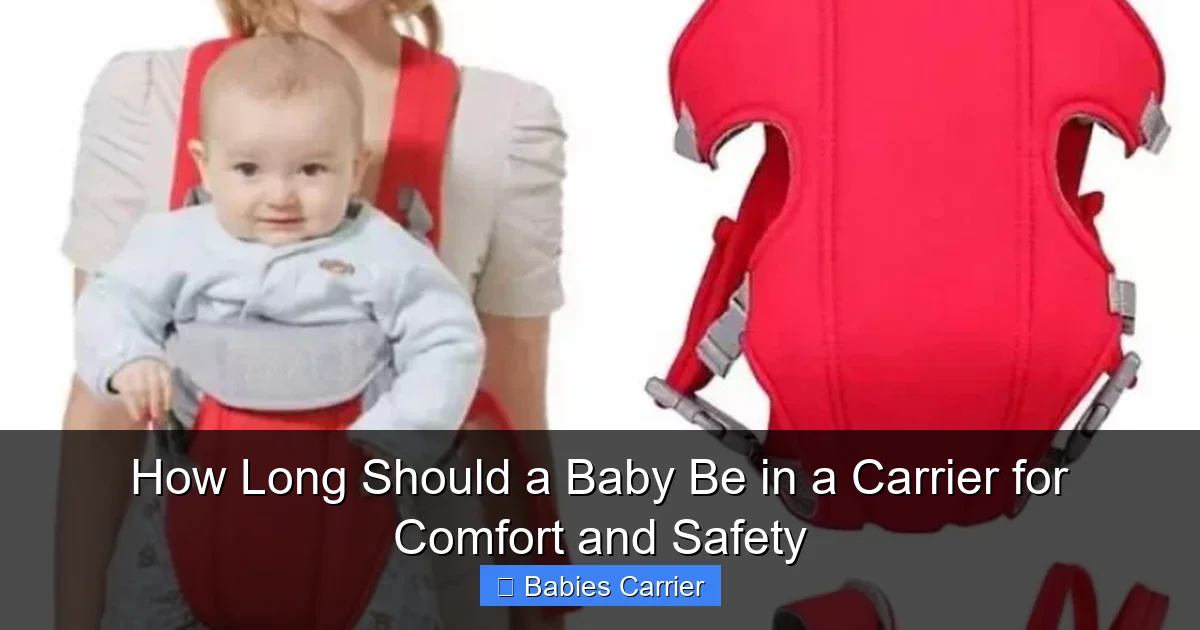
Visual guide about How Long Should a Baby Be in a Carrier for Comfort and Safety
Image source: sohojbuy.com
- Enhanced bonding between parent and child.
- Hands-free convenience for parents.
- Improved baby’s sleep patterns and reduced crying.
Now, let’s get into how long you should keep your baby in a carrier.
Optimal Duration for Baby in a Carrier
The general recommendation for how long a baby should be in a carrier varies with age and comfort. Here’s a breakdown:
Newborns to 3 Months
For newborns, the recommended duration is around 30 minutes to 1 hour at a time. They have limited neck strength and may need more frequent adjustments. Here’s what you should do:
- Ensure their head is supported.
- Monitor their breathing and comfort level closely.
- Take breaks every 30 minutes to an hour.
3 to 6 Months
As your baby grows, they will become more accustomed to the carrier. From 3 to 6 months, they can typically handle being in a carrier for up to 1 to 2 hours. Here are some tips:
- Check for signs of discomfort, such as fussing.
- Consider carrying them in a forward-facing position for added stimulation.
- Engage them with soft toys or gentle songs.
6 to 12 Months
By the time your baby reaches 6 to 12 months, they can comfortably be in a carrier for 1 to 2 hours or even longer during activities. Keep these points in mind:
- Make sure they are positioned correctly to avoid strain on their hips and spine.
- Take frequent breaks to allow them to stretch and explore.
- Incorporate short walks or light activities to keep them engaged.
12 Months and Beyond
Once your baby is a toddler, they can be in a carrier for up to 2 hours at a time, depending on their activity level. Here are some tips:
- Make sure to adjust the carrier as they grow.
- Encourage them to look around and interact with their environment.
- Monitor their mood and energy levels for signs of fatigue.
Signs Your Baby Needs a Break
Even if you follow guidelines, every baby is different. Here are some signs to watch for that indicate your baby needs a break:
- Fussing or Crying: If your baby starts to fuss, it could be a sign they need a change of position or a break.
- Squirming: Excessive squirming can indicate discomfort, so it’s essential to check their position.
- Red Face: A flushed face can mean your baby is overheating or uncomfortable.
- Drooping Head: For younger babies, a drooping head is a clear sign they need support or a break.
Best Practices for Babywearing
To ensure your baby’s comfort and safety in a carrier, consider these best practices:
Proper Positioning
Correct positioning is crucial in preventing discomfort. Always ensure:
- Your baby’s back is supported and their legs are in a natural “M” position.
- They are close enough to kiss, meaning their head should be at or near your chin.
- They can breathe easily without obstruction from the carrier fabric.
Stay Active and Engaged
While wearing your baby, engage in light activities such as walking or doing household chores. This can help distract them and keep them content while in the carrier.
Regular Breaks
Take regular breaks, especially during long outings. Allow your baby to stretch, change positions, or even have some tummy time on a safe surface.
Troubleshooting Common Issues
Sometimes, you may encounter issues while babywearing. Here are some common problems and their solutions:
Baby is Fussy
If your baby is fussy while in the carrier, try:
- Adjusting their position for better comfort.
- Offering a pacifier or toy to keep them occupied.
- Taking a break to allow them to stretch their legs.
Discomfort for the Parent
If you experience discomfort while carrying your baby, consider:
- Adjusting the straps for better weight distribution.
- Switching the carrier style or type.
- Taking breaks to relieve any strain on your back or shoulders.
Conclusion
Knowing how long a baby should be in a carrier is essential for ensuring their comfort and safety. As a general rule, babies can safely stay in a carrier for 1 to 2 hours, depending on their age and individual needs. Always pay attention to your baby’s cues and take regular breaks to provide them with a comfortable experience. By following the best practices outlined in this guide, you can enjoy the benefits of babywearing while keeping your little one safe and happy.
🎥 Related Video: The do’s and don’ts of baby carriers 🚼 #shorts #babycarrier #momtip #chiro #baby #chiropractor
📺 Momma’s Chiro
