
In this essential guide, you will learn how to carry your baby safely in a baby carrier. We’ll provide step-by-step instructions, practical tips, and troubleshooting advice to ensure a comfortable experience for both you and your baby. Let’s dive into the world of babywearing!
Key Takeaways
- Choose the Right Carrier: Select a baby carrier that suits your lifestyle and your baby’s age for optimal comfort.
- Check the Fit: Ensure the carrier fits snugly but comfortably, supporting your baby’s head and neck.
- Positioning Matters: Position your baby correctly in the carrier to promote healthy hip development.
- Practice Safe Carrying: Always follow safety guidelines to avoid accidents and ensure your baby’s safety.
- Adjust as Needed: Regularly check and adjust straps for comfort and safety as your baby grows.
- Stay Aware: Be mindful of your surroundings and your baby’s needs while wearing them.
- Enjoy the Bonding: Use carrying time to enhance your bond with your baby through closeness and interaction.
Essential Guide on How to Carry Baby in Baby Carrier Safely
Carrying your baby in a baby carrier can be a wonderful experience, providing comfort and closeness while allowing you to be hands-free. In this guide, you will learn how to carry your baby safely in a baby carrier, including selecting the right carrier, proper positioning, and safety tips. Let’s get started!
Step 1: Choose the Right Baby Carrier
The first step in safely carrying your baby is selecting the right type of baby carrier. There are several types available, including:
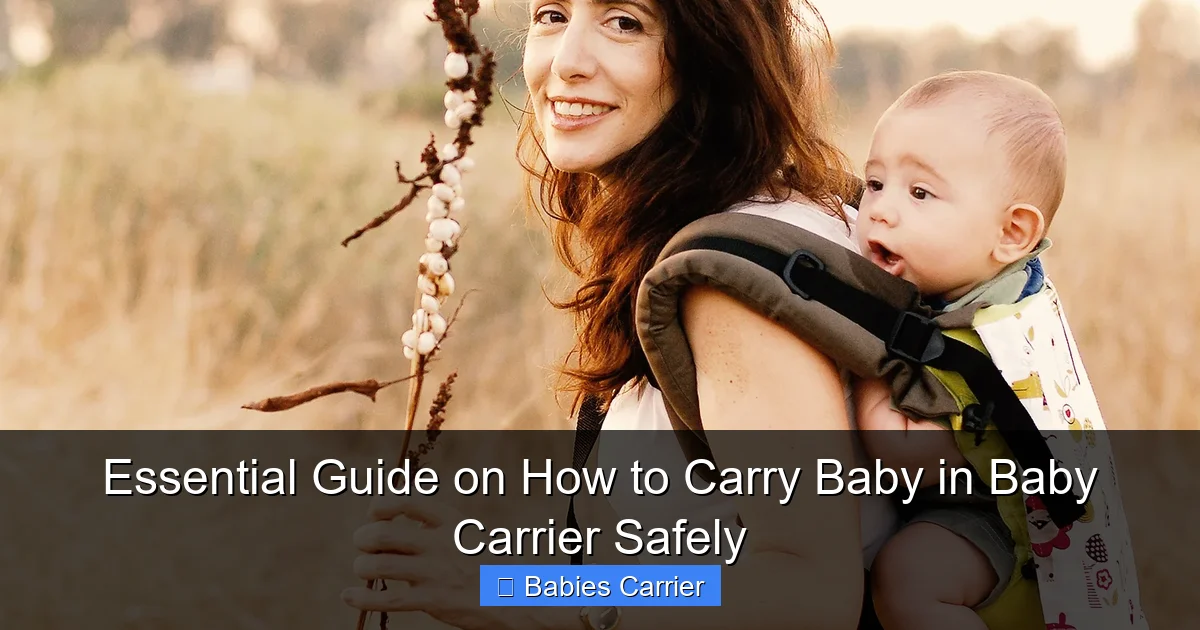
Visual guide about Essential Guide on How to Carry Baby in Baby Carrier Safely
Image source: image.jimcdn.com
- Wraps: Long pieces of fabric that you tie around your body.
- Slings: A loop of fabric worn over one shoulder.
- Soft-structured carriers: These have straps and buckles for easy wear.
- Frame carriers: Best for hiking, with a rigid frame and storage.
Consider your lifestyle, your baby’s age, and your comfort level when making your choice. For infants, a wrap or soft-structured carrier that supports the head and neck is ideal.
Step 2: Prepare the Carrier
Before putting your baby in the carrier, it’s essential to prepare it properly.
Check for Damage
Inspect the carrier for any wear and tear, such as frayed straps or broken buckles. A damaged carrier can pose safety risks.
Read Instructions
Every carrier comes with specific instructions. Make sure to read them thoroughly to understand how to use it correctly.
Step 3: Position Your Baby Correctly
Once your carrier is ready, it’s time to position your baby.
For Infants
For newborns and younger infants, ensure their legs are in a “M” position, with knees higher than their bottom to promote healthy hip development.
For Older Babies
As your baby grows, you can transition to front-facing or back-carry positions, depending on the carrier type. Always ensure their head is supported, especially when facing outward.
Step 4: Put the Carrier on Correctly
Now let’s put the carrier on. Follow these steps:
Wraps or Slings
- Find the center of the fabric and place it in the middle of your chest.
- Wrap one side around your back and over your opposite shoulder.
- Repeat with the other side, creating a cross in your back.
- Secure your baby in the pouch created in the front.
Soft-Structured Carriers
- Put the carrier on your back and fasten the waist strap around your waist.
- Adjust the shoulder straps to your desired fit, ensuring they are snug but not too tight.
- Place your baby in the carrier and secure them with the chest strap.
Step 5: Secure Your Baby
After placing your baby in the carrier, it’s crucial to ensure they are secure. Check the following:
- Snug Fit: Your baby should be held snugly against your body without being overly tight.
- Head Support: Ensure your baby’s head is supported, especially for younger infants.
- Check Straps: Make sure all straps are fastened and adjusted appropriately.
Step 6: Safety Tips for Carrying Your Baby
Safety is paramount when carrying your baby in a carrier. Consider these tips:
- Keep Airway Clear: Always ensure your baby’s face is visible and their airway is clear.
- Be Aware of Your Environment: Watch for obstacles and potential hazards while moving around.
- Don’t Bend Over: Avoid bending at the waist; squat down to pick things up instead.
- Stay Hydrated: If you’re carrying your baby for a long time, make sure to stay hydrated!
Step 7: Troubleshooting Common Issues
Sometimes, you may encounter issues while using a baby carrier. Here are some common problems and solutions:
Baby is Uncomfortable
If your baby seems fussy or uncomfortable, check the positioning and make sure their legs are not cramped. Adjust the straps for a better fit.
Carrier Causes Back Pain
Back pain can be a sign that the carrier isn’t adjusted correctly. Ensure the weight is evenly distributed, and consider trying a different carrier type.
Conclusion
Carrying your baby in a baby carrier can be an enriching experience for both you and your little one. By choosing the right carrier, securing your baby properly, and following safety guidelines, you can enjoy the benefits of babywearing while ensuring your baby’s safety and comfort. Happy babywearing!
🎥 Related Video: Baby carriers are an essential in a child's development. Get yours today at Kshs 1,500. #babycarrier
📺 Nilababy Shop
