
In this guide, we’ll explore whether a baby carrier is good for parents and their little ones. You’ll learn about the advantages of using a baby carrier, how to choose the right one, and practical tips for safe use. Embrace the freedom of hands-free parenting!
Key Takeaways
- Convenience: Baby carriers allow parents to keep their hands free while keeping their baby close.
- Bonding: Carrying your baby promotes physical closeness and strengthens the parent-child bond.
- Comfort: Many carriers are designed for both the baby’s and parent’s comfort, reducing strain during use.
- Versatility: Baby carriers come in different styles, suitable for various activities and environments.
- Developmental Benefits: Proper use supports healthy physical development in infants.
- Safety: Choosing a well-designed carrier can enhance safety for both the baby and parent.
- Social Engagement: Baby carriers enable parents to engage socially while keeping their baby secure.
Is Baby Carrier Good for Parents and Their Little Ones?
As a new parent, you’ll quickly discover that every little choice you make can impact your baby’s development and your parenting experience. One of those choices is whether to use a baby carrier. In this comprehensive guide, you will learn about the benefits of baby carriers, how to choose the right one for your needs, and practical tips for safe use. By the end, you’ll have a clearer understanding of whether a baby carrier is a good fit for you and your little one.
Understanding Baby Carriers
Baby carriers are designed to hold infants and toddlers close to the body while allowing parents the freedom to move around. They come in various styles, including wraps, slings, and structured carriers. Each type has unique features and benefits, which can help make parenting easier and more enjoyable.
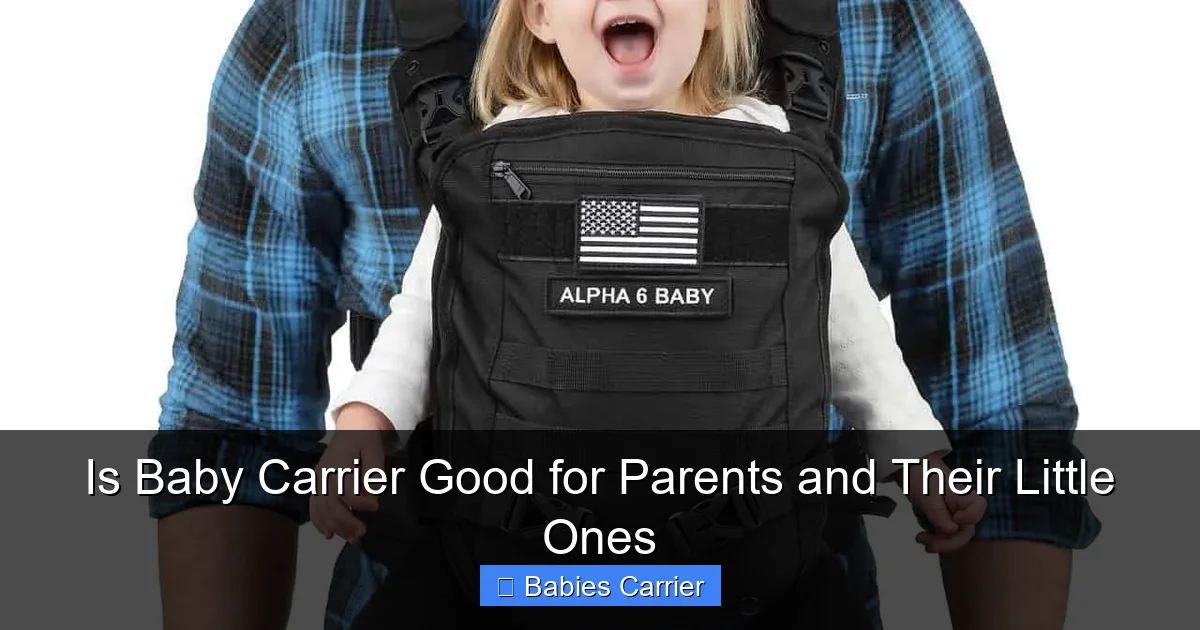
Visual guide about Is Baby Carrier Good for Parents and Their Little Ones
Image source: upsidedad.com
Benefits of Using a Baby Carrier
Let’s dive into the numerous benefits of using a baby carrier.
1. Convenience
One of the main advantages of a baby carrier is the convenience it offers. With a carrier, you can keep your hands free to manage daily tasks. Whether you’re grocery shopping, cooking, or simply walking around the house, a baby carrier allows you to engage in activities while keeping your baby close.
2. Bonding Experience
Using a baby carrier fosters a unique bonding experience between you and your baby. Physical proximity helps your little one feel secure, promoting emotional attachment. When you carry your baby, they can hear your heartbeat and feel your warmth, creating a comforting environment.
3. Comfort for Both Parent and Baby
Many baby carriers are designed with comfort in mind. They distribute your baby’s weight evenly across your body, reducing strain on your back and shoulders. Look for carriers with padded straps and supportive designs to enhance comfort during extended use.
4. Versatility
Baby carriers are incredibly versatile. They can be used at home, during outings, or even while traveling. Whether you prefer a wrap for a snug fit or a structured carrier for ease of use, there’s a carrier type that will suit your lifestyle.
5. Developmental Support
Proper use of a baby carrier can support your baby’s physical development. When positioned correctly, the carrier can encourage healthy hip development. Always ensure that your baby’s legs are in an ‘M’ position, with knees higher than their bottom.
Choosing the Right Baby Carrier
With so many options available, selecting the right baby carrier can feel overwhelming. Here’s a step-by-step guide to help you make the best choice for your family.
Step 1: Assess Your Needs
Consider your lifestyle and how you plan to use the carrier. Will you be using it for short trips around the house, or do you need something for hiking and long walks? Knowing how you plan to use the carrier will help narrow your options.
Step 2: Explore Different Styles
Familiarize yourself with the different types of baby carriers:
- Wraps: Long pieces of fabric that you wrap around your body and your baby.
- Slings: A single piece of fabric that loops through a ring and can be adjusted for a secure fit.
- Structured carriers: Have a defined shape with straps and buckles, providing more support.
Step 3: Try Before You Buy
If possible, visit a store to try on different carriers. Pay attention to how comfortable it feels with your baby inside. Make sure it offers good support for both you and your little one.
Step 4: Check for Safety Features
Safety is paramount. Ensure the carrier has sturdy stitching, adjustable straps, and safety buckles. Always check for baby carrier safety certifications before making a purchase.
Using the Baby Carrier Safely
Once you’ve chosen a carrier, it’s essential to use it safely. Follow these guidelines:
Step 1: Positioning Your Baby
Ensure your baby is positioned correctly in the carrier. Their head should be visible, and their airways should be clear. Always check that their chin is not resting on their chest.
Step 2: Adjusting the Carrier
Make sure the carrier is snug but not too tight. Your baby should feel secure without being restricted. Adjust the straps for a comfortable fit.
Step 3: Monitor Your Baby
Keep an eye on your baby while they’re in the carrier. Watch for any signs of discomfort or distress, and be ready to adjust or remove them if necessary.
Practical Tips for Babywearing
Here are some practical tips to enhance your babywearing experience:
- Practice at home: Before venturing out, practice putting on and adjusting the carrier at home.
- Layer clothing: Dress your baby in layers to adjust for temperature changes while in the carrier.
- Engage with your baby: Talk to your baby and maintain eye contact to enhance the bonding experience.
- Take breaks: If you or your baby seem uncomfortable, take a break and adjust as needed.
Troubleshooting Common Issues
If you encounter any issues while using the baby carrier, consider these troubleshooting tips:
Issue: Baby is Fussy
If your baby seems fussy in the carrier, try adjusting their position or take a break to soothe them. Sometimes a change in scenery or a gentle rocking motion can help.
Issue: Discomfort for Parent
If you feel discomfort while wearing the carrier, check the adjustments. Make sure it’s not too tight and that the weight is distributed evenly. You may need to experiment with different positions.
Conclusion
In conclusion, baby carriers can be a fantastic asset for parents and their little ones. They offer convenience, promote bonding, and support your baby’s development. By choosing the right carrier and using it safely, you can enjoy a hands-free parenting experience while keeping your baby close. Explore the world of baby carriers and find the perfect fit for your family!
🎥 Related Video: A baby carrier that is sturdy, safe and allows your hands to be free! #babycarrier #babycare #newmom
📺 Joyful Kangaroo
