
Are you a new parent wondering if a baby carrier is essential? In this guide, we will explore the benefits of baby carriers, their various types, and tips for choosing the right one. You’ll learn how a baby carrier can enhance your parenting experience and whether it’s worth considering for your family.
Key Takeaways
- Comfort and Convenience: Baby carriers provide hands-free comfort, allowing parents to carry their baby while managing daily tasks.
- Bonding Experience: Using a baby carrier facilitates close physical contact, promoting bonding between parent and child.
- Variety of Options: There are different types of baby carriers, including wraps, slings, and structured carriers, each with unique benefits.
- Support for Development: Carriers can support healthy hip development when used correctly, aligning with pediatric guidelines.
- Travel-Friendly: Baby carriers are lightweight and portable, making them an excellent choice for travel and outings.
- Safety Considerations: It’s crucial to follow safety guidelines and ensure the carrier fits properly to keep your baby secure.
- Personal Preference: Ultimately, the choice of whether to use a baby carrier comes down to personal lifestyle and preference.
Is Baby Carrier Necessary for New Parents to Consider Today
Welcoming a new baby into the world is an exciting and sometimes overwhelming experience. As new parents, you may find yourselves asking many questions about the best ways to care for your little one. One common question is whether a baby carrier is necessary. In this comprehensive guide, we will explore the benefits of using a baby carrier, the different types available, and practical tips to help you decide if it’s the right choice for your family.
What is a Baby Carrier?
A baby carrier is a device that allows parents to carry their infants or toddlers close to their bodies. They come in various styles, including wraps, slings, and structured carriers. The primary goal of a baby carrier is to provide a safe and comfortable way to transport your child while keeping your hands free.
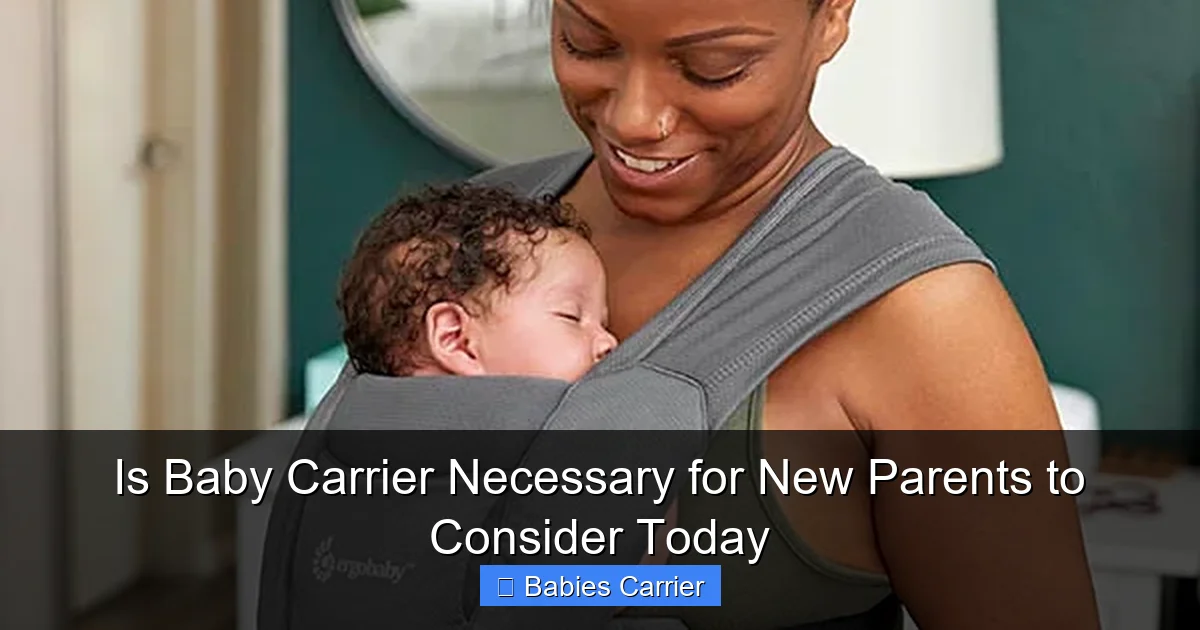
Visual guide about Is Baby Carrier Necessary for New Parents to Consider Today
Image source: babiescarrier.com
Benefits of Using a Baby Carrier
Baby carriers offer numerous advantages for both parents and babies. Here are some of the key benefits:
1. Hands-Free Convenience
One of the biggest advantages of using a baby carrier is the hands-free experience it provides. Whether you need to cook, clean, or run errands, having your baby securely strapped to you allows you to multitask effectively.
2. Enhanced Bonding
Using a baby carrier promotes closeness between you and your child. The physical contact helps strengthen your bond, which can be particularly beneficial for newborns who thrive on touch and closeness.
3. Comfort for Baby
Most baby carriers are designed to provide a comfortable and secure environment for your child. They allow babies to feel safe and secure in an upright position, which can be soothing for them.
4. Developmental Support
When used correctly, baby carriers can support healthy hip development. It’s essential to follow the manufacturer’s guidelines and ensure that your baby is seated in a position that promotes healthy hip alignment.
5. Travel-Friendly
Baby carriers are typically lightweight and easy to pack, making them an excellent choice for travel. You can easily navigate crowded places and enjoy outings without the bulk of a stroller.
6. Variety of Options
With a wide range of baby carriers available, you can choose one that fits your lifestyle and comfort level. From stretchy wraps to structured carriers, there’s something for everyone.
Types of Baby Carriers
Understanding the different types of baby carriers available can help you make an informed decision. Here are the main categories:
1. Wraps
Wraps are long pieces of fabric that you tie around your body to secure your baby. They are versatile and can be adjusted to fit different body types. Wraps are suitable for newborns and can be used in various carrying positions.
2. Slings
Slings are typically made from a single piece of fabric with a ring system for adjustment. They are easy to use and allow for quick on-and-off access. Slings are great for keeping your baby close while allowing movement.
3. Structured Carriers
Structured carriers have a built-in frame and provide more support for both the parent and child. They often come with padded straps and a waistband, making them a comfortable option for longer outings. These carriers can accommodate older babies and toddlers.
How to Choose the Right Baby Carrier
Selecting the right baby carrier involves considering several factors:
1. Age and Weight of Your Baby
Check the weight and age limits specified by the manufacturer. Some carriers are designed for newborns, while others are suitable for older babies and toddlers.
2. Comfort for Both Parent and Baby
Try different carriers to find one that feels comfortable for both you and your baby. Look for padded straps, adjustable settings, and breathable materials.
3. Ease of Use
Choose a carrier that is easy to put on and take off, especially if you plan to use it frequently. Some carriers are more user-friendly than others, so practice before you head out.
4. Safety Features
Ensure that the carrier has safety features, such as secure buckles, a sturdy build, and proper support for your baby’s head and neck.
5. Lifestyle Considerations
Consider your daily activities and lifestyle. If you travel a lot, a lightweight and compact carrier may be ideal. If you plan to hike, look for a more structured carrier with additional support.
Practical Tips for Using a Baby Carrier
Once you’ve chosen a baby carrier, here are some tips to maximize its use:
1. Practice at Home
Before taking your carrier out in public, practice putting it on and adjusting it at home. This will help you feel more confident when you’re out and about.
2. Check the Fit
Always ensure that the carrier fits snugly but comfortably. Your baby should be secure without being too tightly restricted.
3. Regular Breaks
Take regular breaks to relieve your back and shoulders. This is especially important for longer outings.
4. Monitor Your Baby
Keep an eye on your baby’s comfort level while in the carrier. Make sure they are not too hot, and adjust their position or take a break if needed.
Troubleshooting Common Issues
Here are some common issues you might encounter and how to address them:
1. Baby is Uncomfortable
If your baby seems fussy or uncomfortable in the carrier, check the fit and position. Ensure that their legs are in a comfortable position and that they can breathe easily.
2. Parent Discomfort
If you experience back or shoulder pain, reassess the carrier’s fit. You may need to adjust the straps or try a different style that provides better support.
3. Difficulty Getting Baby In and Out
If you’re struggling to get your baby in and out of the carrier, refer to the user manual or look for instructional videos online to improve your technique.
Conclusion
In conclusion, whether a baby carrier is necessary for new parents really depends on your individual lifestyle and preferences. Baby carriers offer a unique combination of convenience, comfort, and bonding opportunities that many parents find beneficial. By understanding the different types of carriers available and considering your specific needs, you can make an informed decision. If you think a baby carrier could enhance your parenting experience, it’s worth exploring further!
🎥 Related Video: Honest review of the baby carriers I have had as a mom of 6 of BIG babies 👶
📺 Chrissy Horton
I’m a mom of 6 who gives honest reviews on the baby items I use! Today, I am giving my honest review of each baby carrier I have …
