
Choosing between reusable vs disposable diapers can feel overwhelming for new parents. This guide breaks down the differences in cost, convenience, comfort, and environmental impact so you can make a confident choice. You’ll learn how each type works, when to use them, and how to mix both for a flexible, stress-free diaper routine.
Key Takeaways
- Point 1: Disposable diapers offer maximum convenience and are easier for busy parents or daycare use.
- Point 2: Reusable diapers can save money in the long run but require more time, washing, and organization.
- Point 3: Many families use a mix of reusable vs disposable diapers to balance cost, comfort, and convenience.
- Point 4: Disposable diapers are very absorbent and great for nights and travel, while reusables can be gentler on some babies’ skin.
- Point 5: The “better” choice depends on your lifestyle, budget, and your baby’s needs, not one perfect solution for everyone.
- Point 6: Planning ahead, tracking costs, and testing both types can help you build the best diaper routine for your family.
- Point 7: It’s okay to change your approach over time as your baby grows and your daily life changes.
Reusable vs Disposable Diapers Which Is Better: A Complete How-To Guide
When you first bring your baby home, diapers quickly become a huge part of daily life. You may hear strong opinions on reusable vs disposable diapers, and it can be confusing. Some parents swear by cloth. Others love the ease of disposables. Many quietly use both.
This guide will walk you step by step through reusable vs disposable diapers so you can decide which is better for your family. You will learn how each type works, how to compare cost and convenience, how to build a diaper routine, and how to solve common problems like leaks and rashes. By the end, you will feel ready to choose, adjust, and even change your mind later if you need to.
Step 1: Understand the Basics of Reusable vs Disposable Diapers
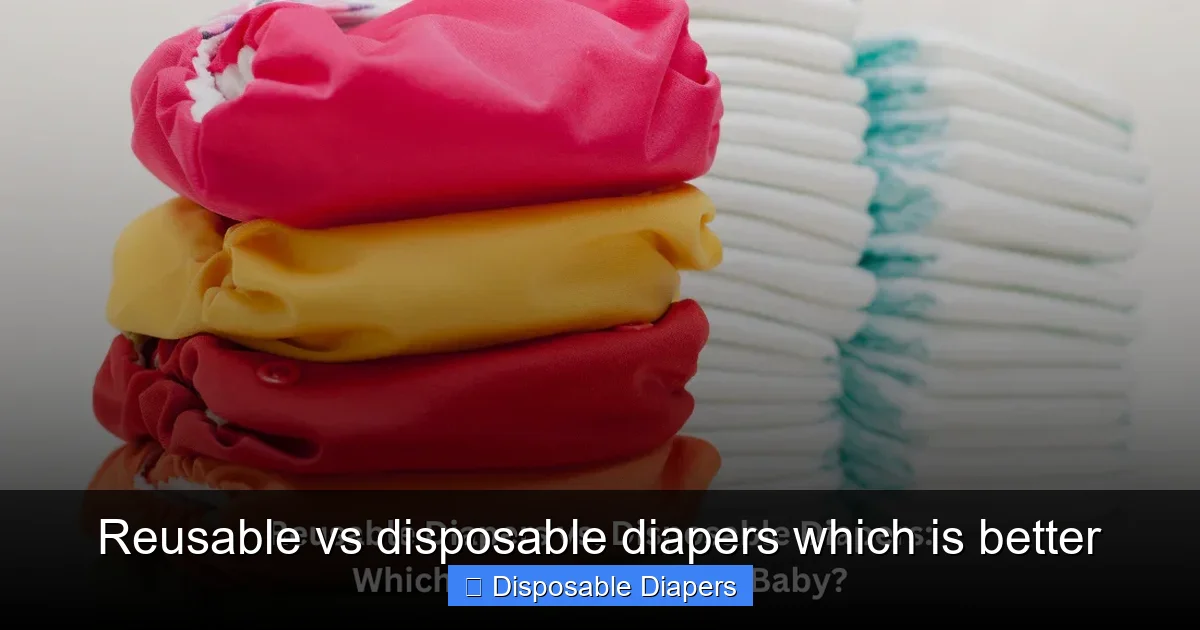
Before you choose reusable vs disposable diapers, it helps to know what each one really is and how it works in daily life.
Visual guide about Reusable vs disposable diapers which is better
Image source: budgetdiapersrc.com
What Are Disposable Diapers?
Disposable diapers are single-use diapers you throw away after each change. They are made of absorbent materials, like fluff pulp and super absorbent polymers, plus a waterproof outer layer. Most parents start with disposable diapers because they are easy to use and widely available.
- How they work: The inner core pulls moisture away from your baby’s skin and locks it in.
- How to use: You put it on, adjust the tabs, and toss it in the trash when it is dirty.
- Where they shine: Newborn days, nights, travel, daycare, and any time you are short on time or energy.
What Are Reusable (Cloth) Diapers?
Reusable diapers, often called cloth diapers, are made from fabrics like cotton, bamboo, hemp, or microfiber. Instead of throwing them away, you wash and reuse them many times. In the debate of reusable vs disposable diapers, cloth often wins for long-term cost and reduced waste.
- How they work: An absorbent inner layer soaks up pee, and a waterproof cover or built-in layer keeps clothes dry.
- How to use: Put it on like a regular diaper, remove solids into the toilet when needed, store in a pail or wet bag, then wash.
- Where they shine: At home during the day, for parents who want less trash, and for babies with sensitive skin.
Types of Reusable Diapers
If you are comparing reusable vs disposable diapers, it helps to know there are several kinds of cloth diapers:
- Prefolds and covers: Rectangular cloth you fold, plus a separate waterproof cover. Cheap but more hands-on.
- Pocket diapers: A waterproof shell with a pocket where you stuff absorbent inserts. Easy to use and adjust.
- All-in-ones (AIOs): Everything is sewn together. You use them like disposable diapers but wash them afterward.
- Flats: Large, single-layer cloth squares you fold in many ways. Very affordable and fast to dry.
All of these count as reusable diapers. The main difference in reusable vs disposable diapers is not just washing, but also how much time and effort each system takes.
Step 2: Compare Cost – What Will You Really Spend?
Money is a big part of the reusable vs disposable diapers decision. The cost can look very different in the short term and long term.

Visual guide about Reusable vs disposable diapers which is better
Image source: budgetdiapersrc.com
Cost of Disposable Diapers
Disposable diapers spread the cost over time. You pay a little bit, over and over, for years.
- Average use: Newborns can go through 8–12 disposable diapers per day. Older babies may use 5–8 per day.
- Monthly cost: Many families spend between $60–$100 per month on disposable diapers and wipes.
- Total cost: Over 2–3 years, you may spend $1,500–$2,500 or more, depending on brand and size changes.
The benefit of disposable diapers is that you can spread out the cost. The downside is that the total adds up over time, and you never stop buying until your child is potty trained.
Cost of Reusable Diapers
With reusable diapers, the cost is front-loaded. You pay more at the beginning, but you reuse the same diapers for years.
- Starter stash: Many families buy 18–24 reusable diapers for full-time use.
- Price range: Cloth diapers can range from $8–$30 each, depending on brand and style.
- Total cost: A full set might cost $300–$800, plus laundry costs for water, electricity, and detergent.
Even after adding laundry costs, reusable diapers often end up cheaper over time, especially if you use them for more than one child. In the comparison of reusable vs disposable diapers, cloth usually wins on long-term savings.
How to Estimate Your Own Costs
To decide which is better for your budget, you can do a simple calculation.
- Step 1: Estimate how many disposable diapers you use per day and multiply by 30 for monthly use.
- Step 2: Multiply that by the cost per diaper (box price divided by number of diapers in the box).
- Step 3: Compare that to the one-time cost of a reusable diaper stash plus a rough monthly laundry cost.
This quick math will show you how reusable vs disposable diapers stack up for your own situation. Remember, there is no rule that says you must choose only one. Many parents use cloth at home and disposables when out to keep both cost and hassle balanced.
Step 3: Compare Convenience and Daily Life
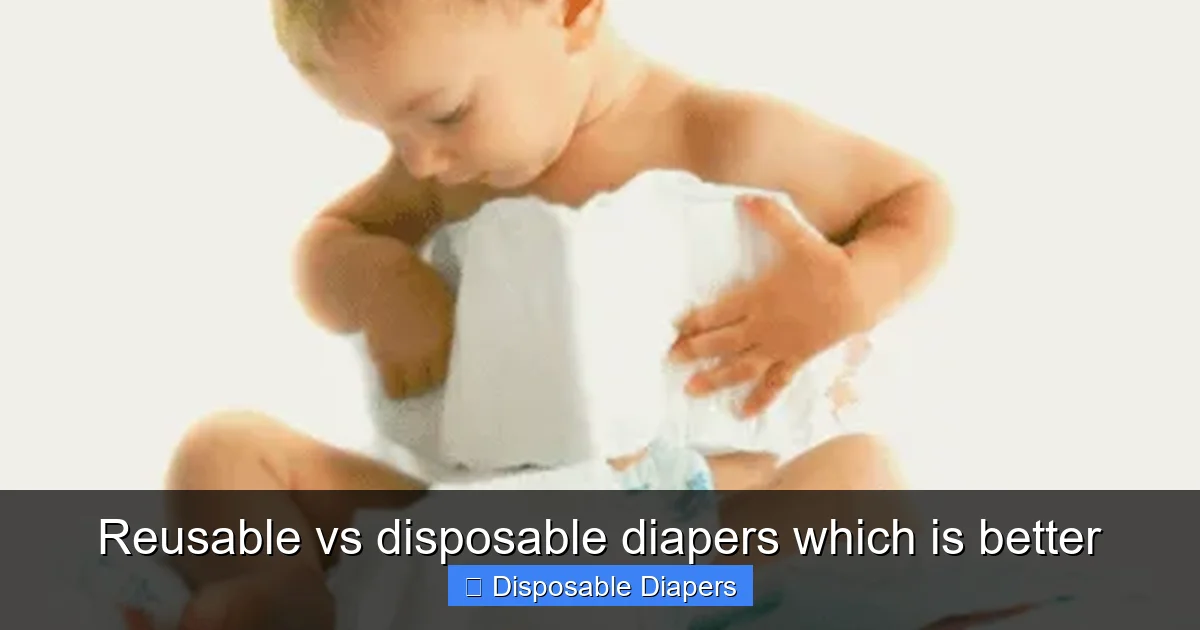
Cost matters, but so does your time and energy. When you think about reusable vs disposable diapers, imagine your real days: work, sleep, outings, and those chaotic newborn nights.
Visual guide about Reusable vs disposable diapers which is better
Image source: adventuresfrugalmom.com
Convenience of Disposable Diapers
Disposable diapers are designed for convenience. That is their main strength in the reusable vs disposable diapers debate.
- Fast changes: Take off, wipe, toss, and put on a fresh diaper. Done in minutes.
- Easy on the go: You only need a few diapers, wipes, and a small trash bag for dirty ones.
- Daycare friendly: Most daycares prefer or require disposable diapers for simplicity.
- No washing: You do not have to think about laundry, stains, or drying time.
If you have a busy job, limited laundry access, or just low bandwidth, disposable diapers can remove a lot of stress.
Convenience of Reusable Diapers
Reusable diapers require more steps, but they can still be quite manageable with a system.
- Routine washing: You will likely wash every 2–3 days to avoid smells and stains.
- Storage: You need a diaper pail or wet bag for dirty diapers until wash day.
- More packing: Cloth diapers are bulkier in the diaper bag and can take more room on trips.
- Extra time: You spend time rinsing, washing, drying, and stuffing or folding.
For some parents, this extra time is no problem. For others, it feels like too much. In daily life, the convenience side of reusable vs disposable diapers often comes down to how much you enjoy (or dislike) laundry and routine tasks.
Finding a Balance Between the Two
You do not have to choose a side forever. One of the best ways to use reusable vs disposable diapers is to mix them.
- Cloth at home, disposables outside: Use reusable diapers when you have easy access to your washing machine, and switch to disposable diapers for outings, daycare, and travel.
- Cloth during the day, disposables at night: Many parents find that disposable diapers keep babies drier overnight and reduce wake-ups.
- Cloth when you can, disposables when life is busy: During illness, travel, or big life changes, it is okay to lean more on disposable diapers.
There is no prize for being “perfect.” The real win is building a routine that works for your family and using reusable vs disposable diapers in the way that supports your sanity.
Step 4: Consider Baby’s Comfort and Skin Health
Your baby’s comfort is a core part of the reusable vs disposable diapers question. Both types can keep your baby happy and rash-free, but each has pros and cons.
Comfort and Fit of Disposable Diapers
Disposable diapers are thin, light, and very absorbent. They are designed to pull wetness away from the skin.
- Soft inner layer: Gentle materials help reduce friction.
- Great absorbency: Keeps skin drier for longer stretches, especially at night.
- Flexible fit: Elastic tabs and leg gussets help prevent leaks.
However, the materials and fragrances in some disposable diapers can bother sensitive skin. Some babies react to certain brands, dyes, or added scents.
Comfort and Fit of Reusable Diapers
Reusable diapers are often made from natural fibers, which some parents prefer against delicate skin.
- Natural fabrics: Cotton, bamboo, and hemp can feel very soft and breathable.
- Gentle elastics: Can fit snugly without being too tight if sized correctly.
- Customizable absorbency: You can add or remove inserts to match your baby’s needs.
On the other hand, cloth diapers can feel bulkier. If they are not put on correctly, they may sag or leak. In the comfort part of reusable vs disposable diapers, the best choice often depends on your baby’s body shape and skin sensitivity.
Diaper Rash and Skin Care
Both reusable and disposable diapers can work well for preventing diaper rash when used correctly.
- Frequent changes: Change wet or dirty diapers often, no matter which type you use.
- Air time: Give your baby some diaper-free time each day if possible.
- Barrier creams: Use a gentle cream if you see redness starting.
With reusable vs disposable diapers, some parents notice fewer rashes with cloth, while others see better results with disposables. If your baby gets frequent rashes, you can try switching types or brands to see what helps most.
Step 5: Think About Environmental Impact
Many parents look at reusable vs disposable diapers because they care about the planet. Both have an environmental footprint, just in different ways.
Environmental Impact of Disposable Diapers
Disposable diapers create a lot of solid waste. Each diaper is used once and then thrown away.
- Landfill waste: A single baby can use thousands of disposable diapers before potty training.
- Resources: It takes materials, energy, and water to produce and transport them.
- Decomposition: Diapers can take many years to break down in landfills.
On the plus side, modern manufacturing is improving, and some brands aim to reduce their impact. Still, in the reusable vs disposable diapers comparison, disposables usually have a higher solid waste output.
Environmental Impact of Reusable Diapers
Reusable diapers reduce trash but use water and energy for washing.
- Less landfill waste: The same diapers are used again and again, often across multiple children.
- Laundry impact: Washing and drying use water, electricity or gas, and detergent.
- Fabric production: Growing cotton or making synthetic fibers also has an environmental cost.
The eco side of reusable vs disposable diapers depends on how you wash. Using full loads, energy-efficient machines, line drying when possible, and mild detergents can lower the footprint of reusable diapers.
Choosing What Feels Right for You
If the environment is a big factor, you might lean more toward reusable diapers. But remember, even using cloth part-time makes a difference. The choice between reusable vs disposable diapers is not all-or-nothing. Every cloth change you make is one less diaper in a landfill.
Step 6: Build Your Diaper Routine (Reusable, Disposable, or Both)
Now that you know more about reusable vs disposable diapers, it is time to create a real-life plan. Your diaper routine should fit your home, your schedule, and your comfort level.
How to Start with Disposable Diapers
If you decide to start with disposable diapers, here is a simple way to set up your routine.
- Step 1: Choose a size and brand. For newborns, buy smaller packs of a couple of brands. Babies grow fast, and you may want to test what fits best.
- Step 2: Stock basic supplies. You will need diapers, wipes, diaper cream, and a diaper pail or trash can with a lid.
- Step 3: Set up changing stations. Keep diapers and wipes near your main rooms so you do not have to run around with a crying baby.
- Step 4: Plan your budget. Track how many disposable diapers you use in a week. This helps you predict monthly costs and watch for sales.
With disposable diapers, the routine is straightforward. The key is staying stocked and watching your baby’s skin and fit as they grow.
How to Start with Reusable Diapers
If you want to try cloth, start simple. You do not have to buy everything at once to explore reusable vs disposable diapers.
- Step 1: Start small. Buy a small set of 6–10 reusable diapers to test at home. You can always add more later.
- Step 2: Learn the fit. Follow the brand’s instructions for snaps or Velcro. The diaper should be snug at the legs and waist but not leave deep marks.
- Step 3: Set up a wash routine. Plan to wash every 2–3 days. Use a cold rinse, then a warm or hot wash with enough detergent, then an extra rinse if needed.
- Step 4: Dry and store. You can hang dry or machine dry, depending on the fabric and your energy use goals.
As you get used to reusable diapers, you can decide if you want to go full-time or stay part-time. Many parents find a mix of reusable vs disposable diapers keeps things both manageable and affordable.
How to Combine Reusable vs Disposable Diapers
A hybrid approach is very popular. Here is one example of a balanced routine:
- At home: Use reusable diapers during the day when you can easily change and wash.
- At night: Use disposable diapers for extra absorbency and fewer wake-ups.
- On the go: Pack disposable diapers for errands, travel, and daycare.
- During busy weeks: Lean more on disposables and return to cloth when life calms down.
In the reusable vs disposable diapers conversation, remember that your routine can change over time. What works at 2 weeks old may not work at 10 months old, and that is okay.
Troubleshooting Common Diaper Problems
No matter which side of reusable vs disposable diapers you choose, you will run into a few common issues. Here is how to handle them.
Problem 1: Leaks
Leaks can happen with both reusable and disposable diapers.
- Check the fit: The diaper should be snug at the legs and waist. If there are gaps, size down or adjust snaps or tabs.
- Change more often: If the diaper is soaked, try changing more frequently.
- Boost absorbency: For reusable diapers, add an extra insert. For disposable diapers, try a more absorbent brand or night-time version.
Problem 2: Diaper Rash
Rashes can appear with both reusable vs disposable diapers.
- Keep it dry: Change frequently and allow air time when you can.
- Try a barrier cream: Use a gentle, fragrance-free cream. If you use cloth, check that the cream is cloth-safe.
- Switch types: If the rash persists, try changing brands or switching between reusable and disposable diapers to see what your baby tolerates better.
Problem 3: Strong Smells
Smells are common, especially with reusable diapers.
- For disposables: Use a diaper pail with a lid, empty it often, and consider scented bags if needed.
- For reusables: Wash every 2–3 days, do not let them sit too long, and make sure you use enough detergent.
- Deep clean: If cloth diapers start to smell even when clean, you may need a deeper wash or “strip” following brand-safe guidelines.
Problem 4: Overwhelm and Burnout
Sometimes, the biggest problem in the reusable vs disposable diapers journey is not the diaper at all. It is parent fatigue.
- Give yourself permission to switch: If cloth feels like too much, use disposables for a while. If costs of disposables feel heavy, add some cloth.
- Ask for help: Share tasks with a partner if possible, or simplify your system.
- Remember your goal: A happy, cared-for baby and a parent who is not completely drained. The “right” diaper is the one that helps you reach that goal.
Conclusion: Reusable vs Disposable Diapers – Which Is Better for You?
There is no single, universal answer to reusable vs disposable diapers which is better. The best choice depends on your lifestyle, budget, values, and your baby’s unique needs.
Choose disposable diapers if: You want maximum convenience, easy changes, and a simple routine for busy days, nights, and daycare.
Choose reusable diapers if: You want to lower long-term costs, reduce waste, and you are comfortable with extra laundry and organization.
Choose a mix of reusable vs disposable diapers if: You want the savings and eco benefits of cloth at home, plus the ease of disposables for nights, travel, and hectic times.
Your choice is not permanent, and it is not a test of how “good” a parent you are. You can start with one option, try the other, or blend both. As your baby grows and your life changes, your diaper routine can change too. The real success is finding a system that keeps your baby clean, dry, and comfortable while keeping you as calm and supported as possible.
🎥 Related Video: Disposable Diapers vs Cloth Diapers – Which is Better? | Dad University
📺 Dad University
The great diaper debate is alive and well. The decision of whether to with disposable diapers vs cloth diapers depends on what is …
