
A foster parent provides temporary care for children who can’t live with their birth families. They offer a safe and nurturing home during challenging times for the child.
Foster parenting is a vital role in our society. It involves opening your home and heart to a child in need. These children may come from difficult situations, requiring love, stability, and understanding. Foster parents help them heal and grow.
They work closely with social workers and the child’s birth family. The goal is to reunite the child with their family when possible. If not, foster parents support the child in finding a permanent home. Being a foster parent is challenging yet rewarding, making a lasting impact on a child’s life.
Role Of A Foster Parent
The role of a foster parent is crucial in providing a safe and nurturing environment for children who cannot live with their biological families. Foster parents offer stability, love, and support, helping children through challenging times. They play a significant part in the child’s life, ensuring their well-being and development.
Responsibilities
Foster parents have many responsibilities. They must meet the child’s basic needs, such as food, clothing, and shelter. They also ensure the child attends school and receives medical care. Foster parents provide emotional support and guidance. They help the child develop social skills and a sense of security.
- Provide a safe and stable home
- Ensure the child’s physical and emotional needs are met
- Help with educational and medical needs
- Support the child’s development and well-being
Daily Life
Daily life as a foster parent involves various activities. Each day starts with preparing meals and getting the child ready for school. After school, foster parents help with homework and encourage extracurricular activities. They also attend meetings with social workers and therapists to discuss the child’s progress.
In the evening, foster parents spend quality time with the child. They might play games, read books, or watch movies together. Weekends often include family outings or community events. Foster parents create a routine that helps the child feel secure and loved.
| Time of Day | Activity |
|---|---|
| Morning | Prepare breakfast, get ready for school |
| Afternoon | Help with homework, attend meetings |
| Evening | Quality time, dinner, bedtime routine |

Credit: drjohndegarmo.medium.com
Requirements For Foster Parenting
Foster parenting is a noble and rewarding journey. But it requires meeting certain requirements. These ensure the safety and well-being of the children. Let’s explore the key requirements for foster parenting.
Eligibility Criteria
Meeting the eligibility criteria is the first step. Each state or country has its own rules. Generally, the following are required:
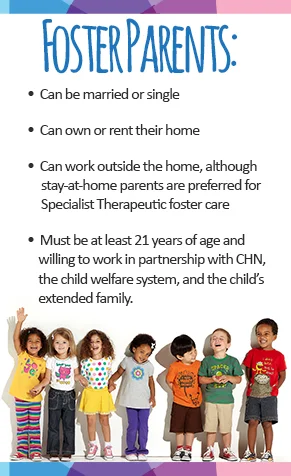
- Minimum age of 21 years
- Stable income
- Clean criminal record
- Completion of a home study
Some states may also require marital status checks. Others might need proof of citizenship or residency. Always check your local regulations.
Training And Preparation
Proper training and preparation are crucial. Foster parents must complete training programs. These programs cover various topics:
- Child development
- Trauma-informed care
- First aid and CPR
- Behavior management
These trainings prepare you for the challenges ahead. They also equip you with the skills to support foster children effectively.
Ongoing training might also be necessary. This ensures that foster parents stay updated with best practices.
Benefits Of Being A Foster Parent
Becoming a foster parent can be a life-changing experience. It offers many rewards and benefits that can enrich your life and the lives of children in need. Here, we will explore some of the key benefits that come with being a foster parent.
Emotional Rewards
Foster parents often experience profound emotional rewards. Providing a safe and loving home can bring immense joy. You get to see children grow, learn, and thrive. The bond you form with a child can be deeply fulfilling. Many foster parents say the love and gratitude they receive are priceless.
Helping a child heal from past traumas is incredibly rewarding. Knowing you made a difference in a child’s life is a powerful feeling. Your home becomes a place of hope and healing.
Financial Support
There is also financial support available for foster parents. This support helps cover the costs of caring for a child. The support includes monthly stipends, which vary by state. These stipends help with food, clothing, and other essentials.
Foster parents may also receive additional funds for special needs or emergencies. This financial aid ensures that foster parents can provide the best care possible without financial strain. Below is a simple table outlining possible financial support:
| Type of Support | Details |
|---|---|
| Monthly Stipends | Varies by state; covers basic needs |
| Special Needs Funds | Additional support for medical or educational needs |
| Emergency Funds | Available for unexpected expenses |
In summary, the emotional and financial benefits of being a foster parent are significant. These rewards make the journey of fostering both meaningful and manageable.

Credit: americaskidsbelong.org
Challenges Faced By Foster Parents
Being a foster parent is a noble and rewarding role. Yet, it comes with its own set of challenges. These challenges can be emotionally and physically demanding. Understanding them can help foster parents navigate this journey better.
Emotional Strain
Foster parents often face significant emotional strain. They may deal with their own feelings of attachment and separation. Emotional ups and downs are common. It can be hard to say goodbye to a child they have cared for.
Moreover, they must support children who have experienced trauma. These children need constant reassurance and love. This emotional investment can be exhausting but necessary for the child’s well-being.
Behavioral Issues
Many foster children have behavioral issues. This can be due to past trauma or unstable environments. Foster parents must be patient and understanding.
Common behavioral issues include:
- Anger outbursts
- Withdrawal
- Difficulty in following rules
Managing these behaviors requires consistent discipline and support. Foster parents may need to work with therapists or counselors.
A table summarizing common behavioral issues and strategies to handle them can be helpful:
| Behavioral Issue | Strategy |
|---|---|
| Anger outbursts | Calm discussions, time-outs, and positive reinforcement |
| Withdrawal | Encouragement, one-on-one time, and validating feelings |
| Difficulty in following rules | Clear rules, consistent consequences, and patience |
Foster parents need to be adaptable. Each child is different and requires unique approaches. The journey is challenging but incredibly impactful.
Support Systems For Foster Parents
Foster parenting is a rewarding journey that requires strong support systems. Foster parents often face unique challenges. They need various forms of support to provide the best care for their foster children. Here, we will explore two main support systems: Community Resources and Professional Services.
Community Resources
Community resources play a crucial role in supporting foster parents. These resources offer help, advice, and assistance.
- Support Groups: Local support groups provide a space for foster parents to share experiences.
- Mentorship Programs: Experienced foster parents guide new foster parents through mentorship.
- Respite Care: This service offers temporary relief to foster parents needing a break.
These resources help foster parents feel connected and supported. They also offer valuable insights and practical tips for handling various challenges.
Professional Services
Professional services are essential for foster parents. These services include a range of specialized support.
| Service | Description |
|---|---|
| Therapists | Help foster children and parents address emotional and behavioral issues. |
| Case Workers | Provide guidance and ensure foster children receive necessary services. |
| Training Programs | Offer training to help foster parents develop effective parenting skills. |
Access to these professional services improves the overall well-being of both foster parents and children. They ensure that foster families receive the support they need to thrive.
Steps To Become A Foster Parent
Becoming a foster parent is a noble and rewarding journey. It involves several steps to ensure a safe and nurturing environment for children. Here, we explore these essential steps in detail.
Application Process
The first step is the application process. This process begins with contacting a local foster care agency. The agency will provide an application form to fill out. This form asks for basic information about you and your household.
Next, submit the completed application to the agency. They will review your form and contact you for further steps. Ensure that all information is accurate and complete to avoid delays.
Once the application is reviewed, you may attend an orientation session. This session explains the responsibilities and expectations of foster parents.
Home Study
The home study is a thorough assessment of your home and lifestyle. It involves several visits by a social worker. The social worker evaluates your home environment to ensure it is safe and suitable for children.
During the home study, you will have interviews with the social worker. These interviews help them understand your motivations and readiness to foster.
The social worker will also check for necessary safety features in your home. These include working smoke detectors, secure storage for medications, and a clean, child-friendly space.
The home study process might seem lengthy, but it ensures the best placement for children in need. Once completed, you will receive a report summarizing the findings. This report is a critical part of the approval process.
In some cases, you might need to attend training sessions. These sessions provide valuable skills for managing various challenges you may face as a foster parent.
Successfully completing these steps moves you closer to becoming a foster parent. It prepares you to offer a stable and loving environment for children who need it most.
Credit: www.childrenshomenetwork.org
Frequently Asked Questions
What Is The Role Of Foster Parents?
Foster parents care for children who cannot live with their birth families.
How Do You Become A Foster Parent?
Complete training, pass background checks, and get a home inspection.
What Are The Requirements To Be A Foster Parent?
You need to be at least 21, have a stable income, and a safe home.
How Long Do Children Stay With Foster Parents?
Stays can be short-term or long-term, depending on the child’s needs.
Do Foster Parents Get Paid?
Yes, foster parents receive financial support to help care for the child.
Conclusion
Becoming a foster parent changes lives. It offers a loving home to children in need. Foster parents provide stability and care. This role requires dedication and compassion. Families grow stronger through fostering. Kids thrive with support and love. Consider fostering to make a difference.
It’s a rewarding journey for all involved. Together, we can build brighter futures. Foster parenting truly impacts our community positively.
