

This guide provides the direct answer to “what is baby stroller in Spanish” and explores regional variations you must know. You’ll also learn practical vocabulary for shopping and using a stroller, plus cultural tips for travel in Spanish-speaking countries.
Key Takeaways
- Primary Term is “Cochecito”: The most common, universal translation for “baby stroller” in Spanish is “cochecito.”
- Regional Variations Abound: Words like “carriola” (Mexico), “coche” (Spain), and “andador” (parts of Latin America) are also widely used and important to recognize.
- Context is Key: The word “silla” (chair) is often part of stroller terms, like “silla de paseo” (stroller) or “silla de ruedas” (wheelchair), so listen for the full phrase.
- Essential for Shopping & Travel: Knowing this vocabulary is crucial for buying a stroller, asking for directions, or finding amenities like elevators (“ascensores”) while abroad.
- More Than Just Translation: Understanding stroller culture, like common features and safety standards (“normas de seguridad”), will lead to better purchasing decisions and experiences.
What Is Baby Stroller in Spanish? Your Complete Guide
Are you planning a trip, shopping online, or just chatting with Spanish-speaking friends about your little one? Knowing how to say “baby stroller” in Spanish is super useful. This guide gives you the simple answer right away. Then, we dive much deeper. You will learn all the regional words. You will get key phrases for travel and shopping. Let’s get started!
The Direct Answer: How to Say Baby Stroller in Spanish
The most common and universally understood word for “baby stroller” in Spanish is cochecito. It’s a diminutive form of “coche” (car). So, it literally means “little car.” This term is your best first choice. You can use it in Spain and most of Latin America. People will understand you.
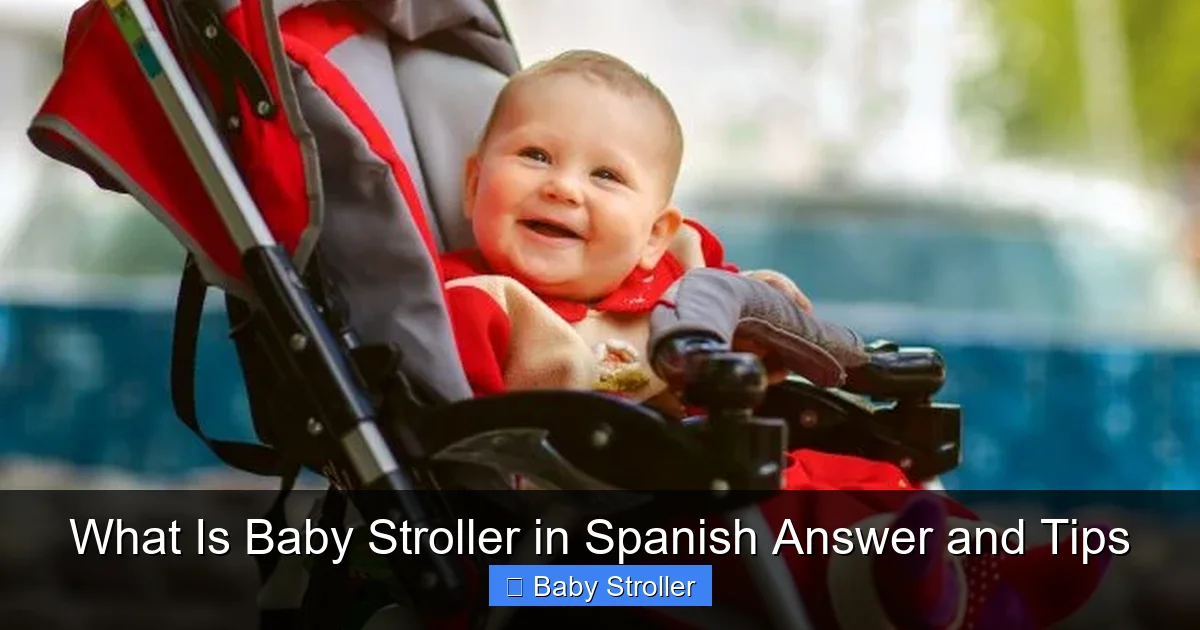
Visual guide about What Is Baby Stroller in Spanish Answer and Tips
Image source: thriftymommaramblings.com
Pronunciation is easy. Say it like this: koh-cheh-SEE-toh. Practice it a few times. Now you have your basic answer!
Step-by-Step: Mastering Stroller Vocabulary in Spanish
Let’s move beyond one word. This section breaks it down into easy steps. You will build your knowledge from the ground up.
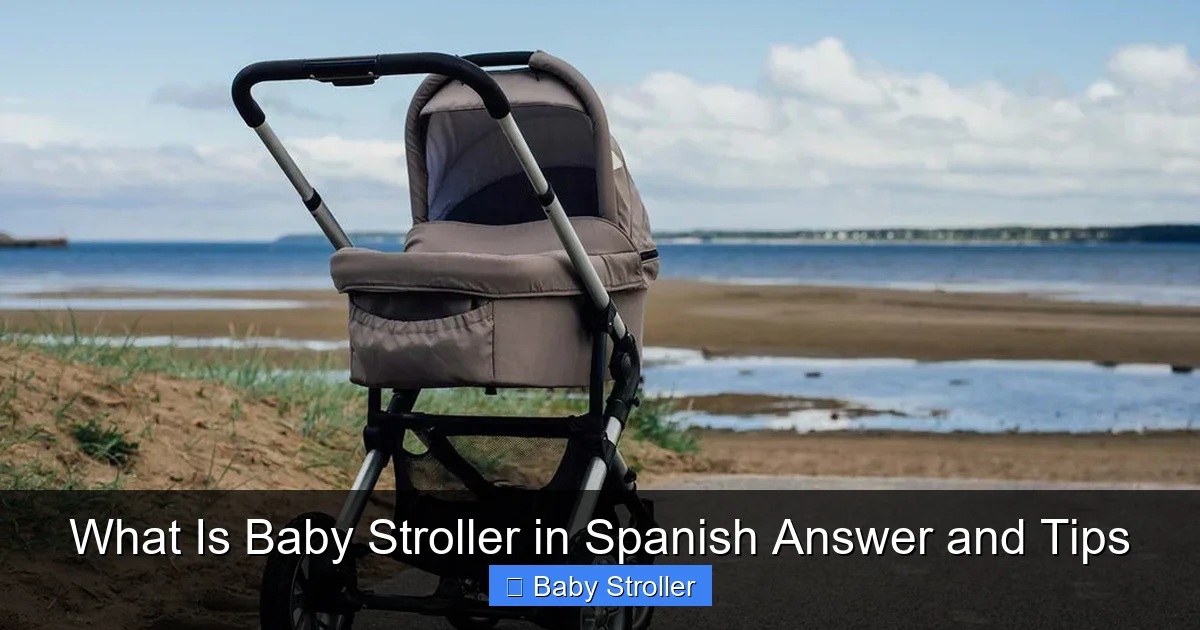
Visual guide about What Is Baby Stroller in Spanish Answer and Tips
Image source: advisebaby.com
Step 1: Learn the Core Vocabulary
First, learn these essential words. They are the building blocks.
- Cochecito: The standard term for stroller/pram.
- Carriola: Very common in Mexico and Central America.
- Coche (de bebé): Used frequently in Spain. “Vamos con el coche” means “We’re taking the stroller.”
- Andador: Used in some South American countries like Colombia and Peru. Careful! In other regions, “andador” means “baby walker.”
- Silla de Paseo: Translates to “walking chair.” A clear descriptive term used in many areas.
- Paseadora: Less common, but heard in parts of the Caribbean.
Step 2: Understand Regional Differences
Spanish varies a lot by country. This is the most important tip after learning “cochecito.”
If you are going to Mexico, say “carriola.” Everyone uses it. In Spain, “coche” or “cochecito” is perfect. In Argentina or Uruguay, you might hear “cochecito” or “silla de paseo.” In the Andean region (Colombia, Peru), listen for “andador.” When in doubt, start with “cochecito.” Then ask, “¿Cómo le dicen aquí?” (What do you call it here?).
Step 3: Learn Related Phrases for Practical Use
Now, let’s use these words in real sentences. This helps with shopping and daily life.
- Shopping: “Estoy buscando un cochecito ligero.” (I’m looking for a light stroller.)
- Asking for Help: “¿Dónde está el ascensor para el cochecito?” (Where is the elevator for the stroller?)
- Describing Features: “Quiero uno que se recline completamente.” (I want one that reclines completely.)
- Safety: “¿Cumple con las normas de seguridad europeas?” (Does it comply with European safety standards?)
Tips for Buying a Stroller in a Spanish-Speaking Country
Buying a stroller is a big decision. Doing it in another language can be tricky. Follow these tips.
Visual guide about What Is Baby Stroller in Spanish Answer and Tips
Image source: thumbs.dreamstime.com
Tip 1: Research Store Names and Brands
Search for “tiendas de bebés” (baby stores) or “cochecitos” online before you go. Popular international brands (like Bugaboo, Stokke) often keep their names. But local brands are great too. Look for brands like “Jane” (Spain) or “Mima” (Spain).
Tip 2: Know the Types of Strollers
Explain what you need. Here are the types in Spanish:
- Capazo or Moisés: The bassinet attachment for newborns.
- Silla de Paseo: The actual stroller seat.
- Cochecito de Viaje / Tipo Paraguas: Umbrella stroller.
- Tándem o Gemelar: Double stroller.
- Cochecito Todo Terreno: All-terrain stroller.
Tip 3: Ask the Right Questions
Don’t be shy. Ask these key questions at the store.
- “¿Es reversible?” (Is it reversible?)
- “¿Qué peso máximo soporta?” (What is the maximum weight it supports?)
- “¿Se pliega fácilmente con una mano?” (Does it fold easily with one hand?)
- “¿Incluye el capazo?” (Does it include the bassinet?)
Traveling with Your Stroller: Essential Spanish Phrases
Travel is exciting. Being prepared makes it smoother. Use these phrases at the airport, hotel, or museum.
At the Airport: “Necesito facturar el cochecito en la puerta de embarque.” (I need to gate-check the stroller.)
At a Restaurant: “¿Tienen sitio para dejar el cochecito?” (Do you have space to park the stroller?)
On Public Transport: “¿Este vagón tiene acceso para cochecitos?” (Does this train car have stroller access?)
At an Attraction: “¿Se pueden entrar cochecitos?” (Are strollers allowed inside?)
Common Mistakes to Avoid
Even small errors can cause confusion. Avoid these common pitfalls.
Mistake 1: Using “Carro” Incorrectly. In many countries, “carro” means “shopping cart” or “car.” Saying “carro de bebé” might get you a puzzled look. Stick to “cochecito.”
Mistake 2: Confusing “Andador.” Remember, in many places, an “andador” is a baby walker (the stationary circle with wheels). Confirm the meaning locally.
Mistake 3: Assuming Universal Terms. Don’t assume your word is the only word. Listen to what locals say and mimic their language.
Conclusion: You’re Ready to Roll!
You now know much more than just the translation. You learned that cochecito is your key word. You discovered important regional variations like carriola and coche. You picked up practical phrases for shopping and travel. This knowledge will help you connect with people. It will make your travels easier. It might even help you find the perfect stroller for your family. Remember, language is about communication. Even if your pronunciation isn’t perfect, trying shows respect and effort. ¡Buen viaje y felices paseos con tu cochecito! (Have a good trip and happy walks with your stroller!)
🎥 Related Video: When you’re a First Time Mom AND it’s TRIPLETS!!! 😳😳😳#youtubeshorts #momlife #triplets
📺 The Beck Triplets