
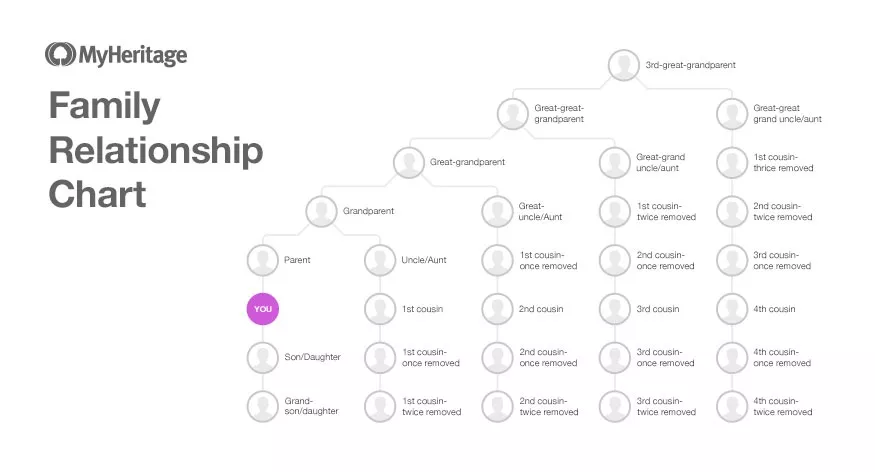
Your parent’s cousin is your first cousin once removed. This term might sound confusing, but it really isn’t.
Family relationships can be tricky to understand. Knowing who is who in your family tree helps create a sense of connection. Understanding these relationships can also be crucial for various reasons, such as genealogy research or family reunions. In this blog post, we will break down what a parent’s cousin is to you.
We will explain the meaning of “once removed” and how it applies to your family. So, let’s dive in and make this complex topic simple and clear.
Family Relationship Basics
Understanding family relationships can be confusing. Knowing the basics helps. The terms used for family relationships can vary. This guide will help clarify these terms. You’ll learn how to name your parents’ cousin in relation to you.
Family Tree
A family tree is a diagram. It shows relationships between family members. It starts with one person. Then it branches out to show connections. This helps in understanding who is related to whom.
Here is a simple family tree:
| Generation | Relationship |
|---|---|
| 1st | Grandparents |
| 2nd | Parents, Aunts, Uncles |
| 3rd | You, Siblings, Cousins |
| 4th | Your Children, Niece, Nephew |
Relationship Terms
Family relationship terms can be tricky. Knowing the terms helps in understanding your family tree.
- First Cousin: Your parent’s sibling’s child.
- Second Cousin: Your grandparent’s sibling’s grandchild.
- Cousin Once Removed: Your parent’s cousin.
So, your parents’ cousin is your cousin once removed. This term means they are one generation removed from you.
Credit: thecatsite.com
Understanding Cousins
Family relationships can be confusing. One common question is, “What is your parent’s cousin to you?” To understand this, you need to know the types of cousins. This section will explain the different types of cousins, including first and second cousins.
First Cousins
First cousins are the children of your parents’ siblings. In simple terms, if your mom’s or dad’s brother or sister has kids, those kids are your first cousins. You share the same set of grandparents with your first cousins.
Here’s a simple table to illustrate:
| Relation | Example |
|---|---|
| Your Parent | Mom or Dad |
| Your Parent’s Sibling | Uncle or Aunt |
| Uncle/Aunt’s Child | Your First Cousin |
Second Cousins
Second cousins are a bit more distant. They are the children of your parent’s first cousins. In other words, they are your grandparents’ siblings’ grandchildren.
For example, your mom’s or dad’s first cousin’s child is your second cousin. You share the same great-grandparents with your second cousins.
Here’s a simple table to illustrate:
| Relation | Example |
|---|---|
| Your Grandparent | Grandma or Grandpa |
| Grandparent’s Sibling | Great Uncle or Great Aunt |
| Great Uncle/Aunt’s Grandchild | Your Second Cousin |
Understanding these relationships helps you know your family better. It also helps in understanding how family bonds work. Always remember, these relationships are part of your family tree.
Parents’ Cousins Explained
Family relationships can be confusing. One such relationship is between you and your parents’ cousins. This post will break down the connection. Understanding this can help you know your family better.
Terminology
There are specific terms for family members. These terms make it easier to identify relationships.
- First Cousin: Your parents’ siblings’ children.
- Second Cousin: Your grandparents’ siblings’ grandchildren.
- Third Cousin: Your great-grandparents’ siblings’ great-grandchildren.
Your parents’ cousins fall into one of these categories. Let’s explore this further.
Connection To You
So, what is your parents’ cousin to you? The answer lies in understanding family tree generations.
| Relationship | Term |
|---|---|
| Parents’ First Cousin | First Cousin Once Removed |
| Parents’ Second Cousin | Second Cousin Once Removed |
In short, your parents’ cousins are your cousins too. They are just one generation removed.
In a family tree, you share common ancestors with your parents’ cousins. This makes them an extended part of your family.

Credit: www.quora.com
Extended Family Dynamics
Understanding extended family relationships can be confusing. Your parents’ cousins, for example, have specific roles in your family. Knowing these roles helps in building stronger family connections and appreciating cultural diversity.
Roles In Family
Your parents’ cousins are your first cousins once removed. This means they are one generation apart from you. In family gatherings, they may act as older siblings or mentors. They often share family stories and traditions, bridging generational gaps.
Understanding their role can help in maintaining a close-knit family. They can be key figures in family reunions and celebrations. Knowing who they are can also help in tracing your family history.
Cultural Differences
Different cultures have unique ways of identifying extended family members. In some cultures, your parents’ cousins might be called uncles or aunts. This shows the respect and importance given to extended family members.
In other cultures, there may be specific terms for these relationships. For example, in Chinese culture, terms like biaoge and biaojie are used. These terms differentiate between paternal and maternal cousins. Understanding these cultural nuances can enrich your family interactions.
| Culture | Term for Parents’ Cousins |
|---|---|
| Western | First Cousin Once Removed |
| Chinese | Biaoge (Male), Biaojie (Female) |
| Indian | Uncle, Aunt |
Recognizing these cultural differences can help you show respect and understanding. It can also prevent misunderstandings during family interactions.
In summary, knowing the roles and cultural differences of your parents’ cousins can enhance your family dynamics. It creates a more inclusive and respectful family environment.
Navigating Family Reunions
Family reunions can be exciting but also confusing. You meet many relatives you don’t see often. One question that often arises is, “What is your parent’s cousin to you?” This guide will help you navigate these gatherings and understand your extended family better.
Meeting Extended Family
At family reunions, you may meet your parent’s cousins. They might be unfamiliar to you. Understanding how they fit into your family tree can help break the ice.
Here is a simple table to explain family relationships:
| Relation | Title |
|---|---|
| Your parent’s cousin | First cousin once removed |
| Your parent’s sibling | Aunt/Uncle |
| Your cousin’s child | First cousin once removed |
Knowing these titles can help. You can address your relatives correctly. This simple gesture can make conversations smoother.
Strengthening Bonds
Family reunions are great for strengthening bonds. Spend time with your parent’s cousins. Share stories and memories.
Here are a few tips to build strong connections:
- Ask about their childhood with your parents.
- Share a meal together.
- Participate in family activities.
These activities can help you feel more connected. They also make the reunion more enjoyable.
Remember, family reunions are about building relationships. Take the time to know your extended family. You might discover shared interests and common stories. This can create lasting bonds.
Genealogy Tools
Understanding your family relationships can be complex. Knowing what your parents’ cousin is to you often requires genealogy tools. These tools help simplify the family tree.
Family Tree Software
Family tree software helps you map out relationships. You can visualize and track your family history easily. Many of these tools come with user-friendly interfaces.
- Easy data entry
- Visual family tree
- Printable charts
This software also allows you to add details. Birthdates, places, and even stories can be included. This makes understanding your relationship to your parents’ cousin easier.
Dna Testing
DNA testing has become popular. It confirms relationships through genetic data. This can provide clarity on family connections.
Many DNA testing services offer:
- Ancestry reports
- Ethnicity breakdowns
- Match lists
These match lists show how you are related to others. They often include cousins and more distant relatives. This can help you understand your connection to your parents’ cousin.
Using these genealogy tools makes understanding your family tree simpler and more accurate.
Credit: education.myheritage.com
Frequently Asked Questions
What Is My Parent’s Cousin To Me?
Your parent’s cousin is your first cousin once removed.
How Do I Address My Parent’s Cousin?
You can address your parent’s cousin as “cousin,” or by their first name.
Is My Parent’s Cousin Considered Close Family?
Yes, your parent’s cousin is considered extended family but still close.
Can I Call My Parent’s Cousin An Aunt Or Uncle?
No, your parent’s cousin is not an aunt or uncle. They are your first cousin once removed.
How Is A First Cousin Once Removed Related To Me?
A first cousin once removed is either your parent’s cousin or your cousin’s child.
Conclusion
Understanding family relationships can be tricky. Your parents’ cousin is your first cousin once removed. This means they are one generation apart from you. Knowing this helps you navigate family gatherings better. It can also strengthen family bonds. Always cherish these connections.
They are part of your family history. Learning about them adds depth to your family tree. Embrace this knowledge. It enriches your sense of belonging. Family ties matter. Keep exploring them.
