
Wondering how to keep your baby warm in a carrier during winter? This guide provides practical tips on selecting the right clothing layers, materials, and accessories to ensure your little one stays snug and comfortable when you’re out and about in cold weather.
Key Takeaways
- Layering is Key: Dress your baby in multiple layers to trap warmth while allowing for easy adjustments.
- Choose the Right Fabrics: Opt for breathable, moisture-wicking materials that keep your baby dry and warm.
- Use a Baby Carrier Cover: A cover or blanket can provide extra warmth and wind protection.
- Monitor Temperature: Regularly check your baby’s temperature to ensure they’re not too hot or cold.
- Accessorize Wisely: Don’t forget hats, mittens, and booties to protect extremities from the cold.
- Practice Safe Wearing: Ensure that your baby is securely positioned in the carrier for safety and warmth.
- Stay Active: Keep moving to generate body heat, which helps keep your baby warm too.
What Should Baby Wear in Carrier in Winter for Maximum Warmth
As the winter months roll in, many parents face the challenge of keeping their babies warm while enjoying the outdoors. Whether you’re taking a stroll in the park or running errands, knowing how to properly dress your baby in a carrier is essential for their comfort and safety. In this guide, you’ll learn the best practices for dressing your little one in a carrier during winter, including layering techniques, clothing choices, and valuable tips to ensure maximum warmth.
Understanding the Basics of Baby Clothing in Winter
Before diving into specific clothing choices, it’s crucial to understand why dressing your baby correctly in winter is so important. Babies are more susceptible to temperature changes, and their bodies can lose heat quickly. The right clothing will help maintain their body temperature while in a carrier.
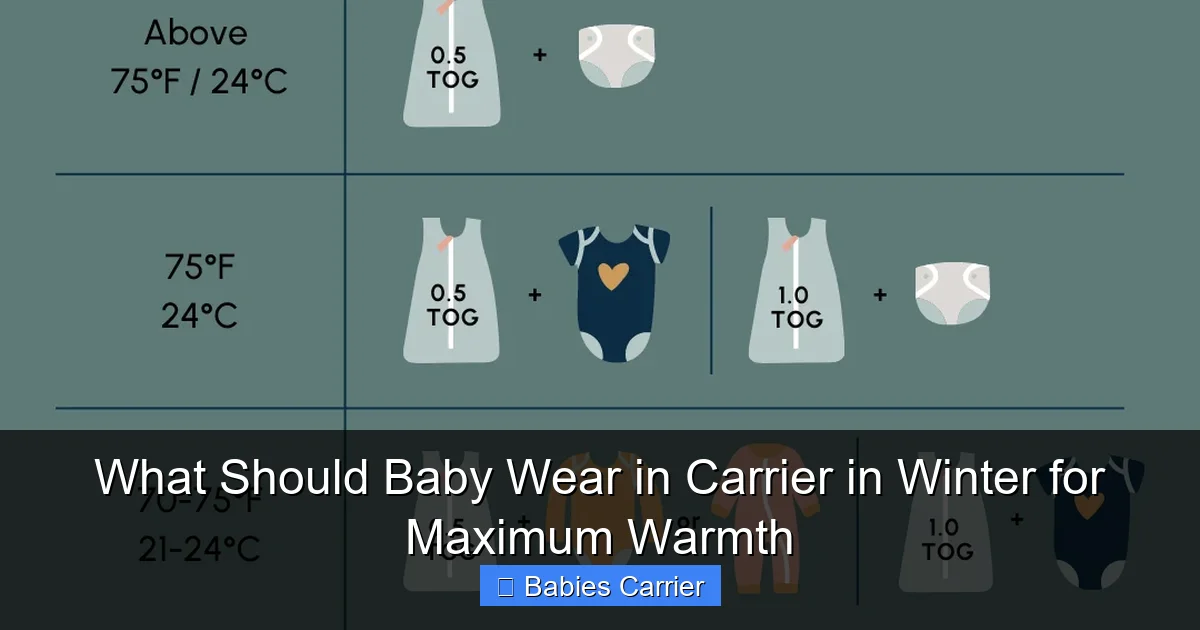
Visual guide about What Should Baby Wear in Carrier in Winter for Maximum Warmth
Image source: kajabi-storefronts-production.kajabi-cdn.com
Step 1: Start with the Right Base Layer
The base layer is essential as it sits closest to your baby’s skin. Here’s how to choose it:
Choose Thermal Fabrics
- Material: Look for thermal or fleece fabrics that provide warmth without bulkiness.
- Fit: Ensure it fits snugly but is not too tight to restrict movement.
Avoid Cotton
Cotton can trap moisture and make your baby feel colder. Opt for moisture-wicking materials instead.
Step 2: Add a Middle Layer for Insulation
Once you have a solid base layer, the next step is to add an insulating middle layer.
Opt for Lightweight Fleece or Wool
- Fleece: Provides excellent insulation without being heavy.
- Wool: Natural wool is warm and breathable, making it an excellent option.
Consider a Hooded Option
A hood can provide additional warmth for your baby’s head and neck, which are critical areas for heat retention.
Step 3: Choose the Top Layer Wisely
The top layer is your baby’s outer protection against the elements.
Look for a Weather-Resistant Jacket
- Material: Choose a jacket that is windproof and water-resistant.
- Features: Look for features like adjustable cuffs and a high collar for extra protection.
Consider a Baby Carrier Cover
A baby carrier cover can provide additional warmth and is designed to fit snugly over your carrier, offering extra insulation from the cold and wind.
Step 4: Don’t Forget Accessories
Accessories play a crucial role in keeping your baby warm during winter outings.
Warm Hats and Mittens
- Hats: A warm hat that covers the ears helps retain heat effectively.
- Mittens: Keep your baby’s hands warm with soft, insulated mittens.
Booties or Warm Socks
Ensure your baby’s feet are snug and warm with booties or thick socks that fit securely.
Step 5: Layering Tips and Tricks
Layering is essential for maintaining warmth, but it’s also important to ensure your baby is comfortable.
Monitor Temperature Regularly
Check your baby’s temperature frequently. If they feel too warm or sweaty, remove a layer.
Adjust Layers as Needed
Don’t hesitate to add or remove layers based on your activity level and the weather conditions.
Step 6: Safety First!
While keeping your baby warm is vital, safety should always come first.
Ensure Proper Positioning in the Carrier
- Head Support: Make sure your baby’s head is supported and not slumped over.
- Leg Position: Their legs should be in a comfortable position to ensure proper circulation.
Check for Overheating
Watch for signs of overheating, such as excessive fussiness or sweating. Adjust layers immediately if you notice these signs.
Step 7: Stay Active
When you’re out and about, staying active helps keep both you and your baby warm.
Keep Moving
Walking or hiking will generate body heat, benefiting your little one as well!
Plan Your Routes Wisely
Choose routes that are less exposed to harsh winds and cold weather for a more comfortable experience.
Conclusion
Keeping your baby warm in a carrier during winter doesn’t have to be a daunting task. By understanding the importance of layering, choosing the right materials, and using accessories wisely, you can ensure that your little one stays cozy and comfortable. Remember to monitor their temperature frequently and adjust layers as needed for a safe and enjoyable outing. With these tips, you and your baby can embrace winter adventures together!
🎥 Related Video: Baby carriers are an essential in a child's development. Get yours today at Kshs 1,500. #babycarrier
📺 Nilababy Shop
