
Losing a parent is a deeply emotional experience. It brings a whirlwind of feelings and tasks.
Dealing with a parent’s death is overwhelming. You may feel lost and unsure of your next steps. It’s important to take one thing at a time. This blog will guide you through the necessary steps. From handling immediate arrangements to managing your emotions, we’ll cover it all.
Remember, it’s okay to seek support. You don’t have to go through this alone. Let’s take this journey together and find ways to honor your parent while taking care of yourself.
Immediate Steps To Take
When a parent dies, the initial moments are often overwhelming. Taking the right steps immediately can help manage the situation better. Here’s what you should do first.
Notify Family And Friends
Start by informing close family members and friends. Use a phone call or a personal visit if possible. This ensures they hear the news from someone close to them.
You can use a group message or email for less immediate contacts. This helps to spread the word quickly and efficiently.
Contact Authorities
If your parent dies at home, call the local authorities. Dial 911 to report the death and get guidance on the next steps.
If they passed away in a hospital or care facility, the staff will handle this for you. They will contact the necessary authorities and guide you through the process.
Once the authorities are informed, you can then take care of other necessary arrangements, like contacting a funeral home.
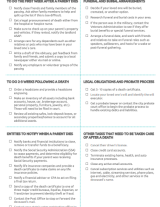
Credit: www.familyeducation.com
Handling Legal Matters
Dealing with the loss of a parent is incredibly challenging. During this difficult time, handling legal matters can seem overwhelming. It is important to take a few key steps to ensure everything is managed properly.
Obtain Death Certificate
The first step is to obtain a death certificate. You will need this document for many legal processes. You can get it from the hospital or from your local vital records office.
Make sure to get multiple copies. You will need them for banks, insurance companies, and other institutions.
Review The Will
The next step is to review the will. The will outlines your parent’s wishes for their estate. If you do not know where the will is, check with their attorney or financial advisor.
Once you have the will, read it carefully. It will help you understand how to distribute the assets. If there is no will, the estate will be handled according to state laws.
Handling legal matters after a parent’s death can be tough. But taking these steps will help you manage everything more smoothly.
Managing Financial Affairs
Dealing with the financial aspects after a parent’s passing can be overwhelming. It is crucial to handle these matters promptly and efficiently to avoid any complications. Here are the steps you should follow:
Inform Financial Institutions
Notify all relevant financial institutions about your parent’s death, including banks, credit card companies, insurance providers, and investment firms. Provide them with the necessary documentation to begin the process of closing or transferring accounts.
Settle Outstanding Debts
Compile a list of your parent’s outstanding debts and liabilities. Work with creditors to settle these obligations using the assets from the estate. Prioritize debts based on interest rates and urgency to avoid any legal issues.

Credit: www.youtube.com
Organizing The Funeral
Organizing a funeral can be a daunting task, especially during a time of grief. Breaking down the process into manageable steps can help. This section will cover important aspects, such as choosing a funeral home and planning the service.
Choose A Funeral Home
Choosing a funeral home is the first step in organizing a funeral. Start by researching local options. Look for reviews online and ask friends or family for recommendations.
Consider the following factors:
- Location: Is the funeral home conveniently located?
- Services: Do they offer the services you need?
- Reputation: What do others say about their experiences?
- Cost: Are their prices within your budget?
Once you have a list of potential funeral homes, visit them in person. Meet with the staff and ask questions. This will help you make a more informed decision.
Plan The Service
Planning the service involves several important steps. First, decide on the type of service you want. This could be a traditional funeral, a memorial service, or something unique.
Next, consider the following elements:
- Location: Where will the service be held?
- Time and Date: When will the service take place?
- Officiant: Who will lead the service?
- Music: What songs or hymns will be played?
- Readings: Will there be any special readings or poems?
- Eulogies: Who will speak about the deceased?
Creating a detailed plan can ensure that the service reflects your loved one’s wishes. It also provides a comforting experience for family and friends.
Grieving And Emotional Support
Losing a parent is one of life’s most challenging moments. The pain and sorrow can be overwhelming. It’s important to find ways to cope with grief and seek emotional support during this difficult time. Here are some effective methods to help you through this journey.
Seek Counseling
Professional counseling can provide a safe space to express your emotions. A therapist can guide you through the grieving process, helping you understand your feelings. They offer coping strategies tailored to your situation. This support can be crucial in managing grief.
Join Support Groups
Support groups allow you to connect with others experiencing similar losses. Sharing your story and hearing others’ experiences can be comforting. It helps to know you’re not alone. Many communities and online platforms offer support groups for those grieving a parent’s loss.
Credit: www.joincake.com
Long-term Considerations
After the loss of a parent, there are many immediate tasks to handle. Yet, long-term considerations are equally important. These steps ensure you manage your parent’s legacy and keep your affairs in order.
Manage Inheritance
Handling inheritance can be complex. Begin by understanding the will. If a will exists, follow the instructions carefully. If there is no will, state laws will guide inheritance distribution. It is wise to work with a probate attorney to avoid mistakes. This professional can help with legal paperwork and court procedures.
Consider opening an estate account. This account can pay off debts and collect any assets. It simplifies the process and keeps your finances separate. Also, review any beneficiaries listed on accounts like life insurance. Ensure they are updated and accurate.
| Step | Description |
|---|---|
| Understand the Will | Read and follow the will’s instructions. |
| Consult a Probate Attorney | Seek help with legal procedures and paperwork. |
| Open an Estate Account | Use this account to manage debts and collect assets. |
| Review Beneficiaries | Ensure all beneficiaries on accounts are correct. |
Update Personal Documents
After a parent’s death, update your own documents. This includes any legal papers that list your parent as a contact. Start with your own will. Make sure it reflects current wishes and situations. Update your power of attorney and healthcare proxy if your parent was named. Choose new contacts you trust.
Next, check your financial documents. This includes bank accounts, retirement plans, and insurance policies. Ensure all information is current and accurate. It’s also important to update emergency contact information in your personal records. Schools, employers, and medical offices should have the correct contacts for you.
- Update your will
- Revise power of attorney and healthcare proxy
- Check financial documents
- Update emergency contact information
By taking these steps, you can manage the long-term considerations following a parent’s death. This ensures their legacy is respected and your personal affairs are in order.
Frequently Asked Questions
What Are The First Steps After A Parent Dies?
Notify family and close friends. Contact a funeral home. Begin to gather important documents.
How To Handle A Parent’s Finances After Their Death?
Locate their will. Notify banks and creditors. Manage their accounts and debts.
What Documents Are Needed After A Parent Passes Away?
Death certificate, will, insurance policies, and financial statements. These documents are essential.
How To Cope With Grief After Losing A Parent?
Seek support from friends and family. Consider therapy or support groups. Take care of yourself.
What Should Be Done With A Deceased Parent’s Belongings?
Sort through items. Decide what to keep, donate, or sell. Seek help if needed.
Conclusion
Losing a parent is incredibly tough. It’s okay to grieve deeply. Lean on friends and family for support. Handle necessary arrangements step by step. Take time to remember and honor your parent. Seek professional help if needed. Stay patient with yourself throughout the process.
Life will gradually find a new normal. Remember, you’re not alone in this journey. Healing takes time but is possible. Stay strong and take it one day at a time.
