
In this guide, you’ll learn about the important considerations for using a front-facing baby carrier. Discover the *optimal age*, *safety tips*, and *best practices* to ensure your little one’s comfort and security while exploring the world together.
Key Takeaways
- Optimal Age: Babies should ideally be at least 5-6 months old before facing forward.
- Physical Development: Ensure your baby has strong neck and back muscles for safe front-facing carrying.
- Safety Features: Check that your carrier has adequate support and safety features before using it.
- Duration of Use: Limit the time your baby spends facing forward to avoid overstimulation.
- Comfort Matters: Adjust the carrier to ensure your baby is comfortable and secure.
- Monitoring: Always keep an eye on your baby for signs of discomfort or fatigue.
- Consult Experts: When in doubt, seek advice from pediatricians or babywearing educators.
When Baby Carrier Front Facing Is Safe for Your Little One
As a parent, you always want the best for your little one, especially when it comes to their safety and comfort. Baby carriers are a wonderful way to keep your baby close while allowing you to be hands-free. However, the question of when to start using a front-facing baby carrier is a common concern among parents. In this guide, we’ll explore when it’s safe to use a front-facing carrier, the benefits and risks, and practical tips for ensuring a positive experience for both you and your baby.
Understanding Baby Development
Before diving into the specifics of front-facing baby carriers, it’s essential to understand your baby’s physical development. Babies undergo several milestones in their first year of life, and each of these milestones plays a role in determining when they can safely be carried in a front-facing position.
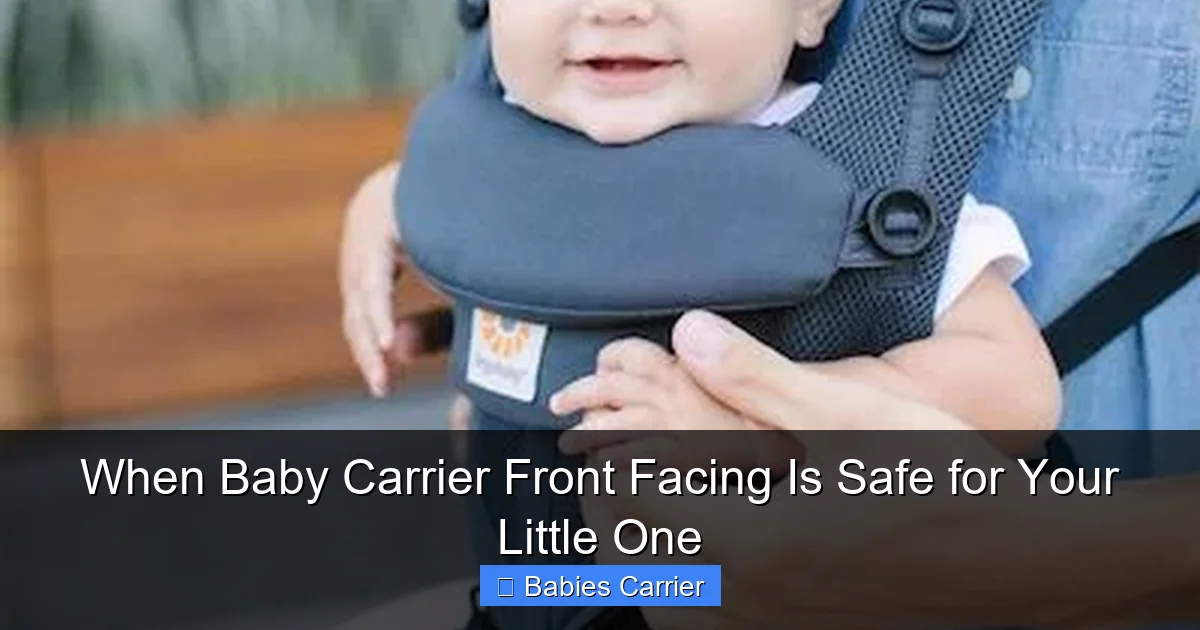
Visual guide about When Baby Carrier Front Facing Is Safe for Your Little One
Image source: littlebabygear.com
Neck and Back Support
Babies typically develop the neck strength needed to support their heads around 3-4 months. However, they need to have adequate muscle control and back support before facing forward in a carrier. Generally, this means your baby should be at least 5-6 months old before you consider using a front-facing carrier.
When to Use a Front-Facing Baby Carrier
Once your baby reaches the appropriate developmental stage, you can begin to use a front-facing baby carrier safely. Here’s a guide on when and how to do it.
Age Considerations
As mentioned, the ideal age for front-facing carrying is between 5-6 months. By this time, your baby should:
- Have good head and neck control
- Be able to sit up with minimal support
- Be experiencing heightened curiosity about their surroundings
Physical Readiness
In addition to age, consider your baby’s physical readiness. Look for these signs:
- Strong head and neck control
- Ability to sit up independently
- Interest in their environment and a desire to engage
Choosing the Right Baby Carrier
Not all baby carriers are created equal. When selecting a front-facing baby carrier, consider the following factors:
Safety Features
Look for carriers that provide:
- Wide, padded straps for your comfort
- Supportive seats that hold your baby securely
- Adjustable settings to accommodate your baby’s size
Proper Support
Your baby’s spine is still developing, so choose a carrier that supports the natural curve of their spine. This means opting for a carrier that allows your baby to sit in a frog-like position with their knees higher than their hips.
How to Safely Use a Front-Facing Baby Carrier
Once you have chosen the right front-facing baby carrier, follow these steps to ensure safe and comfortable use:
Step 1: Prepare Your Baby
Before putting your baby in the carrier, ensure they are calm and content. You can engage them with a toy or talk to them to make them feel secure.
Step 2: Adjust the Carrier
Make sure the carrier is adjusted correctly. Check the straps so that they are snug but not too tight. Your baby should feel secure without any risk of slipping.
Step 3: Position Your Baby
Carefully place your baby in the carrier, ensuring they are facing forward. Their back should be supported, and their legs should be in a comfortable position. Always ensure that their face is visible and not obstructed.
Step 4: Monitor Your Baby
As your baby adjusts to the front-facing position, keep a close eye on them. Look for signs of discomfort, such as fussiness or head drooping. If you notice any issues, it might be time to switch them back to a rear-facing position.
Step 5: Limit Time in the Carrier
While it may be exciting to show your baby the world, it’s essential to limit the amount of time they spend facing forward. Start with short intervals of around 20-30 minutes and gradually increase it as they become more accustomed.
Addressing Common Concerns
Even with the best intentions, parents can face challenges when using a front-facing baby carrier. Here are some common concerns and ways to address them:
Overstimulation
Babies can become overwhelmed when facing forward, as they are exposed to many sights and sounds. If your baby appears fussy, consider turning them back to a rear-facing position to provide a sense of security.
Physical Discomfort
If your baby seems uncomfortable or is crying while in the carrier, check for any signs of pinching or incorrect positioning. Make the necessary adjustments to ensure they are comfortable and secure.
Conclusion
Using a front-facing baby carrier can be a wonderful way to share experiences with your little one, but safety and comfort should always come first. By waiting until your baby is developmentally ready and choosing the right carrier, you can create enjoyable moments while exploring the world together. Remember to monitor your baby closely, limit their time in the forward position, and consult with professionals if you have any doubts. Happy carrying!
🎥 Related Video: Outward bound! 🌟 Learn how to front-face with ease using our Baby Carrier Move.
📺 BabyBjörn
babybjorn #babyshorts #babycarrier.
