
Using a baby carrier on your back can be a game-changer for parents. This guide offers practical tips for comfort and safety, ensuring both you and your baby enjoy the experience. Learn how to position the carrier properly and troubleshoot common issues.
Key Takeaways
- Comfortable Positioning: Ensure the baby is seated correctly to prevent discomfort for both parent and baby.
- Safety Checks: Always double-check the straps and buckles before use.
- Practice Before Use: Get familiar with the carrier in a safe environment before heading out.
- Choosing the Right Carrier: Select a carrier designed for back carrying to ensure proper support.
- Monitor Your Baby: Keep an eye on your baby’s position and comfort level while using the carrier.
- Adjust for Growth: Regularly adjust the carrier as your baby grows to maintain safety and comfort.
- Seek Support: Consider having someone assist you when first learning how to put on the carrier.
When Baby Carrier on Back: Tips for Comfort and Safety
Using a baby carrier on your back can enhance your parenting experience. It allows you to keep your hands free while ensuring your little one remains close to you. This guide will teach you how to use a baby carrier on your back safely and comfortably, ensuring both you and your baby enjoy your time together.
Choosing the Right Baby Carrier
The first step is selecting the right carrier. There are different types of carriers designed specifically for back carrying. Look for features such as:
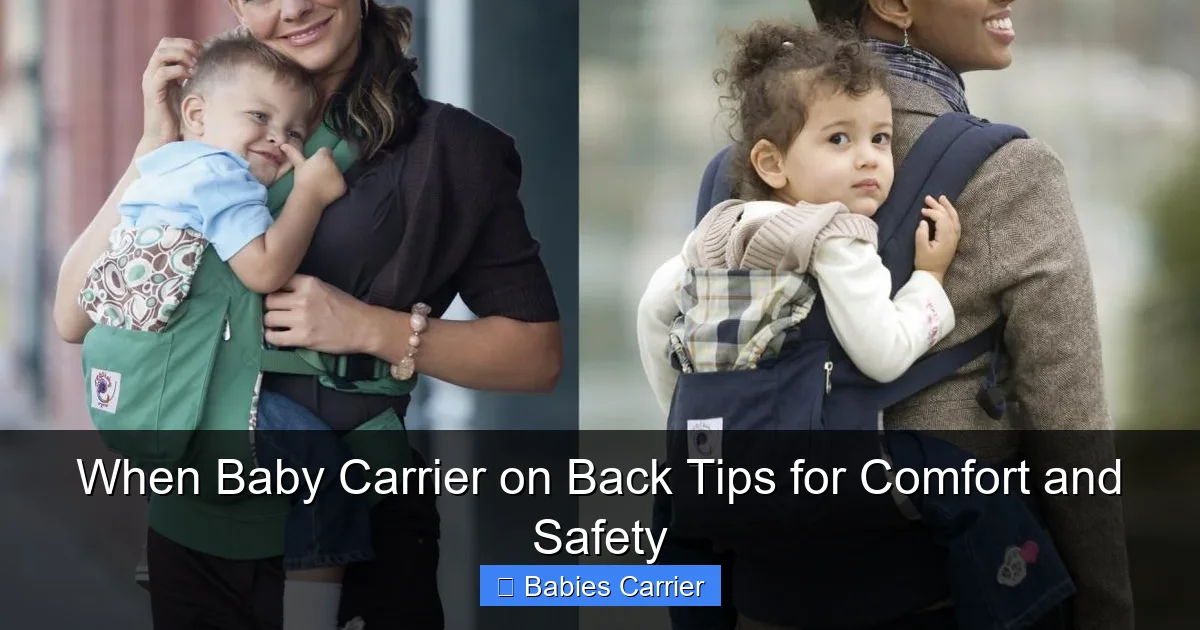
Visual guide about When Baby Carrier on Back Tips for Comfort and Safety
Image source: mommygear.com
- Wide and padded shoulder straps: These distribute weight evenly.
- Sturdy waist belt: This helps support the lower back.
- Adjustable settings: Ensure the carrier can grow with your baby.
- Safety features: Look for buckles, straps, and other safety measures.
Preparing to Use the Carrier
Step 1: Adjust the Carrier
Before you put your baby in the carrier, make sure it’s adjusted to your body size. Follow these steps:
- Loosen the straps to make it easier to get your baby in.
- Ensure the waist belt is snug but comfortable around your waist.
- Check that the shoulder straps are adjusted to your height.
Step 2: Position Your Baby
When your carrier is ready, it’s time to position your baby. Here’s how:
- Hold your baby in front of you, ensuring they are calm and comfortable.
- With one hand, support your baby’s bottom and back.
- With the other hand, grab the carrier and position it behind you.
- Lift your baby and slide them into the carrier, ensuring their legs are in the “M” position.
Getting Your Baby Securely in the Carrier
Step 3: Secure the Carrier
Once your baby is in the carrier, it’s essential to secure it properly:
- Fasten all buckles and straps, ensuring they click securely.
- Adjust the straps to ensure your baby is snug against your back.
- Double-check that your baby’s head is supported and their airways are clear.
Step 4: Test the Carrier
Before you start moving around, it’s important to test whether everything is secure:
- Gently sway back and forth to see if your baby feels secure.
- Ask someone to help you check that the carrier is properly fastened.
- Ensure you can comfortably reach the straps to make adjustments later if needed.
Practical Tips for Comfort and Safety
1. Maintain Good Posture
When using the carrier, keep your shoulders back and your spine straight. Good posture ensures that you stay comfortable and reduces the risk of strain.
2. Take Breaks
Even if everything feels comfortable, it’s essential to take breaks. If you start to feel fatigued or your baby seems restless, take a moment to stop and adjust.
3. Stay Aware of Your Surroundings
Being aware of your environment is crucial. Watch out for low doorways, branches, or obstacles that could bump your baby. Always be cautious when navigating crowded areas.
4. Dress Your Baby Appropriately
Dress your baby in comfortable clothing that allows for movement. Avoid bulky clothing that could interfere with the carrier’s fit. Remember that your body heat can warm them up quickly!
5. Keep an Eye on Temperature
Babies can get hot quickly in carriers. Check your baby’s temperature often, especially on warm days. Consider using a light blanket or sunshade if needed.
Troubleshooting Common Issues
1. Baby Seems Uncomfortable
If your baby appears uncomfortable, check their position. Ensure their legs are in the correct “M” shape, and their back is supported. Adjust the carrier as needed.
2. Straps Digging into Your Shoulders
If the straps are uncomfortable, try re-adjusting them or redistributing your baby’s weight by leaning slightly forward or backward.
3. Baby Gets Fussy
Sometimes, babies get fussy when being carried. Try soothing them by gently bouncing or swaying, or take a break to check if they need a diaper change or feeding.
Conclusion
Using a baby carrier on your back can be a wonderful way to bond with your baby while keeping your hands free. By following the steps outlined in this guide, you can ensure comfort and safety for both you and your little one. Remember to choose the right carrier, adjust it properly, and keep an eye on your baby’s comfort level. Happy carrying!
🎥 Related Video: The do’s and don’ts of baby carriers 🚼 #shorts #babycarrier #momtip #chiro #baby #chiropractor
📺 Momma’s Chiro
