
In this guide, you will learn about the best age and developmental milestones for using a forward-facing baby carrier. We’ll cover safety tips and practical advice to ensure a fun and secure experience for both you and your little one. Get ready for new adventures!
Key Takeaways
- Developmental Readiness: Babies should be at least 5-6 months old and able to hold their heads up steadily before facing forward.
- Physical Support: Ensure your baby has strong neck and back muscles to support their weight when facing forward.
- Safety First: Always follow the manufacturer’s guidelines for your specific baby carrier model.
- Comfort Matters: Check that your baby is comfortable and not overstimulated while facing forward.
- Frequent Breaks: Offer breaks to change positions, allowing your baby to switch between forward-facing and inward-facing.
- Watch for Signs: Keep an eye on your baby’s cues; if they seem fussy or overwhelmed, it might be time to turn them back inward.
- Consult Your Pediatrician: If you have any concerns about your baby’s readiness, consult your pediatrician for personalized advice.
When Can Baby Carrier Face Forward for Your Little Explorer
Are you excited to explore the world with your little one? Baby carriers are a fantastic tool for parents on the go. But when can your baby start facing forward in the carrier? In this guide, we’ll dive deep into the best practices for forward-facing baby carriers, including age requirements, safety tips, and what to look for in your baby’s development. Let’s get started!
Understanding Baby Development
Before you strap your baby into a forward-facing carrier, it’s essential to understand their developmental milestones. Babies grow at different rates, but certain skills indicate when they’re ready to face the world. Here are key areas to monitor:
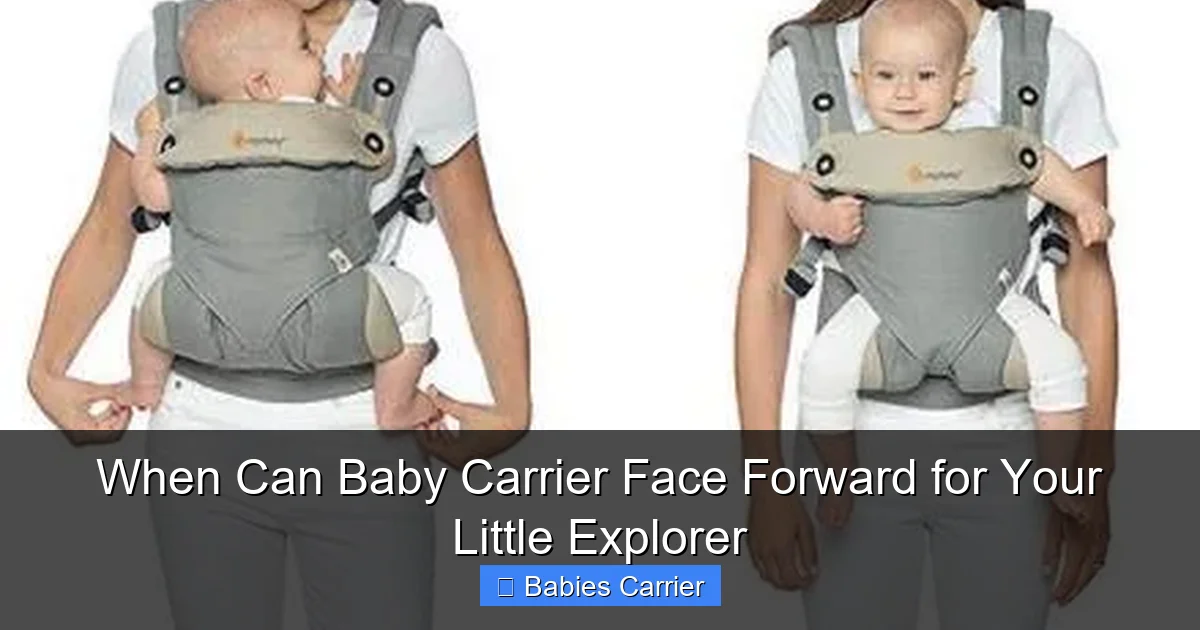
Visual guide about When Can Baby Carrier Face Forward for Your Little Explorer
Image source: ergonomic-baby-carriers.com
Head and Neck Control
By around 5 to 6 months, most babies can hold their heads up steadily without support. This is a critical milestone that indicates they can handle the forward-facing position. You can test this by gently lifting your baby while supporting their back. If they can keep their head upright, they are on the right track.
Back Strength
Along with head control, your baby needs strong back muscles to support their weight while facing outward. This strength develops as they spend time on their tummy and practice sitting up. Look for signs like your baby being able to sit with minimal support.
Curiosity and Engagement
As your baby grows, so does their curiosity. Babies often show signs of wanting to engage with their surroundings. If your baby seems eager to see what’s happening around them, it may be a good indication they’re ready for a forward-facing carrier.
When to Start Using a Forward-Facing Carrier
Now that you understand your baby’s development, let’s talk about timing. You can generally start using a forward-facing baby carrier when your baby is:
- At least 5-6 months old
- Capable of holding their head up independently
- Able to sit up with minimal support
Every baby is different, so always prioritize their individual readiness over age alone. If you’re unsure, consult your pediatrician, as they can provide guidance based on your baby’s specific needs.
Choosing the Right Baby Carrier
Not all baby carriers are designed the same. Here are some tips for selecting the right one for forward-facing use:
Check the Manufacturer’s Guidelines
Read the instructions that come with your carrier. Manufacturers often provide specific age and weight recommendations for forward-facing use. Following these guidelines ensures your baby’s safety.
Look for Adjustable Features
Choose a carrier with adjustable straps and settings. This will help you customize the fit for your baby as they grow. An adjustable carrier ensures comfort for both you and your little explorer.
Opt for Supportive Materials
Look for carriers made from breathable and supportive materials. A comfortable carrier will keep your baby happy, reducing the likelihood of fussiness while facing forward.
How to Safely Use a Forward-Facing Carrier
Once you’ve selected the right carrier, it’s time to learn how to use it safely. Follow these steps:
Step 1: Prepare the Carrier
Before putting your baby in the carrier, ensure it’s adjusted to fit your body comfortably. Check that all straps are secure and that the carrier is oriented for forward-facing use.
Step 2: Position Your Baby
Gently lift your baby and position them against your chest. Support their bottom and back while you slide them into the carrier. Make sure their legs are in the correct position—typically in an M-shape for optimal hip support.
Step 3: Secure the Carrier
Once your baby is positioned, fasten all straps according to the manufacturer’s instructions. Ensure your baby is snug but not too tight; you should be able to fit a finger between your baby and the carrier.
Step 4: Monitor Comfort and Cues
As you start moving, keep an eye on your baby’s reactions. If they seem uncomfortable or fussy, consider adjusting their position or taking a break. Always listen to their cues!
Practical Tips for Forward-Facing Carriers
To make the most of your forward-facing carrier experience, consider these practical tips:
Take Frequent Breaks
Switching positions can help prevent overstimulation. After about 20-30 minutes, take a break to adjust your baby’s position. Allow them to face inward for a while, giving them a chance to relax.
Be Mindful of Overstimulation
When facing forward, your baby may become overwhelmed with sights and sounds. If your baby starts to show signs of stress or fussiness, it’s a good idea to change their position back to inward-facing.
Ensure Proper Hip Positioning
Check that your baby’s legs are in the correct position. They should be spread apart with their knees above their hips to promote healthy hip development. This is especially important if you plan on using the carrier for extended periods.
Troubleshooting Common Issues
Sometimes, issues may arise while using a forward-facing baby carrier. Here are some common problems and solutions:
Baby Seems Uncomfortable
If your baby appears uncomfortable, check the fit of the carrier. Ensure it’s not too tight and that all straps are adjusted correctly. You might also want to switch them back to an inward-facing position for a while.
Fussiness or Crying
It’s normal for babies to get fussy sometimes. However, if your baby continues to cry, it may be a sign they are overstimulated or bored. Take a break and give them some time out of the carrier.
Straps Digging In
If the straps dig into your shoulders or back, readjust the carrier to distribute the weight more evenly. A well-fitted carrier should not cause discomfort for you or your baby.
Conclusion
Using a forward-facing baby carrier can be an exciting experience for both you and your little explorer. By understanding your baby’s developmental milestones and following safety guidelines, you can ensure enjoyable outings together. Remember to monitor your baby’s comfort and adjust as needed. With the right carrier and approach, you’ll be ready for countless adventures!
🎥 Related Video: How to wear a Newborn in a baby carrier properly | Babywearing Basics by Baby Tula
📺 Baby Tula
Getting the right fit with a tiny newborn can feel intimidating, especially with so many baby carriers to choose from. The Baby Tula …
