
In this guide, you’ll learn when your baby can safely face out in a carrier and the best practices for doing so. We’ll provide tips on comfort, safety, and developmental milestones to ensure both you and your baby enjoy this bonding experience.
Key Takeaways
- Age Matters: Babies should ideally face out when they have strong head and neck control, usually around 5-6 months.
- Safety First: Always ensure that the carrier is designed for outward-facing and follow the manufacturer’s guidelines.
- Comfort is Key: Choose a carrier that distributes weight evenly to avoid discomfort for both you and your baby.
- Developmental Milestones: Pay attention to your baby’s developmental signs before transitioning to outward-facing.
- Try Before You Buy: If possible, test carriers in-store to find the best fit for you and your baby.
- Adjust Regularly: Make necessary adjustments to ensure your baby is secure and comfortable each time you use the carrier.
- Bonding Experience: Facing out can enhance your baby’s curiosity and engagement with the world, making it a delightful experience.
When Can Baby Face Out in Carrier for Optimal Comfort and Safety
Baby carriers are a fantastic way to bond with your little one while keeping your hands free. As your baby grows, you may wonder when it’s safe for them to face out in the carrier. This guide will help you understand the right time to make the switch, how to do it safely, and tips for optimal comfort for both you and your baby.
Understanding Baby Development
Before transitioning your baby to an outward-facing position, it’s essential to understand their developmental needs. Babies go through several stages of growth, and their ability to face out safely depends largely on their physical development.
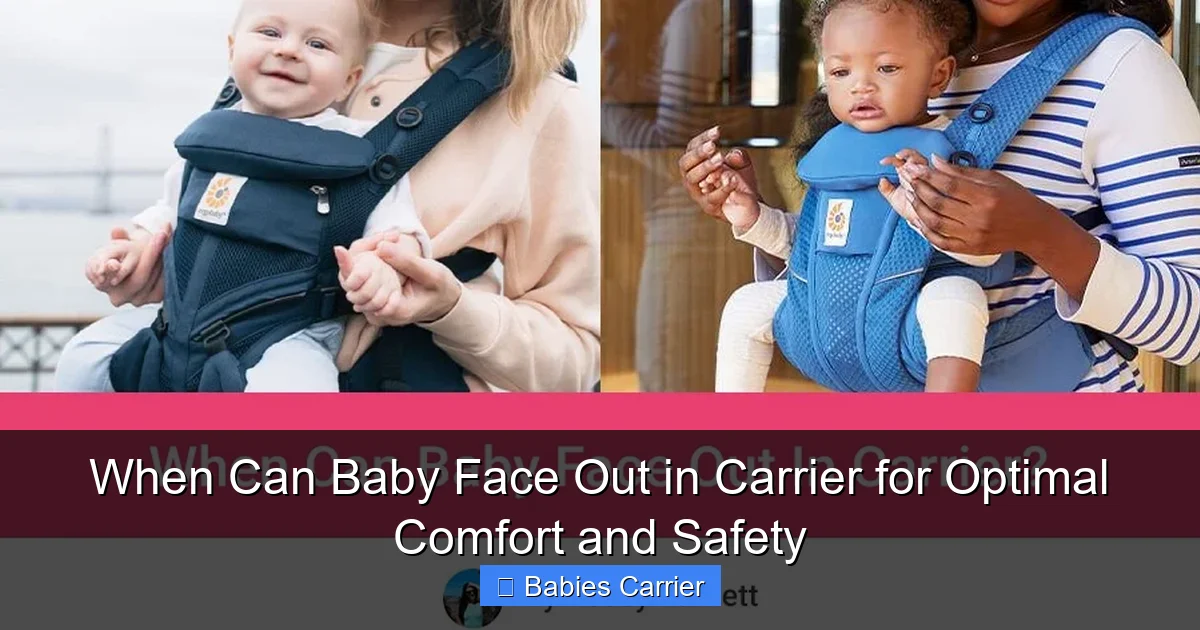
Visual guide about When Can Baby Face Out in Carrier for Optimal Comfort and Safety
Image source: littlebabygear.com
Head and Neck Control
Most babies can support their head and neck by around 4-6 months. This is crucial because it allows them to maintain a stable position while facing out. If your baby can hold their head up steadily and sit up with minimal support, they are likely ready to face out.
Leg and Hip Development
Facing out requires good leg strength and hip development. Ensure your baby’s legs are in a natural, “M” position, which is best for hip development. If your baby is still in the early stages of development, consider waiting until they can adequately support their legs.
When to Start Facing Out
The ideal time to start using an outward-facing position is typically around 5-6 months. However, every baby is unique, and it’s essential to pay attention to cues from your little one. Here are some factors to consider:
Signs Your Baby is Ready
- Good Head Control: As mentioned, your baby should be able to hold their head up independently.
- Curiosity: If your baby is showing interest in the world around them, they may be eager to face outward.
- Comfort in the Carrier: Your baby should seem comfortable and secure in the carrier before making the switch.
Choosing the Right Carrier
Not all carriers are designed for outward-facing positions. Here are some tips for choosing the right carrier:
Types of Carriers
- Structured Carriers: These typically offer good support and are designed for outward-facing use. Look for brands that specifically mention this feature.
- Wrap Carriers: While they can be versatile, ensure that they can support outward-facing safely and comfortably.
- Slings: These may not always provide the necessary support for an outward-facing position and can be less safe.
Fit and Comfort
Make sure the carrier fits you well. A good fit will help distribute your baby’s weight evenly across your body, preventing strain on your back and shoulders. Look for padded straps and a supportive waist belt.
How to Safely Face Your Baby Out
Once you’ve selected the right carrier and determined that your baby is ready, it’s time to safely secure your baby in an outward-facing position.
Step-by-Step Instructions
- Prepare the Carrier: Follow the manufacturer’s guidelines to adjust the carrier for outward-facing use.
- Secure Your Baby: Place your baby in the carrier, ensuring they are seated comfortably. Their legs should be in the “M” position.
- Check the Straps: Adjust the straps to ensure your baby is snug but not too tight. You should be able to fit a finger between the straps and your baby.
- Monitor Position: Ensure your baby’s chin is off their chest to keep their airway clear. Their face should be visible at all times.
Adjusting for Comfort
As you and your baby get used to the new position, make adjustments as needed. If your baby seems uncomfortable, it may be time to face them inward again. Always listen to your baby’s cues.
Practical Tips for Outward-Facing Babywearing
Here are some additional tips to ensure that your babywearing experience is enjoyable:
- Start Slowly: Begin with short outings while your baby is facing out, gradually increasing the duration as they get comfortable.
- Engage Your Baby: Talk to your baby and point out interesting sights to keep them engaged.
- Check Regularly: Frequently check on your baby to ensure they are comfortable and secure in the carrier.
- Be Mindful of Overstimulation: If your baby seems fussy, it might be too much stimulation. Consider switching back to inward-facing.
Troubleshooting Common Issues
Even with careful planning, issues can arise. Here are some common problems and solutions:
Baby Seems Uncomfortable
If your baby is fussy or seems uncomfortable, check their position. Ensure their legs are in the correct position, and they are not too tightly strapped in.
Carrier Feels Heavy
Weight distribution is key. If the carrier seems heavy, adjust the straps for better support. Consider taking breaks to relieve pressure on your back.
Baby Gets Tired
It’s natural for babies to get tired. If your baby shows signs of fatigue, switch to an inward-facing position or take a break.
Conclusion
Transitioning your baby to face out in a carrier can be a delightful experience for both of you, offering new perspectives and opportunities for interaction. Remember to prioritize safety and comfort, and always be attentive to your baby’s cues. By following the guidelines in this guide, you can enjoy many happy outings together.
🎥 Related Video: The do’s and don’ts of baby carriers 🚼 #shorts #babycarrier #momtip #chiro #baby #chiropractor
📺 Momma’s Chiro
