

Your baby is ready to sit in a stroller seat when they have strong, independent head and neck control, typically around 6 months old. Before this, a fully reclining seat or a bassinet attachment is essential for safe, flat-lying travel. Always prioritize your baby’s developmental signs over their calendar age and consult your pediatrician if you’re unsure.
Key Takeaways
- Head Control is Crucial: Your baby must be able to hold their head up steadily and independently for extended periods before sitting in an upright stroller seat. This prevents slumping and airway blockage.
- Age is a Guideline, Not a Rule: While many babies are ready around 6 months, readiness depends on individual development. Some may be ready earlier, others later.
- Start with Full Recline: When first transitioning, always use the stroller’s most reclined position. Gradually move to more upright angles as your baby’s core strength improves.
- The Right Stroller Matters: Use a stroller with a multi-position, padded seat that can recline fully (near 180 degrees) for young infants. Umbrella strollers are not suitable for newborns.
- Use the 5-Point Harness Always: Secure your baby with the crotch strap and shoulder straps snugly every time. This is your primary safety device in the stroller.
- Watch for Discomfort Signs: If your baby slumps, fusses excessively, or seems fatigued in the seat, revert to a more reclined position or use a carrier or car seat (if approved for stroller use).
When Is Your Baby Ready to Sit in a Stroller: A Parent’s Complete Guide
One of the most exciting milestones is moving your baby from a bassinet to the big-kid stroller seat. It feels like a promotion for both of you. But timing is everything for safety and comfort. Sit them up too soon, and you risk injury. Wait too long, and you might miss out on fun, face-to-face strolls. This guide will walk you through the signs of readiness, how to choose the right stroller, and the step-by-step process for a safe and happy transition. You will learn to read your baby’s cues and make the move with confidence.
Understanding Your Baby’s Developmental Readiness
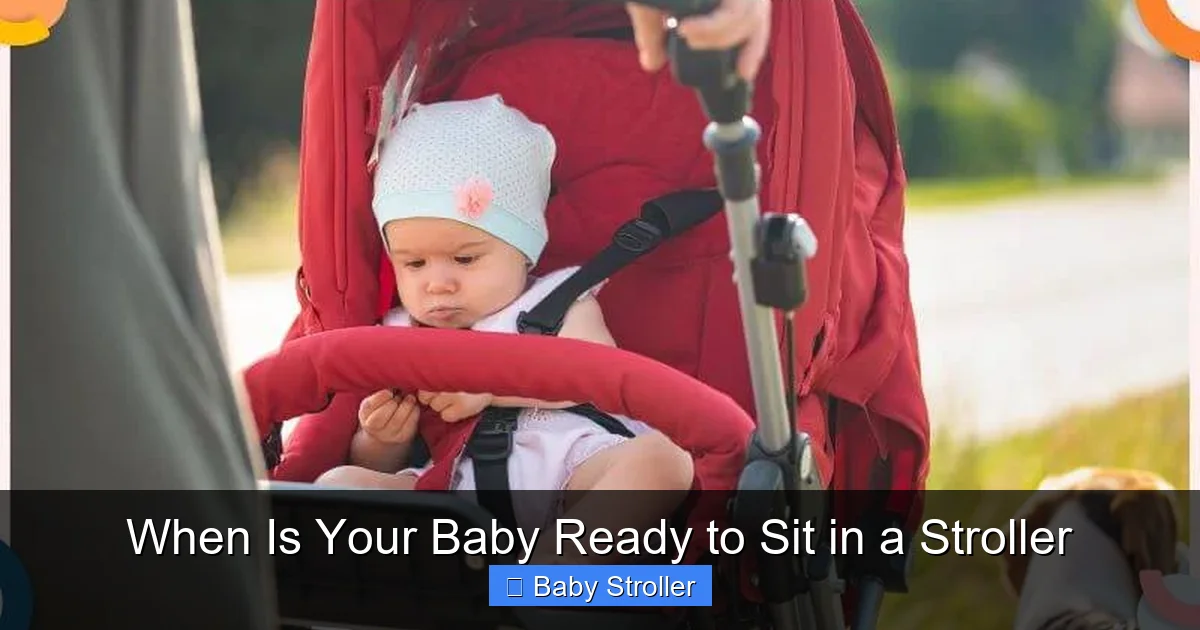
Your baby’s bones, muscles, and nervous system need to develop before they can safely sit upright. The key factor isn’t age. It’s strength.
Visual guide about When Is Your Baby Ready to Sit in a Stroller
Image source: brightestbeginning.com
The #1 Sign: Strong Head and Neck Control
This is non-negotiable. Your baby must be able to hold their head up steady without wobbling. They should do this for long periods during tummy time. Why is this so important? A stroller seat offers less support than your arms or a car seat. If your baby’s head flops forward, it can restrict their airway. This is a serious risk. You can test this during playtime. When you pull your baby gently to a sitting position from lying on their back, does their head lag behind? Or does it come up with their body? If it comes up, that’s a great sign.
Building Core Strength: More Than Just the Head
Once head control is solid, core strength follows. Your baby needs some trunk stability to sit without slumping to one side. You might see this during supported sitting on your lap. They begin to use their own muscles to stay upright. They aren’t just leaning against you. This core strength prevents them from curling into a “C” shape in the stroller seat. A slumped posture is uncomfortable. It can also make breathing harder.
The Age Guideline: What Most Experts Say
Most pediatricians and stroller manufacturers suggest that around 6 months is a typical age for sitting in a stroller seat. This aligns with when many babies gain good head control and start sitting with support. But remember, this is an average. A very strong 4-month-old might be ready. A more relaxed 7-month-old might need more time. Always let your baby’s abilities guide you, not the date on the calendar.
Choosing the Right Stroller for a Young Sitter
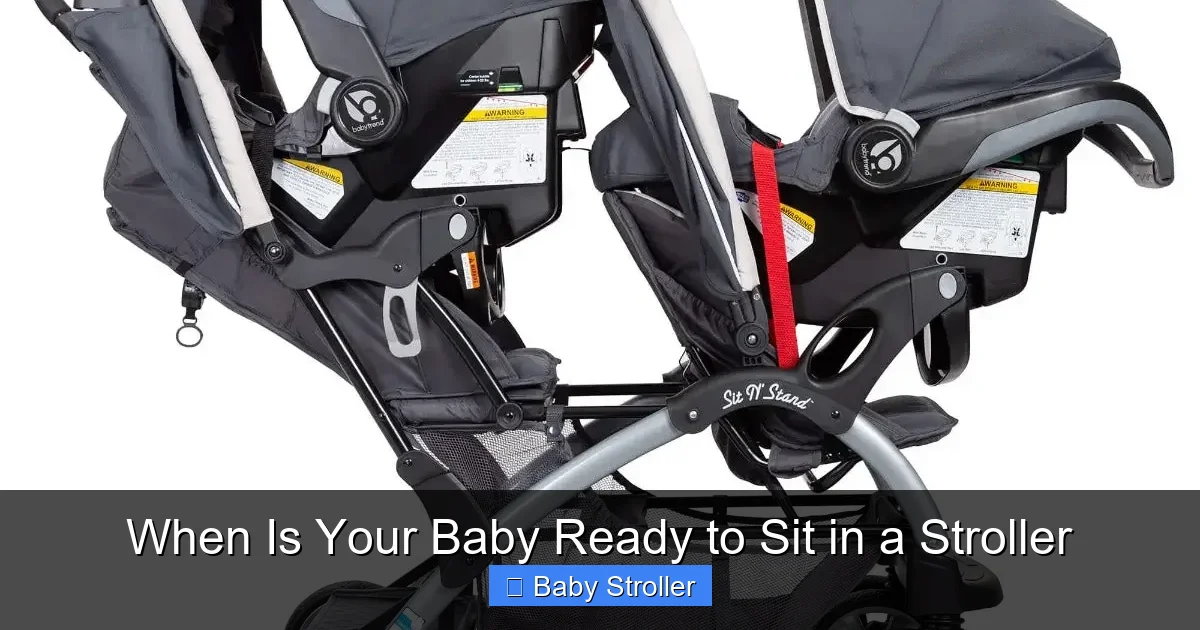
Not all strollers are created equal for a baby learning to sit. The right features make all the difference for safety and support.
Visual guide about When Is Your Baby Ready to Sit in a Stroller
Image source: cdn.shopify.com
Look for a Full, Flat Recline
The best stroller for a young infant has a seat that reclines to nearly 180 degrees (fully flat). This lets you use it from day one with a newborn. When it’s time to sit up, you can start in this fully reclined position. Then, you can slowly adjust the seat to more upright angles as your baby gets stronger. Many “travel system” strollers have this feature.
Prioritize a Sturdy, 5-Point Harness
This is your baby’s seatbelt. A 5-point harness has two shoulder straps, two waist straps, and a crotch strap. It secures your baby at five points. This prevents them from sliding down or wiggling out. Always use it. Make sure the straps are adjusted to fit your baby snugly. You should not be able to pinch excess strap at the shoulder.
Avoid Umbrella Strollers (For Now)
Lightweight umbrella strollers are tempting. But they are not for young babies. Their seats are often sling-like and offer little support. They rarely recline fully. Save the umbrella stroller for when your child is a confident, independent sitter and walker (usually after 12-18 months).
Consider a “Lie-Flat” Pram or Bassinet
For babies under 6 months who aren’t ready to sit, the safest option is a stroller with a lie-flat bassinet or pram attachment. This provides a firm, flat surface perfect for sleep and spinal development. It’s the ideal way to stroll before your baby is ready for the seat.
Step-by-Step: Transitioning Your Baby to the Stroller Seat
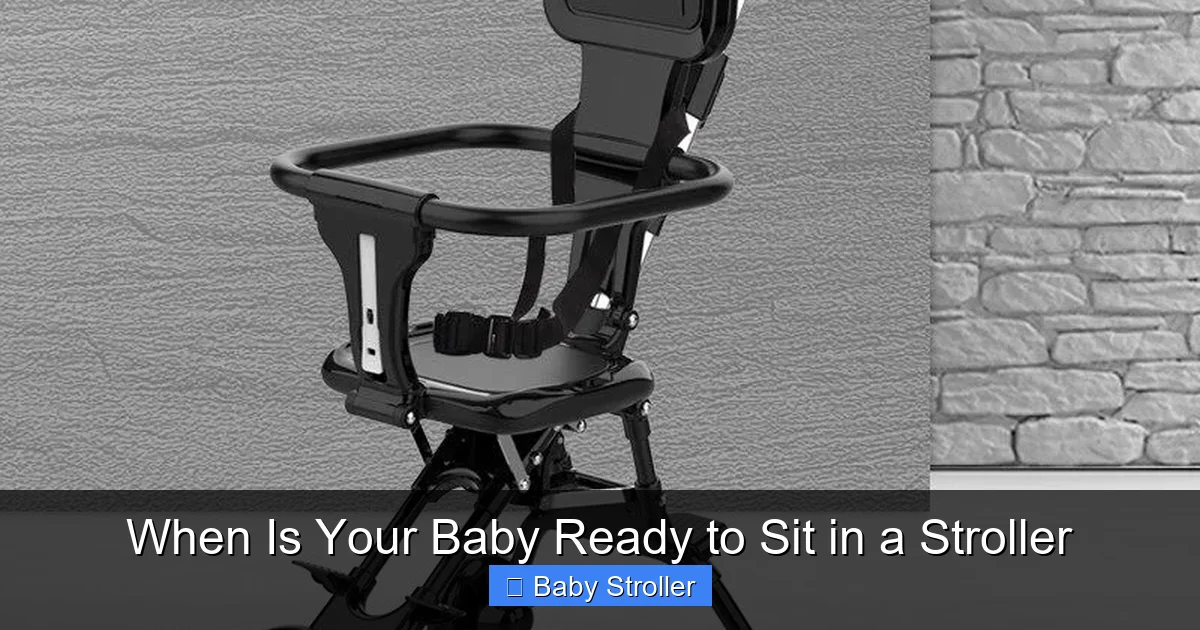
Ready to make the move? Follow these steps for a smooth transition.
Visual guide about When Is Your Baby Ready to Sit in a Stroller
Image source: my-test-11.slatic.net
Step 1: The Pre-Flight Check (At Home)
First, practice supported sitting on the floor. Use pillows or a nursing pillow for support. Let your baby get used to the sitting position in a safe, soft environment. Also, double-check your stroller manual. Ensure you understand how to adjust the recline and harness properly.
Step 2: The First “Seated” Ride (Fully Reclined)
For your baby’s first time in the stroller seat, click it into the fully reclined position. It should be almost flat. Secure the 5-point harness snugly. Take a short, smooth test stroll around your home or a calm driveway. Watch your baby closely. Are they comfortable? Is their head stable? This isn’t about the view yet. It’s about getting used to the seat.
Step 3: Gradual Upright Progression
After several successful trips in full recline, try the next recline setting. Maybe it’s a 45-degree angle. Go for another short walk. If your baby handles it well, you can gradually increase the angle over days or weeks. Never jump from fully flat to fully upright in one go. Let your baby’s muscles adapt slowly.
Step 4: Engaging the World (Upright and Secure)
Once your baby is happily sitting at a semi-upright or upright angle, the fun begins. They can now see you and the world. Talk to them during your walk. Point out sights. Keep walks enjoyable and within their endurance. Even a strong sitter can get tired. Always end on a good note.
Troubleshooting Common Stroller Sitting Problems
What if things don’t go smoothly? Here are solutions to common issues.
Problem: Baby Slumps or Slouches to One Side
Solution: Your baby is telling you they aren’t ready for that angle yet. Immediately return the seat to a more reclined position. Use extra padding or rolled-up muslin cloths (securely placed, away from the face) for side support. Ensure the harness is tight enough to prevent slumping.
Problem: Baby Seems Unhappy or Fussy in the Seat
Solution: Check for discomfort. Is the sun in their eyes? Are they too hot or cold? Are the straps pinching? Maybe they are just bored. Try attaching a stroller toy. If fussiness continues, they might be fatigued. Recline the seat for a nap or end the walk.
Problem: Baby Falls Asleep and Their Head Flops Forward
Solution: This is a safety red flag. The stroller seat is not a safe sleep space unless it can be fully flat. If your baby falls asleep, immediately stop and recline the seat to its flattest position. Always supervise a sleeping baby in a stroller. Never let them sleep in an upright or semi-upright seat for extended periods.
Final Thoughts and Safety First
Watching your baby sit up and take in the world from their stroller is a joy. By waiting for strong head control, using a supportive stroller, and transitioning slowly, you set the stage for countless happy adventures. Always remember: safety over speed. When in doubt, choose a more reclined position or use a bassinet. Your baby’s development is a journey, not a race. Trust your instincts, watch for their cues, and enjoy every step of the way. Happy strolling.
🎥 Related Video: Don't Switch to a Stroller Until You Check For This
📺 Emma Hubbard
Sitting a baby up in a stroller before they’re ready presents some significant safety risks. It also leads to a baby who’s …