
In this guide, you’ll learn when you can use a baby carrier for both comfort and convenience. From newborns to toddlers, we’ll cover safety guidelines, practical tips, and the best practices to make your parenting journey easier. Let’s dive in!
Key Takeaways
- Point 1: Baby carriers can be used from the newborn stage to toddlerhood, but proper support is crucial.
- Point 2: Always check the weight limit and age recommendations of your specific carrier model.
- Point 3: Ensure that the baby’s head, neck, and spine are well-supported, especially in the early months.
- Point 4: Use a baby carrier for hands-free convenience, making daily tasks easier while keeping your baby close.
- Point 5: Consider different types of baby carriers (wraps, slings, structured carriers) based on your lifestyle and comfort needs.
- Point 6: Regularly inspect your baby carrier for wear and tear to ensure safety.
- Point 7: Practice putting on and adjusting the carrier before using it with your baby for a smoother experience.
When Can You Use a Baby Carrier for Comfort and Convenience
As a new parent, you may wonder about the best ways to bond with your baby while also managing daily tasks. A baby carrier can be a fantastic solution, providing comfort and convenience. In this guide, we’ll explore when you can start using a baby carrier, safety considerations, types of carriers, and practical tips for making the most of this handy tool.
Understanding Baby Carriers
Baby carriers come in various styles, including wraps, slings, and structured carriers. Each type has its unique features and benefits. Before you start using a baby carrier, it’s essential to understand how they work and when they are safe for your baby.
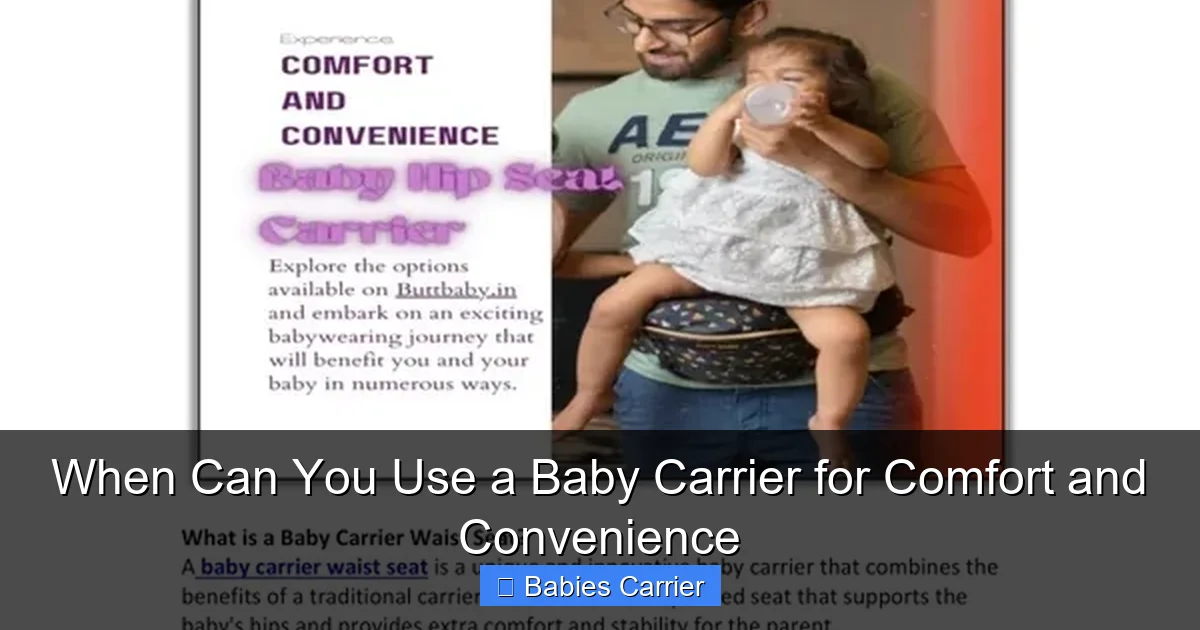
Visual guide about When Can You Use a Baby Carrier for Comfort and Convenience
Image source: cdn7.slideserve.com
When to Start Using a Baby Carrier
You can begin using a baby carrier as early as the newborn stage, but there are some important factors to consider.
Newborn Stage (0-3 Months)
Most carriers are suitable for newborns, but it’s crucial that they provide adequate support for your baby’s head, neck, and spine. Here are some tips:
- Choose a carrier that has a reclined position for infants.
- Ensure that the carrier allows your baby to sit in a natural “M” position with knees higher than the bottom.
- Use head and neck support for the first few months until your baby can hold their head up independently.
Infant Stage (3-12 Months)
As your baby grows, they will become more active and curious. You can use baby carriers in various positions, such as front-facing or on your back. Here’s what to consider:
- Opt for a structured carrier that supports the weight of a growing baby.
- Switch to front-facing or back-carrying options when your baby can hold their head and neck up well.
- Ensure that the carrier allows for easy adjustments as your baby grows.
Toddler Stage (12+ Months)
As your baby becomes a toddler, they may want to explore their surroundings. However, a baby carrier can still be beneficial:
- Choose a carrier that can accommodate the weight and height of a toddler.
- Use the carrier for outings, hiking, or crowded places where a stroller may be cumbersome.
- Make sure to secure your toddler properly to prevent any falls or slips.
Safety Considerations for Using a Baby Carrier
While baby carriers are incredibly useful, safety should always come first. Here are some essential safety tips:
Check Manufacturer Guidelines
Every baby carrier comes with specific guidelines regarding age and weight limits. Always adhere to these recommendations to ensure safety.
Proper Positioning
Ensure that your baby is positioned correctly in the carrier:
- Check that their head is supported and their chin is off their chest.
- Make sure their airways are clear and that they can breathe easily.
- Monitor your baby’s position regularly, especially as they grow.
Inspect the Carrier Regularly
Before each use, inspect your baby carrier for any signs of wear or damage. Look for:
- Torn fabric or straps
- Loose buckles or fasteners
- Weak seams
Choosing the Right Baby Carrier for Your Needs
There are several types of baby carriers available, and each has its own advantages. Here’s a quick overview:
Wrap Carriers
Wrap carriers are long pieces of fabric that you can tie around your body and your baby. They are versatile and can be adjusted to fit various body types. They are great for newborns due to their snug fit.
Sling Carriers
Sling carriers are similar to wraps but are often easier to use. They have a ring or a buckle that allows for quick adjustments. They are suitable for short outings and provide good support for newborns.
Structured Carriers
Structured carriers are designed for more extended use and offer additional support for your back. They come with padded shoulder straps and a waist belt, making them ideal for carrying toddlers.
Practical Tips for Using a Baby Carrier
Using a baby carrier can be a rewarding experience. Here are some practical tips:
Practice Before You Go Out
Before using the carrier in public, practice putting it on and taking it off at home. This will help you feel more confident when you’re out and about.
Stay Comfortable
Make sure that both you and your baby are comfortable while using the carrier. Adjust the straps and position until it feels right. Take breaks if you start to feel fatigued.
Engage with Your Baby
Use the time in the carrier to talk, sing, or make eye contact with your baby. This strengthens your bond and keeps your baby engaged.
Explore Different Environments
Baby carriers allow you to explore various environments more easily. Whether you’re hiking, shopping, or visiting a friend, a carrier can make the experience smoother.
Troubleshooting Common Issues
Here are some common issues you might face while using a baby carrier and how to solve them:
Baby is Uncomfortable
If your baby seems fussy or uncomfortable, check their positioning. Ensure their legs are in the right position and that they are not too tightly strapped in.
Back Pain for the Parent
If you experience back pain, consider adjusting the straps or switching to a different carrier type. A structured carrier may provide better support.
Carrier Feels Too Hot
To prevent overheating, choose breathable fabrics and dress your baby in light clothing. Stay aware of the temperature, especially in warm weather.
Conclusion
A baby carrier is a wonderful tool that can help you manage the challenges of parenthood while keeping your baby close. By understanding when and how to use a baby carrier, you can enjoy the comfort and convenience it offers. Remember to prioritize safety, choose the right type of carrier, and engage with your baby while using it. **Happy carrying!**
🎥 Related Video: The do’s and don’ts of baby carriers 🚼 #shorts #babycarrier #momtip #chiro #baby #chiropractor
📺 Momma’s Chiro
