
In this guide, you will learn when to start using a baby carrier, ensuring both comfort and convenience for you and your little one. From the right age to practical tips, we cover everything you need for a safe and enjoyable experience.
Key Takeaways
- Start Early: You can begin using a baby carrier from birth, depending on the type of carrier.
- Consider Baby’s Size: Make sure the carrier supports your baby’s size and developmental stage.
- Choose the Right Carrier: Different carriers serve different needs; select one that fits your lifestyle.
- Check for Comfort: Ensure the carrier is comfortable for both you and your baby to avoid strain.
- Follow Safety Guidelines: Adhere to safety standards to ensure your baby’s safety while using the carrier.
- Gradual Introduction: Start with short periods of use before increasing the duration as both you and your baby adjust.
- Enjoy the Bonding: Using a baby carrier promotes bonding and helps soothe your baby.
When to Start Using Baby Carrier for Comfort and Convenience
Baby carriers are a fantastic way to keep your little one close while allowing you to have your hands free. But when is the right time to start using one? This comprehensive guide will walk you through the ideal age to begin using a baby carrier, the benefits it offers, and how to choose the right one. By the end, you’ll feel confident navigating this essential parenting tool.
Understanding Baby Carriers
Before we dive into when to start using a baby carrier, let’s understand what a baby carrier is. A baby carrier is a device worn on the body that allows you to carry your baby securely while keeping your hands free. There are various types of baby carriers, including wraps, slings, and structured carriers, each offering unique benefits.
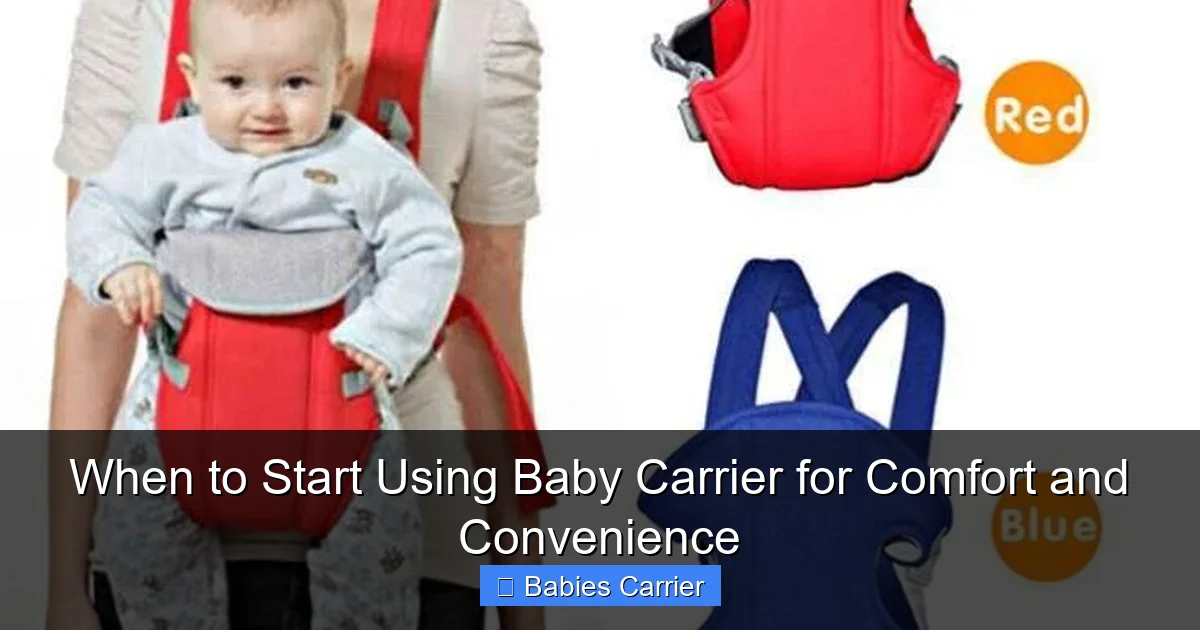
Visual guide about When to Start Using Baby Carrier for Comfort and Convenience
Image source: banglastall.com
When to Start Using a Baby Carrier
The best time to start using a baby carrier can depend on several factors, including your baby’s age, size, and developmental stage. Here’s a breakdown:
From Birth to 3 Months
You can begin using a baby carrier right from birth, especially with options designed for newborns. Wraps and soft structured carriers often come with newborn inserts for extra support. Here are some tips:
- Choose the right carrier: Look for carriers that offer head and neck support.
- Positioning: Use a front carry, ensuring your baby is in an upright position.
- Monitor baby’s comfort: Check for signs of discomfort, such as fussiness or difficulty breathing.
3 to 6 Months
At this stage, your baby is becoming more alert and may enjoy being carried facing out. Here are steps to make it a great experience:
- Switch positions: You can start to introduce outward-facing carries.
- Short durations: Keep carrier use to about 30 minutes to start.
- Engagement: Talk to your baby and encourage interaction while in the carrier.
6 to 12 Months
As your baby becomes more mobile and curious, they may enjoy longer periods in the carrier. Here’s how to keep it safe and comfortable:
- Increase duration: You can extend the time in the carrier to an hour or more.
- Back carries: This is a great time to try back carries if your carrier supports it.
- Frequent breaks: Allow your baby to explore and stretch during outings.
12 Months and Beyond
Once your baby becomes a toddler, they may still enjoy being carried. Here’s how to adapt:
- Use a toddler-friendly carrier: Ensure your carrier can accommodate your growing child.
- Comfort is key: Watch for signs of discomfort or fatigue in both you and your child.
- Keep it fun: Use the carrier for adventures, hikes, or busy outings.
Choosing the Right Baby Carrier
Choosing the right baby carrier is vital for comfort and convenience. Here are some factors to consider:
Type of Carrier
- Wraps: Ideal for newborns, they provide excellent support and can be adjusted for snugness.
- Slings: Great for quick outings, but may not offer as much back support.
- Structured Carriers: Good for longer wear and are often adjustable for different sizes.
Fit and Comfort
Make sure the carrier fits well for both you and your baby. Adjust straps for comfort and ensure your baby is securely positioned. Consider these tips:
- Try it on: Go to a store to test different carriers before buying.
- Read reviews: Look for feedback on comfort, especially during long periods of use.
- Weight limit: Ensure the carrier can support your baby’s weight as they grow.
Safety Guidelines
Following safety guidelines is crucial to ensure a safe and enjoyable carrying experience. Here are some essential tips:
- Keep airway clear: Ensure your baby’s chin is off their chest to avoid restricted breathing.
- Check for signs of discomfort: Look for red marks or signs of distress in your baby.
- Follow manufacturer instructions: Always adhere to the guidelines provided with your carrier.
Practical Tips for Using a Baby Carrier
Here are some practical tips that can enhance your baby-carrying experience:
- Practice before you go out: Familiarize yourself with putting on and adjusting the carrier at home.
- Make it a routine: Incorporate the carrier into your daily routine to help your baby adjust.
- Stay active: Use the carrier during walks or light errands to keep your baby close.
Troubleshooting Common Issues
Sometimes, problems may arise while using a baby carrier. Here are solutions to common issues:
Baby is Fussy
If your baby is fussy in the carrier, check their position and comfort level. Sometimes, a diaper change or a quick snack can help. Ensure they have good airflow and aren’t too hot or cold.
Back Pain for Parents
If you experience back pain while using the carrier, check the adjustment settings. Make sure the weight is distributed evenly and consider switching positions or taking breaks.
Conclusion
Using a baby carrier can offer both comfort and convenience for parents and their little ones. Starting at the right time, choosing the appropriate carrier, and following safety guidelines are essential steps to ensure a positive experience. Remember, each baby is unique, so pay attention to your child’s cues and adjust your approach as needed. Happy carrying!
🎥 Related Video: The do’s and don’ts of baby carriers 🚼 #shorts #babycarrier #momtip #chiro #baby #chiropractor
📺 Momma’s Chiro
