
Installing a baby car seat correctly is crucial for your child’s safety. This guide shows you the safest spot where to install baby car seat based on your vehicle and seat type. Follow our simple steps to ensure a secure fit and peace of mind on every journey.
Key Takeaways
- Rear-Facing is Safest: Always install rear-facing car seats in the back seat, as it’s the most protected position from impacts.
- Middle Back Seat is Ideal: The center of the back seat is often the safest spot where to install baby car seat due to distance from side collisions.
- Follow Manufacturer Instructions: Every car seat has specific guidelines; always refer to the manual for correct installation steps.
- Use LATCH or Seat Belt: Ensure proper attachment using either the LATCH system or the vehicle’s seat belt, but not both unless allowed.
- Check for Tight Fit: The car seat should not move more than one inch side-to-side or front-to-back when installed correctly.
- Adjust Harness Properly: The harness straps should be snug against your child’s body, with the chest clip at armpit level.
- Regular Inspections are Key: Periodically check the installation and adjust as your child grows to maintain safety standards.
Introduction
Welcome to our complete guide on where to install baby car seat. As a parent, your child’s safety is your top priority. Installing a car seat correctly can be the difference between life and death in an accident. But with so many options and rules, it can feel overwhelming. Don’t worry! This guide will walk you through everything you need to know. You’ll learn the safest spots, step-by-step installation methods, and common mistakes to avoid. By the end, you’ll feel confident in finding the perfect spot where to install baby car seat for your little one. Let’s get started!
Understanding Car Seat Types and Positions
Before you decide where to install baby car seat, it’s important to know the type of seat you have. Car seats come in three main types: rear-facing, forward-facing, and booster seats. Each has specific installation requirements. Knowing these will help you choose the best spot where to install baby car seat for maximum safety.

Visual guide about Find the Perfect Spot Where to Install Baby Car Seat
Image source: thecarbuzz.com
Rear-Facing Car Seats
Rear-facing seats are for infants and toddlers. They are designed to cradle your child and protect their head, neck, and spine in a crash. Always install rear-facing seats in the back seat of your vehicle. This is the safest spot where to install baby car seat for young children. Keep your child rear-facing as long as possible, until they reach the seat’s weight or height limit.
Forward-Facing Car Seats
Forward-facing seats are for older children who have outgrown rear-facing seats. They use a harness to secure your child. Like rear-facing seats, they should be installed in the back seat. The key is to ensure the harness is tight and the seat is anchored properly. When choosing where to install baby car seat forward-facing, always use the top tether for added security.
Booster Seats
Booster seats are for children who have outgrown forward-facing seats but are still too small for adult seat belts. They boost the child so the seat belt fits correctly. Booster seats are also placed in the back seat. Remember, the back seat is always safer for children under 13. When deciding where to install baby car seat as a booster, ensure the seat belt lies across the chest and lap properly.
Choosing the Safest Spot in Your Vehicle
Now, let’s dive into where to install baby car seat in your specific vehicle. The location can significantly impact safety. You need to consider your vehicle’s layout, seat types, and safety features. Here’s how to pick the best spot.
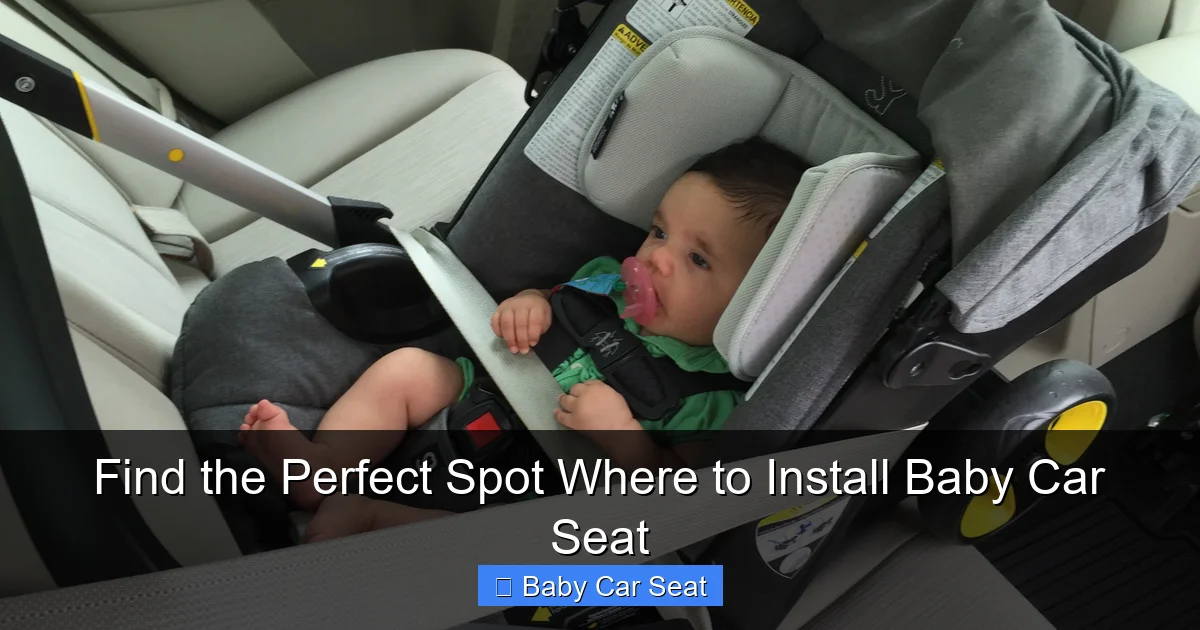
Visual guide about Find the Perfect Spot Where to Install Baby Car Seat
Image source: thecarseatlady.com
Back Seat vs. Front Seat
Always choose the back seat. The front seat has airbags that can deploy with great force, which can be dangerous for children. The back seat is farther from impact zones in collisions. So, when deciding where to install baby car seat, the back seat is non-negotiable. If you have no choice, like in some trucks, disable the airbag and follow manual instructions carefully.
Middle Seat vs. Window Seats
Within the back seat, the middle seat is often considered the safest spot where to install baby car seat. It’s furthest from side impacts. However, not all vehicles allow installation in the middle due to seat shape or LATCH anchors. Check your vehicle manual. If the middle isn’t possible, either window seat is acceptable. Just ensure a tight installation. Remember, safety comes first when picking where to install baby car seat.
Considerations for Different Vehicles
SUVs, sedans, and trucks have different layouts. For example, in trucks with no back seat, you may need to disable the airbag if installing in the front. In SUVs, third-row seats might have limited anchor access. Always refer to both your car seat and vehicle manuals. This will help you find the best spot where to install baby car seat. Test different positions to see which offers the firmest fit.
Step-by-Step Installation Guide
Once you’ve chosen the spot, it’s time to install the car seat. Follow these steps carefully. Proper installation is key to safety. We’ll cover both LATCH and seat belt methods. This ensures you know exactly where to install baby car seat and how to do it right.

Visual guide about Find the Perfect Spot Where to Install Baby Car Seat
Image source: babycareinsider.com
Preparing Your Vehicle
Clear the area where you’ll install the seat. Remove any debris or objects. Read your vehicle manual to locate LATCH anchors or understand seat belt paths. This preparation is crucial for a smooth installation. Also, check the car seat manual for specific requirements. Knowing where to install baby car seat starts with a clean and ready space.
Installing with LATCH
LATCH (Lower Anchors and Tethers for Children) is a system in most vehicles made after 2002. It uses anchors in the seat crease and a tether strap. To install, connect the lower anchors to the car seat’s hooks. Tighten the strap until the seat is snug. Remember, where to install baby car seat with LATCH depends on anchor locations. Use only if the weight limits allow. Always use the top tether for forward-facing seats.
Installing with Seat Belt
If your vehicle doesn’t have LATCH or you prefer seat belt installation, ensure the seat belt locks. Thread the seat belt through the correct path on the car seat. Buckle it and pull tight to remove slack. Lock the seat belt according to your vehicle’s instructions. This method is equally safe when done correctly. It’s a good option when deciding where to install baby car seat in older vehicles.
Securing the Car Seat
After attaching, press down on the car seat and tighten the straps. The seat should not move more than one inch side-to-side or front-to-back. This tight fit is essential for safety. Double-check where you’ve chosen to install baby car seat to ensure it’s secure. Use your knee to apply pressure while tightening for a firmer hold.
Final Adjustments
Adjust the recline angle for rear-facing seats. Use the built-in level indicator. For forward-facing seats, attach the top tether to the anchor in your vehicle. This reduces forward movement in a crash. Always follow the car seat manual for these adjustments. These steps ensure the spot where you install baby car seat is optimized for safety.
Common Mistakes and How to Avoid Them
Even with good intentions, mistakes happen. Here are common errors and how to fix them. Avoiding these will make sure you know where to install baby car seat correctly every time.
Loose Installation
A loose car seat is dangerous. It can fly around in a crash. To avoid this, tighten the straps or seat belt until the seat is firm. Use your body weight to press down while tightening. This ensures a secure spot where to install baby car seat. Regularly check for looseness, especially after re-installation.
Incorrect Harness Use
The harness straps should be at or below your child’s shoulders for rear-facing and at or above for forward-facing. The chest clip should be at armpit level. Tighten the harness so you can’t pinch any slack at the shoulders. This keeps your child secure. Proper harness use complements the right spot where to install baby car seat.
Wrong Seat Position
Installing a rear-facing seat in the front seat or forward-facing too early are common mistakes. Always follow age, weight, and height guidelines. This determines where to install baby car seat and how to position it. Keep children rear-facing until at least age 2, or longer if possible.
Using Both LATCH and Seat Belt
Unless the manual says it’s okay, don’t use both LATCH and seat belt together. This can cause over-tightening and damage. Choose one method and stick to it. This is crucial when deciding where to install baby car seat with multiple options.
Troubleshooting Common Issues
Sometimes, things don’t go as planned. Here’s how to troubleshoot. These tips will help you fix problems and ensure the spot where you install baby car seat is safe.
Car Seat Doesn’t Fit Snugly
If the seat moves too much, check for twisted straps or incorrect routing. Re-read the manual and try again. You may need to use a different installation method or spot where to install baby car seat. Adding a rolled towel under the base might help, but only if the manual allows.
Harness Straps Twisted
Twisted straps can reduce effectiveness. Straighten them before securing your child. Regular checks can prevent this issue. Always ensure straps lie flat against your child’s body. This is part of maintaining safety where you install baby car seat.
Vehicle Seat Contour Problems
Some vehicle seats are curved, making installation tricky. Use rolled towels or pool noodles under the car seat base if allowed by the manual. This helps achieve the correct angle. It ensures the spot where to install baby car seat is level and secure.
Difficulty with LATCH Anchors
If LATCH anchors are hard to reach, try installing from the side or use a seat belt instead. Don’t force the connectors. Sometimes, choosing a different spot where to install baby car seat can solve this problem.
Final Checks and Safety Tips
Before every ride, perform these checks. They ensure the spot where you install baby car seat remains safe over time. Make it a habit to review these points regularly.
- Check Tightness: Ensure the car seat is installed tightly with minimal movement.
- Verify Harness Fit: The harness should be snug on your child, with the chest clip at armpit level.
- Inspect for Wear: Look for cracks, frayed straps, or other damage on the car seat.
- Adjust as Your Child Grows: Move harness straps up and recline angles as needed.
- Weather Considerations: In hot or cold weather, ensure straps aren’t too tight or loose due to temperature changes.
- Professional Inspection: Consider getting your installation checked by a certified technician for peace of mind.
These tips reinforce the importance of knowing where to install baby car seat correctly. Safety is an ongoing process.
Conclusion
Finding the perfect spot where to install baby car seat is a critical step in protecting your child. By following this guide, you can ensure that your car seat is installed safely and correctly. Always refer to your car seat and vehicle manuals, and don’t hesitate to seek help from a certified technician. Your diligence gives your child the best chance of staying safe on the road. Now, go install that car seat with confidence! Remember, the right spot where to install baby car seat can make all the difference.
🎥 Related Video: How to Install and Use Baby Car Seat ? Sweet Angels Rajkot
📺 Sweet Angels – Baby Store
