
Which baby bottle is best for newborns depends on flow, nipple shape, material, and anti-colic design. This guide helps you choose with simple steps, smart tips, and top picks to try.
Key Takeaways
- Point 1: Consider flow rate and nipple shape first — they affect feeding comfort and gas.
- Point 2: Choose safe materials like BPA-free polypropylene or glass for peace of mind.
- Point 3: Anti-colic vents can reduce fussiness and gas for many babies.
- Point 4: Try more than one bottle — what works for one baby may not work for another.
- Point 5: Easy cleaning and sterilizing save time and keep bottles safe.
- Point 6: Small bottles and slow-flow nipples suit newborn needs best.
Introduction
This guide shows you exactly which baby bottle is best for newborns. You will learn what features matter. You will get step-by-step help to pick, test, and care for bottles. The goal is fast help and less stress. We keep language simple. We keep steps short.
Step 1: Know Newborn Needs
Ask this: what does my newborn need right now? Newborns need slow flow, soft nipples, and small size. They need options if breastfeeding. When you ask which baby bottle is best for newborns, start with needs.
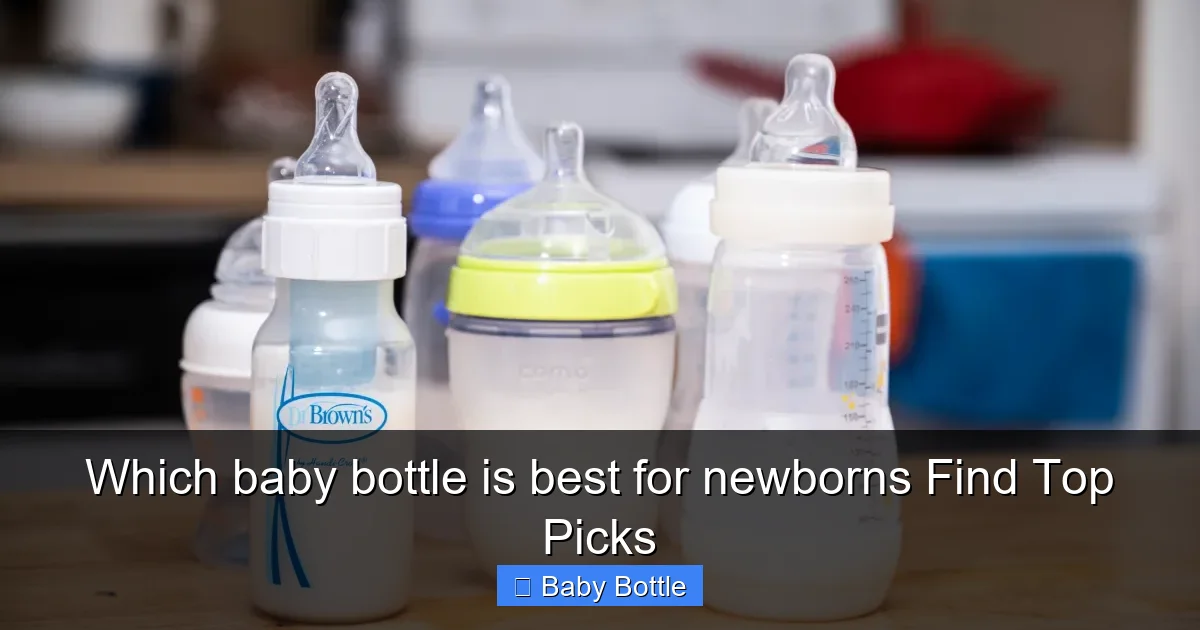
Visual guide about Which baby bottle is best for newborns Find Top Picks
Image source: reviewed-com-res.cloudinary.com
Consider feeding style
Breastfeeding babies may prefer a wide, soft nipple. Bottle-only babies may take standard nipples. If you are combining breast and bottle, choose a bottle designed for latch similarity. That helps reduce nipple confusion.
Think about feeding frequency
Newborns feed often. Small 4 oz bottles are handy. They are light and quick to prepare. Plan for several bottles each day.
Step 2: Types of Bottles
You will see glass, plastic, silicone, and hybrid bottles. To answer which baby bottle is best for newborns, know the pros and cons.
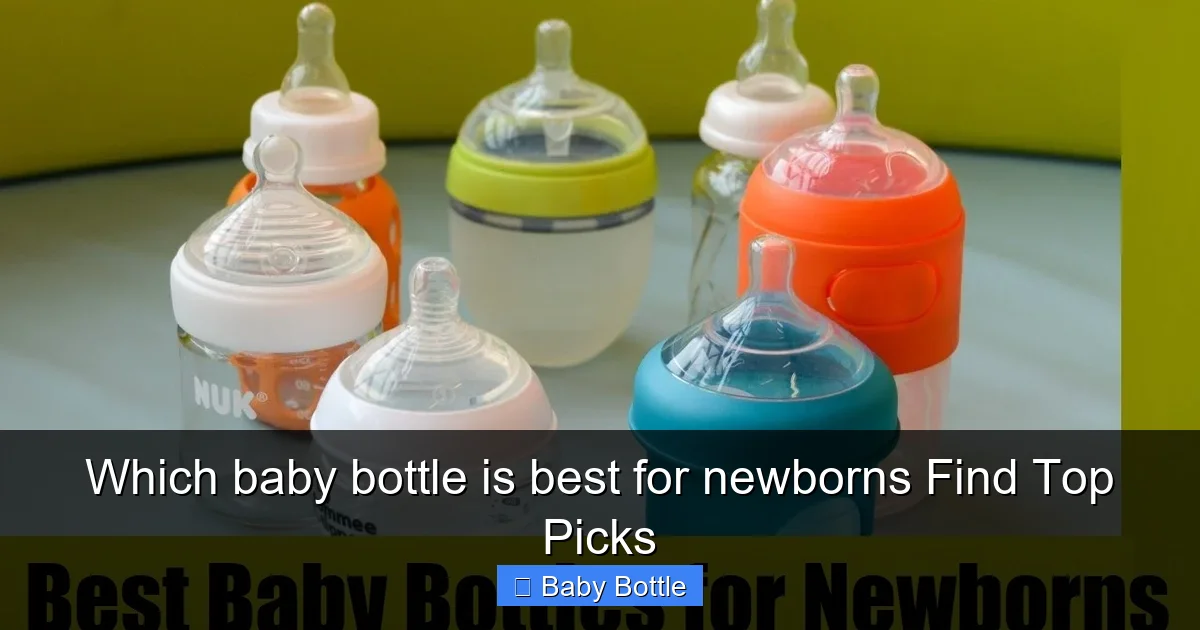
Visual guide about Which baby bottle is best for newborns Find Top Picks
Image source: i.ytimg.com
Plastic (Polypropylene)
Plastic bottles are light. They do not break. Choose BPA-free plastic. They are easy to carry. Many parents pick plastic for travel.
Glass
Glass is heavy but durable. It does not scratch or absorb smells. Glass bottles can be warmed safely. They are easy to clean but can break if dropped.
Silicone
Silicone bottles are soft and flexible. They feel gentle in baby hands. Silicone can be more expensive. They are a good choice for sensitive babies.
Hybrid
Some bottles mix materials. For example, glass bottles with silicone sleeves. These try to give the best of both worlds.
Step 3: Choose the Right Nipple
Nipples vary by shape, material, and flow. To decide which baby bottle is best for newborns, pick the right nipple first.
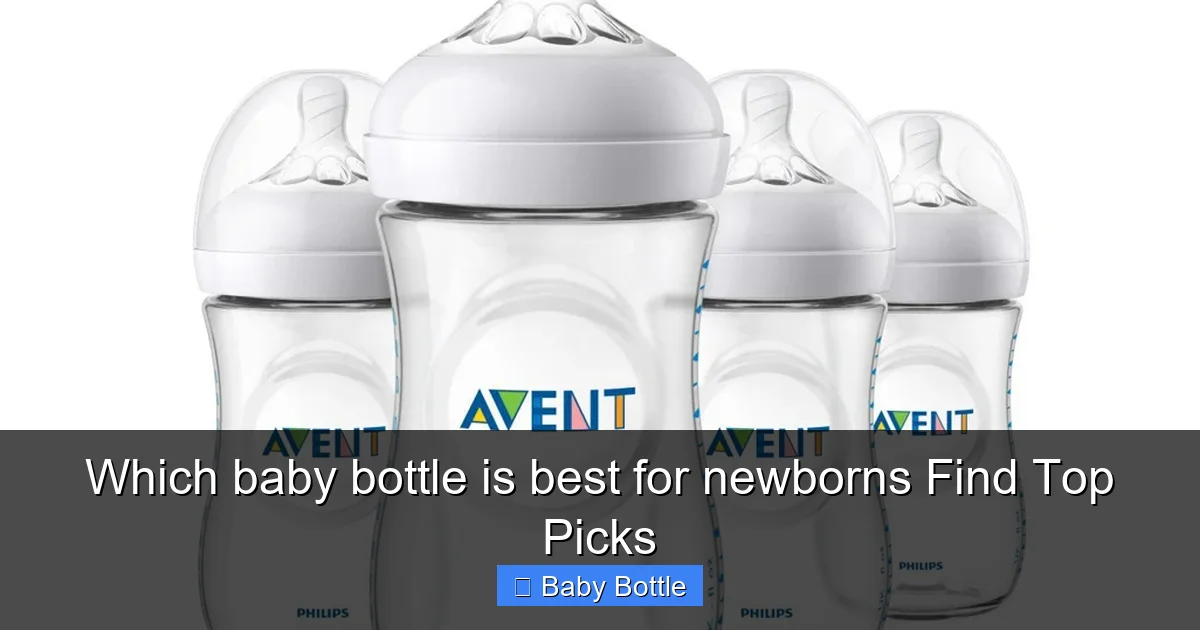
Visual guide about Which baby bottle is best for newborns Find Top Picks
Image source: babycenter.com
Flow rates
Newborns need slow flow. Labeled “newborn” or “slow” is best. Too fast a flow can choke or make baby swallow air. Start slow and move up if needed.
Nipple shape
Shapes include wide, narrow, and angled. Wide nipples mimic the breast. Narrow nipples may work for bottle-fed babies. Try a wide nipple if you nurse and bottle-feed.
Nipple material
Silicone is firm and long-lasting. Latex is softer but wears out sooner. Many parents prefer silicone for hygiene and durability.
Step 4: Anti-Colic and Vent Systems
Gas and spit-up are common. Anti-colic systems aim to reduce air intake. When you search for which baby bottle is best for newborns, look at vents and valves.
How vents work
Vents let air in without letting baby swallow it. Some use internal vents. Others use angled nipples to keep milk away from air. Each system works differently for each baby.
Practical tip
If your baby fidgets or poops out of feeding often, try a bottle with a vent. It may cut gas and fussiness. If one system does not help, try another type.
Step 5: Size, Shape, and Handling
Newborn bottles should be small and easy to hold. Choose 4 oz or 5 oz to start. That answers part of which baby bottle is best for newborns.
Bottle shape
Short bottles are easier to control. Narrow bottles can be harder to grip when small. Wide bottles fit small hands later. Pick a bottle you can hold in one hand while supporting baby with the other.
Weight
Light bottles are fine for newborns. Heavy bottles add strain. A full glass bottle is heavier than plastic. Think about late-night feeds when you are tired.
Step 6: Safety and Materials
Safety is key. You want to know which baby bottle is best for newborns and safe. Choose bottles made without BPA, phthalates, and PVC.
Check labels
Look for “BPA-free,” “phthalate-free,” and “PVC-free.” Read the box and the website. Choose trusted brands and check recall history.
Temperature and heat
Glass tolerates heat well. Some plastics can warp if boiled. Check manufacturer directions for sterilizing. Follow them to avoid damage.
Step 7: Cleaning and Sterilizing
How you clean matters. Sterilizing helps at first. To decide which baby bottle is best for newborns, consider bottles that are easy to take apart and clean.
Dishwasher safe
Bottles labeled dishwasher safe save time. Place small parts in a basket in the top rack. Slow flow nipples can trap milk. Clean them well.
Boiling and steam sterilizers
Many bottles handle boiling. Some do not. A steam sterilizer can be quick. Read the instructions. Replace nipples that show wear or tearing.
Step 8: Testing and Trial
There is no single answer to which baby bottle is best for newborns. Babies differ. The best way is to test a few options.
Try two or three bottles
Buy small packs or single bottles first. Test one for a few days. If baby eats well, keep it. If not, try another design.
Watch for signs
Signs of a good bottle: baby latches easily, feeds calmly, and gains weight. Signs of a poor match: choking, fussing, lots of gas, or long feeding times.
Step 9: Practical Tips and Examples
Here are simple tips to make feeding easier. These help you pick which baby bottle is best for newborns faster.
- Use small bottles first: 4 oz bottles reduce waste and cool fast.
- Match the nipple: If baby is breastfed, try a wide, soft nipple to mimic the breast.
- Keep extras: Have three to four bottles ready to rotate during the day.
- Label bottles: Mark bottles with time and date if you prep milk in advance.
- Warm safely: Warm in a bowl of warm water or use a bottle warmer. Avoid microwave heating.
Example routines
Night routine: Keep a small, warm 4 oz bottle ready for night feeds. Day routine: Prepare a few bottles in case of fast hunger. Travel: Use lightweight plastic or silicone bottles.
Troubleshooting
Problems happen. Here are fixes when you are unsure which baby bottle is best for newborns for your child.
Baby refuses bottle
Try a different nipple shape. Try a bottle that mimics the breast. Have someone other than the breastfeeding parent offer the bottle. Try feeding when baby is calm, not very hungry.
Baby gulps air or has gas
Check nipple flow. If milk pours too fast, switch to a slower nipple. Try an anti-colic vent system. Hold baby in an upright position and burp often.
Milk leaks or spills
Check the collar and seal. Make sure parts are snug. Replace worn nipples. Avoid over-tightening, which can warp parts.
Bottle smells or stains
Boil or use a sterilizer if safe for the bottle. Try a vinegar soak or bottle cleaning tablet. Replace plastic bottles if staining persists, as they may absorb odors.
Popular Bottle Types to Try
To answer “which baby bottle is best for newborns,” here are common picks many parents like. Try one that fits your needs.
- Wide-neck anti-colic bottles: Good for breast-feeding moms and reducing gas.
- Standard narrow bottles: Lightweight and familiar; often cheaper.
- Glass bottles with silicone sleeve: Durable and safer for heat. Sleeve adds grip.
- Soft silicone bottles: Gentle texture and flexible for baby hands.
When to Switch or Change
Change when baby outgrows slow flow. Watch feeding time. If feeding takes less than 10 minutes, you may need a faster flow. If baby coughs or chokes, use a slower flow.
Signs to switch
- Baby fusses and refuses the bottle.
- Baby feeds too fast and spits up often.
- Nipples show wear or cracking.
- Family needs a lighter or dishwasher-safe option.
Cost and Budget Tips
Good bottles come at many price points. You do not need the most expensive to succeed. Buy one or two to start. Then buy more of the design that works.
Save money
Look for starter packs. Buy extras of nipples only. Wash and reuse parts following safety directions. Replace nipples when they wear out.
Final Checklist
Use this quick checklist to decide which baby bottle is best for newborns for your family.
- Slow flow nipple labeled for newborns
- BPA-free material and clear safety labels
- Easy to clean and dishwasher safe
- Anti-colic or vent system if your baby gas is a problem
- Small 4 oz size to start
- One or two backup bottles for rotation
Conclusion
Finding which baby bottle is best for newborns takes testing and watching your baby. Start with slow flow, safe materials, and easy cleaning. Try a couple of styles. See what calms your baby and fits your life.
There is no one right bottle for every baby. Use the steps here to narrow choices. Test bottles for a few days. Keep the ones that help your baby feed calmly. You will find the right bottle with patience and small trials.
🎥 Related Video: Comparing baby bottles for your newborn (Dr. Browns + NUK) #babyfeeding #babybottle #babyfeedingtips
📺 Mama Nurse Tina
