
Choosing the best baby stroller depends on your daily routines and preferences. This guide helps you assess your lifestyle, prioritize key features, and set a budget to find an ideal stroller. You’ll discover practical steps to select a stroller that makes outings easier and more enjoyable for you and your baby.
Which Baby Stroller Is Best for Your Lifestyle
Picking the best baby stroller can feel like a huge task. With so many models, features, and prices, where do you start? The answer is simple: match the stroller to your lifestyle. This guide will walk you through that process step by step. You’ll learn how to assess your needs, compare options, and make a smart choice. By the end, you’ll know exactly how to find a baby stroller that fits your daily life. Let’s get started!
Key Takeaways
- Assess Your Lifestyle: Your daily activities and environment determine whether you need a compact, all-terrain, or travel-friendly baby stroller.
- Prioritize Key Features: Focus on weight, foldability, storage, and suspension based on where you’ll use the stroller most often.
- Consider Growth and Adaptability: Choose a baby stroller that grows with your child, offering adjustable seats and options for siblings.
- Set a Realistic Budget: Baby strollers range from budget to premium; balance cost with essential features and long-term value.
- Test Before You Buy: If possible, try strollers in person to evaluate maneuverability, comfort, and ease of folding.
- Read Reviews and Recommendations: Learn from other parents’ experiences to identify pros, cons, and hidden gems.
- Think Long-Term: Anticipate future needs like multiple children or lifestyle changes to avoid frequent replacements.
Step 1: Understand Your Lifestyle Needs
Your lifestyle is the biggest clue for choosing a baby stroller. Think about your typical day. Where do you go? What do you do? Your answers will point you toward the right stroller type. Here are common lifestyles and what to look for.
Urban Living: City Dwellers
If you live in a city, you need a baby stroller that’s compact and agile. You’ll navigate crowded sidewalks, small shops, and public transport. Look for lightweight strollers that fold easily. Good maneuverability is key for tight spaces. Swivel wheels help with sharp turns.
Tip: Check the fold size. A smaller fold is better for buses or apartments. Also, consider storage for shopping bags.
Suburban or Rural Life: Wide-Open Spaces
In suburbs or rural areas, you might walk longer distances. You might encounter uneven paths or gravel. A baby stroller with larger wheels and good suspension is ideal. Storage space is handy for errands or baby gear.
Tip: Look for strollers with adjustable handlebars. They help parents of different heights push comfortably.
Frequent Travel: Jetsetters
If you travel often, you need a travel-friendly baby stroller. It should fold small and be lightweight. Airlines have rules for strollers, so check weight and size limits. Durability is important for rough handling.
Tip: Choose a stroller with a carrying strap or bag. It makes airport trips easier.
Outdoor Adventures: Nature Lovers
For hiking or park trips, an all-terrain baby stroller is best. These have robust suspension and air-filled tires. They handle dirt trails and grass well. But they can be heavier and bulkier.
Tip: Ensure the stroller has a good recline for napping. Sun canopies with UV protection are a plus.
Multi-Child Families: Growing Brood
If you have or plan to have more kids, think about a double stroller. Options include side-by-side or tandem designs. Some single strollers convert to double with add-ons. Consider your space and budget.
Tip: Test the width for doorways. Side-by-side strollers might not fit in narrow spaces.
Step 2: Learn About Baby Stroller Types
Baby strollers come in several types. Each has strengths and weaknesses. Knowing these will help you narrow down choices.
Visual guide about Which Baby Stroller Is Best for Your Lifestyle
Image source: cdn.shopify.com
Standard Full-Size Strollers
These are versatile and feature-rich. They often have great storage, recline options, and comfort. But they can be bulky and heavy. Ideal for families who drive everywhere.
Example: Many travel systems are full-size. They work well from infancy to toddler years.
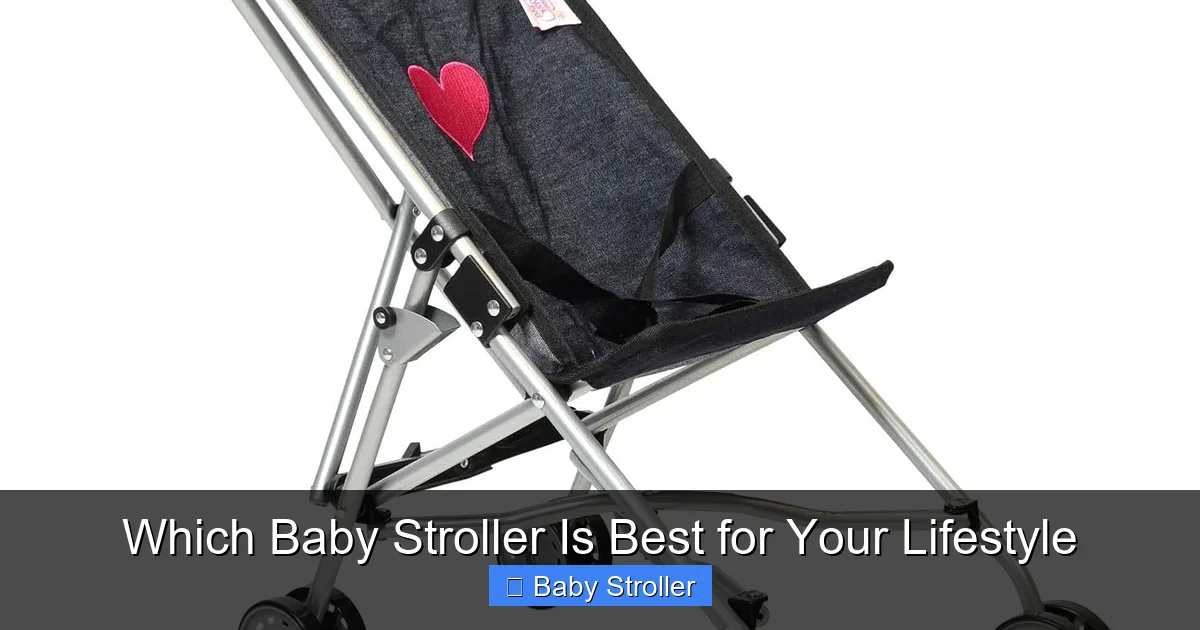
Lightweight Umbrella Strollers
Umbrella strollers are compact and affordable. They fold like an umbrella, hence the name. They are perfect for travel or quick trips. However, they may lack storage and recline features.
Example: These are great as a secondary stroller for grandparents’ house or vacations.
Jogging Strollers
Jogging strollers have three wheels and excellent suspension. They are designed for active parents who run or walk fast. Not all are safe for newborns, so check age limits.
Example: Look for a locking front wheel for jogging and a swivel wheel for everyday use.
Travel Systems
Travel systems include a stroller and a compatible car seat. They are super convenient for infants. You can move the baby from car to stroller without disturbing sleep. But they can be pricey and heavy.
Example: These are ideal if you use a car daily. They often come as a bundle.
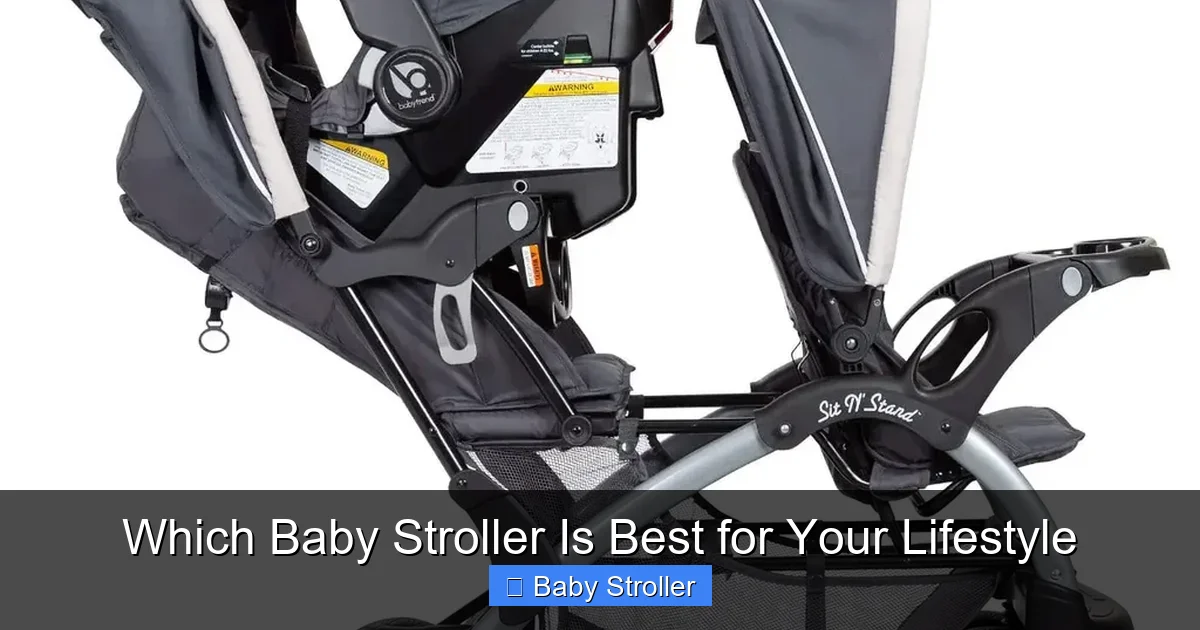
Double and Tandem Strollers
For twins or siblings, double strollers are a must. Tandem strollers have seats in line, while side-by-side strollers are wider. Choose based on your needs.
Example: Tandem strollers are better for narrow spaces. Side-by-side strollers let kids interact easily.
All-Terrain Strollers
These strollers handle various surfaces, from pavement to trails. They have sturdy wheels and suspension. They are heavier but great for adventurous families.
Example: They often have hand brakes for downhill control. Perfect for parks or rough neighborhoods.
Step 3: Identify Must-Have Features
Features can make or break your baby stroller experience. Focus on what matters most to you. Here are key features to consider.
Visual guide about Which Baby Stroller Is Best for Your Lifestyle
Image source: images-na.ssl-images-amazon.com
Weight and Foldability
Weight is crucial if you lift the stroller often. Lightweight strollers are easier for cars or stairs. Foldability affects storage and transport. One-hand fold mechanisms are very convenient.
Tip: Practice folding in the store. See if you can do it with one hand while holding your baby.
Maneuverability and Wheels
Good maneuverability means easy steering. Swivel wheels help in tight spaces. Lockable wheels are good for straight lines or jogging. Wheel size and type affect ride smoothness.
Tip: Larger wheels roll over bumps better. Air-filled tires offer cushioning but may need pumping.
Storage Space
Check the under-seat basket. Is it accessible and large enough? Some strollers have extra pockets or hooks. Storage is vital for diapers, bags, and shopping.
Tip: Look for baskets with high weight limits. Some can hold up to 10 pounds.
Comfort and Adjustability
Your baby’s comfort is important. Look for padded seats, multiple recline positions, and extendable sun canopies. Adjustable handlebars help parents of different heights.
Tip: A near-flat recline is best for newborns. Canopies with peek-a-boo windows are fun.
Safety Features
Safety should never be compromised. Ensure the stroller has a five-point harness, reliable brakes, and stability. Follow weight and age guidelines.
Tip: Test the brakes yourself. They should engage easily and hold the stroller on slopes.
Accessories and Compatibility
Some strollers work with car seats or have cup holders. Think about what accessories you need. Compatibility with other baby gear can be a big plus.
Tip: Check if the stroller has adapter bars for your car seat brand. It saves money.
Step 4: Set Your Budget
Baby strollers range from $50 to $1000 or more. Set a budget that works for you. Remember, the most expensive isn’t always the best. Balance cost with features you need.
Visual guide about Which Baby Stroller Is Best for Your Lifestyle
Image source: images.saymedia-content.com
Budget-Friendly Options: Under $200. These are basic but functional. Good for occasional use or as a secondary stroller. They might lack some features.
Mid-Range Strollers: $200 to $500. This range offers a good mix of features and quality. Many popular models fall here. They often have better durability.
High-End Strollers: Over $500. These have premium materials, advanced features, and often better longevity. Ideal if you use the stroller daily and want long-term value.
Tip: Consider long-term costs. Some strollers need replacement parts or accessories. Factor that into your budget. Also, look for sales or second-hand options in good condition.
Step 5: Research and Compare Models
Once you know your needs and budget, start researching. Look at different baby stroller models online and in stores. Here’s how to compare effectively.
Read Online Reviews
Websites like Amazon, BabyGearLab, and parenting forums have reviews. Pay attention to common praises and complaints. Real-user experiences are invaluable.
Tip: Look for reviews from parents with similar lifestyles. They might highlight relevant pros and cons.
Watch Video Demonstrations
Videos show how strollers fold, maneuver, and look in real life. They can reveal issues not mentioned in specs. YouTube is a great resource.
Tip: Watch videos from multiple sources. Some focus on specific features like folding or storage.
Compare Specifications
Make a list of models and compare key specs: weight, dimensions, fold size, weight limit, etc. Use a spreadsheet for easy comparison.
Tip: Note the warranty length. A longer warranty often means better quality.
Ask for Recommendations
Talk to friends, family, or other parents. They can share hands-on advice. Join social media groups for baby gear tips.
Tip: Ask about customer service experiences. Good support can help if issues arise.
Step 6: Test and Evaluate Strollers
If possible, test strollers in person. Go to a baby store and try them out. Here’s what to check.
Test Fold and Unfold
Practice folding and unfolding the stroller. Is it easy? Can you do it with one hand while holding a diaper bag? Time yourself if you can.
Tip: Some strollers have a self-standing fold. That’s handy for small spaces.
Check Maneuverability
Push the stroller around the store. Turn corners, go over door thresholds, and simulate real use. See how it feels on different surfaces.
Tip: Try pushing with one hand. This is useful when you’re holding a coffee or phone.
Assess Comfort and Fit
Adjust the seat and handlebars. Imagine your baby in it. Is there enough padding? Is the canopy adequate for sun or rain?
Tip: If you’re tall, check if the handlebars are high enough. Some strollers have extendable handles.
Evaluate Storage and Accessories
Look at the basket and pockets. Are they easy to access? Try attaching any accessories you plan to use, like cup holders or organizers.
Tip: Bring your diaper bag to test fit in the basket. Some baskets are hard to reach when the seat is reclined.
If you can’t test in person, rely heavily on reviews and videos. Some companies offer trial periods or generous return policies. Take advantage of those.
Step 7: Make the Final Decision
After all your research and testing, it’s time to decide. Weigh the pros and cons of your top choices. Think about which baby stroller will best suit your lifestyle for years to come.
Consider Future Needs: Will this stroller work as your child grows? Can it adapt to a sibling? Planning ahead can save money. Some strollers have toddler boards for older kids.
Check Warranty and Support: A good warranty indicates quality. Look for customer service reviews in case you need help. Typical warranties are 1-2 years, but some offer lifetime frames.
Make the Purchase: Buy from reputable retailers. Compare prices online. Look for sales or discounts. Consider bundle deals if you need accessories.
Tip: Don’t forget to register your stroller for warranty. Keep the receipt and manual safe.
Step 8: Troubleshooting Common Stroller Issues
Even the best baby stroller can have issues. Here are common problems and how to fix them.
Stroller is Hard to Fold
Practice makes perfect. Read the manual carefully. Sometimes, there’s a specific sequence. If it’s still hard, contact customer service. They might have tips or offer a replacement.
Example: Some strollers require you to lift a lever while pushing a button. It can be tricky at first.
Wheels Not Steering Well
Check if wheels are locked or if there’s debris like hair or dirt. Clean the wheels regularly. For swivel wheels, ensure they are engaged correctly. Lubricate if needed.
Example: Sand at the beach can jam wheels. Rinse them after beach trips.
Limited Storage Space
Use add-on organizers or bags. Some strollers have hooks for extra bags. Be creative with storage solutions. A backpack can supplement the basket.
Example: Hang a reusable shopping bag from the handlebars. But avoid heavy items that can tip the stroller.
Stroller Feels Unstable
Always use the brakes when parked. Follow weight limits. Distribute weight evenly in the basket. Avoid hanging heavy items on the handlebars.
Example: If the stroller tips, check if the front wheels are locked. Unlocked swivel wheels can cause instability on slopes.
Fading or Wear Over Time
Protect the stroller from extreme weather. Clean it as per instructions. Some parts may be replaceable, like fabric or wheels. Store it indoors when not in use.
Example: Sun exposure can fade colors. Use a stroller cover or keep it in the shade.
Conclusion
Choosing the best baby stroller for your lifestyle is a process, but it’s worth it. Start by understanding your daily life. Learn about stroller types and features. Set a budget and do your research. Test strollers if you can. Finally, make a decision that balances needs, quality, and cost. With this guide, you’re equipped to find a baby stroller that makes outings easier and more enjoyable. Remember, the right stroller can turn stressful trips into smooth adventures. Happy strolling!
🎥 Related Video: Top 5 Mistakes To Avoid When Shopping For A Stroller | Stroller Buying Advice | Magic Beans Reviews
📺 The Baby Gear Guy
Eli is back with a new video, and he’s going to help you avoid the top five mistakes parents make when shopping for a stroller!
