

Baby strollers are expensive due to a combination of rigorous safety engineering, high-quality materials, and advanced features. This guide will walk you through the key factors behind the price tag, from crash-testing and durable frames to brand reputation and modular designs. Understanding these reasons empowers you to make a smart, informed purchase that balances cost with your family’s specific lifestyle.
Key Takeaways
- Safety is Non-Negotiable: The high cost includes extensive research, development, and rigorous testing (like crash tests) to meet strict global safety standards.
- Materials and Durability Matter: Expensive strollers use aerospace-grade aluminum, high-quality fabrics, and premium components to last for years and through multiple children.
- Innovation and Features Add Value: Costs rise with added conveniences like one-hand folds, all-terrain suspension, adjustable handlebars, and modular designs for growing families.
- Brand Reputation and R&D Cost: Established brands invest heavily in ongoing research, design, warranty programs, and customer support, which is reflected in the price.
- It’s a Long-Term Investment: A well-made stroller is a piece of essential gear used daily for 3-5 years, making its cost-per-use relatively low compared to its utility.
- You Pay for Specialization: Strollers designed for specific lifestyles—like serious jogging, rugged trails, or urban compactness—command higher prices for their tailored performance.
Why Are Baby Strollers Expensive: Uncovering the Truth
Strolling down the baby aisle can be a shock. You might see a simple-looking stroller with a price tag that rivals a small appliance. You’re not alone in wondering, “Why are baby strollers so expensive?” The truth is, that price reflects far more than just wheels and a seat. It’s a combination of safety science, durable engineering, and smart design. This guide will walk you through the real reasons behind the cost. You will learn what you’re actually paying for. This knowledge will help you make a confident choice for your child and your budget.
Step 1: Understand the Foundation – Safety and Testing
This is the biggest, non-negotiable reason for the cost. A stroller isn’t just a chair on wheels; it’s a protective vehicle for your most precious cargo.
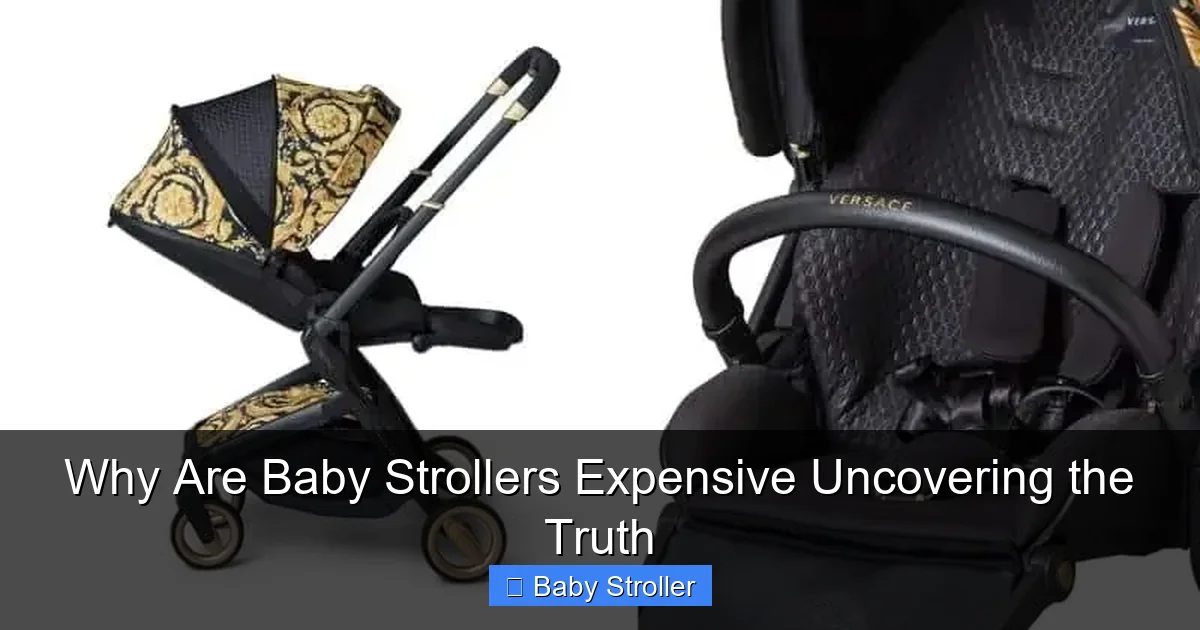
Visual guide about Why Are Baby Strollers Expensive Uncovering the Truth
Image source: themostexpensive.org
The Rigorous World of Stroller Safety Standards
Every reputable stroller must pass strict safety tests. These are set by organizations like the JPMA in the US or the EU’s EN 1888 standard. Tests simulate real-world dangers. They check for stability on slopes. They test brake strength. They ensure the stroller won’t tip over easily. They make sure small parts can’t be choking hazards. This testing isn’t cheap. It requires special labs, equipment, and repeated trials.
The Hidden Cost of Crash Testing and Development
High-end strollers often undergo testing beyond the basics. Think of it like car crash testing for babies. Engineers test frame integrity under stress. They analyze how the stroller behaves in a sudden stop. They use advanced computer simulations before even building a prototype. All this research and development (R&D) happens long before the stroller hits the store shelf. You are paying for years of engineering expertise aimed solely at keeping your child safe.
Step 2: Look at the Build – Materials and Durability
Pick up a cheap stroller and then a premium one. The difference in weight and feel is obvious. This comes down to materials.
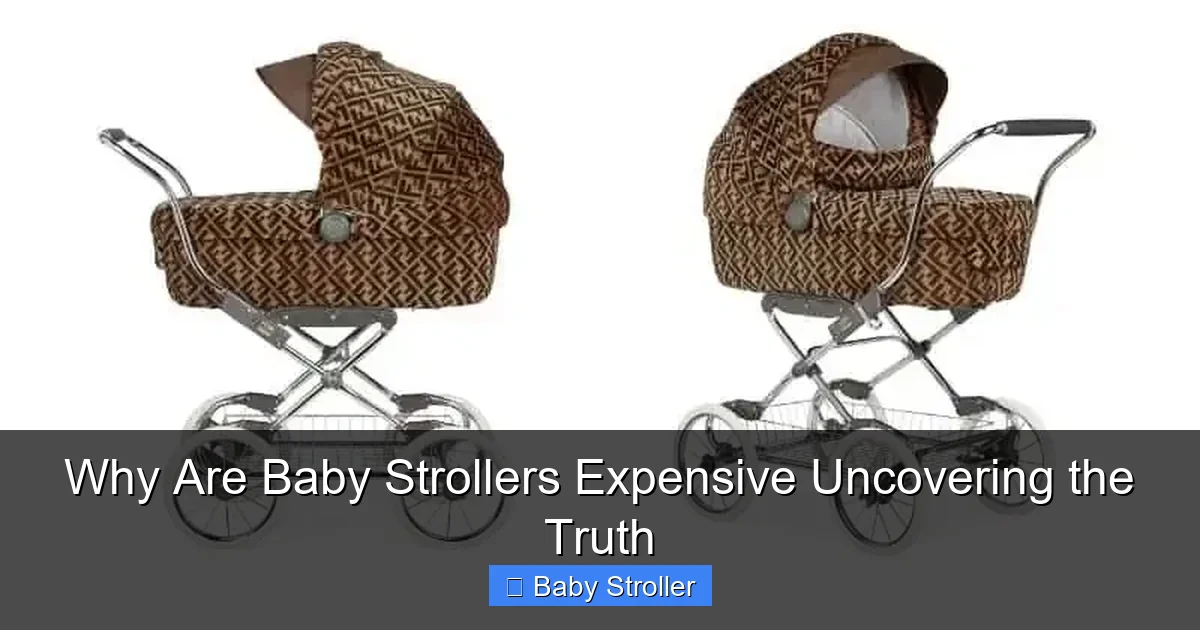
Visual guide about Why Are Baby Strollers Expensive Uncovering the Truth
Image source: themostexpensive.org
Frame and Chassis Construction
Expensive strollers often use aerospace-grade aluminum or magnesium alloys. These materials are incredibly strong yet lightweight. They resist rust and corrosion. They can withstand years of folding, unfolding, and bumps without bending. A cheaper stroller might use heavier, less robust steel or lower-grade aluminum. It might feel wobbly or develop squeaks over time.
Fabric and Component Quality
The fabric on a premium stroller is usually a higher-denier polyester or a technical fabric. It’s stain-resistant, UV-protective, and easy to clean. The seat padding is denser and more supportive. The wheels have high-quality rubber or air-filled tires with proper bearings for a smooth ride. The buckles and adjusters are from trusted suppliers like YKK or Magnetix. Every component is chosen for longevity.
Step 3: Evaluate the Features and Innovation
Modern strollers are marvels of convenience. But each feature adds to the manufacturing complexity and cost.

Visual guide about Why Are Baby Strollers Expensive Uncovering the Truth
Image source: themostexpensive.org
Convenience and Adaptability
Think about a one-handed, self-standing fold. That requires an intricate but reliable locking mechanism. Adjustable handlebars need durable telescopic parts. A stroller that reversibly converts from a bassinet to a toddler seat to a car seat carrier is essentially three products in one. This modular design offers incredible value but requires more parts, more engineering, and more testing.
Performance and Ride Quality
Strollers for jogging or all-terrain use have sophisticated suspension systems. These absorb shock for your baby. They have large, air-filled tires like a bicycle. They may have hand-operated brakes. Designing a smooth, stable ride at various speeds and over different surfaces is a technical challenge that adds cost.
Step 4: Consider Brand and Long-Term Value
A brand’s reputation isn’t just about a logo. It’s a promise of quality and support.
Research, Warranty, and Customer Service
Established brands invest heavily in continuous improvement. They offer long warranties (sometimes 5 years or more). They have dedicated customer service teams to help with parts or questions. This ecosystem of support costs money to maintain but provides peace of mind you can’t get with a no-name brand.
The Cost-Per-Use Calculation
Let’s do some math. A $1000 stroller used daily for 4 years costs about $0.68 per day. A $200 stroller that becomes rickety, uncomfortable, or breaks after 18 months costs about $0.37 per day, but leaves you needing to buy another. The premium stroller often offers a lower long-term cost. Plus, its resale value is much higher. Many high-end strollers retain 40-60% of their value after several years of use.
Step 5: Identify Specialization and Marketing
Some strollers are built for a specific purpose, and that specialization has a price.
Lifestyle-Specific Designs
A ultra-compact stroller for city dwellers who use buses and cafes requires ingenious engineering to be tiny yet sturdy. A rugged, all-terrain stroller for hiking families needs waterproof fabrics and heavy-duty parts. These are niche products with smaller production runs, making them more expensive per unit than a mass-market model.
The Reality of Marketing and Retail
Brands spend money on marketing, photography, and getting their products into stores. Physical retailers have overhead costs. While this doesn’t explain the core engineering cost, it is a part of the final price you see. Buying directly from a brand online can sometimes offer savings.
Troubleshooting: Managing Stroller Costs
Feeling overwhelmed by the price? Here are practical tips.
- Buy Last Year’s Model: New stroller models are released like cars. Last year’s color or design is often discounted significantly, with the same great features and safety.
- Consider “Travel System” Bundles: Buying a stroller and compatible car seat together is often cheaper than purchasing them separately.
- Look at Certified Pre-Owned: Many reputable brands and specialty stores sell refurbished or pre-owned strollers that have been inspected and cleaned. This is a fantastic way to get a high-quality stroller for less.
- Prioritize Your Needs: Do you really need all-terrain wheels if you live in a suburb with perfect sidewalks? Make a list of must-have vs. nice-to-have features.
Conclusion: It’s About Value, Not Just Price
So, why are baby strollers expensive? It’s because you’re investing in a piece of expertly engineered safety equipment. You’re paying for durable materials that will last for years and potentially multiple children. You’re funding the innovation that makes parenting on the go easier. When you break down the cost, it becomes clear that a well-chosen stroller is a high-utility item worthy of investment. Focus on the value it brings to your daily life. Consider its lifespan and how it fits your family’s adventures. By understanding the “why,” you can move past sticker shock. You can make a smart, informed decision that you’ll be happy with for miles to come.
🎥 Related Video: Don’t make these 4 MISTAKES when buying baby products
📺 Tina Yong