
This guide provides a clear, step-by-step method to determine if a baby car seat will fit in your car. You will learn how to measure your car’s back seat, understand car seat dimensions, and perform a real-world test to ensure a safe and secure installation every time. Stop guessing and start driving with confidence.
Key Takeaways
- Never Guess: A car seat that doesn’t fit correctly can compromise your child’s safety. Always verify fitment before purchase.
- Your Car’s Manual is Essential: It contains crucial information on LATCH anchor locations, seat belt types, and which seating positions are approved for car seats.
- Measure Twice, Buy Once: Taking accurate measurements of your car’s back seat depth and the space in front of it is the most reliable first step.
- The “Newspaper Test” is Your Friend: Use a simple cardboard or newspaper mock-up of a car seat’s base footprint to visually check for fit without buying the seat first.
- Installation is the Final Exam: The only true way to know if a baby car seat will fit in your car is to perform a complete, proper installation and check for a secure, non-moving fit.
- Consider All Passengers: Ensure the installed seat allows the front passenger to sit safely and that you can still fit other necessary passengers or items.
- Use Available Resources: Leverage store fitting services, online databases, and certified Child Passenger Safety Technicians for expert help.
Determine If Your Baby Car Seat Will Fit in Your Car Today
Bringing your baby home is a huge moment. You want everything to be perfect. And safe. The car seat is the most important piece of baby gear you will buy. But what if it doesn’t fit in your car? This is a common worry for many new parents. You are not alone.
A car seat that doesn’t fit right is more than just inconvenient. It can be dangerous. A poor fit can lead to an incorrect installation. This guide will take the guesswork out of the process. We will walk you through a simple, step-by-step method. You will learn how to make sure your chosen baby car seat will fit in your car. Let’s get you on the road with confidence and safety.
Step 1: Gather Your Tools and Information
Before you measure or shop, you need two key things. This sets you up for success.
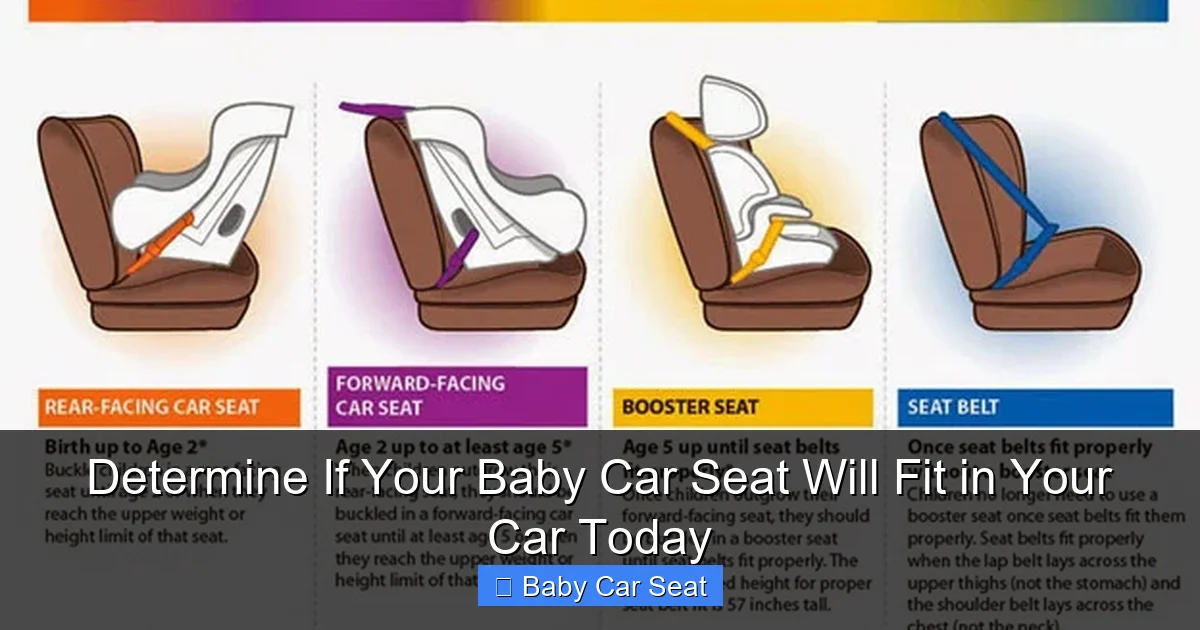
Visual guide about Determine If Your Baby Car Seat Will Fit in Your Car Today
Image source: copcp.com
Find Your Vehicle Owner’s Manual
This book is your car’s bible for car seats. Do not skip this. Look for the section on “Child Safety Seats” or “LATCH System.” Here you will find:
- Approved Seating Positions: Not every back seat spot is safe for a car seat. The manual will tell you which ones are.
- LATCH Anchor Locations: These are the metal bars between the seat cushions or on the seat back. The manual shows you exactly where they are.
- Seat Belt Type Warnings: Some seat belts (like those that lock only in an emergency) are not safe for car seats without a locking clip. Your manual will specify.
Know Your Car Seat Type
Are you looking for an infant carrier, a convertible seat, or an all-in-one? Infant seats are smaller but face the rear only. Convertible seats are bigger but last years longer. Knowing which type you need helps narrow your search from the start.
Step 2: Measure Your Car’s Back Seat
Now, let’s get the facts about your car’s space. You will need a tape measure and maybe a helper.
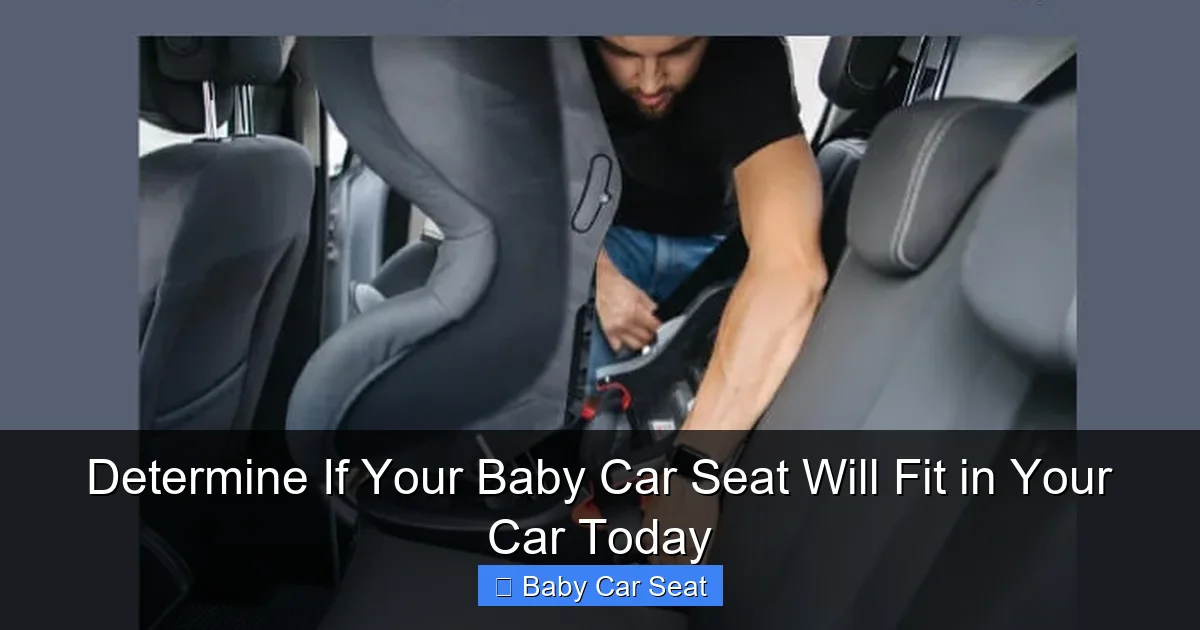
Visual guide about Determine If Your Baby Car Seat Will Fit in Your Car Today
Image source: seatplenary.com
Measure the Seat Depth
This is the most important measurement. Sit in the back seat. Measure from the point where your back rests (the seat back) to the front edge of the bottom cushion (the seat bight). Do this in the spot where you plan to put the car seat. Most car seat bases need to sit flat on this surface. Write this number down.
Measure the Front Passenger Space
Install the car seat behind the front passenger seat. Move the passenger seat to a comfortable, safe position for an adult. Now, measure from the back of the front passenger seat to the dashboard. This tells you how much space you have to work with once the rear-facing seat is installed.
Step 3: Research and Compare Car Seat Dimensions
You have your car’s numbers. Now you need the car seat’s numbers. Car seat specs can be found online on retailer or manufacturer websites.
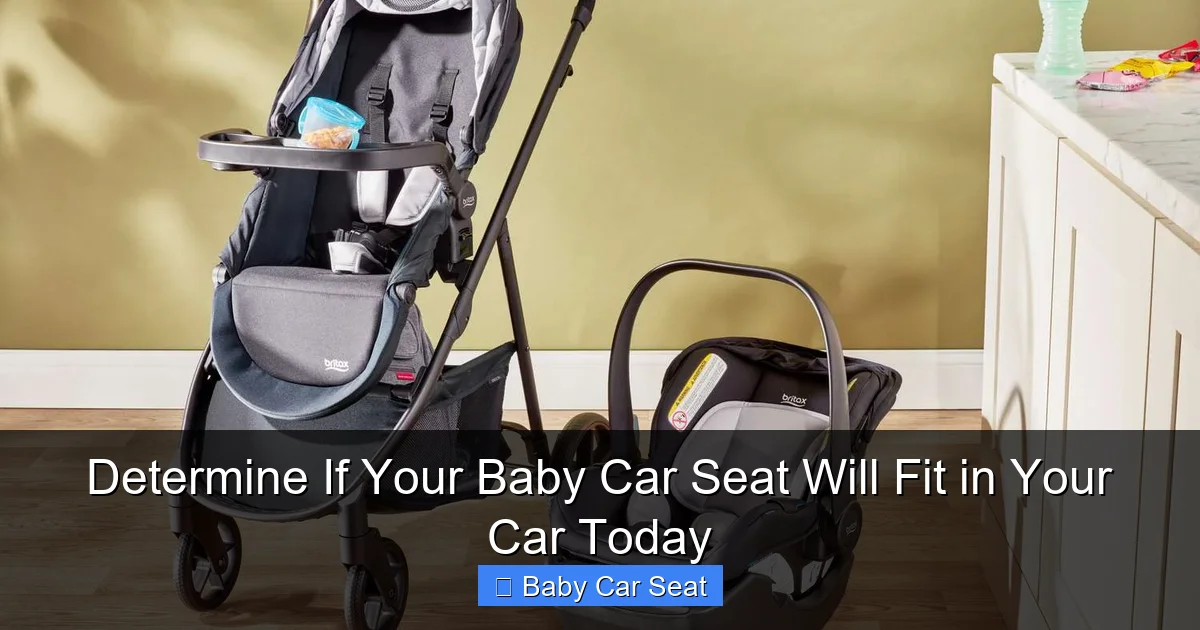
Visual guide about Determine If Your Baby Car Seat Will Fit in Your Car Today
Image source: parents.com
Key Dimensions to Look For
- Base Depth/Width: This is the footprint of the seat. Compare it to your car’s seat depth measurement.
- Seat Height: For rear-facing seats, this is crucial. A tall seat may force the front seat too far forward.
- Weight and Size: Remember, you’ll be carrying an infant carrier. Make sure you can lift it comfortably.
Use Online Fit Tools and Databases
Many stores and car seat review sites have “Car Seat Fit” databases. You enter your car’s make, model, and year. They show you car seats that other parents have successfully installed. These are great guides, but always verify with your own car.
Step 4: The Cardboard Mock-Up Test (The “Newspaper Test”)
This is a brilliant, no-cost trick. It lets you “see” the seat in your car before you buy it.
Create Your Mock Seat Base
Take a large piece of cardboard or tape newspaper sheets together. Using the car seat’s base dimensions, cut out a shape that matches its footprint. Be sure to include the correct depth and width.
Test the Fit in Your Car
Place the cardboard template on your car’s back seat. Try to install it as a real seat would go. Can it sit flat without hanging over the edge? Does it leave room for a potential seat next to it? Now, put the front seat back in its normal position. Does the template get crushed or pushed up? This visual test is incredibly revealing.
Step 5: The Real-World Store Test
If possible, this is the best step. Take a trip to a baby store.
Ask to Do a Floor Model Test Fit
Most reputable stores will allow this. Bring your car’s measurements and your vehicle manual. Politely ask an associate if you can take a floor model out to your parking lot. Tell them you need to check the fit.
Perform a Full Installation Check
Don’t just plop the seat in. Try to install it. Use either the LATCH system or the seat belt. Follow the seat’s manual. Your goal is to see if you can get a tight, secure fit. The seat should not move more than one inch side-to-side or front-to-back at the belt path. Can you achieve this? Also, check the front passenger space. Is it still usable?
Step 6: Troubleshooting Common Fit Problems
What if things don’t fit perfectly? Don’t panic. Here are some solutions.
Problem: The Car Seat Base Overhangs the Seat
Solution: This is often a deal-breaker. The base must be fully supported by the vehicle seat. An overhang can cause the seat to tip or rotate in a crash. Look for a seat with a shorter base depth.
Problem: The Front Seat is Too Close to the Dashboard
Solution: Try a car seat with a more compact design or a different “recline” angle. Some seats have adjustable bases that can help. You can also try installing the car seat in the center position (if approved by both car and car seat manuals), which often allows more front seat room.
Problem: The Seat Belt or LATCH Straps Are Too Short
Solution: Check if your car has additional LATCH anchors in the center seat. Some seat belts have a different locking mechanism on the other side of the car. Consult your vehicle manual. You may need a seat belt extender, but only use one approved by your vehicle manufacturer.
Conclusion: Drive Safely With Confidence
Finding out if a baby car seat will fit in your car might seem hard. But it doesn’t have to be. By following these steps, you take control. You move from worry to knowledge. Remember, the goal is a safe, secure, and correct installation. Your child’s safety depends on it.
Start with your car’s manual. Measure your space. Do the simple cardboard test. If you can, do a real test fit at a store. Use the resources available to you. Certified Child Passenger Safety Technicians offer free checks in many communities. They are amazing helpers.
Taking the time to do this right is the first and best trip you will take with your child. Now you can drive with true peace of mind. You know your little one is safe and secure in a car seat that fits your car just right.
🎥 Related Video: This Baby car seat is easy to install and safe for the baby too.
📺 Baby’s Weekend
