
Well, the hope for a new baby is always overwhelming; however, being 30 weeks pregnant is associated with a lot of challenges. As an expectant mother, your thoughts and actions should be directed towards safe delivery. In this case, you healthcare provider should be able to prepare you for any eventuality.
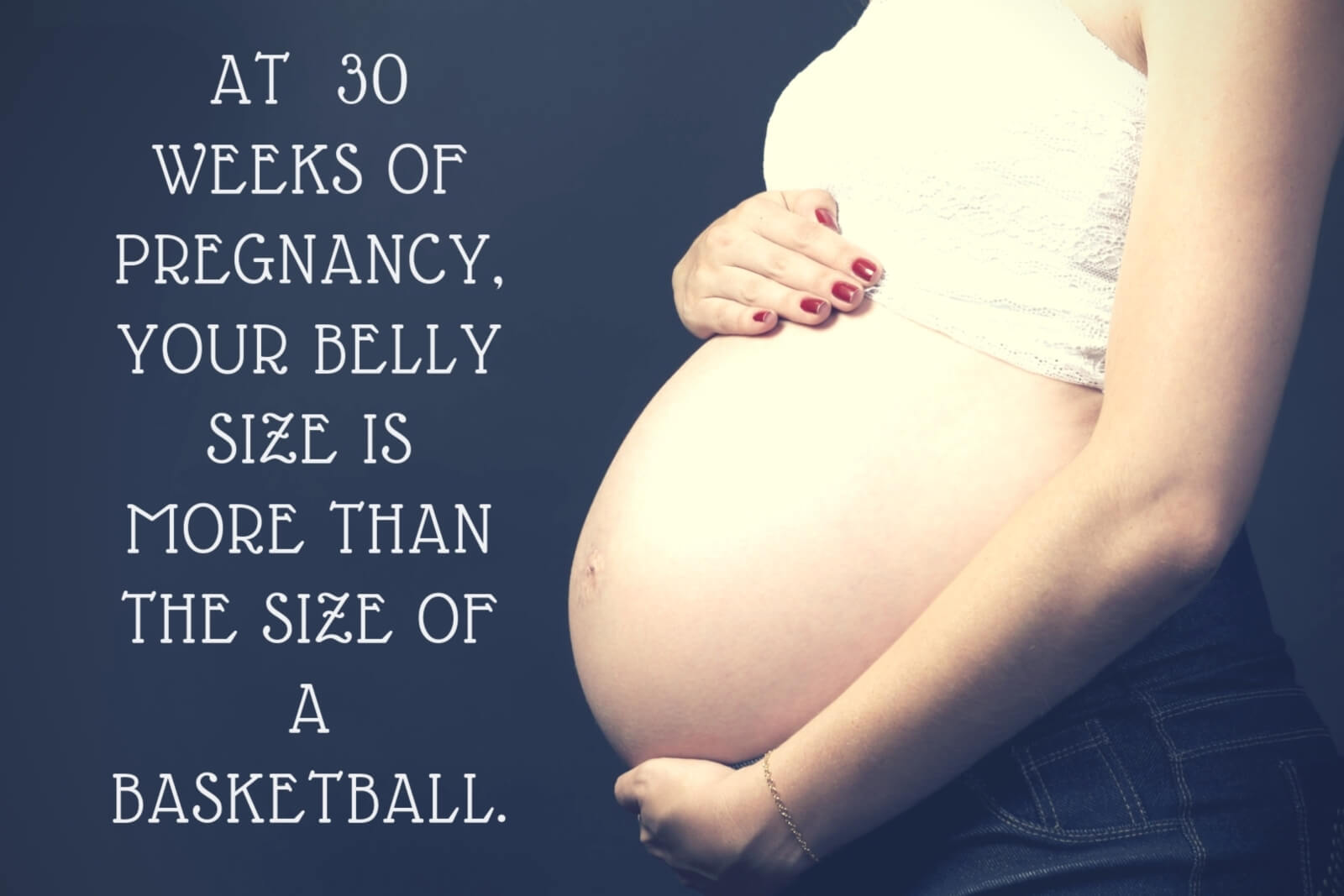
By the thirtieth week of pregnancy your belly is more than size the size of a basketball. You may start feeling uncomfortable when moving and during sleep. You may hear comments from the people close by; without giving a damn if they are talking ill of you.
30 Weeks Pregnant Body Changes and Symptoms
As you reach the 30th week of pregnancy, your body continues to undergo noticeable changes to support your growing baby. These shifts can bring both physical discomfort and emotional fluctuations, making it important to understand what’s normal and when to seek support.
Physical Discomforts as Pregnancy Progresses
As your pregnancy enters the later stages, the physical changes become more prominent. With the increasing weight of the baby and the growing uterus, you may begin to feel uncomfortable more often. Your body is working hard to accommodate a new life, and this effort can take a toll on your everyday activities.
Muscle Strain and Abdominal Tightness

One common experience is the sensation of your abdomen tightening. This may feel like your belly suddenly becomes hard or firm for a short time. These are known as Braxton Hicks contractions and are generally harmless, although they can be uncomfortable. You might also notice muscle strain, particularly in your back and legs, due to the extra weight your body is carrying.
Sleep Troubles and Heartburn
Finding a comfortable sleeping position can become a nightly challenge. As your belly grows, lying on your back may no longer be safe or comfortable. Many women use pillows to support their belly and legs. In addition, heartburn often becomes more intense during this stage. This happens because the growing uterus pushes against the stomach, allowing stomach acids to move up the esophagus. Avoiding spicy or fatty foods before bedtime and eating smaller meals can help reduce these symptoms.
Swelling and Puffiness
Swelling, or edema, is another common issue in the third trimester. You may notice puffiness in your face, hands, or legs, especially around the ankles. This happens because your body retains more fluids to support your baby’s growth. While mild swelling is normal, sudden or severe swelling should be reported to your healthcare provider, as it could be a sign of preeclampsia.
Emotional Changes and Hormonal Effects
Nightmares and Anxiety

As hormone levels rise, your dreams may become more vivid or unsettling. Some pregnant women report having strange or even scary dreams during this time. These nightmares can be attributed to elevated hormone levels and the natural anxiety that comes with preparing for childbirth. It’s completely normal to feel this way, and it doesn’t mean anything is wrong.
To calm your mind, consider talking to your partner, a friend, or even a counselor. Sharing your feelings can help ease your anxiety. A short evening walk or a scenic drive may also help you reset and refresh your thoughts before bed.
Changes in Amniotic Fluid
Another subtle shift during this phase is the reduction of amniotic fluid. As your baby grows and takes up more space, there’s less room for the fluid that once cushioned them. This change is normal, but your healthcare provider will monitor it to ensure your baby continues to develop safely.
Baby at 30 Weeks: Growing Stronger Every Day

At 30 weeks pregnant, your baby is becoming more active, responsive, and prepared for life outside the womb. This is a vital development period as the baby enters the final stretch of the third trimester. Let’s take a closer look at the amazing changes happening inside your womb.
Fat Begins to Fill Out the Baby’s Body
One of the most noticeable changes this week is the development of fat tissues under the baby’s skin. Until recently, the baby’s skin was wrinkled due to the lack of body fat. But now, fat is beginning to accumulate, smoothing out the skin and giving your baby a fuller, more newborn-like appearance. This fat is essential—it helps regulate body temperature and will serve as an energy source once the baby is born.
Lanugo: The Protective Layer
At this stage, the baby’s skin is still covered with a thin layer of soft hair called lanugo. This fine hair plays a protective role, keeping the baby warm and helping to regulate temperature. Though much of the lanugo will shed before birth, it’s an important part of development at this stage.
Size and Weight: A Growing Baby
By 30 weeks, your baby weighs about three pounds (around 1.4 kilograms) and measures approximately 17 inches (43 centimeters) in length. As each day passes, your baby is growing rapidly and gaining weight, preparing for the big debut in just a few weeks.
Preparing for Life Outside the Womb
Breathing Practice Begins
Although your baby is still surrounded by amniotic fluid and not breathing air yet, the diaphragm is hard at work. The baby practices breathing motions, moving the diaphragm up and down to strengthen the muscles required for taking those first real breaths after birth. This preparation is crucial for lung development.
Developing a Daily Routine
Your baby is beginning to develop a sense of routine. You may notice consistent periods of movement followed by stillness. These patterns may reflect sleep and wake cycles, which are early signs of the baby’s internal clock. Kicks, stretches, and rolls may follow a familiar rhythm as the baby’s brain continues to mature.
The Brain and Digestive System Take Charge
Brain Growth and Control
The brain is rapidly developing and beginning to send more complex signals to the body. This means the baby is learning how to control body temperature, breathing movements, and even some reflexes. The brain also helps regulate sleep patterns and sensory responses, all of which are essential after birth.
A Functional Digestive System
By week 30, the baby’s digestive system is fully formed and ready to function. While it’s not digesting food yet in the traditional sense, the baby is swallowing amniotic fluid, which helps the gastrointestinal tract mature. This practice ensures that when the time comes, the baby will be ready to process milk after birth.
Tips for the Thirtieth Week of Pregnancy

The thirtieth week of pregnancy is a key milestone as you begin the final stretch before meeting your baby. Your body is undergoing many changes, and taking extra care of your health becomes even more important now. This stage can bring physical discomfort and emotional stress, but with the right approach, you can maintain a healthy balance and prepare for a safe delivery.
Keep Up With Prenatal Appointments
Regular check-ups during this time are essential. Your doctor will likely monitor your baby’s growth, heartbeat, and overall development using ultrasounds and routine tests. Blood pressure checks and blood tests help detect early signs of conditions like gestational diabetes or preeclampsia. These appointments are also the perfect opportunity to discuss any symptoms or discomfort you may be experiencing.
Focus on a Nutritious Diet
Eat a Balanced, Fiber-Rich Diet

Maintaining a healthy, balanced diet becomes even more critical now that your baby is growing at a faster rate. Your meals should include whole grains, fresh fruits, leafy greens, dairy products, lean proteins, and healthy fats. Foods rich in iron, calcium, and folic acid remain especially important.
Constipation is a common complaint during the third trimester, caused by hormonal changes and pressure on the intestines. To ease this discomfort, increase your intake of fiber-rich foods such as oats, beans, lentils, fruits like pears and berries, and vegetables like spinach and broccoli. Don’t forget to drink plenty of water throughout the day to aid digestion and prevent dehydration.
Stay Hydrated
Your body needs more fluids now to support increased blood volume, maintain amniotic fluid levels, and keep your energy up. Aim for at least 8 to 10 glasses of water daily. You can also include herbal teas or fresh fruit-infused water to keep things interesting.
Rest Is Not a Luxury—It’s a Necessity
Prioritize Quality Sleep and Naps
Sleep becomes more difficult as your belly grows, but it’s important to find ways to rest. Use pillows to support your body, particularly between your knees and under your belly. Try to sleep on your left side, which helps improve blood circulation to the baby and reduces pressure on your organs.
If nighttime rest isn’t enough, don’t hesitate to take short naps during the day. Even a 20-minute rest can help your body recharge.
Listen to Your Body
Know When to Call Your Doctor
At this point, it’s normal to feel a bit more tired or uncomfortable. However, if you notice unusual symptoms—like sudden swelling, blurred vision, severe headaches, or decreased fetal movement—don’t ignore them. These could be signs of something more serious, and it’s always better to speak with your healthcare provider.
Even if the concern feels small, your doctor can offer reassurance or early treatment if needed. Remember, no question is too minor when it comes to your health and your baby’s well-being.
Bottom Line
As such, this could be the right time for you to take a 30 weeks pregnant ultrasound as a precaution. This is critically important as it ensures both you and your baby are faring on well. While some mothers may not realize how risky it may be taking over-the-counter drugs, it is important to avoid this practice at all costs. You don’t need to risk your life for negligence – let the doctor prescribe what you must take for a healthy pregnancy.
