Alleles are different forms of a gene. They determine specific traits.
In this blog post, we will explore how alleles pass from parents to offspring. Understanding this process is key to grasping genetics. The journey of alleles begins with the parents’ genetic material. During reproduction, alleles mix and create unique combinations.
This blending shapes the characteristics of the offspring. Genes carry alleles and play a crucial role in inheritance. As we delve deeper, you’ll see how traits like eye color or hair type are passed down. Let’s take a closer look at this fascinating process and uncover the mysteries of genetic inheritance.
Introduction To Genetics
Genetics is the study of how traits are passed down from parents to offspring. It explores the role of genes and alleles in heredity. This field of science helps us understand why we look like our parents. It also explains how genetic disorders are inherited.
Genes And Alleles
Genes are the basic units of heredity. They are made of DNA and reside on chromosomes. Each gene has a specific function. For example, genes determine eye color, hair type, and height.
Alleles are different forms of a gene. Each person has two alleles for each gene, one from each parent. Alleles can be dominant or recessive. A dominant allele can mask the effect of a recessive allele.
Basic Genetic Principles
There are a few basic principles of genetics. First, traits are controlled by genes. Second, each individual has two alleles for each gene. Third, alleles can be dominant or recessive.
In Mendelian inheritance, dominant alleles show their effect even if there is only one copy. Recessive alleles show their effect only if there are two copies. For example:
| Genotype | Phenotype |
|---|---|
| BB | Brown Eyes (Dominant) |
| Bb | Brown Eyes (Dominant) |
| bb | Blue Eyes (Recessive) |
This table shows how alleles affect eye color. B is the dominant allele for brown eyes. b is the recessive allele for blue eyes. Two recessive alleles (bb) are needed for blue eyes.
Understanding these basic principles helps explain how traits are inherited. It also helps in understanding genetic disorders and their inheritance patterns.

Credit: allinonehighschool.com
Mendelian Inheritance
Mendelian inheritance explains how traits are passed from parents to offspring. These principles were discovered by Gregor Mendel through his experiments on pea plants. Mendel’s work laid the foundation for the field of genetics. Let’s delve into the key aspects of Mendelian inheritance.
Gregor Mendel’s Experiments
Gregor Mendel, an Austrian monk, conducted experiments in the 1800s. He used pea plants to study how traits are inherited. Mendel chose pea plants because they have distinct traits and can self-pollinate. He observed how traits like flower color and seed shape passed from one generation to the next.
Mendel cross-pollinated plants with different traits. For example, he crossed tall plants with short plants. He then observed the traits in the offspring. He found that traits followed specific patterns, which he called “laws of inheritance”.
His experiments showed that traits are controlled by pairs of factors, now known as alleles. Each parent contributes one allele for each trait to their offspring.
Law Of Segregation
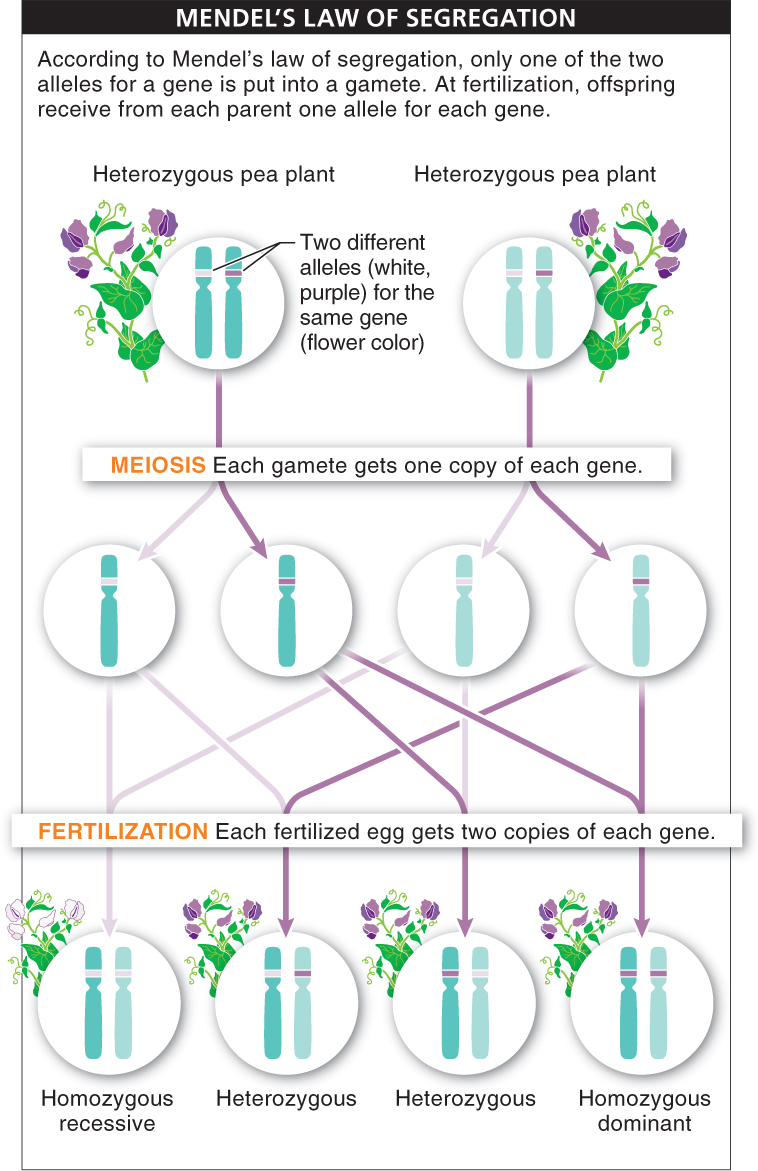
The Law of Segregation is one of Mendel’s key discoveries. This law states that allele pairs separate during the formation of gametes. Each gamete, or sex cell, carries only one allele for each trait. When fertilization occurs, the offspring receive one allele from each parent.
For instance, consider a plant with one dominant allele for tallness (T) and one recessive allele for shortness (t). The gametes produced by this plant will carry either the T or the t allele. When it mates with another plant, the offspring inherit one allele from each parent.
This process ensures genetic diversity and explains why siblings can have different combinations of traits.
Types Of Alleles
Understanding the types of alleles is fundamental to genetics. Alleles are different forms of a gene. They determine various traits in organisms. By knowing the types, we can understand how traits pass from parents to offspring.
Dominant And Recessive
Alleles can be dominant or recessive. A dominant allele shows its effect even if there is only one copy. For example, in eye color, the brown eye allele is dominant. It will show up if present.
Recessive alleles need two copies to show their effect. For example, blue eyes need two copies of the blue eye allele. If paired with a dominant allele, the recessive trait is hidden.
Homozygous And Heterozygous
An organism can be homozygous or heterozygous for a gene. Homozygous means having two identical alleles for a trait. For instance, two brown eye alleles (BB) or two blue eye alleles (bb).
Heterozygous means having two different alleles for a trait. For example, one brown eye allele and one blue eye allele (Bb). In this case, the dominant trait (brown eyes) will appear.
| Term | Definition |
|---|---|
| Dominant | Allele that shows its effect with one copy |
| Recessive | Allele that shows its effect with two copies |
| Homozygous | Two identical alleles for a trait |
| Heterozygous | Two different alleles for a trait |
Punnett Squares
Punnett Squares are powerful tools in genetics. They help predict how alleles are passed from parents to offspring. Using these grids, geneticists can forecast traits in the next generation. This section explores how to use Punnett Squares to understand inheritance patterns.
Predicting Offspring Traits
Punnett Squares make predicting offspring traits easy. To begin, list the parent alleles. Each parent contributes one allele for each trait. Combine these alleles in the grid. The squares show possible allele combinations in the offspring.
For example, consider a trait with two alleles: A and a. Each parent has two alleles, such as Aa. The Punnett Square will look like this:
| A | a | |
|---|---|---|
| A | AA | Aa |
| a | Aa | aa |
From this table, you can see the potential offspring combinations. They are 25% AA, 50% Aa, and 25% aa.
Monohybrid And Dihybrid Crosses
Punnett Squares can handle both monohybrid and dihybrid crosses. Monohybrid crosses focus on one trait. Dihybrid crosses involve two traits.
For a monohybrid cross, consider eye color. Let’s say brown (B) is dominant and blue (b) is recessive. A cross between Bb and Bb parents would look like this:
| B | b | |
|---|---|---|
| B | BB | Bb |
| b | Bb | bb |
The results show 75% chance for brown eyes and 25% for blue eyes.
Dihybrid crosses are more complex. They involve two traits, such as seed shape and color in pea plants. Let’s say round (R) is dominant over wrinkled (r), and yellow (Y) is dominant over green (y). A cross between RrYy and RrYy parents would look like this:
| RY | Ry | rY | ry | |
|---|---|---|---|---|
| RY | RRYY | RRYy | RrYY | RrYy |
| Ry | RRYy | RRyy | RrYy | Rryy |
| rY | RrYY | RrYy | rrYY | rrYy |
| ry | RrYy | Rryy | rrYy | rryy |
This table shows the complexity of dihybrid crosses. The offspring have various combinations of traits.
Genetic Variation
Genetic variation is the cornerstone of evolution. It ensures that each offspring is unique. This variation stems from the combination of alleles passed from parents. Let’s explore how these alleles mix and create diversity.
Mutation And Recombination
Mutations are changes in the DNA sequence. They can occur spontaneously or due to environmental factors. Some mutations are beneficial, some are harmful, and others are neutral. Beneficial mutations can increase an organism’s chance of survival. Over time, these mutations can be passed to offspring.
Recombination occurs during the formation of egg and sperm cells. During this process, sections of DNA are shuffled. This shuffling creates new combinations of alleles. It increases genetic diversity among offspring.
Independent Assortment
Independent assortment is a key principle in genetics. It states that genes for different traits are passed independently of one another. During meiosis, chromosomes are randomly distributed to egg or sperm cells. This results in unique combinations of alleles.
Imagine a table to visualize this concept:
| Parent 1 Alleles | Parent 2 Alleles | Possible Offspring Alleles |
|---|---|---|
| AA | aa | Aa, Aa |
| AB | ab | Ab, aB, AB, ab |
This table shows how different combinations can occur. Each combination leads to unique offspring.
Credit: digfir-published.macmillanusa.com
Modern Genetic Techniques
Modern genetic techniques have revolutionized our understanding of how alleles are passed from parents to offspring. These techniques provide detailed insights into genetic inheritance, allowing for more accurate predictions and better health outcomes. Below, we explore some of the most important modern genetic techniques.
Dna Sequencing
DNA sequencing is a process that determines the precise order of nucleotides within a DNA molecule. This technique helps in identifying specific alleles that parents pass to their offspring. Understanding the sequence of DNA aids in diagnosing genetic disorders early on.
Here are some key points about DNA sequencing:
- It maps out the entire genetic code.
- It helps in identifying genetic mutations.
- It is used in personalized medicine.
Genetic Counseling
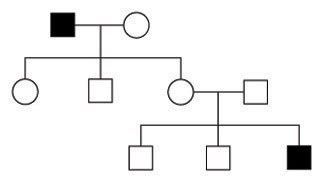
Genetic counseling is a service that helps individuals understand their genetic makeup. Counselors provide information on how alleles may affect offspring. This service is crucial for families with histories of genetic disorders.
Important aspects of genetic counseling include:
- Assessing the risk of genetic disorders.
- Providing support and information.
- Helping with decision-making for future pregnancies.
Both DNA sequencing and genetic counseling provide critical insights into genetic inheritance. These modern techniques empower individuals with knowledge about their genetic health.
Credit: www.nature.com
Frequently Asked Questions
How Are Alleles Inherited From Parents To Offspring?
Alleles are inherited through genes. Each parent gives one allele to their child. This happens during reproduction.
What Determines The Traits Of Offspring?
The combination of alleles from both parents determines the traits. Dominant alleles usually show up more than recessive ones.
Can Two Parents Pass The Same Allele To Their Offspring?
Yes, it’s possible. If both parents have the same allele, the offspring will inherit that allele from both.
How Do Dominant And Recessive Alleles Work?
Dominant alleles mask the effect of recessive alleles. If an offspring has one dominant and one recessive allele, the dominant trait shows.
What Is The Role Of Meiosis In Allele Inheritance?
Meiosis is a type of cell division. It ensures offspring get half their chromosomes from each parent, including alleles.
Conclusion
Understanding alleles helps grasp how traits pass to offspring. Genes from both parents combine uniquely. Traits then reflect this genetic mix. Each parent contributes half the genetic material. This process ensures diversity. Alleles determine many features. Hair color, eye color, and even some diseases.
Knowledge of genetics aids in predicting traits. It also explains family resemblances. Genetics is a fascinating study. It impacts everyday life significantly. Understanding it deepens appreciation for biological inheritance.